Yervant Gianikian
Directing
Biography
Yervant Gianikian is an Italian director and artist renowned for his experimental and independent films. He studied architecture in Venice before dedicating himself to cinema in the mid-1970s, collaborating with Angela Ricci Lucchi. Together, they produced influential works such as From the Pole to the Equator (1987), Oh! Man (2004), and Babaric Land (2013). Their films have been showcased at prestigious international festivals and museums, reflecting a deep engagement with history and memory.
Known For
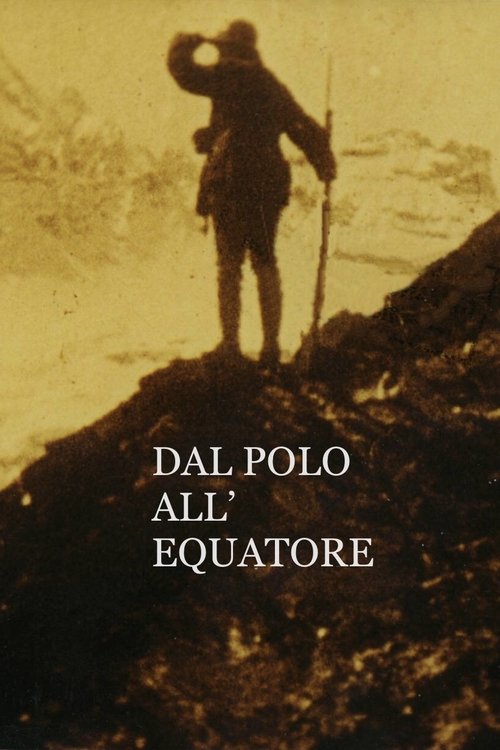
The title Dal polo all'equatore was first used by the pioneering documentary maker, Luca Comerio, for a compilation film of 1925; it was used again by Yervant Gianikian and Angela Ricci Lucchi for their film of 1985. Much of the original has been re-worked: the 'found footage' has been re-shot, slowed down, tinted, and re-edited with a sound track of minimalist composition. As a result, the exotica of colonial travel and sport take on new and sinister meanings. The acts of violence, especially those of hunting, recur in patterns that suggest visually that war is a logical development. A close examination of the work, starting with the opening sequence of a railway journey, explores the centrality of questions of memory and history to this remarkable and influential film.
From the Pole to the Equator
From an undated notebook, circa 1935-1938. A group hunt and film in Camballa, along Nashik’s Gipsies Road. Maharashtra, India.
Electric Fragments No. 8 - Shooting Party
In 1926 the remains of two ships built by the Emperor Caligula were found at the bottom of Lake Nemi, near Rome. Mussolini had the lake drained and established a museum as a celebration of the imperial origins of Fascism, but the museum and ships were destroyed by fleeing Nazis in 1944. The film commemorates these events. - MoMA
Lo specchio di Diana
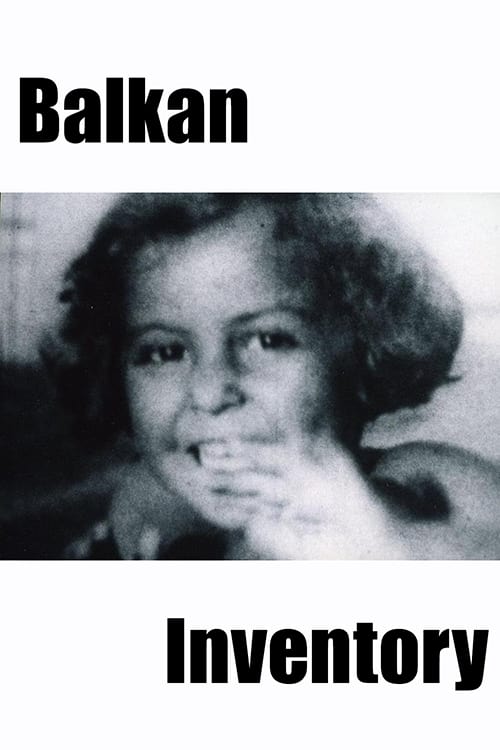
Comprised of images shot by amateur photographers and German soldiers in the Balkans from the twenties through the forties, BALKAN INVENTORY was begun by Gianikian and Ricci Lucchi in response to the tragedy unfolding in the former Yugoslavia.
Balkan Inventory
Russia, its culture and conflicts, the 1920s and 1930s, the avant-garde movements persecuted by the authorities. Gianikian and Ricci Lucchi open the precious workshop of their creation to us: old films, photographs from the Tsarist era, the Russian Revolution, and the years that followed, Angela Ricci Lucchi's watercolors, comments, texts (Chekhov, Anna Akhmatova, Nina Berberova, Tolstoy, Shklovsky, Pushkin, Mandelstam), fairy tales for children. And then the figures encountered during their travels in Russia, “living archives” to whom the two filmmakers want to restore presence and voice. In this way, we discover the materials that feed their new film, in preparation, "Journey in Russia" (2017), making this, as the suffix of the title indicates, "A propos de," "About," a sort of catalog. Gradually, however, these notes acquire an autonomous dimension that encompasses a poetic universe: the intimate sphere of the artists.
À propos de nos Voyages en Russie
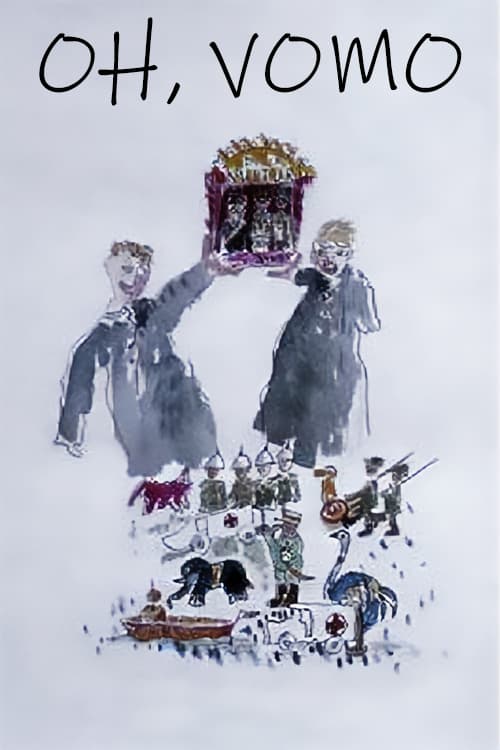
After Prisoners of the war and On the Heights all is Peace, this film concludes Yervant Gianikian and Angela Ricci Lucchi's trilogy on the first world war. From the emblem of totalitarianism to individual physical suffering, the directors use this representation of man's rampaging violence to draw up an anatomical inventory of the damaged body and examine the consequences of the conflict on children, from 1919 to 1921. From the deconstruction to the artificial reconstruction of the human body, they try to understand how humanity can forget itself and perpetuate these horrors.
Oh! Man
No description available.
Ti rigalero il mio ultimo respiro
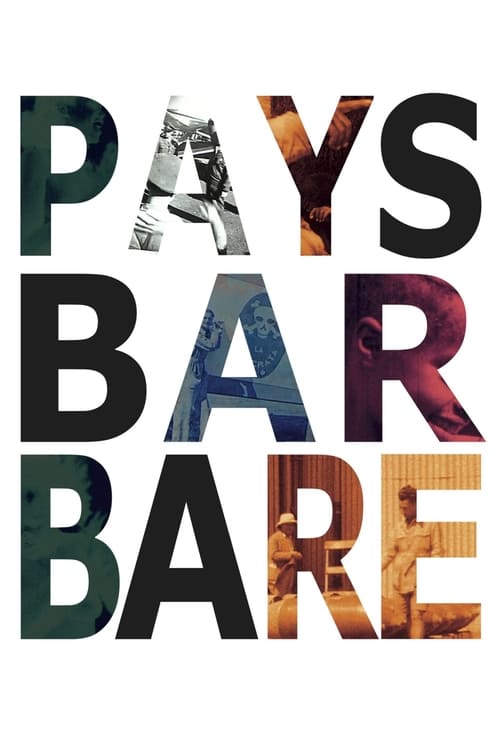
Milan-based duo Yervant Gianikian and Angela Ricci Lucchi create an astonishing work of militant poetry with this found-footage chronicle of Mussolini's brutal invasion of Ethiopia.
Barbaric Land
In this short film, screened and commissioned by the Centre Pompidou in Paris, Gianikian and Ricci Lucchi revisit regions at war or in crisis through archive images of the 20th century.
Où en êtes-vous, Yervant Gianikian et Angela Ricci Lucchi?
1978, Afghanistan before the wars. Kuchis (Roma people) move toward Bamian. The caravan is a living creature.
Electric Fragments No. 7 - Gypsies Toward Bamyan
No description available.
Cataloghi - Non è altro gli odori che sente
The couple of filmmakers traveled to Armenia in 1988 to film the upheaval of the USSR in the country. During their trip, an earthquake struck, a fatal echo of the political earthquake.
Terremoto
A silent, elegiac poem describing the pain and violence of war, made from footage shot at Sarajevo in 1995, Belgrade in 1996, and Zagreb in the 1980s, and incorporating archival footage from WWI. - MoMA
Nocturne
For this sixth film in the series Electric Fragments. Gianikian and Ricci Lucchi recover and rework images they shot in 1989, stolen from various Festa dell'Unità celebrations in Emilia and Romagna on the eve of the fall of the Berlin Wall.
Electric Fragments No. 6 - Diary 1989. Dancing in the dark
No description available.
Vladimir Propp- Profumo di lupo
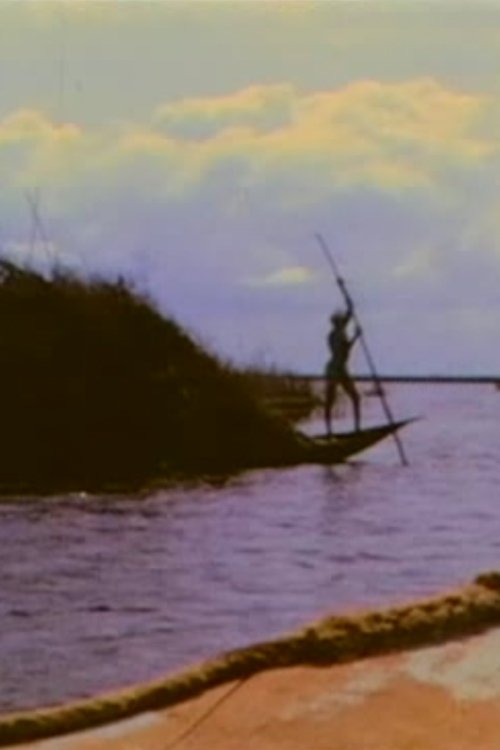
This archive footage from the 1970s reveals the social upheavals and differences of the people in different Asian and African countries. The amateur shots reflect the social and economic conditions in these countries before their development as tourist areas, or before its people were afflicted with devastation and wars. The images are indifferent to a suffering they don't yet seem to know, and which has to be viewed anew with the knowledge and distance of today.
Electric Fragments No. 5 - Africa
No description available.
Catalogo n. 3 - Odore di tiglio attorno alla casa
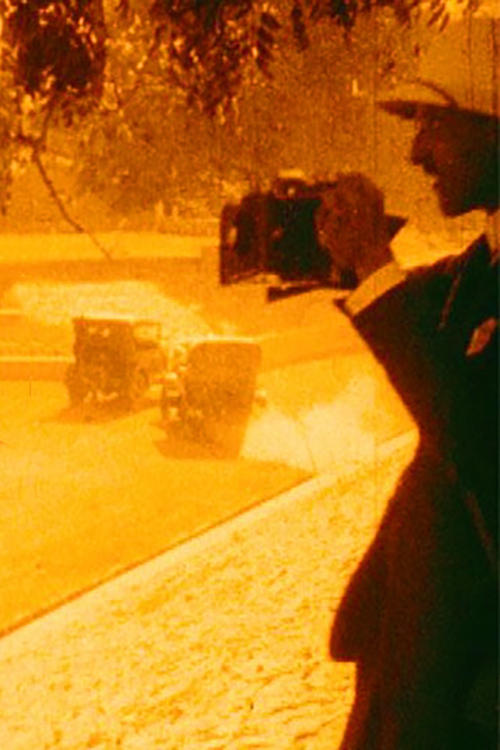
Working from archives of private film footage from a trip to India by the upper class of the late 1920s, a period of strong anti-colonial outbreak, Yervant Gianikian and Angela Ricci Lucchi deconstruct the images and analyze the attitude and behavior of Westerners in the East.
Images of the Orient - "Vandalic Tourism"
No description available.
Essence - Di una personalità limitata al senso dell'odorato
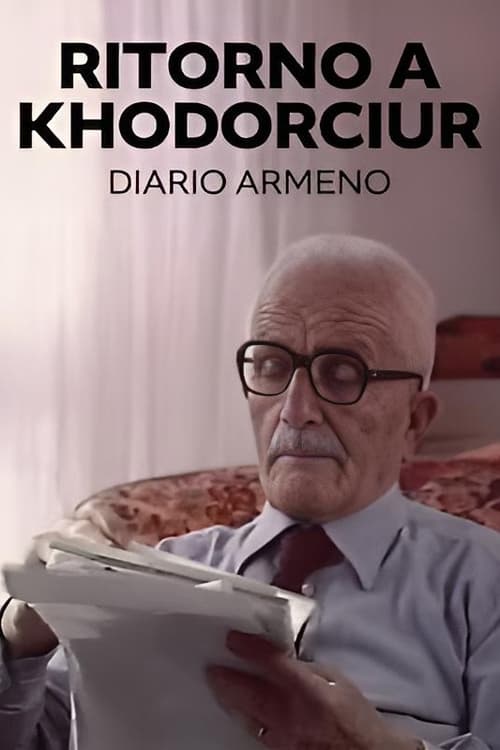
Raphael, Yervant Gianikian's father, survived the Armenian genocide in 1915 in Eastern Turkey. In April 1988, while living in Venice, he sat for his son's camera and read an excerpt from his memoirs, translated from Armenian into Italian.