Acting
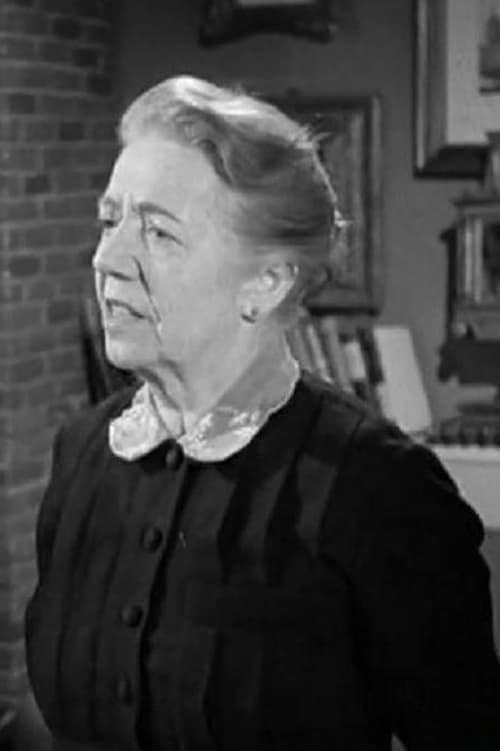
María Francés was a Spanish stage, film and television actress.
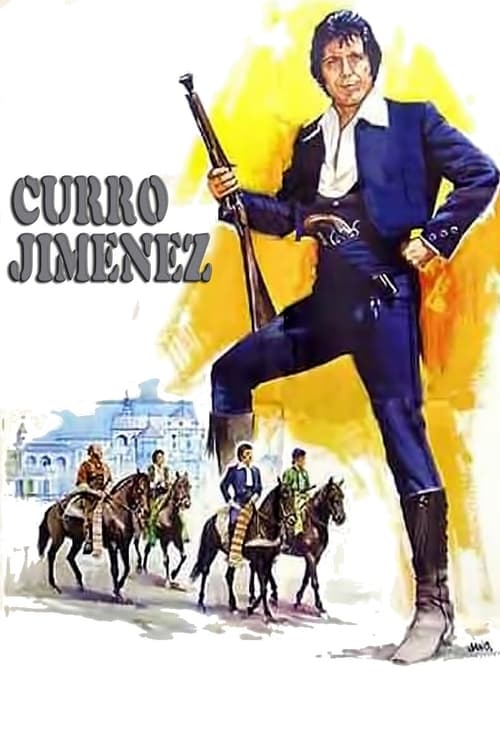
Curro Jiménez was a successful Spanish TV series that aired on TVE1 from 22 December 1976 to 1979. Its main theme was Andalusian "bandolerismo" in the 19th century, located in the Ronda mountains. The main characters were four bandits, Curro Jiménez
Soledad is a famous singer who, one fine day, decides to turn her life around and enter a convent to help others. The press and her family are baffled: now, the great figure of Spanish singing has become Sister María de la Asunción and works caring for the sick in a hospital that has serious financial problems. At first, everything is difficult, but the intrepid nun manages to get ahead through courage and generosity.
No description available.
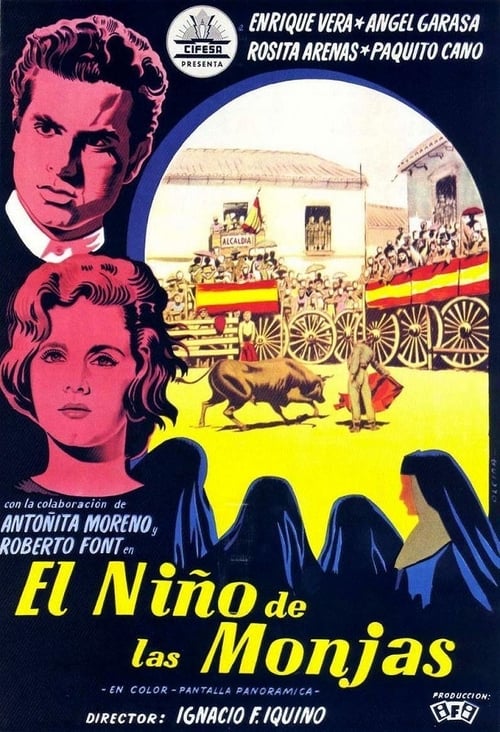
When a newborn baby is abandoned in a convent Andalusian Mother Superior decides to be the gardener who takes over from him. As the boy grows, manifest a decided vocation for bullfighting and, although his adoptive father did not endorse, struggle to achieve his dream.
In a small Spanish town, during the Christmas holidays, a group of rich old ladies organize a peculiar event that consists of inviting a homeless person to sit down to dinner at their wealthy table. Plácido, a humble worker, is hired by the organizers to participate in a parade with his three-wheeled vehicle, a seemingly simple mission that will not be easy for him to accomplish.
A tale of two families, the Mendozas and Alzagas, faced for generations by the water of a river separating their adjoining properties. Old grudges reappear when the two heirs fall in love.
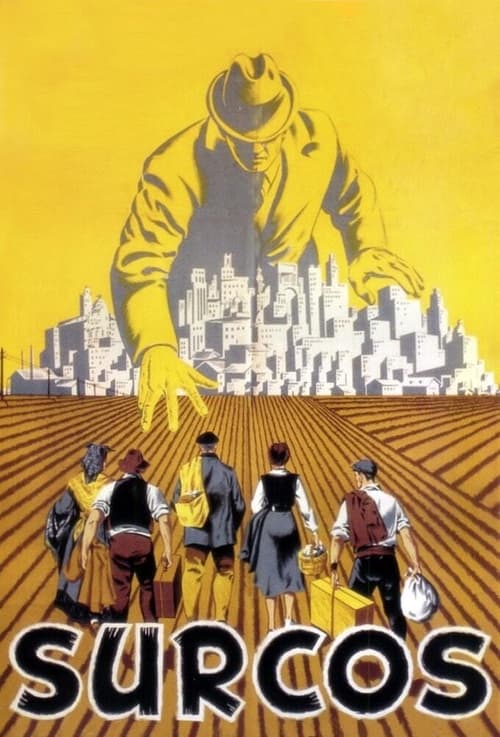
A farm family moves into a city maybe at the end of the Spanish Civil War. They move in with the sister of the farmers wife. In the city everything is illegal or immoral or both.
The bandit Kriminal by pure chance finds a fragment of a map in an old porcelain statue indicating the location of two precious paintings hidden by a notorious outlaw before he was executed. Kriminal immediately begins searching for the three other statuettes, similar to the one in their possession, containing the fragments needed to complete the map .
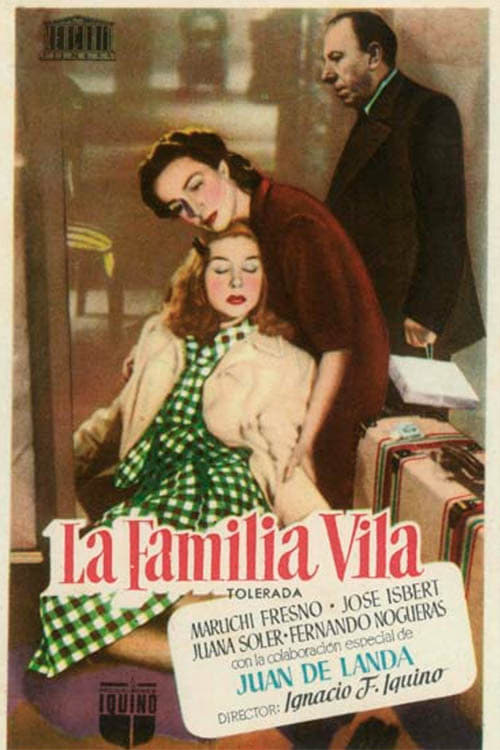
Mr. Vila is a family father who has worked a lot during his life to achieve a good life for his family. His oldest daughter, Elvira, causes him many problems because she acts as a rebel.
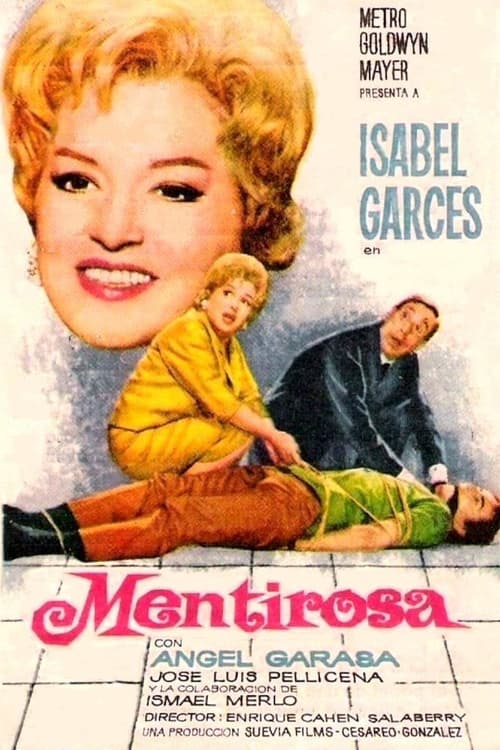
Nina, secretary of the lawyer Mr. Mendoza, is an imaginative liar. Because of her work, she has access to the will of an old millionaire who died naming as the sole beneficiary his daughter, the fruit of a love affair of youth. Only the millionaire's sister, the widow of Martiarena, knows who she is and where she lives. Nina decides to impersonate her and, to his astonishment, is recognized as the real daughter by the sister. But the housekeeper and the doctor of Mrs. Martiarena decide to resolve the situation.
Ana and Andres meet again after many years. They are no longer two youngsters, both are married with children. Andres insists, but Ana has trouble in forgetting what happened long ago, when he left without saying goodbye to go to Paris.
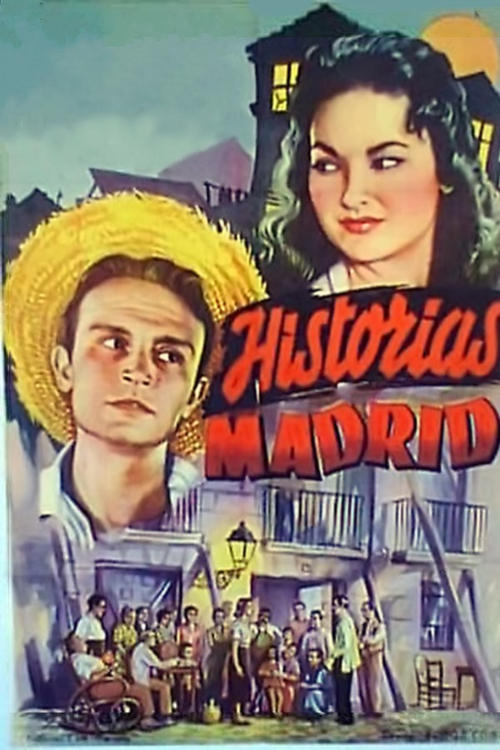
Dawn in Madrid. In the Plaza de la Cibeles begins the daily grind. The statue of the goddess, from its source in the center of the square tells the story of a man, petty speculator, owner of an old building that is going to ask Saint Nicholas for his cooperation to make it sink, and thus be able to lift a twelve-story modern building. But the inhabitants of the block have also implored the Saint to prevent this from happening.
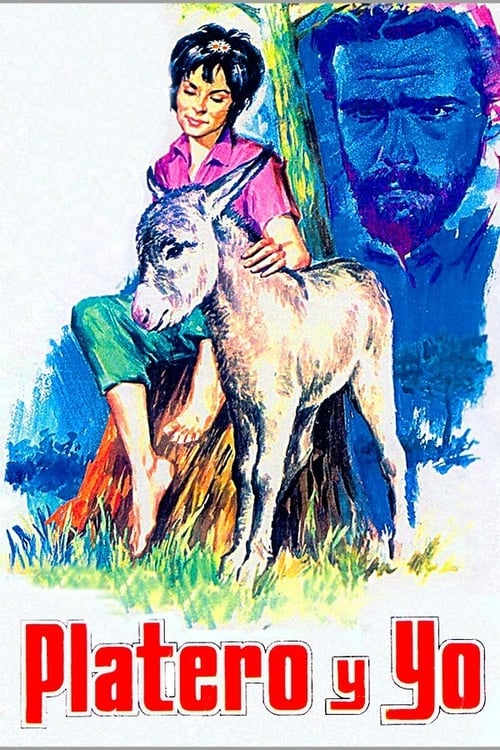
After a long period of absence, living in large and anonymous cities, a poet, Juan, returns to the village of his birth, Moguer, there he finds happiness through; the friendship of a small donkey, Platero, a free spirited girl, Aguedilla, and recalling memories of his childhood.
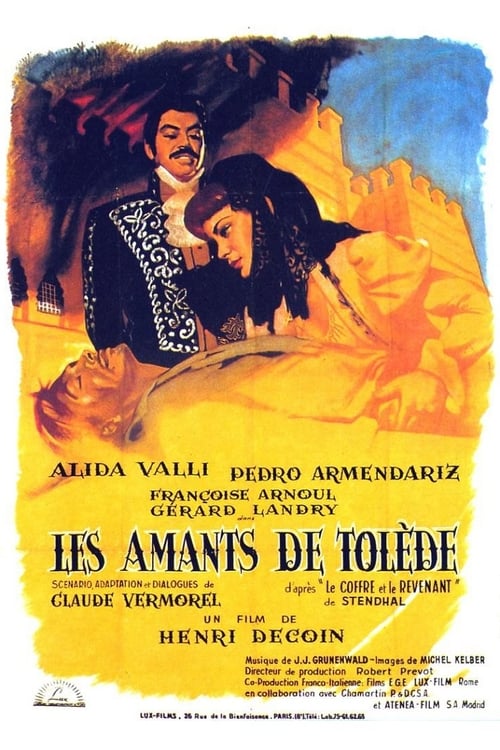
Toledo, 1825. To save her fiancé, an opponent of the regime, the beautiful Inès agrees to marry the chief of police.
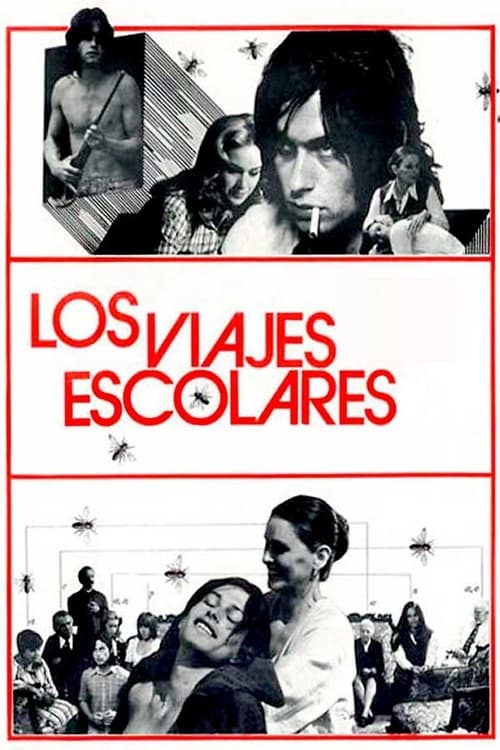
After completing his high school studies at the age of twenty-four, Óscar is an immature student, unable to afford alone his return to home during the summer season. Then he manages to convince Carlos, his young math teacher, to accompany him. Already in the family home, Óscar begins to behave in an increasingly unbalanced and irrational way. Meanwhile, his family will endeavor to see him as the reflection of the absent father figure.
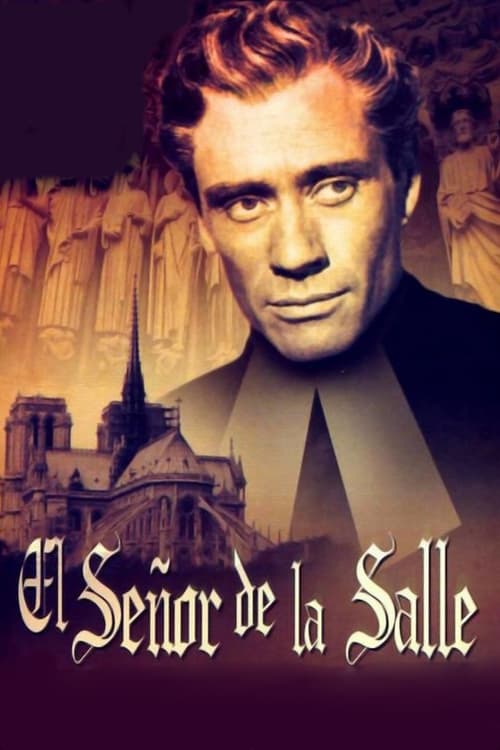
Biography of San Juan Bautista de la Salle , where the effort and hardships that this canon of the nobility had to overcome in order to offer universal and free education to children, his main devotion, in the time of Louis XIV, are appreciated.