Ana Maria Nascimento e Silva
Acting
Biography
Ana Maria Nascimento e Silva (Rio de Janeiro, April 12, 1952 - Rio de Janeiro, November 30, 2017) was a Brazilian actress. From a film, television and theater actress, Ana Maria Nascimento e Silva moved on to film production. Daughter of Greek Harry Anastassiadi, former president of Fox Film for Latin America, she graduated in art history and accumulated several extension courses in Europe. She made her film debut in Paraíso no Inferno (1977), a feature film directed by actor Joel Barcelos. From then on, she acted in a series of Brazilian cinema films, such as Film Thieves (1977), by Fernando Coni Campos, A Força de Xangô (1977), by Iberê Cavalcanti, Os Trombadinhas (1979), by Anselmo Duarte. , Sonho de Verão (1990), by Paulo Sérgio Almeida, and The third bank of the river (1993), by Nelson Pereira dos Santos, and even internationally, such as the Portuguese production Eternidade.
Known For

Os Trapalhões was a Brazilian comedy group and also a Brazilian television series created by Wilton Franco. Its members were Dedé Santana, Zacarias, Mussum and their leader Didi Mocó, that was played by Renato Aragão. The name Trapalhões is derived from the Portuguese verb atrapalhar, which means the opposite of helping, to do something the wrong way or to Those that confuse. The name is translated "Tramps" in English DVD subtitles. It was aired by Rede Globo from 1977 to 1999. On March 18, 1990, Zacarias died due to respiratory failure, but the group and the series didn't come to an end until July 29, 1994, when Mussum died due to an unsuccessful heart transplant.
The Trapalhões

A traffic accident causes four women's destinies to intertwine. In the series, the four enter a pact of revenge against the men who hit them and caused them to suffer. Auxiliadora struggled to help her husband Alcebíades prosper, but when he leaves her for a younger woman, is thrown out of the house. The shy Tatiana was engaged to Fortunato, who failed to show up at their wedding. The Babalu hurricane caught mechanic Raí in bed with another woman. Abigail, a preppy psychologist who is struggling in a failing marriage, decides superficially to continue it but revolts against her husband, Gustavo, who humiliates her in public at a congress. Gustavo has custody of Ângela, a girl who longs to know her true father, Bruno. Her mother died in the childbirth, traumatizing him.
Quatro por Quatro

No description available.
Zazá

No description available.
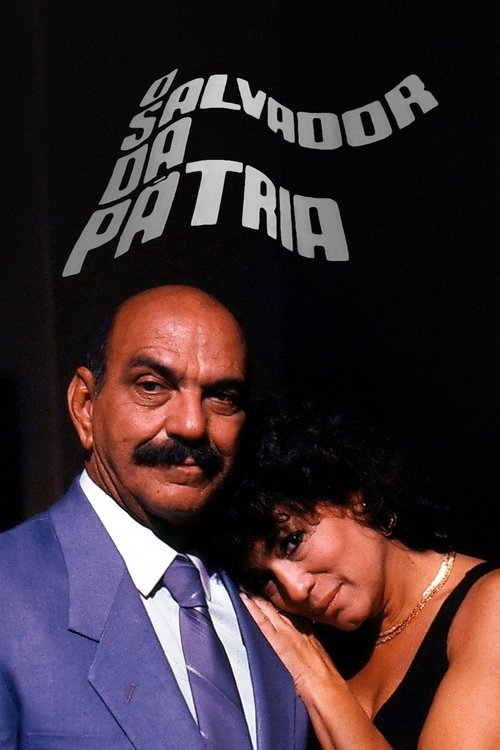
O Salvador da Pátria

No description available.
Araponga

No description available.
Cara a Cara

No description available.
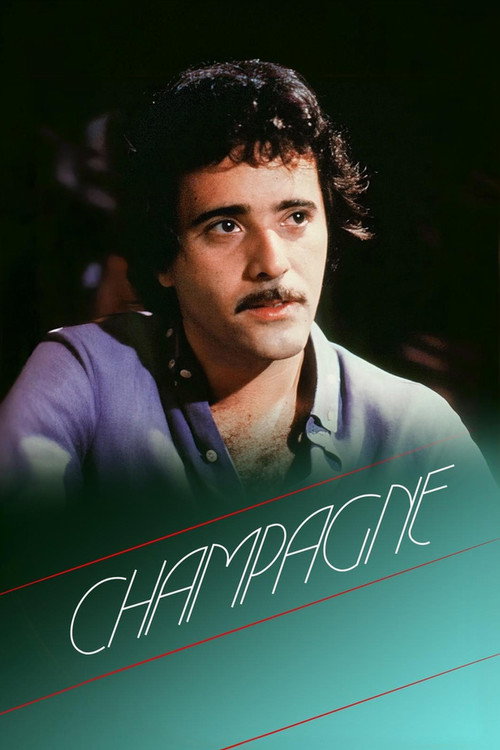
Champagne

No description available.
Nina

No description available.
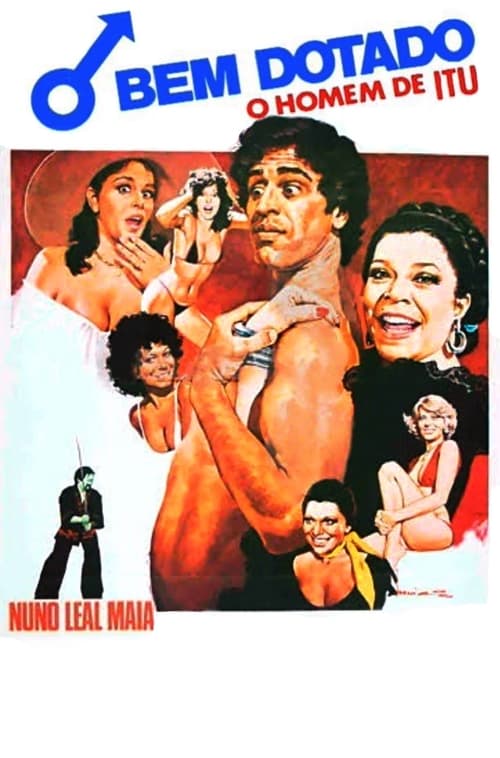
Gente Fina

Shy countryboy from Itu (a town in Brazil where everything is unusually big) is invited to work in the house of a rich woman, who ends up discovering the boy's hidden (and big) qualities...
Cocky
No description available.
O Cometa

No description available.
Tudo ou Nada

Famous soap opera actress finds out her sexuality after breaking up with her former boyfriend, an important TV executive.
A Mulher Sensual

Fortune takes four human beings to the last frontier of passion. There, where love becomes almost inhuman and divine. As if he was a comet, Rafael, the traveler, appears at the party for the cities patron saint, in a small town in the interior of Minas Gerais. He is the one who brings passion and crime, vanishing afterwards, leaving a poetic feeling in the air, which is always deadly to the ones who stay. Mrs. Ana de Lara, the proud rich widow, and Missy, still a child, whose beauty and innocence are like the Tiê-Sangue, a red bird, are the travelers victims. There is also Master Juca do Vale, a criminal, whose passion turns him incredibly human, in this story of love, death, forgiveness and resurrection.
Traveller

After assaulting a Hollywood film crew, a group of residents of a community in Rio de Janeiro decided to produce a film that would express the reality of Brazil - with the theme of Inconfidência Mineira.
Sweet Thieves

A religious comedy in 5 segments, illustrating maniqueism on Earth, as shown by movies. God and his son Jesus disagree on how to manage human life on Earth.
Assim na Tela Como no Céu

The film follows Manuel Maria du Bocage, 18th-century poet, as he travels through the world from orgy to orgy and from excess to excess.
Bocage, the Triumph of Love

São Paulo, late 30's. Alberto is an intellectual and professor who announces to his friend and pupil Polidoro he won a scholarship to study in Paris. In Paris Polidoro receives a letter in which Alberto announces that he married Helena. Polidoro returns to Brazil in 1945, when there was a strong political agitation against the New State. Alberto invites Polidoro to spend a few days at his home in Campos do Jordão. After reaching the site he is told by Helena that Alberto was forced to travel urgently. She insists he should stay there until the return of her husband and, while waiting, she seduces him. Then, after several days of intense passion, she orders Polidoro to go away and never see her again.
Ao Sul do Meu Corpo

Grieved over the loss of their daughter, an elderly couple has decided do spend their vacation travelling around Europe. The cab driver who takes them to the airport, Leo, overhears their conversation and decides to profit from their situation: Leo convinces the couple's staff he's their nephew, and invites his friends and girlfriend over for a special summer. Things go awry when his friend Marcelo arrives with a bus full of teenagers, who believe the mansion is actually a summer camp.
Summer Dream

In São Paulo, a businessman wants to rehabilitate street children, called "trombinhas", through a social project. After being discouraged by the police, he seeks help from the coach of the Santos Futebol Clube youth team.