Youcef Sahraoui
Camera
Biography
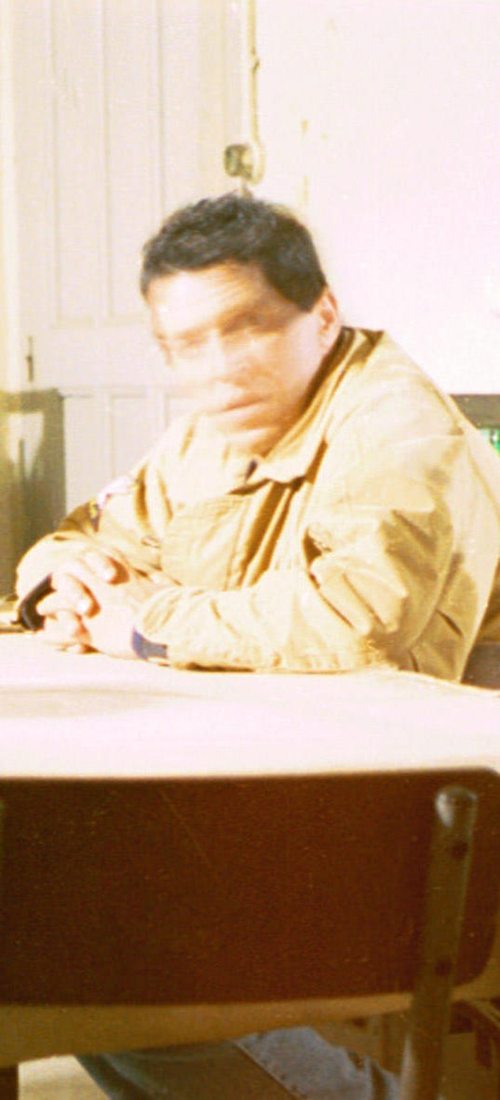
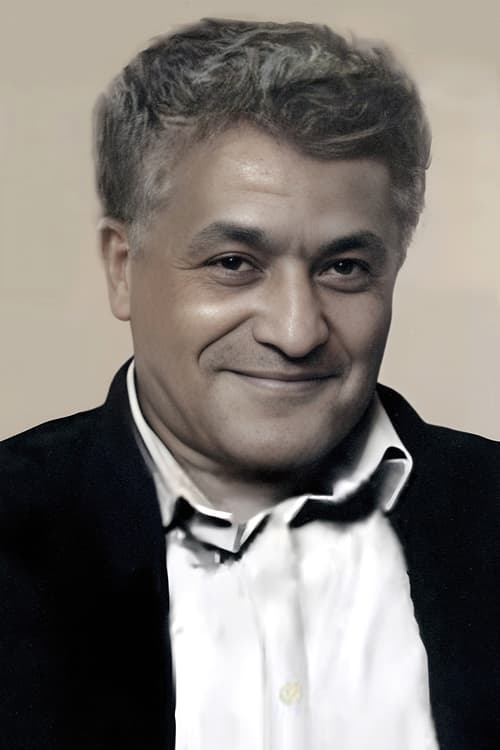
Youcef Sahraoui (يوسف الصحراوي), born in 1939 in the Casbah of Algiers, this former employee of the RTF joined the maquis in the company of a group of Algerian technicians from the company. While they were on their way to Tunis at the request of M'hamed Yazid, Minister of Information of the Provisional Government (GPRA), they were victims of the so-called "Bleuïte" executions, the famous manipulation operation mounted by the French secret services during the Algerian War, which consisted of putting into circulation lists of alleged collaborators of the French army. Youcef Sahraoui is the only survivor of the group whose victims, Ali Djenaoui and his companions, are declared "disappeared in the maquis". Arrested and imprisoned, released thanks to independence, he then joined the RTA. Youcef Sahraoui quickly distinguished himself as one of the best cinematographers in the country. His filmography includes a large number of films, for television and cinema, including La Nuit afraid du soleil (1965) and L'Incendie (1974) by Mustapha Badie, L'heritage (1974) by Mohamed Bouamari. , The Children of November by Moussa Haddad (1975), Aziza by the Tunisian Abdellatif Ben Ammar (Tun/Alg, 1980), Bouamama by Benamar Bakhti (1983), Wind of Sand (1982) and The Last Image (1986) by Mohamed Lakhdar -Hamina, and, on the eve of his disappearance, The Shadow of the City (2000) by the Lebanese Jean Khalil Chamoun and Father of Naguel Belouad. Rachid Bouchareb, who asked him for Cheb (1991), followed by Poussières de vie (1994), a film nominated for the Oscars, and L'Honneur de ma famille (1997), dedicated Little Sénégal (2000) to him, including Youcef signed the photograph of the Senegalese side. Youcef Sahraoui himself directed a feature film The Silence of the Ashes (1975) as well as a soap opera La Gazelle (1991), both based on scripts by Kaddour M'Hamsadji. Youcef Sahraoui died on July 30, 2000 in Algiers of heart failure.
Known For

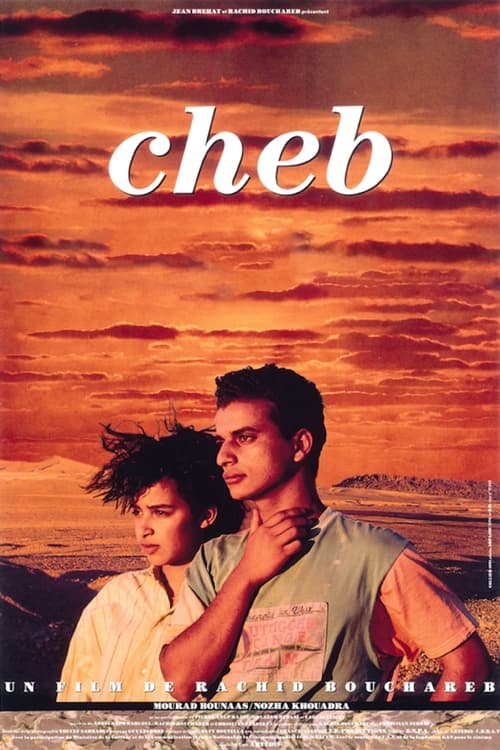
After a conviction for theft, Merwan was expelled from France, where he had lived since the age of one, to Algeria, his country of birth. In a foreign country of which he knows neither the language nor the customs, he finds himself stripped of his belongings and on the street.
Cheb

No description available.
Télé Ciné Club

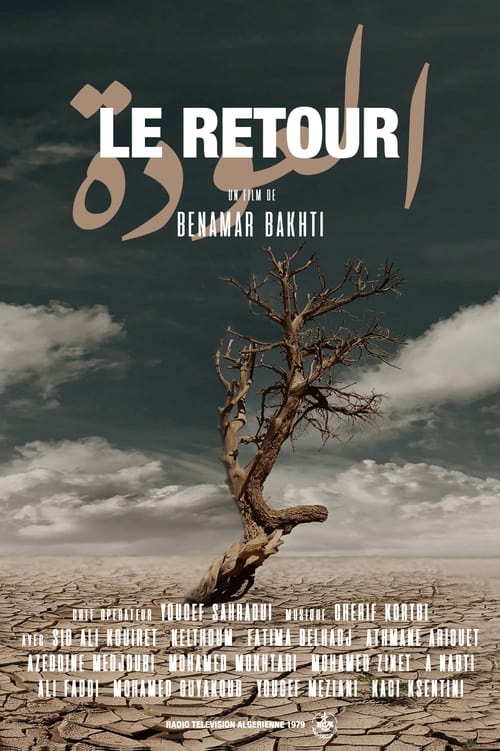
In the early 1970s, Lakhdar, an Algerian peasant, is forced to leave his desert land and his family for France, but immigration weighs on him and he dreams of returning. This day arrives, he walks in Paris, events decide otherwise.
Le Retour

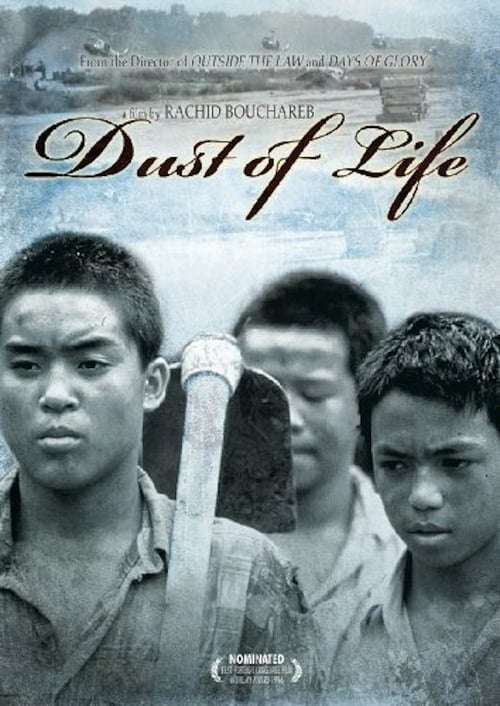
Based on a true story, after the US withdrawal and the fall of South Vietnam to the communist forces in 1975, many people are sent to reeducation camps. Several desperate boys in one of the camps begin planing their escape.
Dust of Life

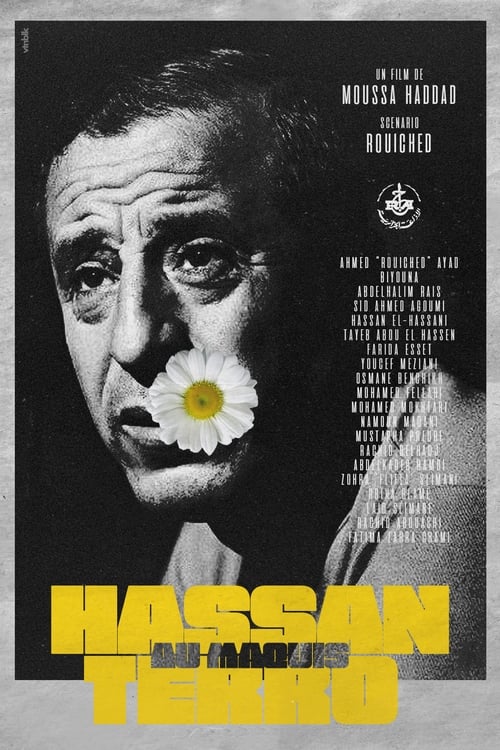
While trying by all means to stay out of the bloody turmoil caused by the Battle of Algiers, Hassan, an honest and naive family man, is wrongfully accused of terrorism by the French colonial army in "Hassan Terro." After escaping in "The Escape of Hassan Terro," Hassan is forced to join the resistance in "Hassan Terro in the Maquis."
Hassan Terro au Maquis

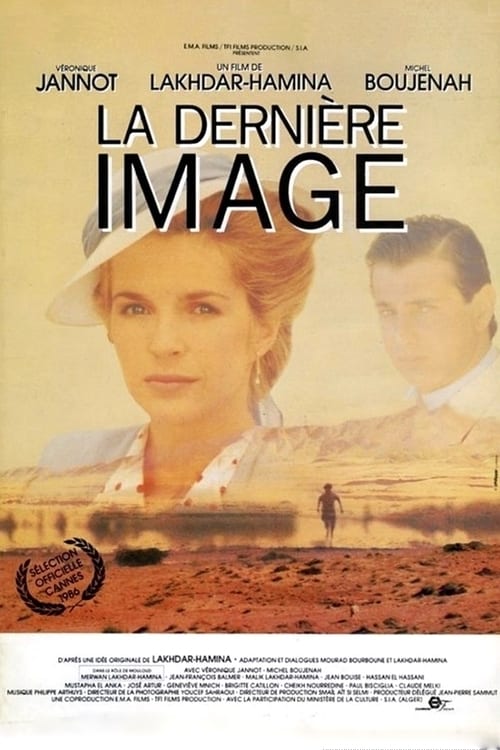
Seen through the filtered lens of boyhood memories, award-winning director Mohamed Lakhdar-Hamina crafted this half-fictional, half-autobiographical account of a brief period in the history of an Algerian village. It is 1940, and the quiet town is ruled by French colonialists appointed by the Vichy government. Algerians are being called up for service in the Vichy military, and Jews in the village are in danger of deportation. A beautiful young schoolteacher named Claire Boyer (Veronique Jannot) arrives in town and turns every male head within miles, including 14-year-old Mouloud (Merwan Lakhdar-Hamina, the director's son). Simon Attal (Michel Boujenah), a fellow teacher and a Jew, is also attracted to Claire, and so is Mouloud's older brother. Suddenly two murders occur in the village, Simon is in danger of being deported, and the tone shifts from the dreams of boyhood to the realities of manhood.
Last Image

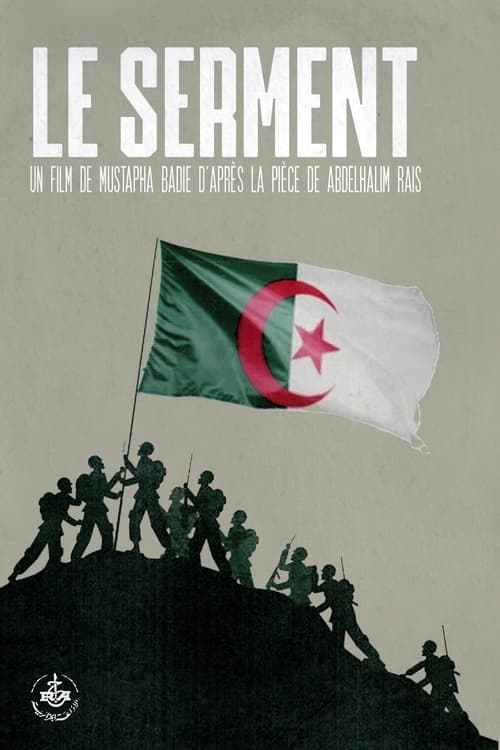
The Oath, a TV film produced by Algerian television in 1963 following the end of the war of independence, tells the story of young Algerians who joined the resistance after the bloody repressions of May 1945 in Constantinois by the French colonial army .
Le Serment

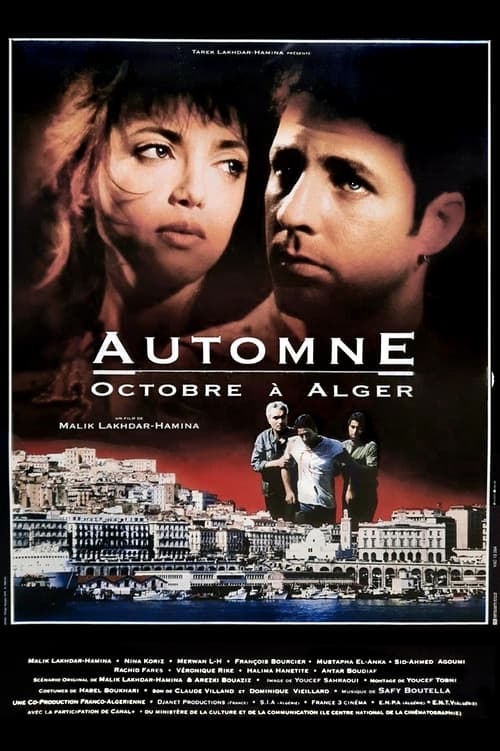
The story of a family in the instability and violence that shook Algeria during the riots of October 1988 in the midst of the rise of fundamentalism and intolerance, disappointments and prohibitions, corruption, nepotism and abuse of power. On October 5, 1988, young Algerians occupied the streets... Afterwards, Algeria would plunge into the chaos of the Black Decade which would last more than ten years and leave more than 150,000 dead.
Autumn, October In Algiers
Inspector Tahar conducts one of his investigations in an inn...
L'inspecteur Tahar L'auberge du Pendu

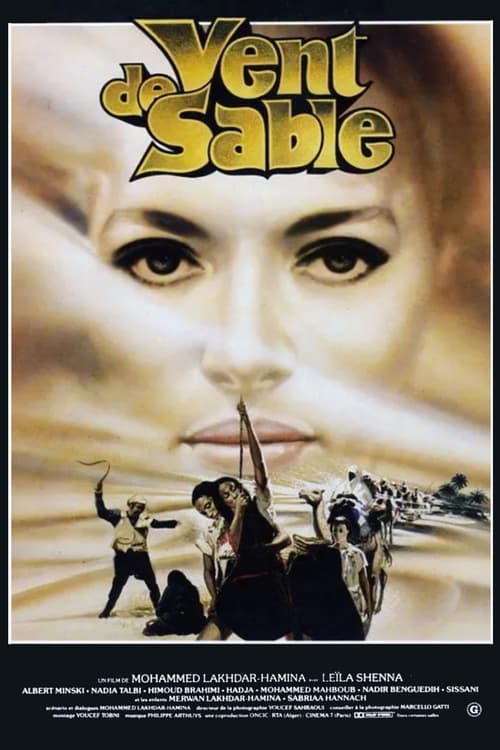
Seen right through the sandstorms that rack the lives of a tribe living on a desert oasis, is a subtle and not-so-subtle mistreatment of the female members of the tribe - tribal chiefs have the right to be the first to deflower virgins, and single or widowed mothers must walk a narrow line of behavior restrictions that do not apply to their male counterparts. Both genders, however, fight the brunt of the harsh desert winds together.
Sandstorm

27 years after 1962, Antoine returns to Algiers...
Elli Fat Mat

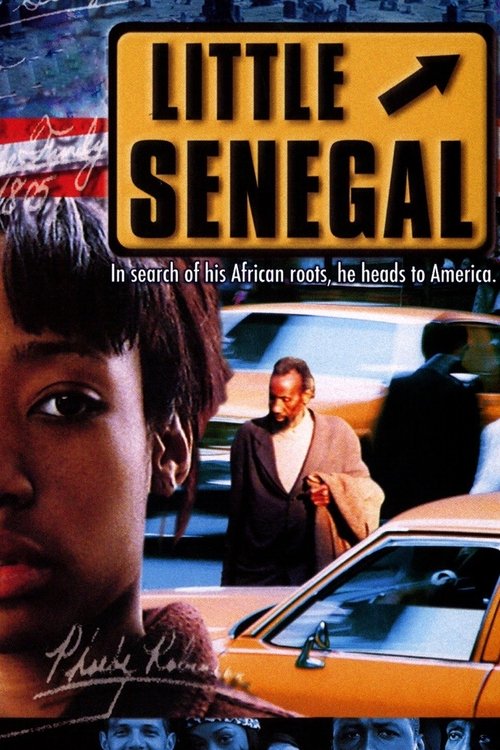
Fascinated by the history of his people, Alloune, an old guide at the African museum "La Maison des Esclaves" in Gorée, sets off on a pilgrimage to find the descendants of his ancestors in the United States. This moving journey takes him from the coast of South Carolina to the Harlem neighborhood of Little Senegal, home to the African community. Driven by the idea of reuniting his family across centuries and borders, Alloune traces his roots to a distant cousin, Ida, who knows nothing of his past. The old man also crosses paths with his nephew Hassan, a clandestine cab driver, his fiancée Biram, Eileen, pregnant and a runaway, and Karim, who is seeking a sham marriage to obtain a green card. All four misunderstand Alloune's quest.
Little Senegal

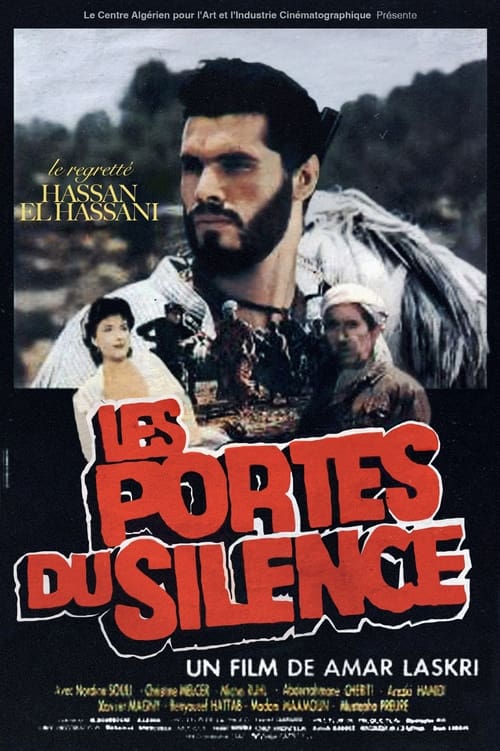
In 1955, what was known as the "Algerian War" gradually escalated into all-out war, and the French army inexorably transformed into a soldiery accustomed to colonial humiliation and massacres. Amar is a young deaf and mute man who wants to join the resistance, but he is rejected because of his disability, despite all the training he received from his father, who was an expert in hunting and horses. The raid on his village, which he watches helplessly, drives him to seek revenge, he who had until then been locked away in "The Gates of Silence."
Gates of Silence

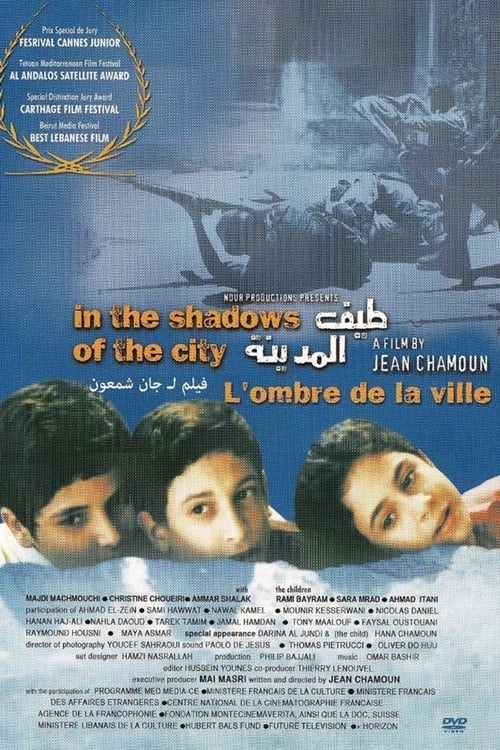
To escape the civil war between Christians and Muslims, a Lebanese family moves from the countryside to Beirut, only to find themselves caught in an equally dangerous situation
Taif Al-Madina

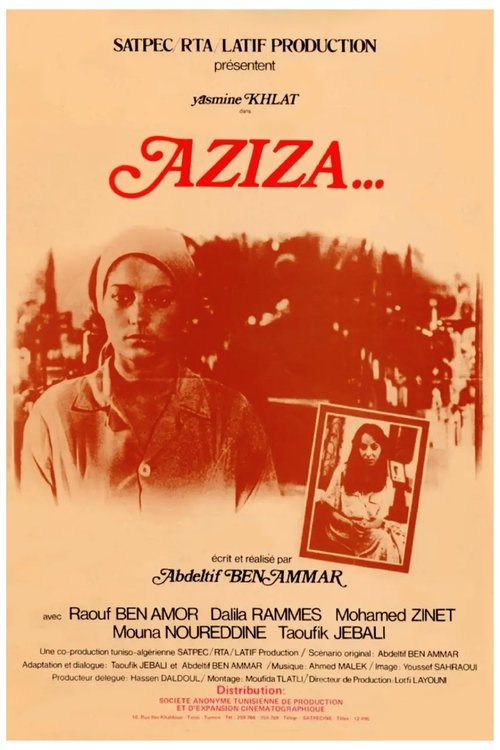
Around 1980, in Tunisia, Si Béchir, an old craftsman, sold his house and left the medina of Tunis with his family to settle in a new city on the outskirts of the capital. With his son Ali and his niece Aziza, the old man discovers a new way of life in a Tunisia in full change. Aziza becomes friends with Aïcha, a young actress, while Ali continues to fail in his little businesses. The arrival of a sheikh from the Persian Gulf will fuel all the desires in the city, including those of Ali. But the dream is short-lived.
Aziza

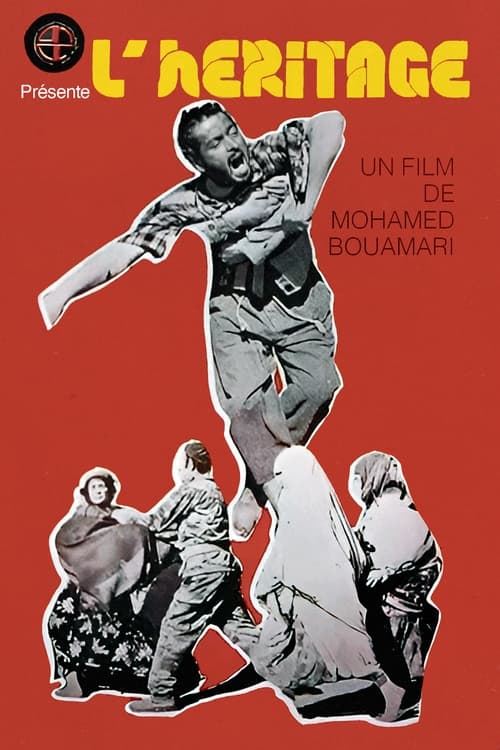
A harrowing picture of the heritage of colonialism, focusing on a man driven mad by torture but saved by his wife, who restores his sanity and leads the progressive forces to rebuild the village.
The Inheritance

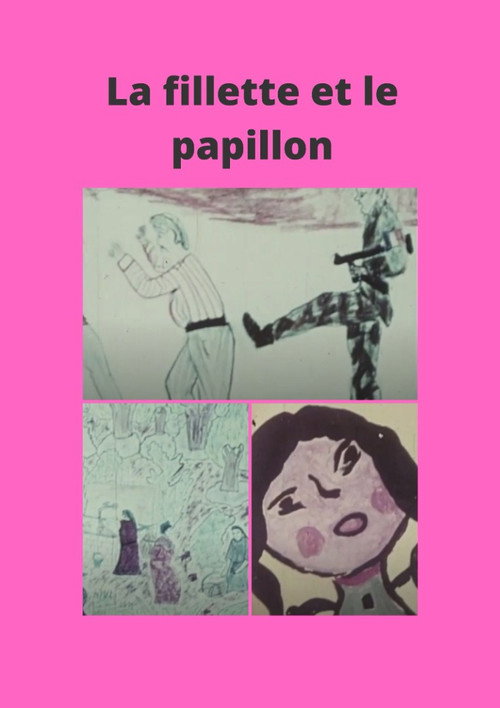
No description available.
La fillette et le papillon

“Algerian kid wants to go looking for the father he doesn’t know in Marseilles. Meandering between fantasy and reality, Belouad creates a convincing picture of the terrifying situation in Bejaia and the bleak outlook in Marseilles.” - MUBI