Acting
No description available.
Millionaire Roberto Albuquerque runs over Maria Cristina, and the two fall in love. But the young man's mother, Viridiana Albuquerque, disapproves of the relationship because the girl is poor. In the final chapters, already driven mad, Viridiana sets her own dress on fire.
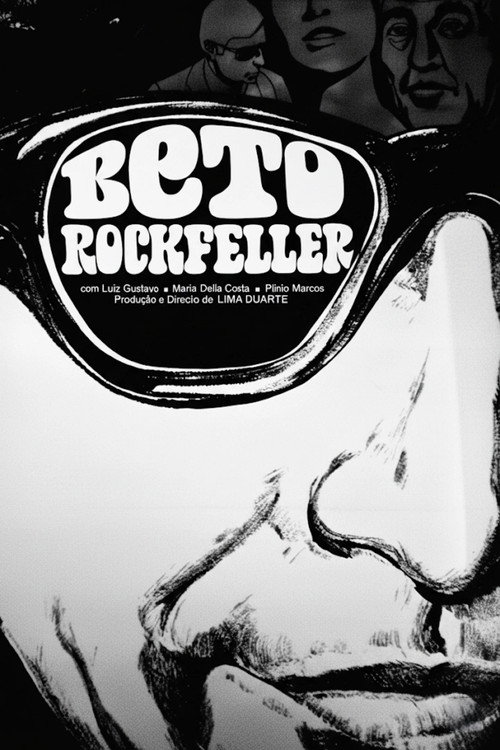
Albert, the Rockefeller is a Brazilian telenovela produced by TV Tupi and aired from November 4, 1968 to November 30, 1969. It was created by Cassiano Gabus Mendes, written by Bráulio Pedroso and directed by Lima Duarte and Walter Avancini.
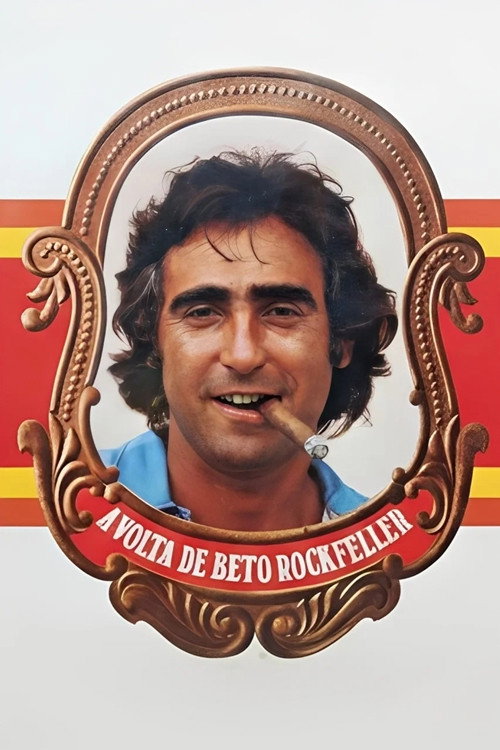
The big shot Albert returns after three years, reuniting with his family — his parents and his sister. And he gets in touch with some acquaintances, such as his old friend Vitório and a decadent high society woman. And once again Albert, the Rockefeller gets involved with millionaires and opportunists.
After a fall, intelligent young Plácido becomes a little slow. As an adult he works at a bank and his keen intelligence returns when he drinks the soft drink "Super Plá". Other side stories include the love relationship between Baby Stompanato and Joana Martini, and the life of Majô Prado, a neurotic millionairess and prominent personality living in São Paulo.
A man remembers forty-eight crucial hours in his life when, as a child, he visited his mother, the favorite woman of an important politician, in a bordello owned by him, right before some important political changes in 1937 Brazil. In those hours, he discovers his own sexuality.
The miniseries portrays the greed for money, power and prestige through the rise and fall of Alex Torres, a consequence of the schemes of the unscrupulous banker Frederico Scorza.
Daniel is a psychic who can see the past and predict the future. As a child, he had a vision that his brother-in-law, João Henrique, was cheating on his sister, Ester, which led her to separate from her husband. As an adult, his psychic abilities increase and Daniel uses them for his own benefit, rather than to help people. He sets up a practice and appears on TV, becoming famous and known as “the Prophet.” Daniel begins to grow rich, important, and cold.
A succession of modern songs, from Iê-iê-iê to Bossa Nova, mix with the record of the tastes and customs of the youth of the time.
Aimless Bohemians are encouraged to find their salvation in Arbeit (Work) in this propagandistic Nazi era German production.