Hélio Silva
Camera
Known For

The youngest daughter of a rich man has been raped by five black men in the slums of Rio de Janeiro, and her father arranges her marriage to one of his employees in order to save the family’s honor.
Cute But Ordinary
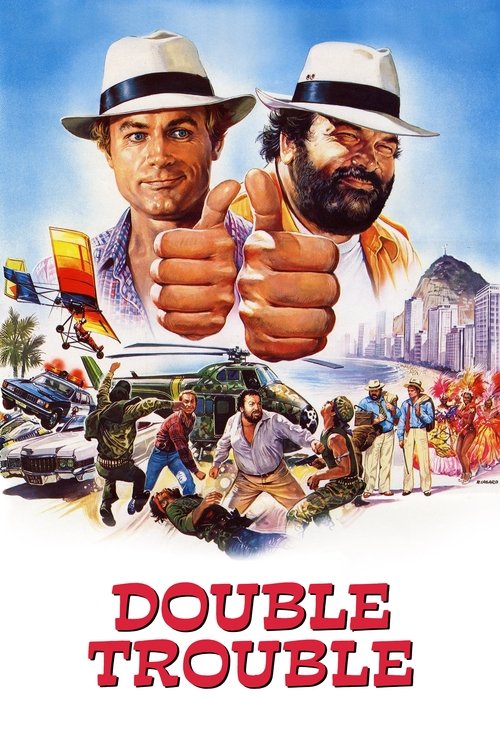
A stuntman and a saxophonist stand in for two billionaires threatened by killers.
Double Trouble
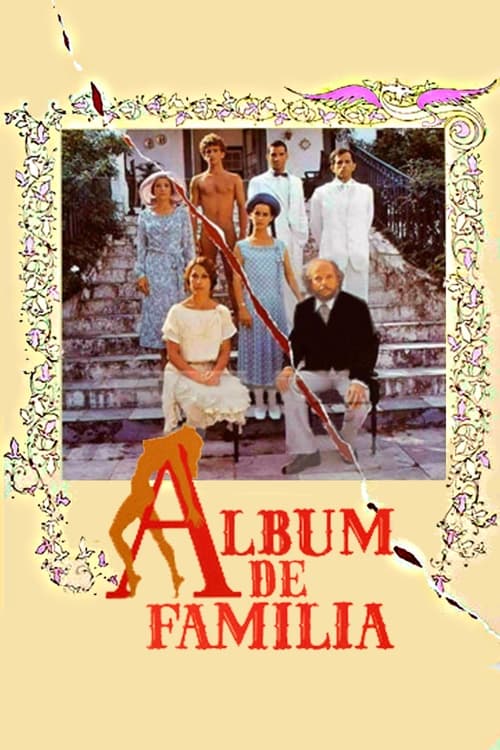
Follows the decadence of an incestuous oligarch family in a rural Brazilian household through the years during the early 20th century.
Family Album
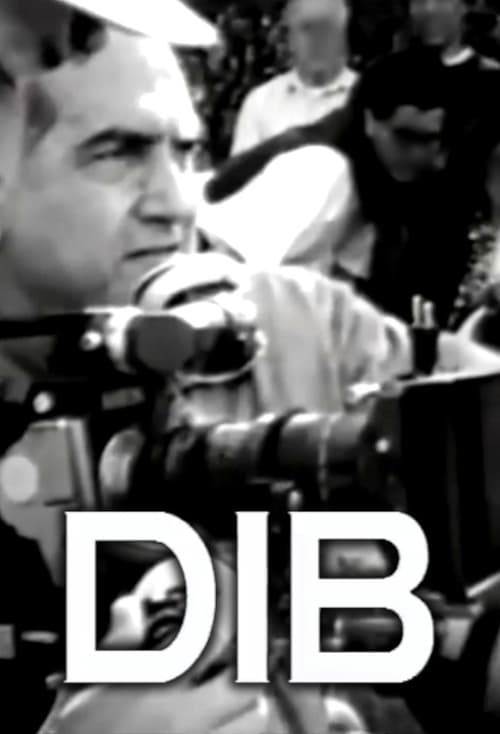
Documentary that addresses, through the testimony of directors and actors, the work of Dib Lutfi, considered one of the greatest photographers of Brazilian cinema.
Dib
A shockingly irreverent follow-up to the rural austerity of Barren Lives, dos Santos’ Godardian social satire owes more than a nod to the self-conscious antics of the French New Wave. The pampered son of a general, El Justicero is a hipster playboy who fancies himself a James Bond/Jean Paul Sartre urban hero. “Archetypical” yet “full of contradictions,” he sees that justice is achieved for the disadvantaged while taking advantage of certain bourgeois perks. His exploits are closely followed and eventually directed by his biographer who decides a film is not only more lucrative than a book, but it gives him the luxury of reviewing previous scenes. Unlike Bond, El Jus eventually experiences an awakening which threatens to compromise the entertainment value and glamour of his life story. - Harvard Film Archive
El Justicero
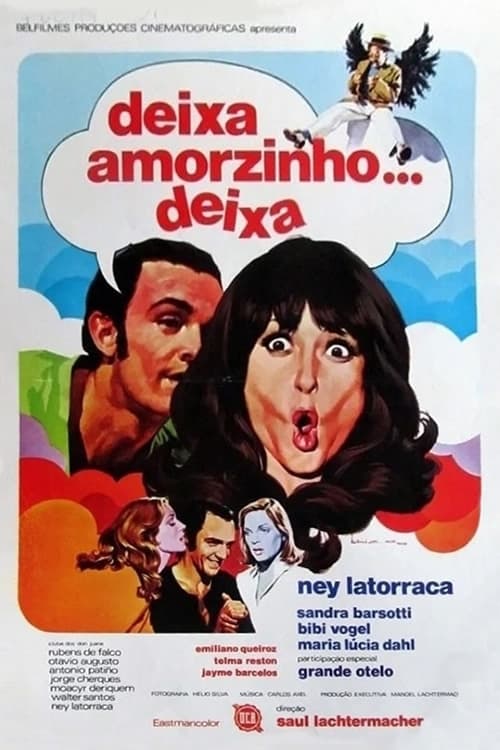
Dino and Dalmo are twin brothers. Dino is very shy, and the other, the opposite: a true Don Juan. When Dalmo dies, after being shot by a furious husband, he is received in heaven by a Club of Don Juans. But, in order to be admitted, he must go back to Earth, incarnated in his brother's body, and correct three mistakes he had made in his previous life.
Deixa, Amorzinho... Deixa
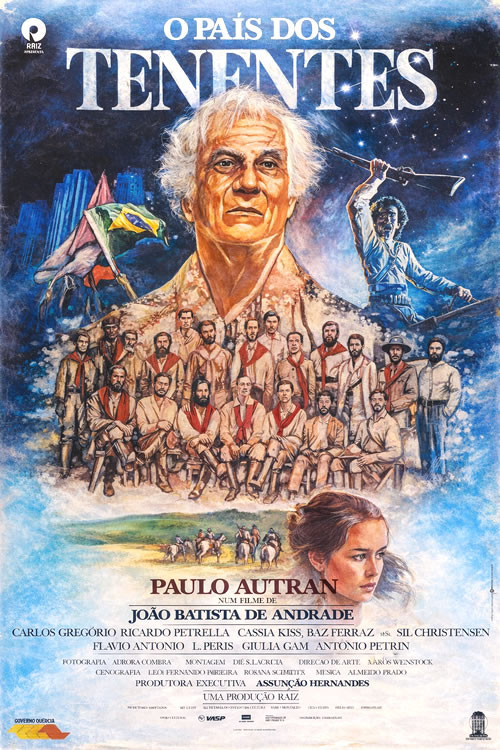
With death getting near, a retired officer remembers the most important passages in his life and his participation in historical events in Brazil, such as the Lieutenants' Movement, and the 1964 coup.
O País dos Tenentes
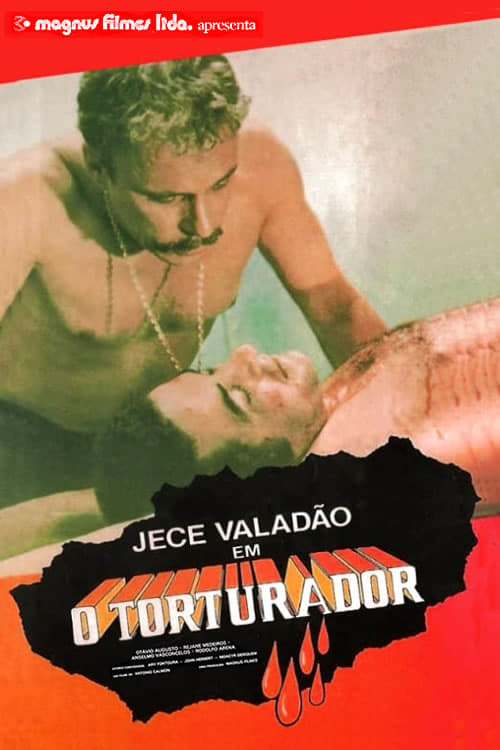
Zionists hire a hitman to kill a Nazi war criminal exiled in a Latin American country, where he's being protected by the local dictator. Get ready for gunshots; sex scenes; strange form of tortures; a cocaine-addict priest who helps the dictatorship; contemptous remarks and behavior from the main "hero"; amusing sequences of Chuchu having fun with beautiful women pretending to be James Bond; and the wimp colonel who is in love with a male prostitute. It's all good and fun to watch but remember that this is a product of its era, so it's quite possible to see some objectionable things. But for the most part it's never crass or insanely offensive.
The Torturer
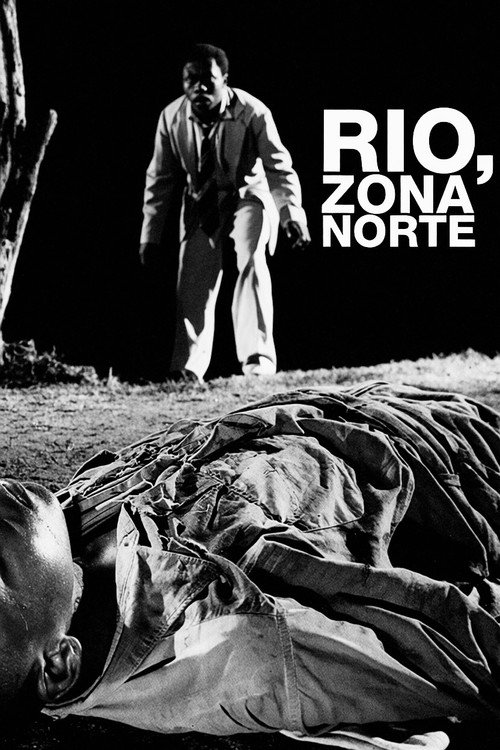
A talented songwriter of sambas is forced to face the social injustices of the city around him.
Rio, Northern Zone
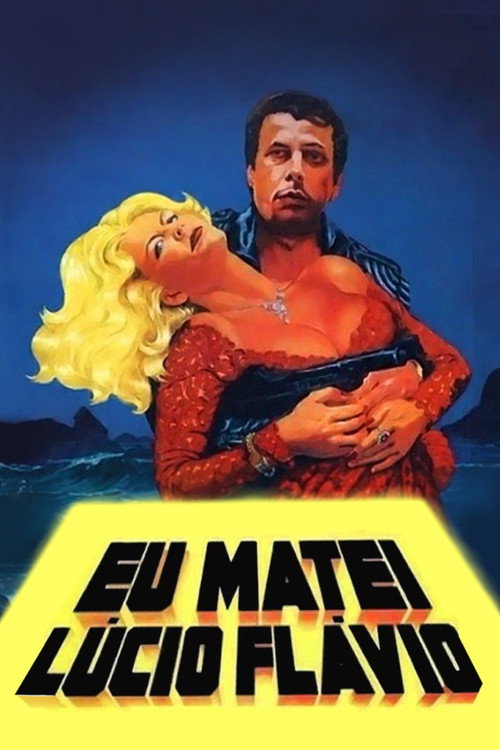
In the early seventies in Rio de Janeiro, detective Mariel Moryscötte de Mattos belonged to a special police force called "The Golden Men". This powerful group of the elite of the police was created with the intention of eliminate crime from Rio de Janeiro, and they had privileges above law to expedite their action against the outlaws. However, absolute power in wrong hands corrupts, and this group formed the "Death Squad", executing criminals without the conventional trial from the justice.
I Killed Lucio Flavio
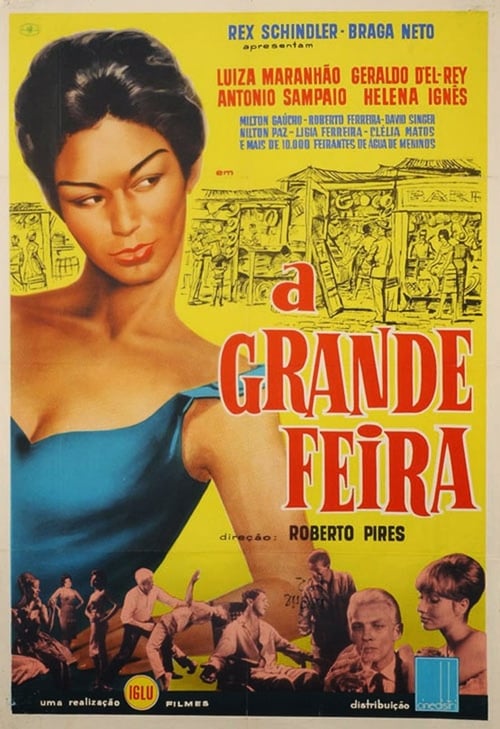
The naive sailor Ron arrives in Bahia to visit the famous Água dos Meninos street market. There, however, he is passed behind by the prostitute Maria, lover of the bandit Chico Diabo, who stabs him. He, however, can't forget her.
A Grande Feira
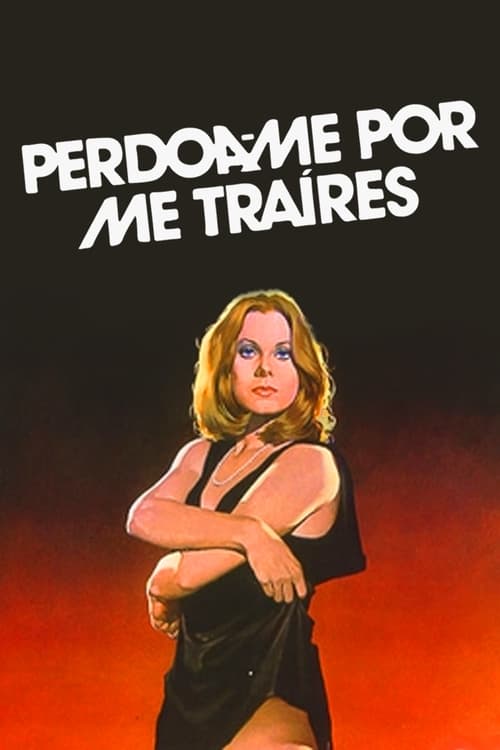
Glorinha, a middle-class 15 year old girl, always thought her mother Judite had killed herself, and that her father Gilberto has gone crazy as result. Her friend Nair takes her to a high-class bordello, where she wants to work. When uncle Raul, who raised her, discovers her prostitution, he decides to finally tell her all the truth about her parents' story.
Perdoa-Me Por Me Traíres
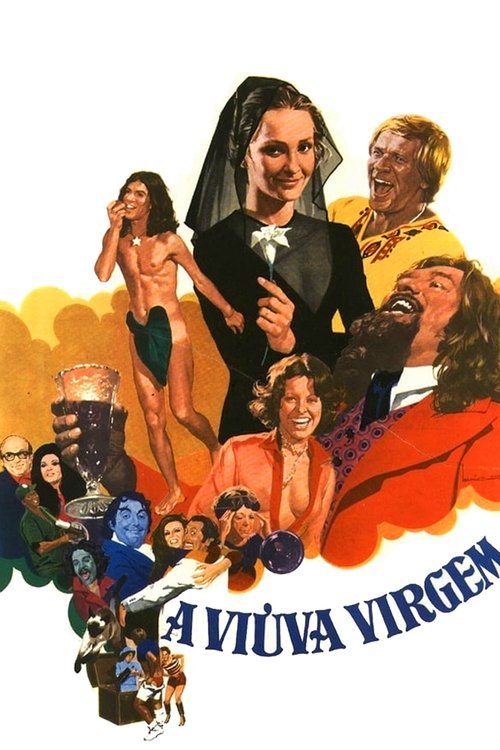
In Minas Gerais, the powerful "colonel" Alexandrão gets married with the young and virgin Cristina and promotes a huge wedding party in his farm. He eats and drinks a lot along the day, but in his "first night" with the bride, he dies before consummating his marriage. The marital status of Cristina becomes very unusual, being a virgin widow. Her doctor advises her to travel to Rio de Janeiro to rest, and she moves with her aunt to an inherited apartment in Leme. Once in Rio de Janeiro, the rascal Constantino, who is aware of her wealth, courts her and borrows money, clothes and a Mercedes Benz from his friends, pretending he is businessman man. His friends release "stocks" in a parallel stock market, based and supported in the expectation of the possible marriage of Constantino with Cristina. However, the ghost of Coronel Alexandrão appears for her whenever she intends to have sex with Constantino.
A Viúva Virgem

When a prominent U.S. Nobel Laureate arrives in Salvador, Bahia, the city with the largest black population in Brazil, he stirs emotions by championing a long-forgotten local writer named Pedro Archanjo, who believed that humanity would be improved only through miscegenation.
Tent of Miracles
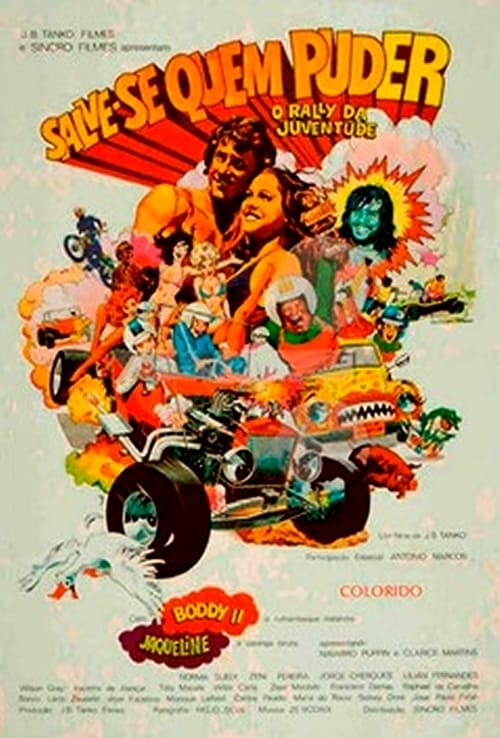
A millionaire Aníbal sponsor a car racing, the "Youth's Rally". A couple, Helena and Fernando, want to be part of the competition but after a fight between both, they decide to compete in a team only with men and another one with women.
Salve-Se Quem Puder - O Rally da Juventude

A man gets locked naked outside of his apartment.
The Naked Man
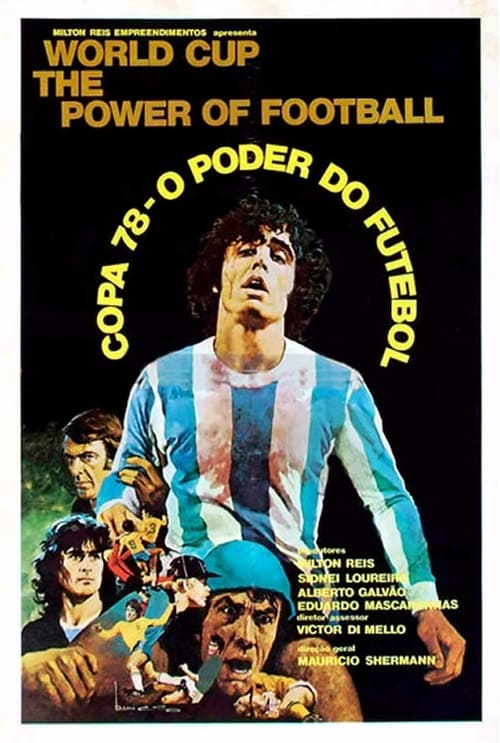
Documentary about the Football World Cup held in Argentina in 1978, focusing on the competition and behind the scenes of the most important soccer competition in the world. Two versions of the 1978 official film exist, the first "Copa 78 - O Poder do Futebol" was made by Brazilian directors Maurício Sherman and Victor di Mello in 1979 but was later withdrawn by FIFA because of its controversial content. The film includes an interview with Rodolfo Galimberti, one of the leaders of the Montoneros guerrilla group and also made accusations that the Argentinian competition organisation committee had deliberately hindered Brazilian chances of success by tampering with the pitch at Mar del Plata.
'78 Cup - The Power of Football
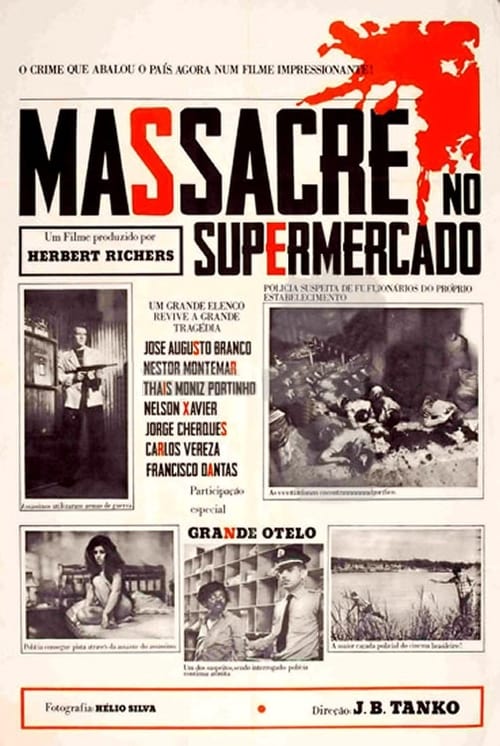
Employees on a local supermarket plot an epic heist for robbing the place's vault, but things start to go wrong when they notice a police detective on their heels.
Massacre no Supermercado
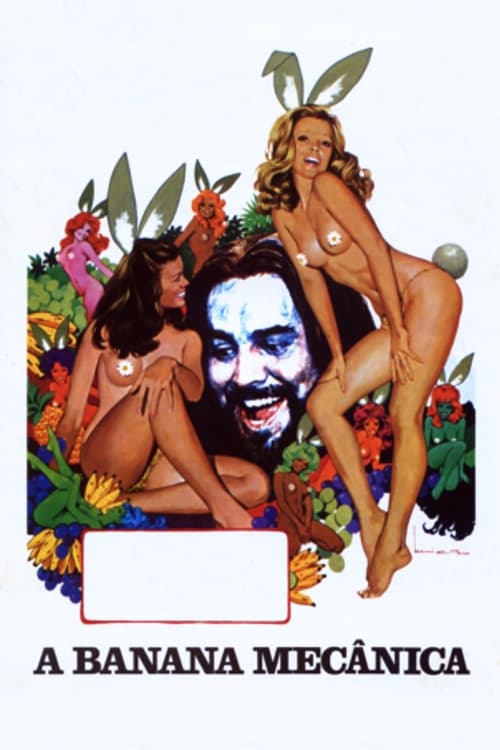
Dr. Ferrão, a famous psychoanalyst, uses his daily column on a newspaper to atract women to his practice.
A Banana Mecânica
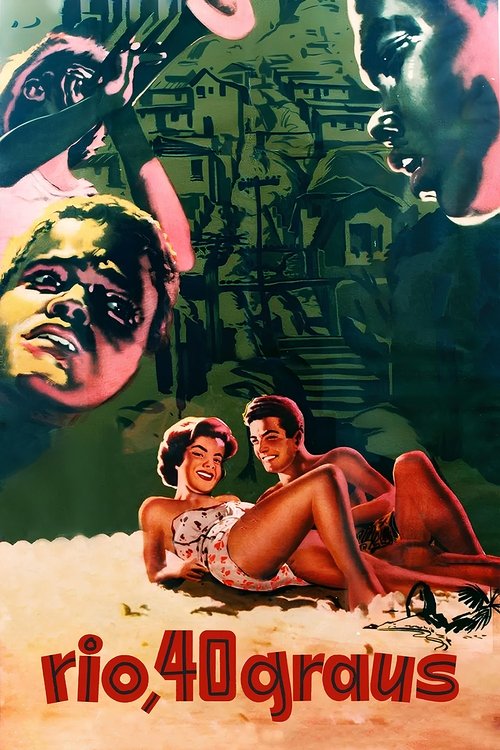
On a scorching summer day in Rio de Janeiro, five impoverished black boys venture out of their favela to peddle peanuts throughout the bustling city. As they navigate the various districts of Rio, they bear witness to a series of unfortunate events and encounters, unfolding a vivid tapestry of urban life in Rio de Janeiro during that period. These true misadventures shed light on the gritty reality of the city, unveiling its vibrant urban tapestry.