Writing
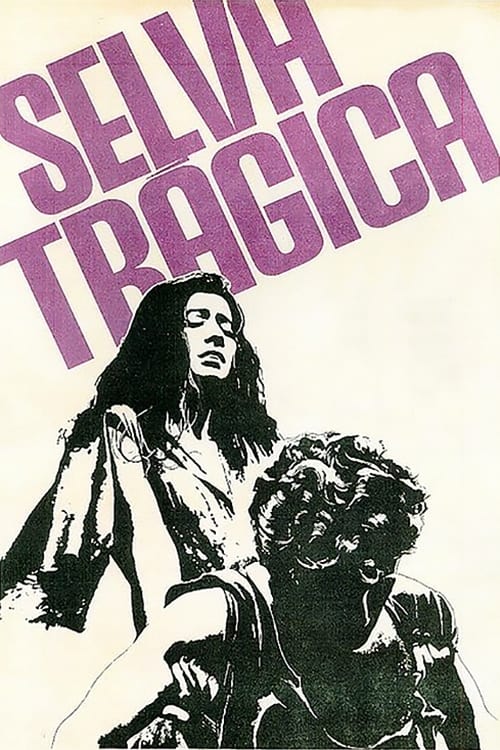
In a company trading maté, workers are treated as slaves. Some of them try to escape, but those who are caught suffer severe punishments.
Based on true events, the film tells the story of Brazilian outlaw Promessinha, one of the most famous and feared criminals of his time, depicting his crimes and cruelty, until his death confronting the police.
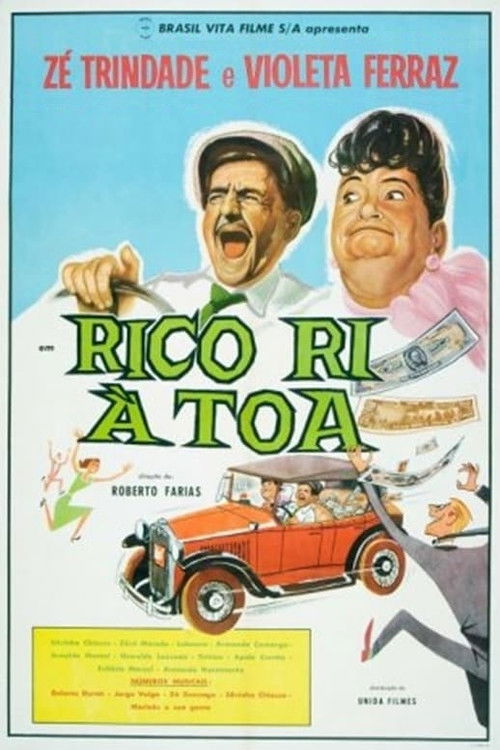
Taxi driver gets in a jam when he receives a lot of money as inheritance from a distant family member when in fact, the money came from a bank robbery.
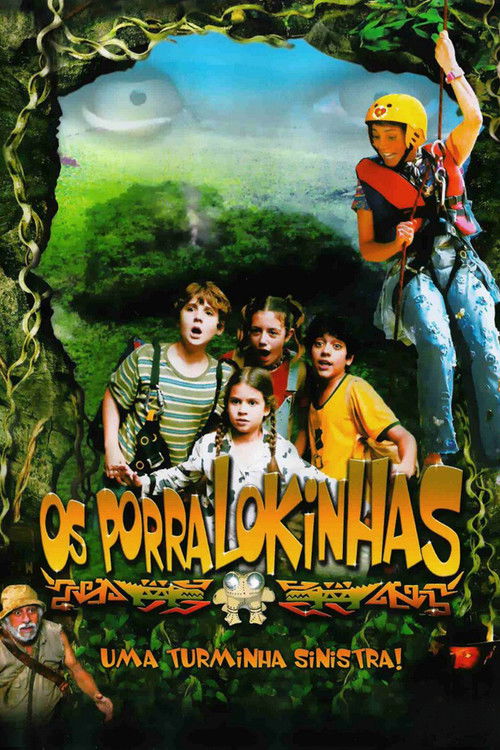
During a summer camp, a group of children fight for their lives as they encounter a dangerous criminal transformed into a crocodile, searching for a sacred luck charm which can bring him back to his human form.
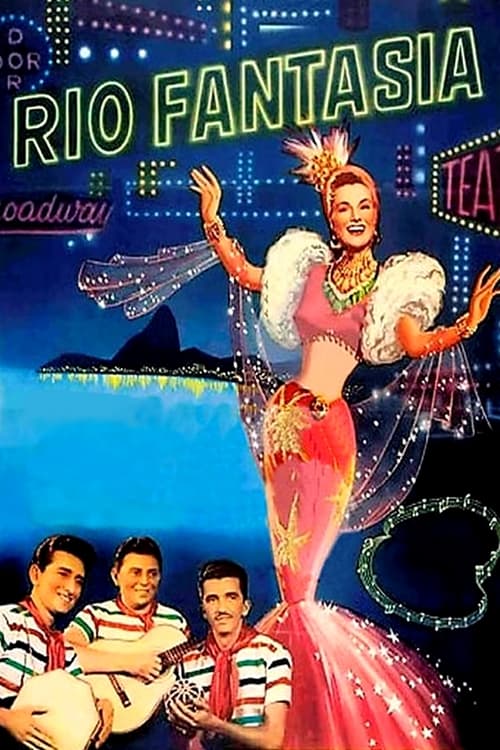
Quartet from Northeast Brazil arrive in Rio de Janeiro, to try their luck in the big city.
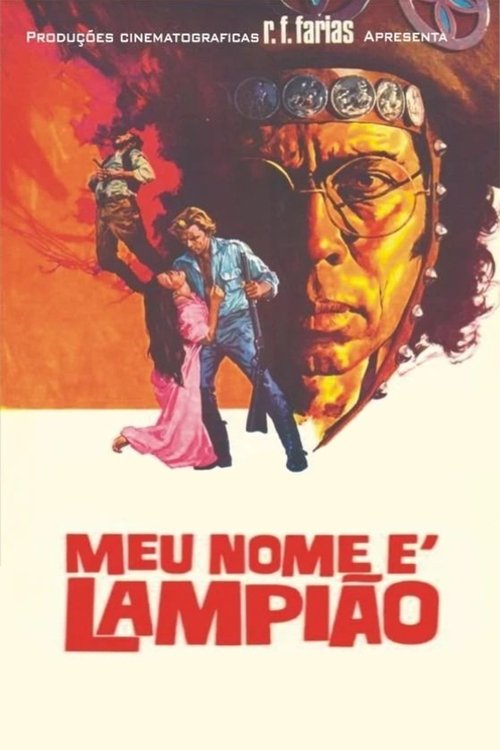
Lampião's gang raids a farm just as the wedding of Antônio Saraiva and the Baroness's goddaughter is being prepared. In the shootout, Lampião's brother, Ezequiel, is killed, and in revenge, Lampião burns the Baroness alive and orders the bride to be beaten. Upon arriving at the farm, Antônio discovers everything and vows to follow the gang's footsteps to hell. The cangaceiros continue their atrocities, robbing, killing, and looting, until a priest places a curse on Lampião. The curse transforms into the avenging figure of Antônio, who acquires supernatural powers. He meets Lampião during Maria Bonita's birthday party, and a life-or-death duel ensues.
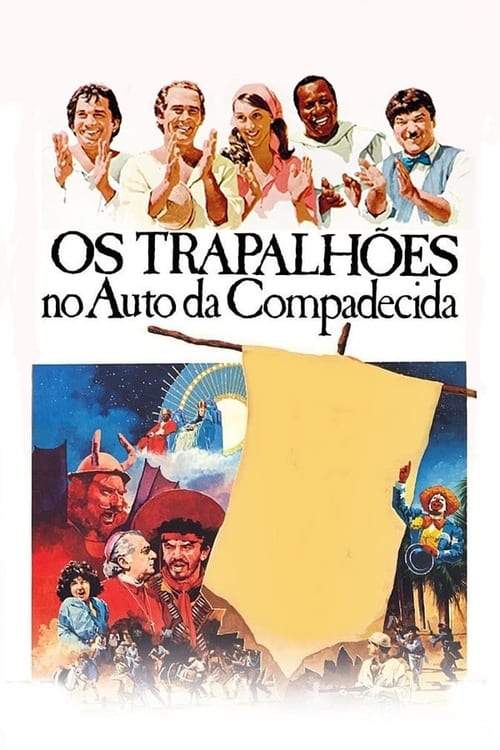
In the small town of Taperoá João Grilo and confusion Chicó live setting, addressing a sacristan and a humble baker. Everyone lives under the excesses of the bishop, the priest and the major. Until an attack on the city, all die at the hands of the bandit Severino and must stand trial in the sky, which puts everyone before God and the Virgin Mary.
Based on true events in Rio de Janeiro, in 1960, when a gang having the infamous outlaw Tião Medonho as a leader performed a sensational railroad hold-up on a train carrying a small fortune.
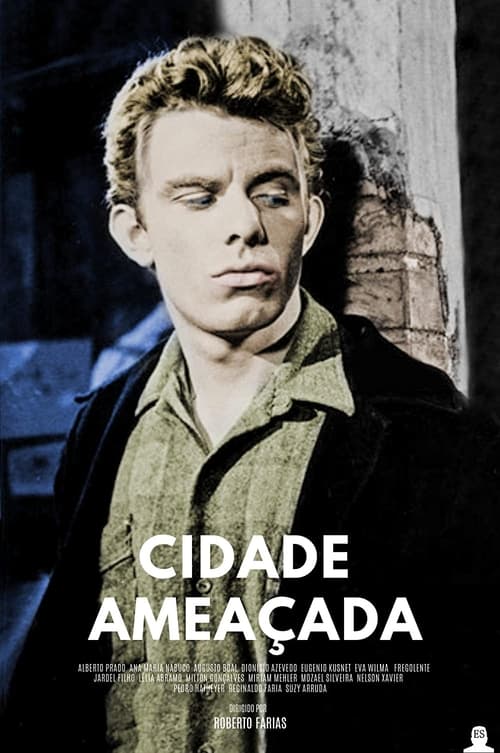
Young robber, son of a prostitute who had killed herself, gets involved with two police informers, who force him to share the loot he gets.
A statuette bought in an antique shop in Tokyo may lead to the discovery of a great treasure.
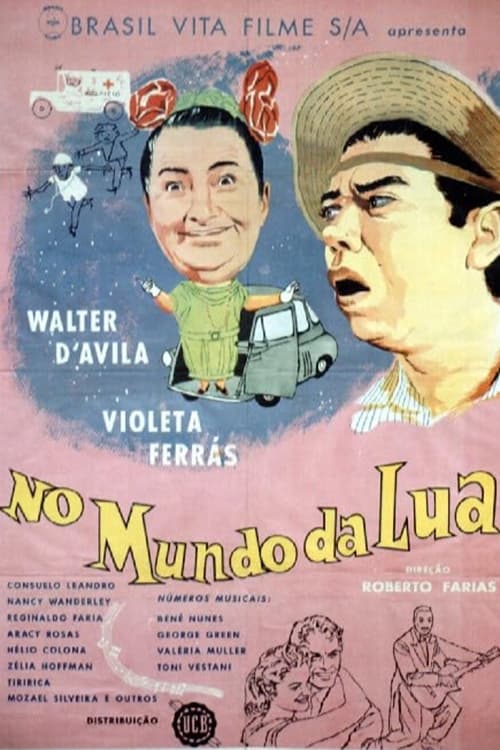
For a long time a couple exchanged love letters, he living in the Northeast and she in Rio de Janeiro. One day he goes to the wonderful city together with a colleague, but he soon faces a problem: since he has sent the girl a photo of someone else, he is afraid to approach and reveal who he really is. At the same time, the colleague has a falling out with a girl who defends rock 'n' roll tooth and nail.
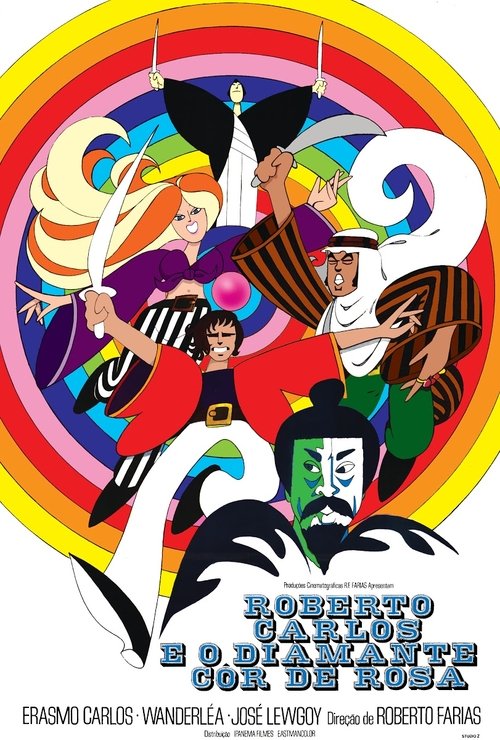
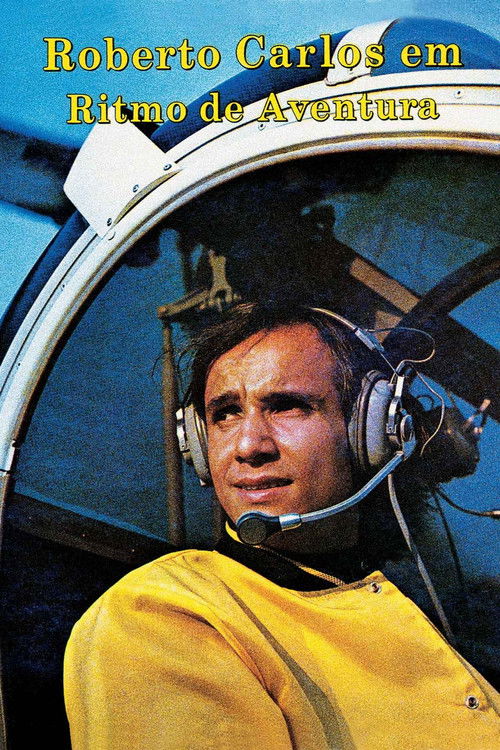
While making a movie in Rio de Janeiro, the singer Roberto Carlos is kidnapped by an international gang that wants to make money with his songs in a computer, together with Pierre, the villain of the movie, and sent to New York.
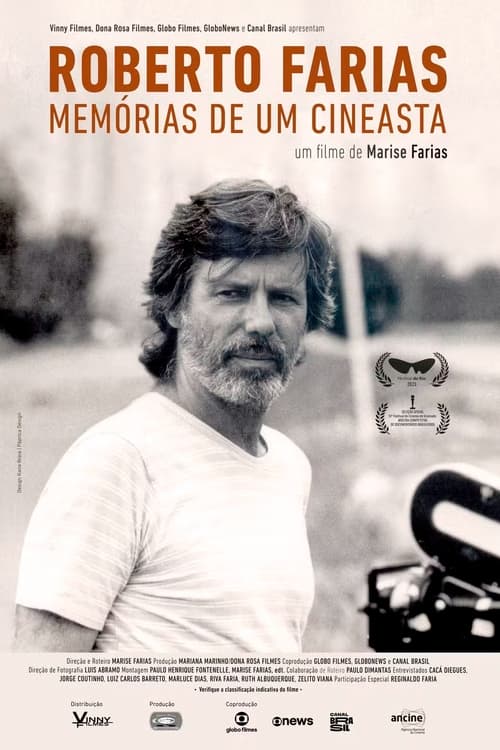
Filmmaker Roberto Farias' passion for cinema is revealed by his daughter Marise Farias through an intimate look, from childhood to his political, economic and cultural role in Brazilian Cinema. Through Roberto Farias himself and friends such as Luís Carlos Barreto, Cacá Diegues and Zelito Viana, the film tells the stories of the director who achieved a direct dialogue with the public through successes such as O Assalto ao Trem Pagador (1962), the trilogy with singer Roberto Carlos (1968 to 1971) and Pra Frente Brasil (1982). Texts from an unpublished book of memories are interpreted by his brother, actor Reginaldo Faria.