Acting
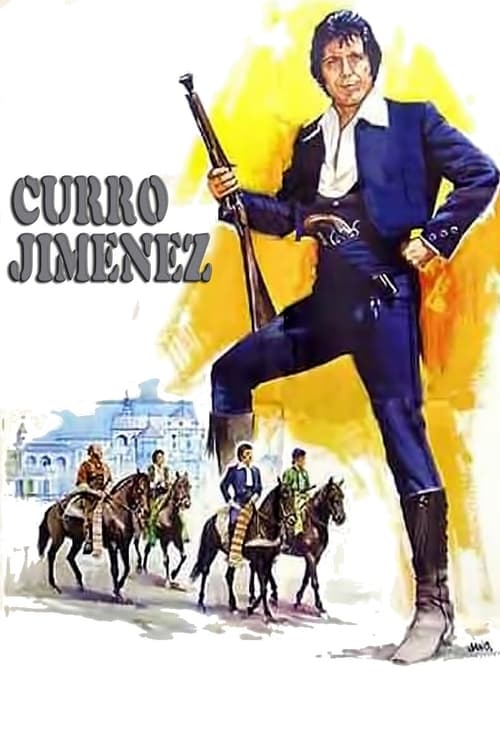
Curro Jiménez was a successful Spanish TV series that aired on TVE1 from 22 December 1976 to 1979. Its main theme was Andalusian "bandolerismo" in the 19th century, located in the Ronda mountains. The main characters were four bandits, Curro Jiménez
¡Ay, Señor, Señor! was a 26-episode Spanish television sitcom transmitted by Antena 3 between 1994 and 1995. It tells of the adventures of a modern, open-minded priest, portrayed by the actor Andrés Pajares. The series kick-started several acting careers, including those of Javier Cámara and Neus Asensi. The singer Massiel starred in four episodes and Paloma Cela in nine, with many other actors and actresses making regular or guest appearances.
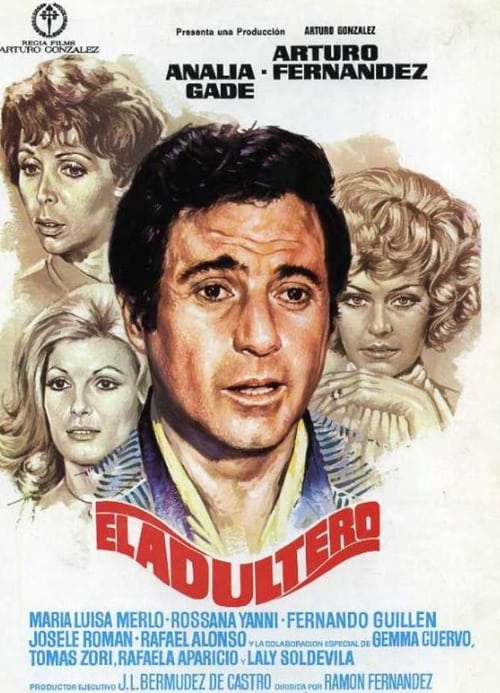
No description available.
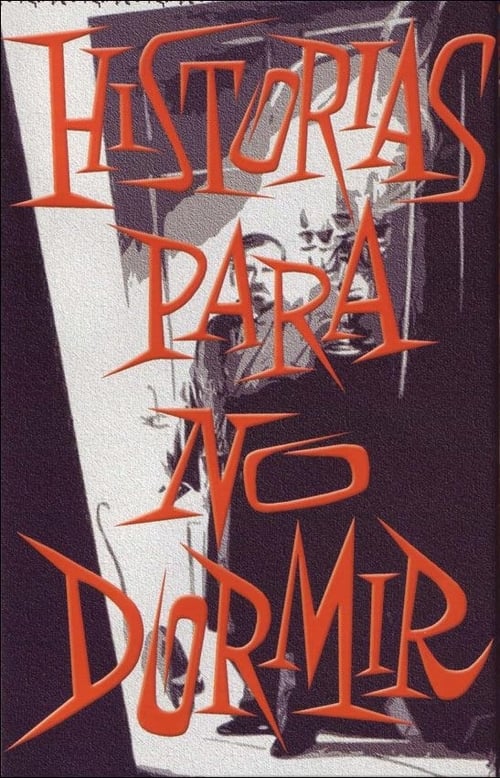
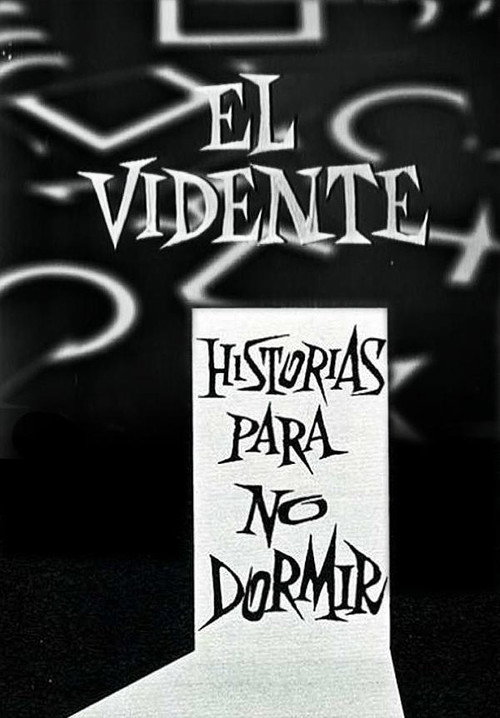
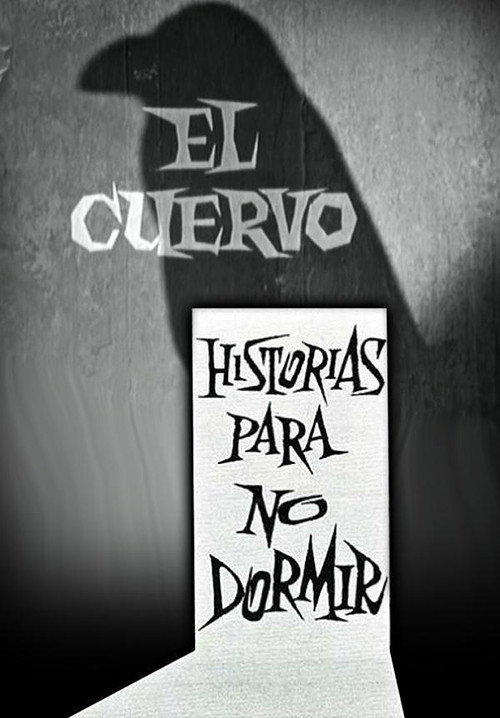
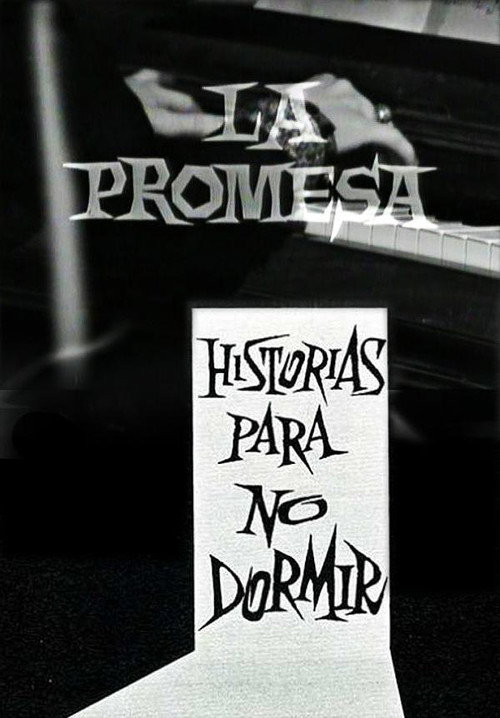
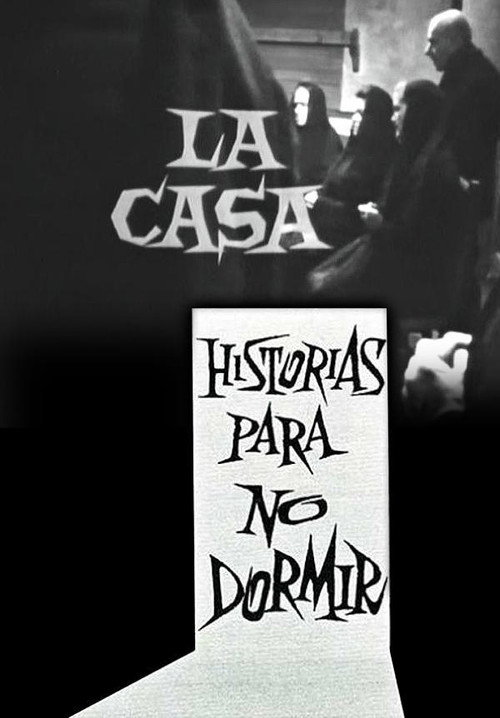
Tales of terror by established authors such as Ray Bradbury or Edgar Allan Poe, as well as original scripts.
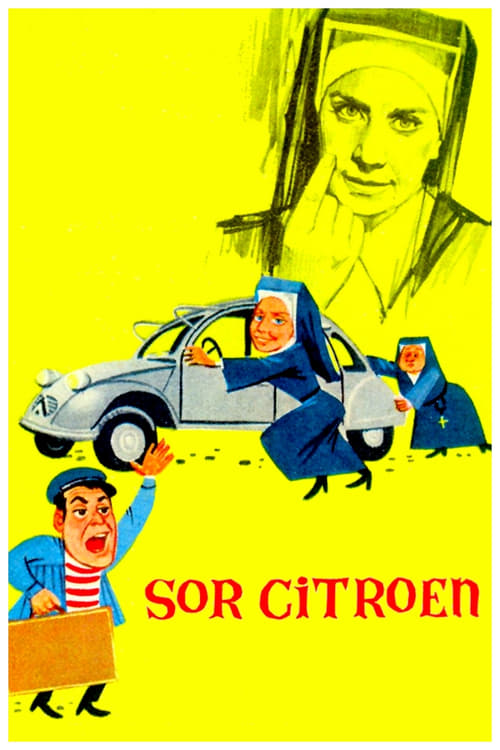
Madrid, Spain. When a religious community running an orphanage buys a car, the vivacious and intrepid Sister Tomasa accepts the task of getting behind the wheel.
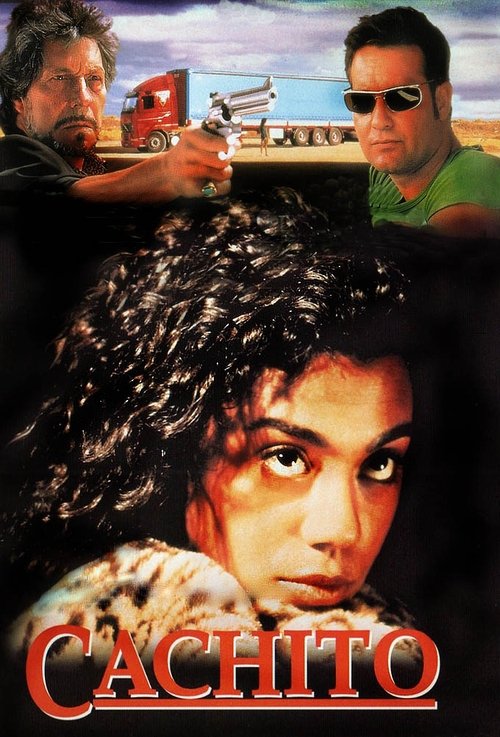
A gypsy girl, when her grandmother dies, goes in search of his mother who abandoned her as a baby
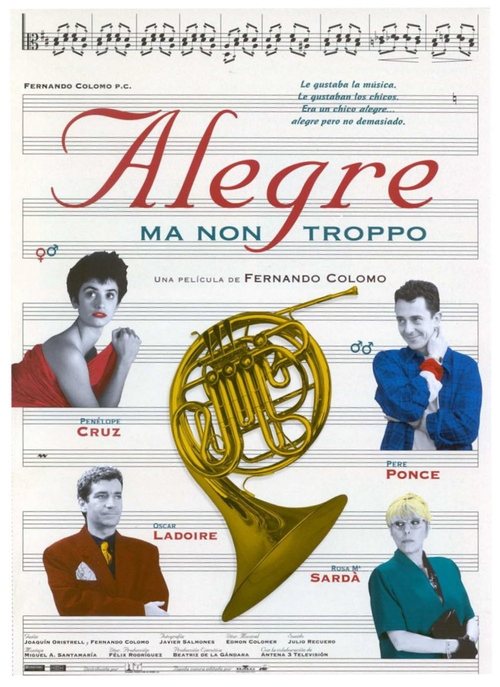
Pablo is a twenty-year-old man who wants to be a musician in order to be appreciated by his mother and find a male partner he can share his love with. He finds one, but because of his demanding behaviour, he is soon alone again. He tries to become a French horn player in the Youth Spain National Orchestra, but the examiner turns out to be his father, who's been living apart from his family and doesn't really accept Pablo's sexual trends. Once Pablo fails in his exam, he feels very depressed. When another French horn player from Valencia hasn't got a place to sleep, Pablo takes him home to his house. The next morning, however, he finds a girl named Salome inside of his bed.
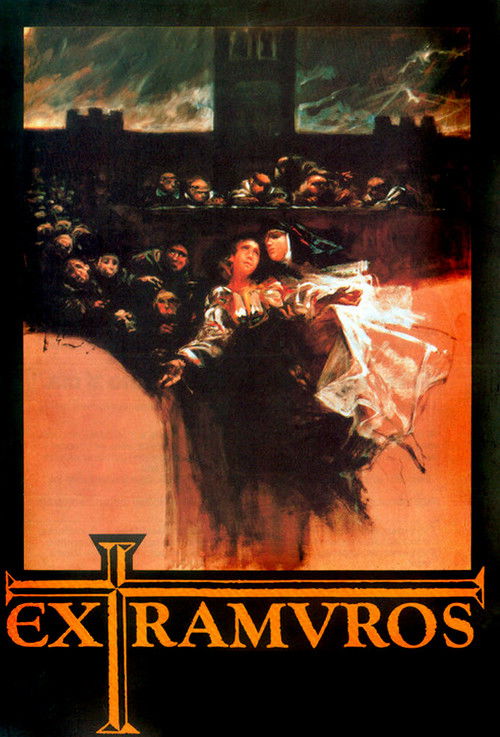
This 1985 Spanish film reveals one of the many terrible aspects of 16th century Spain, still plagued by the radical Christian Inquisition, one of a plethora of difficulties Spaniards faced at the time. Spanish super star Carmen Maura plays a nun who agrees to a selfless scam, a fake stigmata, only to avoid separation from her lover, another nun. It's a serious and passionate work, highlighting the theme of outspoken women-against-repression, seen in other good gay and lesbian films. This is not a lesbian "Nun sense" or another "Dark Habits" (by Almodovar, which also starred Carmen Maura, and also set in a Spanish convent, with some lesbian nuns). Perhaps, best of all, 'Extramuros' is realistic and frank. It isn't shy about its characters' sexuality. Their sexuality, and the film as a whole are genuine.
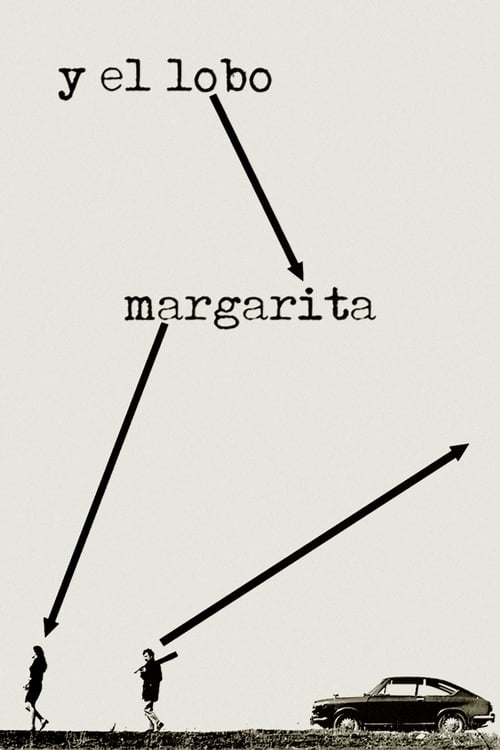
Lorenzo is a handsome, intelligent, charming, elegant and liberal man. All he asks for is total devotion. And Margarita, foolishly, falls in love with him…
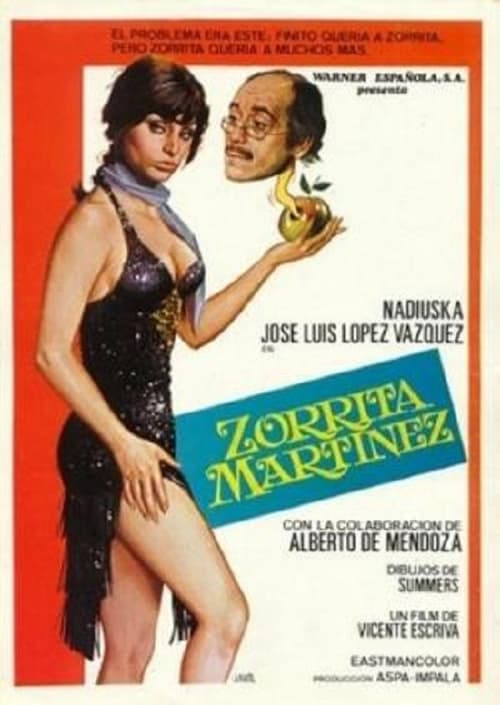
Zorrita Martínez is the stage name of Lydia Martínez, a Venezuelan artist based in Spain. Zorrita, however, runs into an unexpected problem: she cannot stay in the country any longer if she does not marry a man of Spanish nationality.
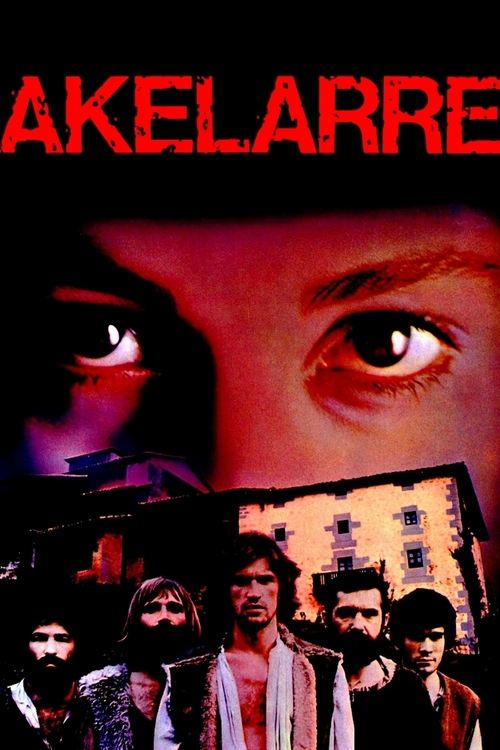
A small village in Navarre, Spain, XVII century. Garazi's grandmother is burned at the stake when accussed of being a witch and convicted by an inquisitor, something that brings Garazi under suspicion and eventually into prison, where she is atrociously tortured and humiliated.
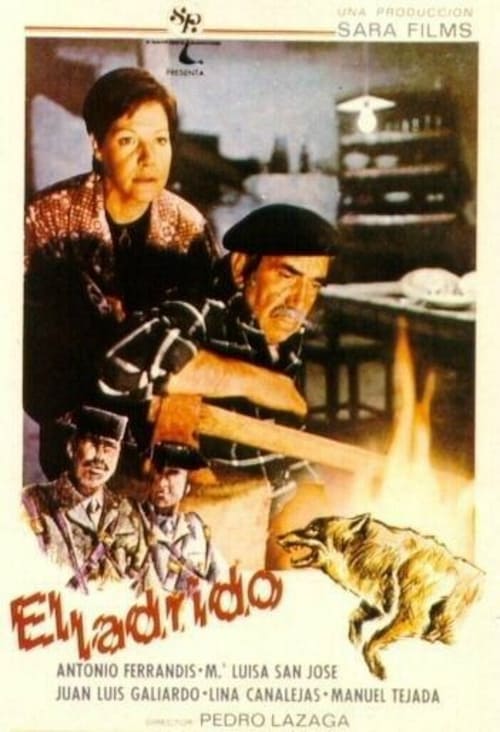
Valentín and Mauro are a maquis couple who have abandoned the fight against the Franco regime to become robbers in order to survive. Their area of operation is the mountains of Asturias, where they terrorize the local population with their robberies and acts of violence.