Jürgen Böttcher
Directing
Biography
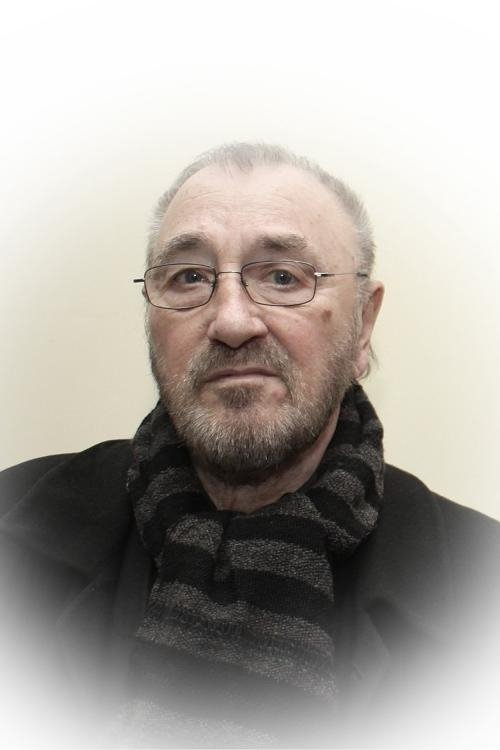
Jürgen Böttcher (pseudonym Strawalde, born 8 July 1931) is a German film director and painter. He is best known for his film Born in '45.
Known For

A German television format in which Günter Gaus interviewed prominent members of German society, particularly politicians. More than 200 interviews were conducted over the course of 40 years.
Zur Person
A young officer suffers under his ambitious wife, who is determined to make a captain out of him. Meanwhile, ship's cook Andresen becomes a father and, for the sake of his wife, becomes an innkeeper ashore, but he is still driven by wanderlust.
Gezeiten

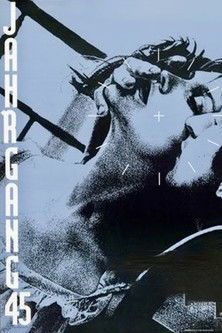
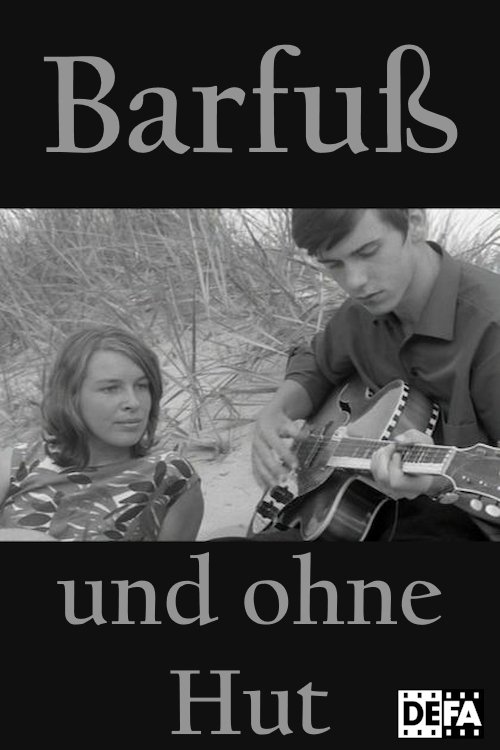
Originally banned in 1966, East German director Jürgen Böttcher's tale of love and disillusionment among two newlyweds attempting to navigate the treacherous world of marriage was never officially released in his homeland until after reunification in 1990.
Born in '45

A documentary about French film director Agnès Varda on the set of her 1977 film ONE SINGS, THE OTHER DOESN'T. It includes interviews with Varda and the lead actors in the film.
Women Are Naturally Creative: Agnès Varda
This color documentary tells the story of the "Mamais." In 1960, a group of workers at the Bitterfeld chemical plant set themselves the task of becoming the first "socialist brigade" in the German Democratic Republic (GDR) to act in accordance with the slogan "Work, learn, and live socialist."
Die Mamais

Venus after Giorgione is the the second part of the "Over Paintings" (Uebermalungen) trilogy by painter and director STRAWALDE (Juergen Boettcher). Using various methods of "painting over" or projecting on top of Giorgione's "Sleeping Venus," Boettcher alienates the work artistically. Venus' beauty is seen within a new context and is thereby newly interpreted through the eyes of STRAWALDE. The assorted landscapes behind Venus range from idyllic pastorales to morbid backgrounds. STRAWALDE's art knows no boundaries and makes a strong impression on the viewer with bizarre sound collages.
Postcards II; Venus after Giorgione

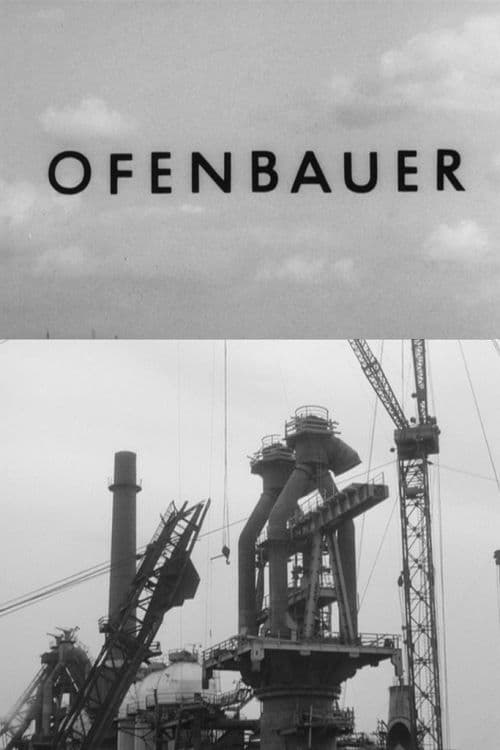
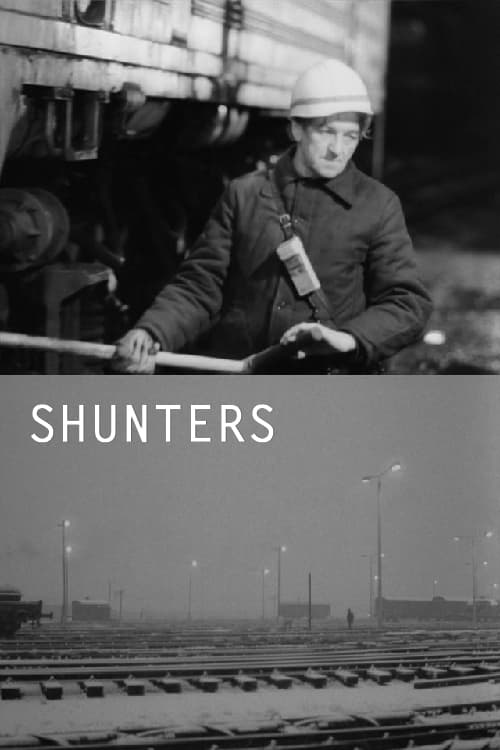
Experienced shunters working at the Dresden-Friedrichstadt goods yard. In all weathers, day and night, they couple and uncouple the wagons. The air is full of sound: hammering, steps crunching on the gravel, whistles and shunting noises.
Shunters

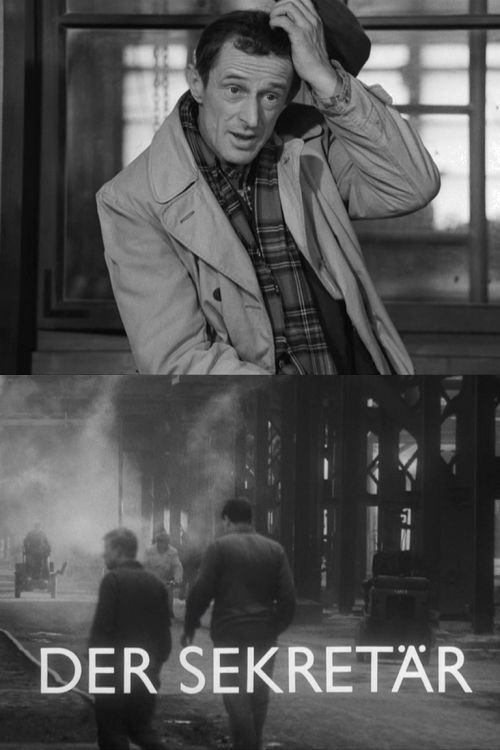
Presentation of a commited State Party secretary at the Chemicals Combine in Buna. A former miner and small farmer rises to a leading political position.
The Secretary

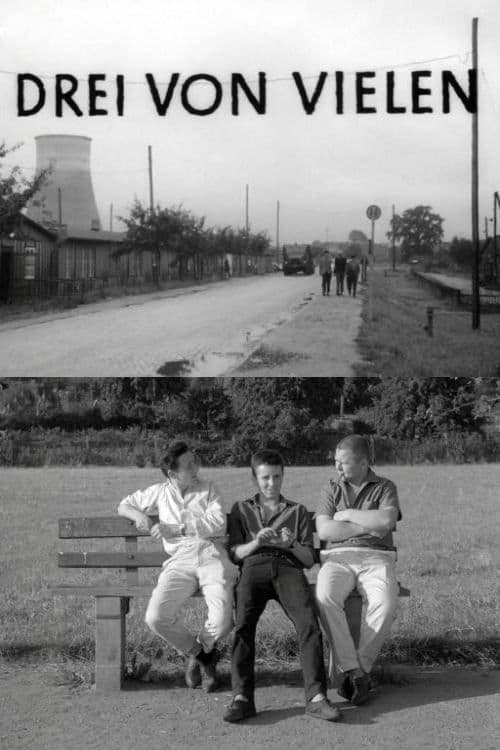
Böttchers film showcases three young workers who learn how to paint, draw, and make sculptures out of stone. The film generated a storm of mistrust, as there is no leading communist party, and the three individuals live blithely and independently of the official dictates. It became one of the first DEFA documentary productions that were not allowed to be shown.
Three of Many

Böttcher made his graduation film about young people who had become delinquent in a youth work yard in Thuringia. Already here a striking feature of his later films becomes apparent: Jürgen Böttcher gives his protagonists a lot of space; he approaches them without prejudice, empathetically and carefully. In addition, his curiosity can be felt in the life situations and stories of his characters.
Necessary Years of Learning

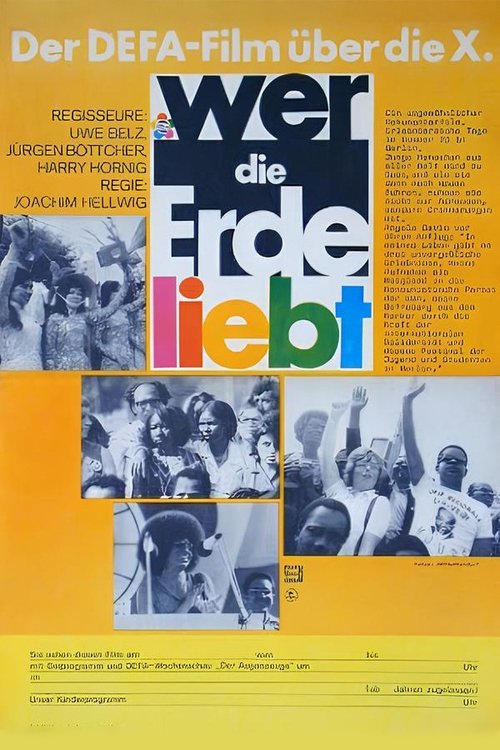
A DEFA documentary celebrating the 10th World Festival of Youth and Students, held in East Berlin in the summer of 1973. Blending reportage with staged elements, it presents the festival as a showcase of international solidarity, culture, and socialist ideals.
Who Loves the Earth

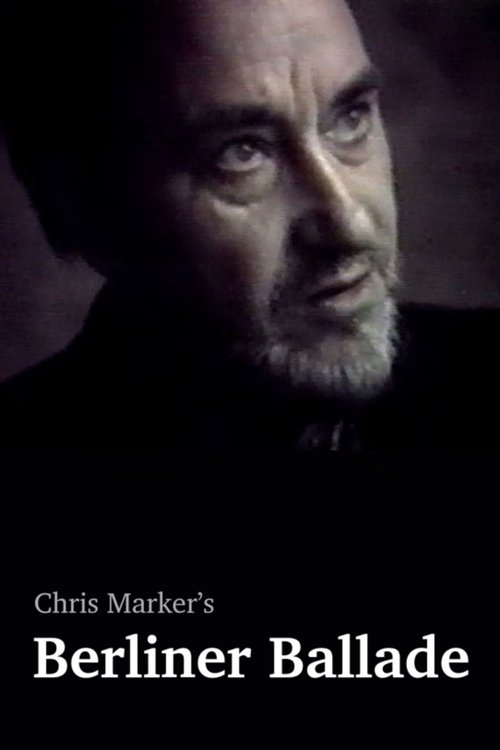
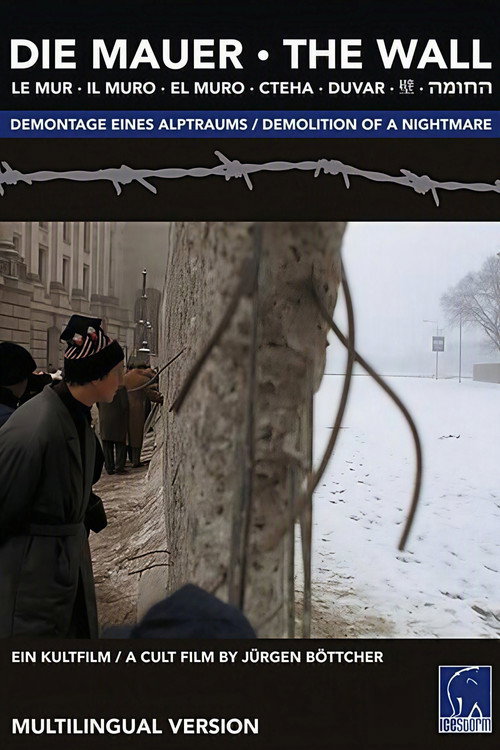
Some months after the fall of the Berlin wall, during the time of federal elections in Germany in 1990, Chris Marker shot this passionate documentary, reflecting the state of the place and its spirit with remarkable acuity.
Berlin 1990

Only two months after the fall of the Berlin Wall, in January 1990, almost two hundred controversial East German visual and performance artists—including Jürgen Böttcher, the Autoperforation Artists, AG Geige, Via Lewandowsky, Trak Wendisch, Conny Hege, Klaus Killisch, Helga Paris and Hanns Schimansky—presented works rarely shown in the GDR at the exhibition space in the former La Villette slaughterhouses on the outskirts of Paris.
La Villette

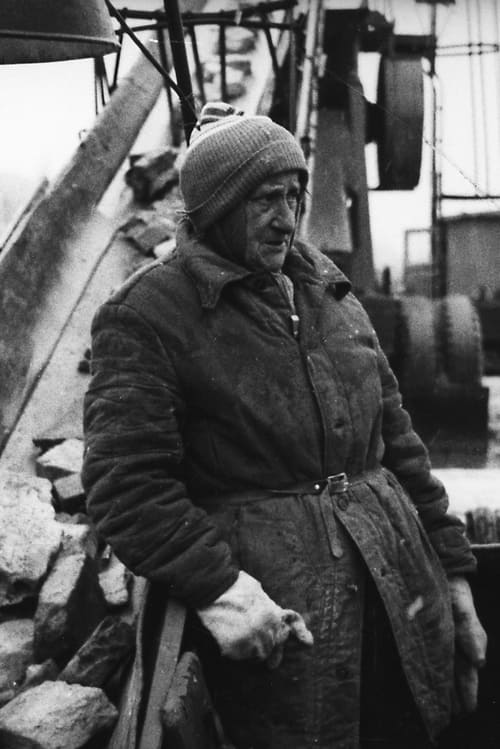
Martha Bieder is the last rubble-woman in Berlin Rummelsburg. Every day, rain or shine, she stands at the conveyor belt - as she has for decades - sorting through rubble. After a retirement party thrown for her by her male colleagues, she tells her story of being a rubble-woman in post-war Germany.
Martha

No description available.
Sammelsurium - Ein ostelbischer Kulturfilm

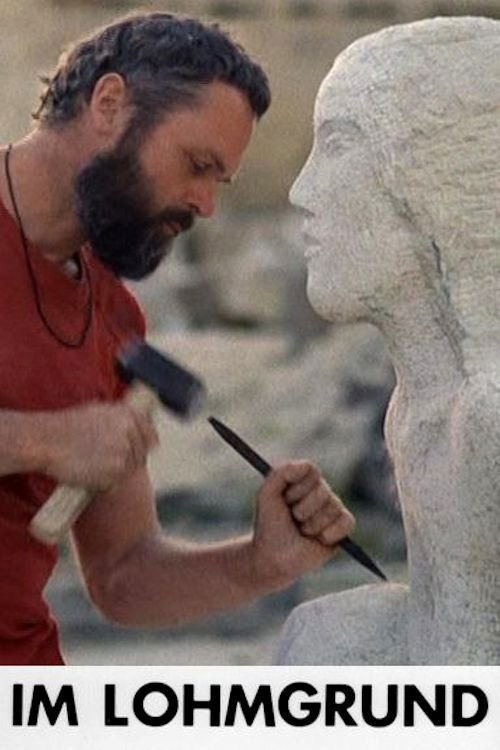
Sculptor Makolies is filmed working on a sculpture in the middle of a quarry in Swiss Saxony. The quarry workers go about their work around him. Both the work in the quarry and the work on the large figure in sandstone require strenght and conscientiousness. This film observers both types of work, without comparing them.
In the Lohm Valley
In this film about apprentices of the Rewatex laundry, Böttcher once again turns to the focal concern of almost all his films the attempt to report as truthfully and impressibly as possible on the life of workers. Böttcher takes the audience into the midst of a seemingly unknown environment only to let them realize how familiar this world in fact is.
Laundresses

This film portraits the artist and model-builder Hermann Gloeckner, who was born in Dresden in 1889. Even at the age of 96 he is still drawing with undiminished creative energy.
A Brief Visit with Hermann Glöckner

This black and white documentary film reports on a brigade of women, they are the "stars" of a Berlin light bulb factory. What is striking is the cordiality and good cooperation within the women's group, despite their monotonous work in the control area in the production of tungsten wires, also called filaments. Original tones are inserted to convey the joys, the cheerfulness and quick-wittedness that they have despite their burden of family and work. A problem of the wrong way of counting the female workers is openly addressed by the brigade leader and in a countercut Inge introduces her baby to her colleagues in the company. Everything seems like one big family and nobody can really imagine being without this work.
Stars
Founded in 1954 as the “Deutsche Hochschule für Filmkunst”, today's “Hochschule für Film und Fernsehen” is celebrating its 50th anniversary. The documentary traces the history of the university. Graduates of the school have their say and excerpts of student films from five decades are presented.