Mohammad Reza Aslani
Writing
Biography
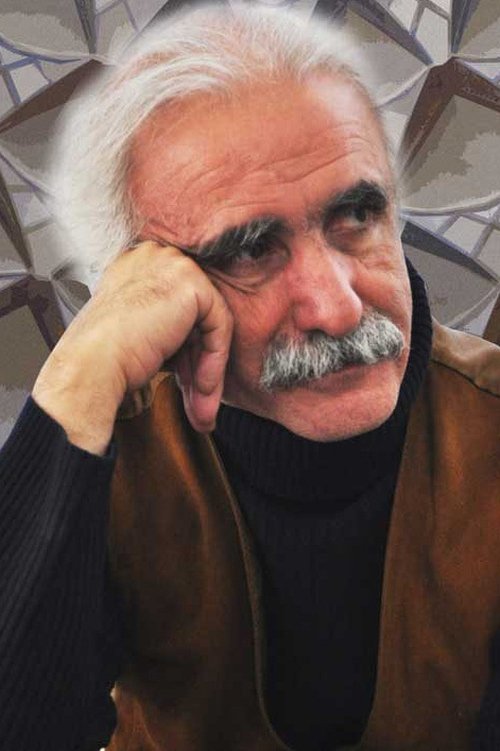
Mohammad Reza Aslani was born in Rasht, Iran, in 1943 and graduated in Art and painting from Teheran’s Faculty of decorative arts. He spent his filmmaking training in the Ministry of Culture. Aslani started his professional carrier in cinema in 1967 with the documentary film “Hasanlu Cup”, and then worked with another project “Child and exploitation (1982)”, a documentary made with the aim of display for management community. It was one of the best documentaries made in Iran in eighties. But shortly after its release it was informally banned and marginalized in 1982. Aslani’s first feature film called “The chess game of the Wind” (1976) was a new and different experience in Iranian cinema, which also was very daring. Iranian actress Shohreh Aghdashloo began her artistic activity with this movie by playing the role of a servant. Aslani made television series like “Samak Ayyar,” “light mist,” “logic of the flight”, script writing for movies such as “line”, “switchman”, “The Silent City,” “bottleneck,” “Requiem”, “the fourth morning,” “Stone Garden”. He wrote three books of poetry, “Bench Nights and Wind Days,” “The difference between the two Maghreb” and “Requiem for prohibited years”. Teaching at academies of Sura and cinema and theater, writing critical essays and comments about cinema is among Aslani’s other activities. His professional activities are enumerated. —onlinefilmhome.dk
Known For

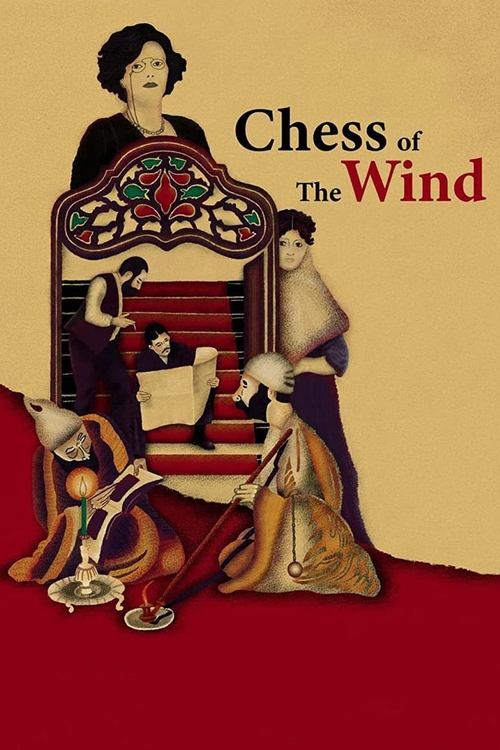
The first lady of a noble house has died and now there is conflict between the remainders for taking over her heritage.
Chess of the Wind

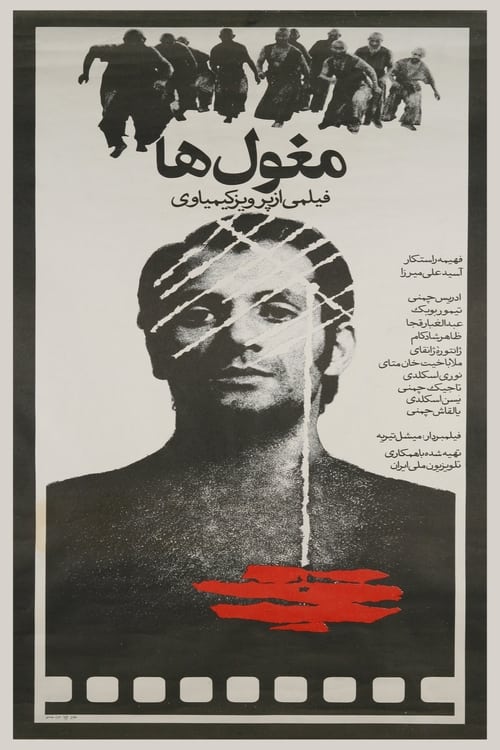
A director of a television series on the history of cinema, who has been grappling with the screenplay of his first feature film, receives an assignment to oversee the installation of a television relay station in a remote region of Zahedan province. He has already hired Turkmen tribespeople for his film and selected his filming location. Meanwhile his wife, who is working on her Ph.D. dissertation about the Mongol invasion of Iran, attempts to dissuade him from accepting the assignment. One night, while working on his history of the cinema series, the director fantasizes a diegetic world that consists of clever juxtapositions of his different worlds: the history of cinema, the history of the mongol invasion, his own film idea and his imminent assignment to the desert.
The Mongols

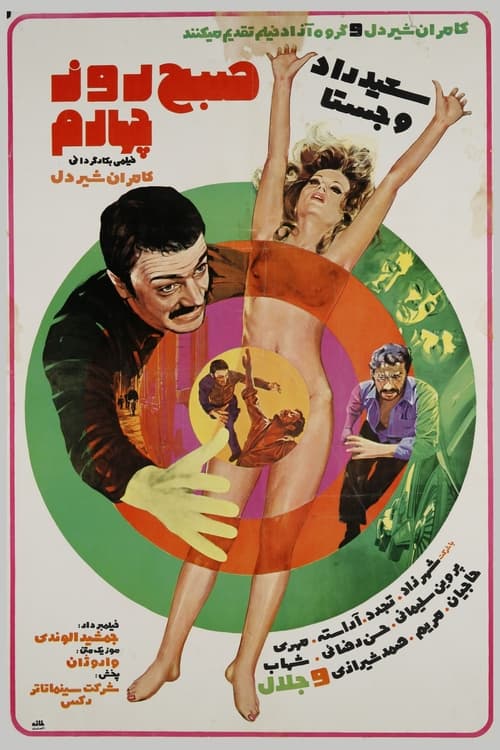
A free adaptation from Godard's Breathless that follows Amir, a foul guy who has killed a man in Abadan. He returns to Tehran and continuing his misdeeds trying to convince his girlfriend Zarry to escape with him to the south of Iran.
The Morning of the Fourth Day

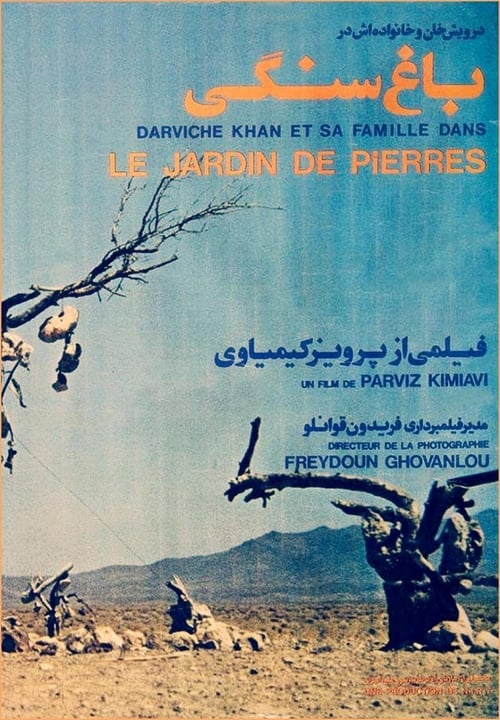
Secrets and mysteries lose power when they are spread too widely. This is what the villagers discover when they invade an old man's vision-inspired shrine to the namelessly holy.
The Garden of Stones

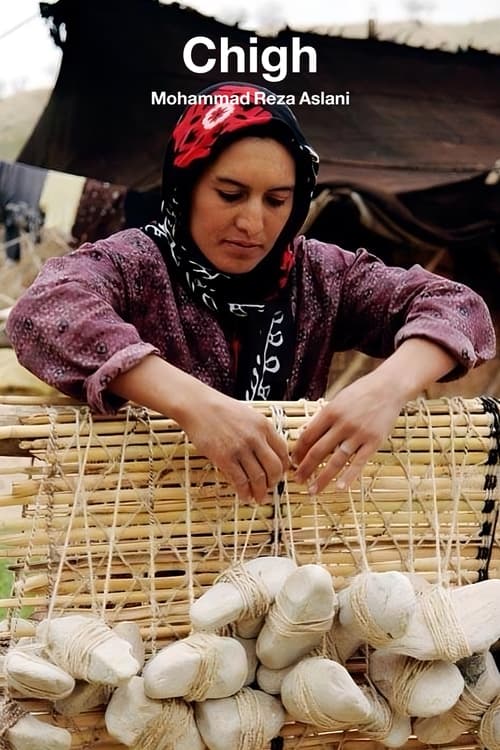
A documentary of the epic story of the weaving Chigh. Chigh is a kind of texture made from wood and osier that is made in the ilats of the west of Iran and is used for covering around their Siah-chadors
Chigh

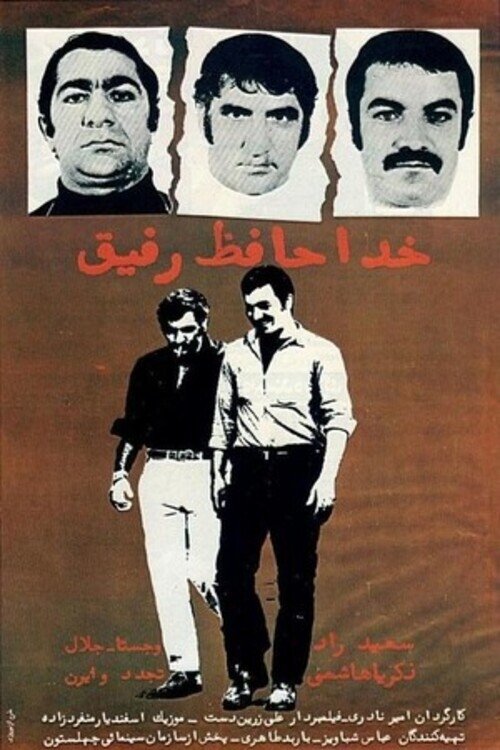
Three friends organize the burglary of a jewelry shop, but greed, betrayal, and revenge quickly overcome their friendship.
Goodbye, Friend

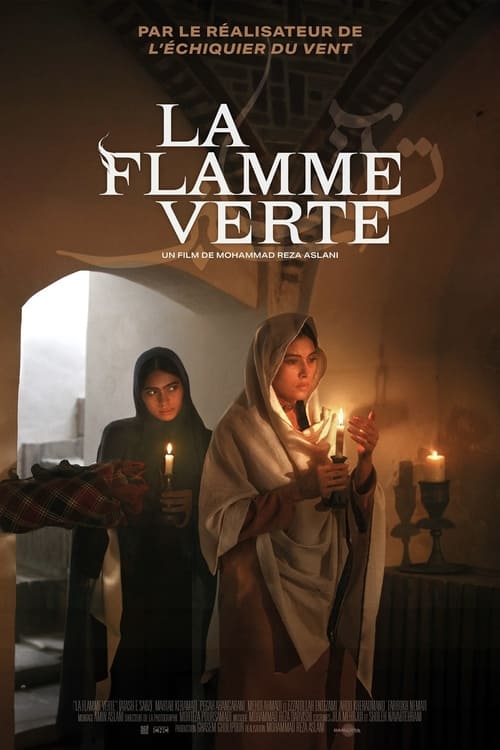
Based on an ancient story Sang-e Sabor it's the story of a girl Nardaneh who one day hears a voice telling her that soon she will marry with a dead man. One day she enters a castle and in one of it's room finds a dead body with a book beside it. She begins to read the book and follows the instructions step by step.
The Green Fire

In the memory of Jamshid Alvandi
Frame

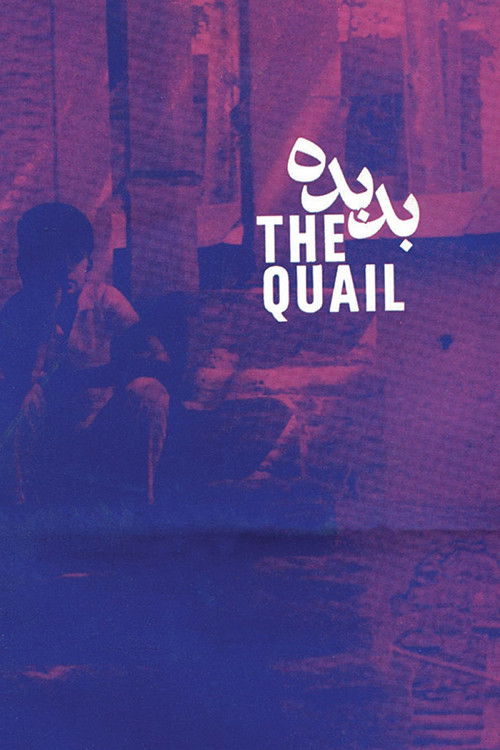
A short film about a boy and his bird Badbade
The Quail: The Tale of a Boy Who Asks

After getting involved in a brawl with three brothers, Ali accidently kills one of them and runs for his life.
Strait

A documentary from the point of view of an 75 years old man about the history of Melli bank of Iran and it's first days.
The Memories of a 75-Year-Old Man

Aslani takes us on a mesmerizing journey through Iran’s archaeological sites of Chogha Zanbil, Kerman, Damghan, Yazd, and Kerman, narrating the tale of the Sufi mystic Daghoughi through a 13th-century poem by Rumi. The Pahlavi Ministry of Culture, expecting a far more conventional documentary, kept the film from being shown. It was only in 2024, when Aslani set out to digitize the film, that he discovered two reels had been lost. MoMA presents the world-premiere of Aslani’s re-edited version, which seeks to recapture the meditative flow of his original work despite its missing sequences.
Our Cultural Heritage

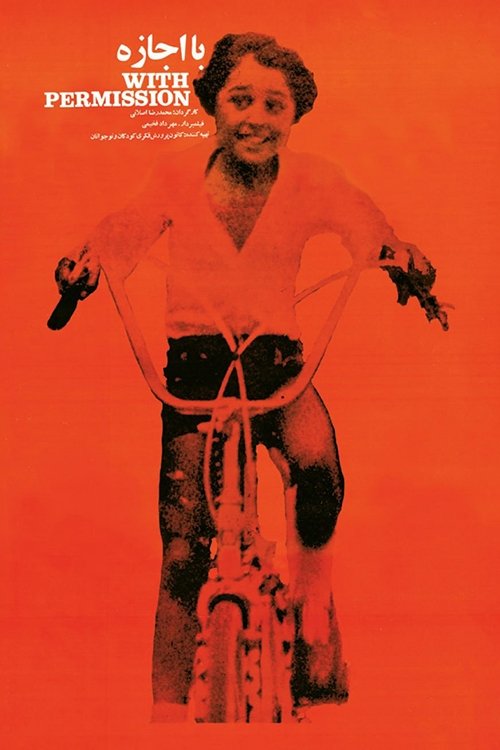
The story of a child who, instead of going to school, mischievously and curiously finds another way to go to class...
With Permission

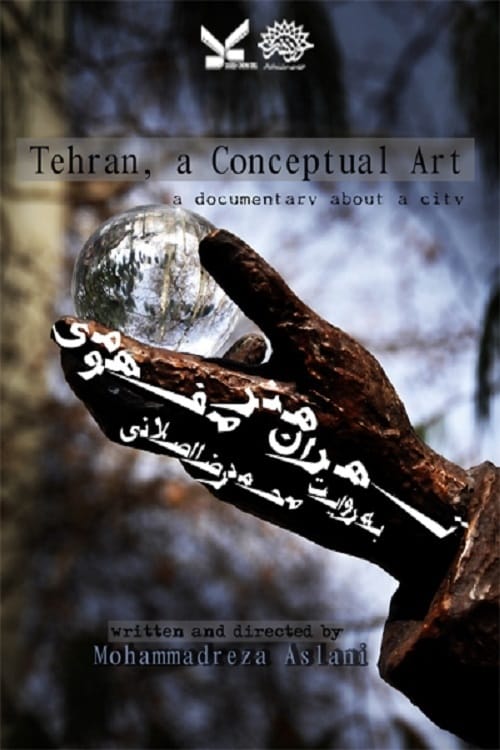
This film is a modern rendition of a long tradition of so-called “symphonies of a metropolis”. The glassy facades of this city’s skyscrapers reflecting the passing by people of its diverse districts, shown in the reflection of distorted mirrors, symbolically depict the Spirit of a metropolis, as if it lives in its own shadows and reflections. This distorted reflection of Tehran comes together with modern verses of a poet who was known as the Poet of Tehran after publishing his illustrious cycle of poems about Tehran in the 60s. As a flâneur, the poet himself saunters around this city -through his voice/poem/memory- reflecting upon the reflections of old/modern monuments, sculptures, statues etc. of this giant metropolis.
Tehran, A Conceptual Art

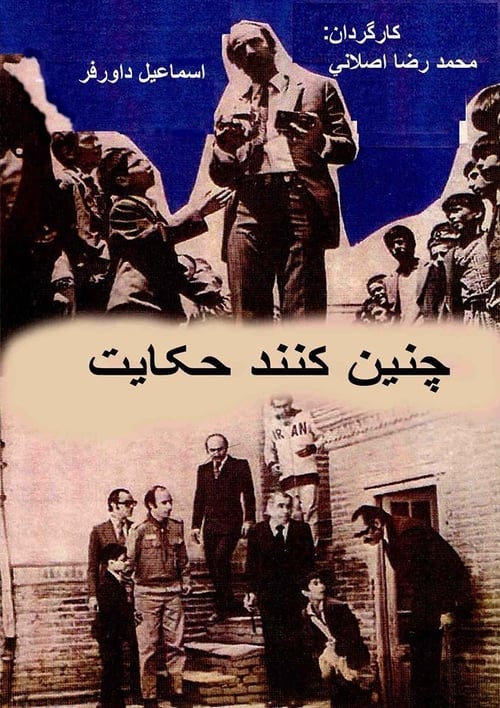
The film's story is about a school that is expecting the arrival of an inspector, and everyone is anxious about the inspector’s visit. This film is a loose adaptation of The Government Inspector by Nikolai Gogol.
Therefore Hangs a Tale

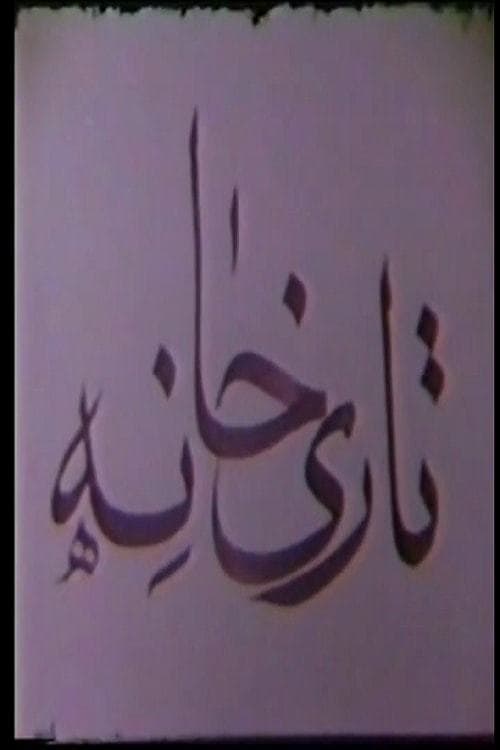
A documentary about the ancient Tarikhane Mosque of Damghan
Tarikhaneh

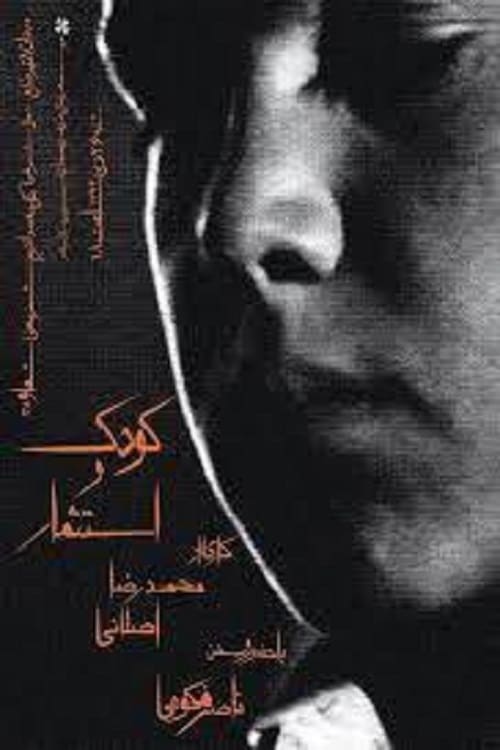
The film looks at the children who live and work in the big city's suburbs.
Child and Exploitation

Hindered by the strict edicts of the television censors under the Islamic regime, Aslani nonetheless directed this 11-part series in 1998, about Iranian history and culture as seen through the eyes of two young lovers. Earlier this year, Aslani recovered a digitized version of the negative and was able with far more freedom to create a feature-length film version. It is this version—having its premiere at MoMA—that certifies Aslani’s mastery of cinematic storytelling.
The Dust of Light

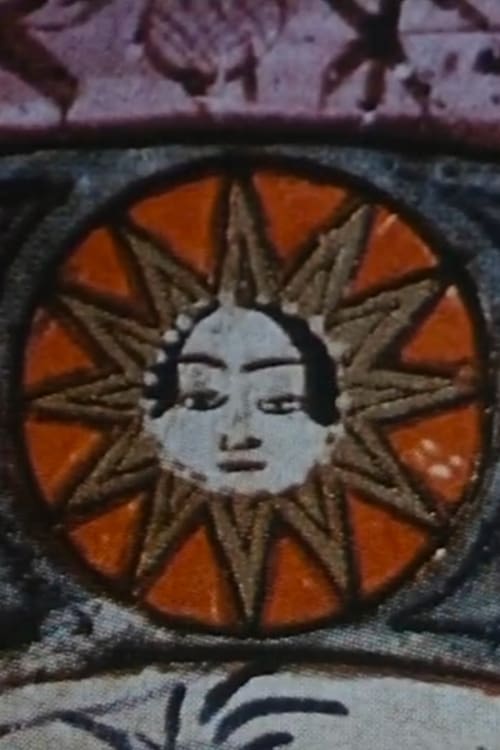
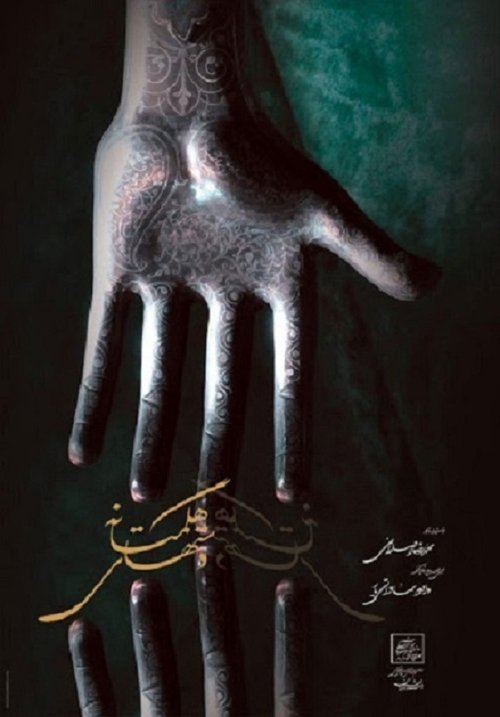
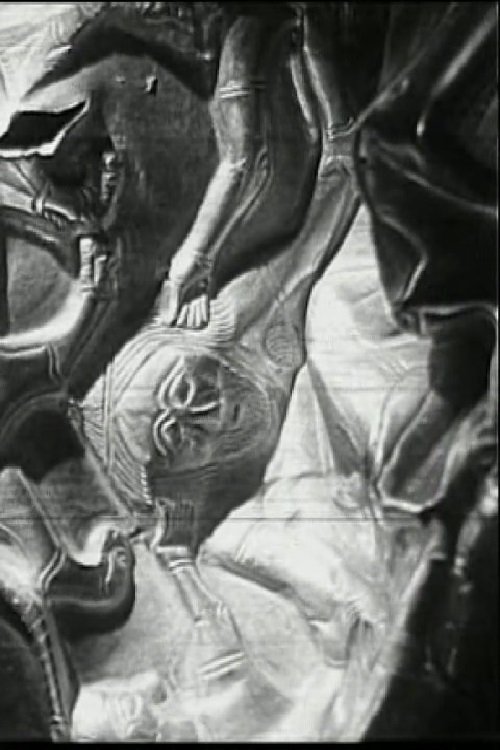
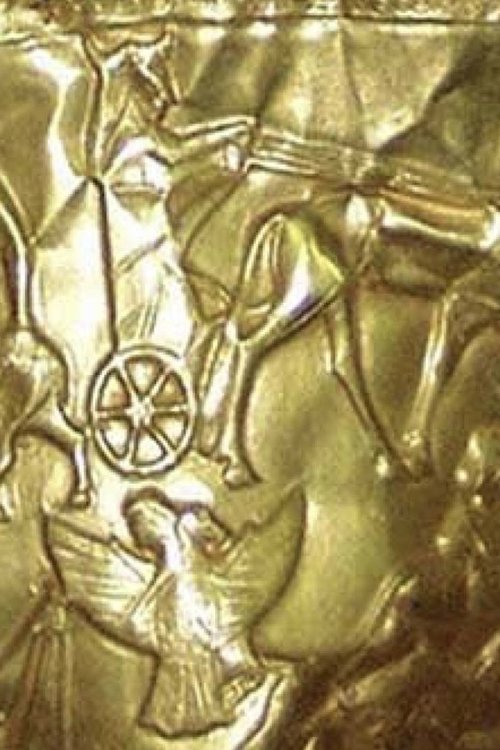
For the 50th anniversary of the discovery of the Hassanlou Cup, Aslani revisited the subject of his 1966 debut film, employing new digital zoom and color technologies and interweaving his own modern poetic verses with those of the 12th-century poet Attar. The film is a portrait of the artist as an older and more contemplative man.
Hassanlou Cup: I Said to Contemplate This Dividing

Story of the Hassanlou chalice, which becomes the story of Halladj.