
Gene Raymond
Acting
Biography
Gene Raymond, born Raymond Guion, was an American film, television, and stage actor of the 1930s and 1940s. In addition to acting, Raymond was also a composer, writer, director, producer, and decorated military pilot. His screen debut was in Personal Maid (1931). Another early appearance was in the multi-director If I Had a Million with W. C. Fields and Charles Laughton. With his blond good looks, classic profile, and youthful exuberance — plus a name change to the more pronounceable "Gene Raymond" — he scored in films like the classic Zoo in Budapest with Loretta Young, and a series of light RKO musicals, mostly with Ann Sothern. He wrote a number of songs, including the popular "Will You?" which he sang to Sothern in Smartest Girl in Town. His wife, Jeanette MacDonald, sang several of his more classical pieces in her concerts and recorded one entitled "Let Me Always Sing". His most notable films, mostly as a second lead actor, include Red Dust (1932) with Jean Harlow and Clark Gable, Zoo in Budapest with Loretta Young, Ex-Lady with Bette Davis, Flying Down to Rio with Dolores del Río, Fred Astaire and Ginger Rogers, I Am Suzanne with Lilian Harvey, Sadie McKee with Joan Crawford, Alfred Hitchcock's Mr. and Mrs. Smith with Carole Lombard and Robert Montgomery, and The Locket with Laraine Day, Brian Aherne, and Robert Mitchum. MacDonald and Raymond made one film together, Smilin' Through, which came out as the U.S. was on the verge of entering World War II. After service in the United States Army Air Forces Raymond returned to Hollywood. He wrote, directed and starred in the 1949 film Million Dollar Weekend. In later years he appeared in only a few films. His last major film was The Best Man in 1964 with Henry Fonda and Cliff Robertson. In the 1950s he mostly worked in television, appearing in Playhouse of Stars, Fireside Theatre, Hollywood Summer Theater and TV Reader's Digest. In the 1970s he appeared on ABC Television Network's Paris 7000 and had guest roles in The Outer Limits, Robert Montgomery Presents, Playhouse 90, The Man from U.N.C.L.E., Ironside, The Defenders, Mannix, The Name of the Game, Lux Video Theatre, Kraft Television Theatre and U.S. Steel Hour. Description above from the Wikipedia article Gene Raymond, licensed under CC-BY-SA, full list of contributors on Wikipedia.
Known For
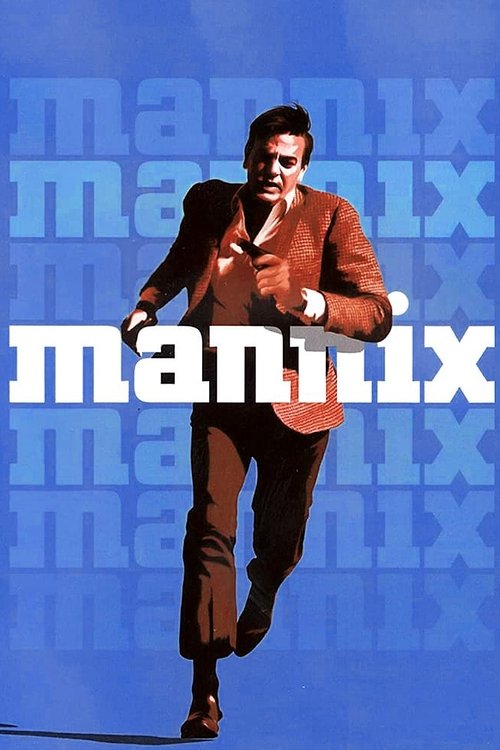
Mannix is an American television detective series that ran from 1967 through 1975 on CBS. Created by Richard Levinson and William Link and developed by executive producer Bruce Geller, the title character, Joe Mannix, is a private investigator. He is played by Mike Connors. Mannix was the last series produced by Desilu Productions.
Mannix
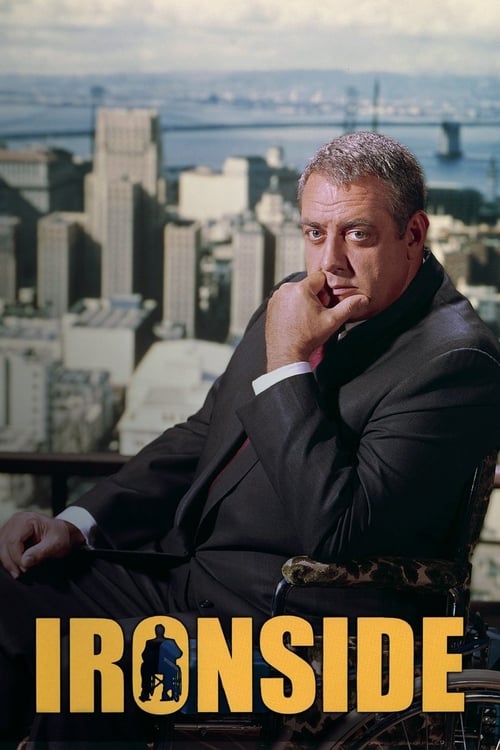
When an assassin's bullet confines him to a wheelchair for life ending his career as Chief of Detectives, Robert T. Ironside becomes a consultant to the police department. Detective Sergeant Ed Brown and policewoman Eve Whitfield join with him to crack varied and fascinating cases. Ex-con Mark Sanger is employed by the chief as home help but eventually becomes a fully fledged member of the team also. Officer Whitfield leaves after 4 years service, and is replaced by Officer Fran Belding.
Ironside
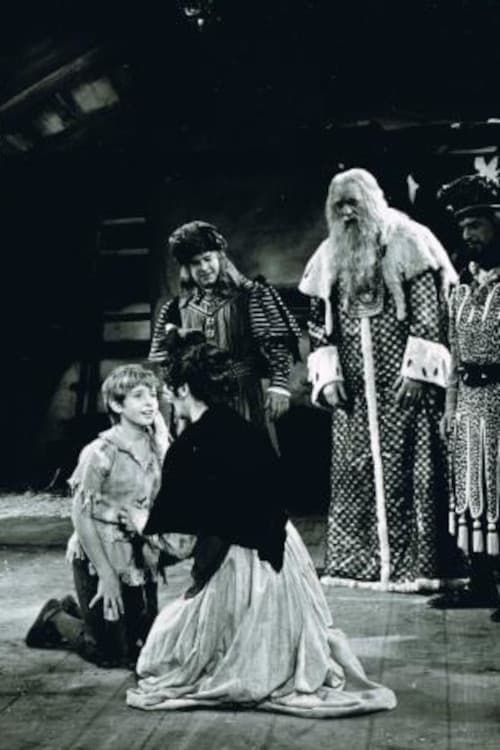
Matinee Theater is an American anthology series that aired on NBC during the Golden Age of Television, from 1955 to 1958. The series, which ran daily in the afternoon, was frequently live. It was produced by Albert McCleery, Darrell Ross, George Cahan and Frank Price with executive producer George Lowther. McCleery had previously produced the live series Cameo Theatre which introduced to television the concept of theater-in-the-round, TV plays staged with minimal sets. Jim Buckley of the Pewter Plough Playhouse recalled: When Al McCleery got back to the States, he originated a most ambitious theatrical TV series for NBC called Matinee Theater: to televise five different stage plays per week live, airing around noon in order to promote color TV to the American housewife as she labored over her ironing. Al was the producer. He hired five directors and five art directors. Richard Bennett, one of our first early presidents of the Pewter Plough Corporation, was one of the directors and I was one of the art directors and, as soon as we were through televising one play, we had lunch and then met to plan next week’s show. That was over 50 years ago, and I’m trying to think; I believe the TV art director is his own set decorator —yes, of course! It had to be, since one of McCleery’s chief claims to favor with the producers was his elimination of the setting per se and simply decorating the scene with a minimum of props. It took a bit of ingenuity.
Matinee Theater
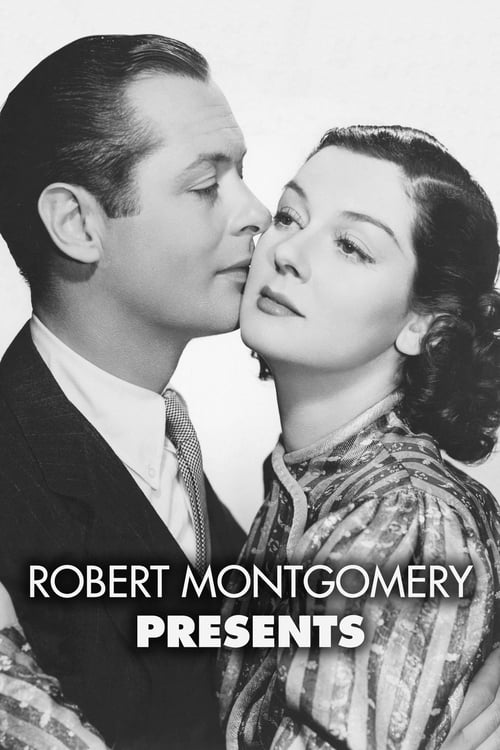
Robert Montgomery Presents is an American dramatic television series which was produced by NBC from January 30, 1950 until June 24, 1957. The live show had several sponsors during its seven-year run, and the title was altered to feature the sponsor, usually Lucky Strike cigarettes, for example, Robert Montgomery Presents Your Lucky Strike Theater, ....The Johnson's Wax Program, and so on.
Robert Montgomery Presents
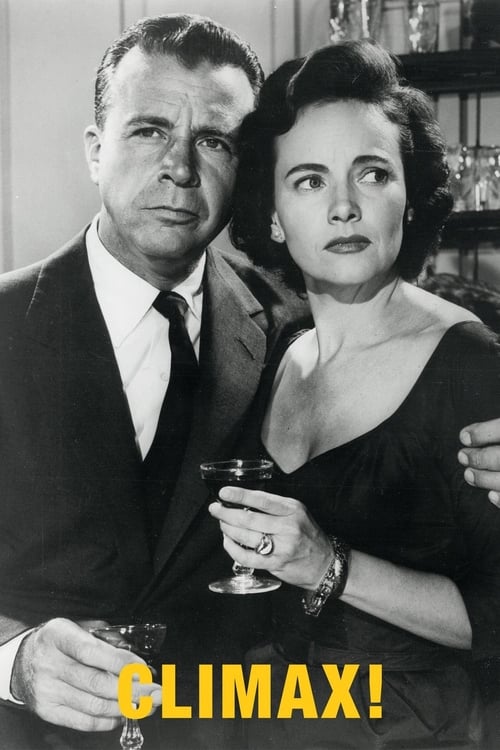
Climax! is an American anthology series that aired on CBS from 1954 to 1958. The series was hosted by William Lundigan and later co-hosted by Mary Costa. It was one of the few CBS programs of that era to be broadcast in color. Many of the episodes were performed and broadcast live.
Climax!
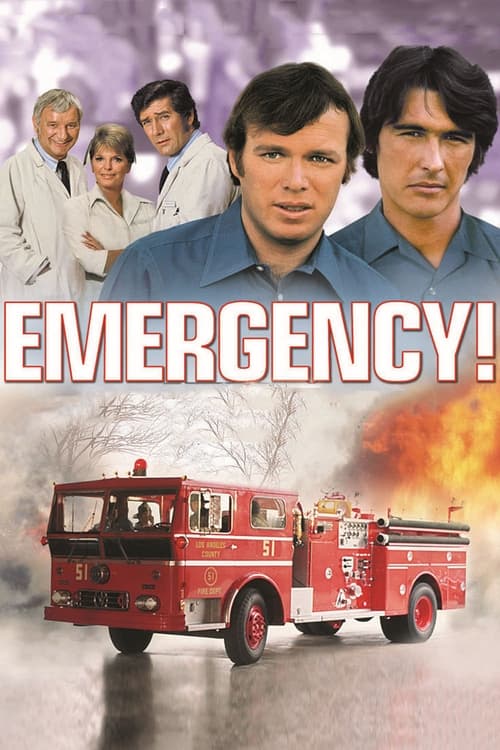
The crew of Los Angeles County Fire Department Station 51, particularly the paramedic team, and Rampart Hospital respond to emergencies in their operating area.
Emergency!
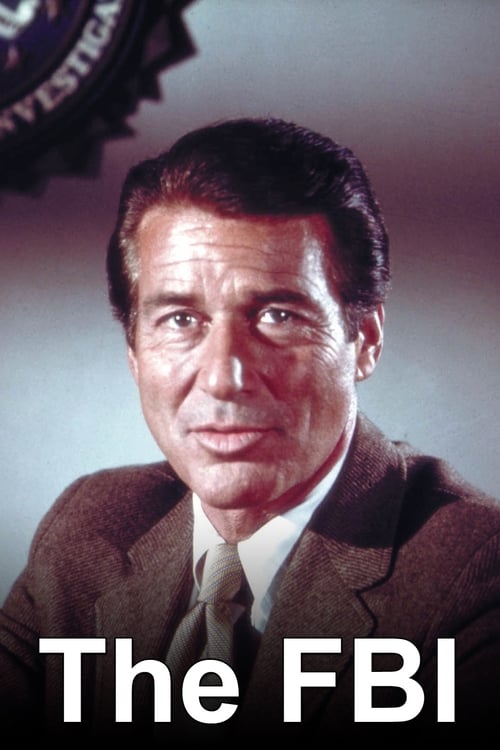
The F.B.I. is an American television series that was broadcast on ABC from 1965 to 1974. It was sponsored by the Ford Motor Company, and the characters almost always drove Ford vehicles in the series. Alcoa was co-sponsor of Season One only.
The F.B.I.
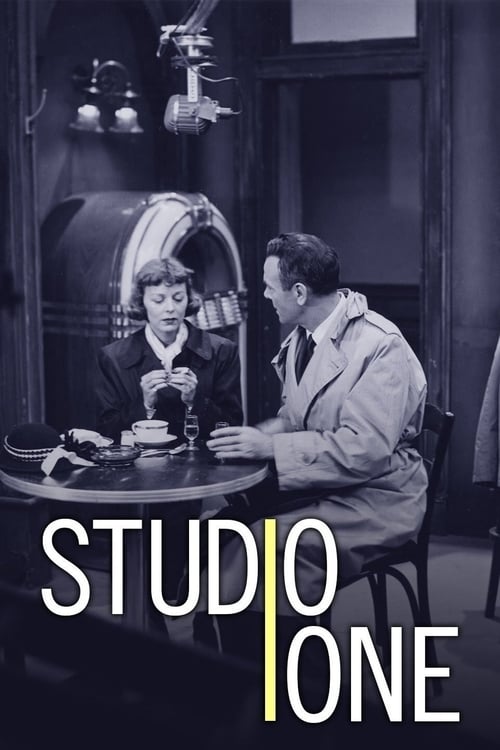
An American radio–television anthology series, created in 1947 by Canadian director Fletcher Markle, who came to CBS from the CBC. Studio One, presented by Westinghouse, was one of the first of the anthology TV programs. The episodes were often abridged remakes of movies from years gone by and many future well-known television and movie actors appeared in the productions.
Studio One
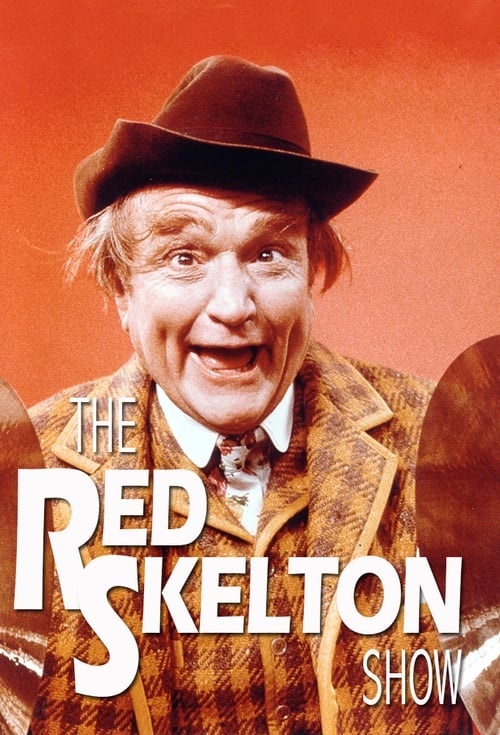
The Red Skelton Show is an American variety show that was a television staple for two decades, from 1951 to 1971. It was second to Gunsmoke and third to The Ed Sullivan Show in the ratings during that time. Skelton, who had previously been a radio star, had appeared in several motion pictures as well. Although his television series is largely associated with CBS, where it appeared for more than fifteen years, it actually began and ended on NBC. During its run, the program received three Emmy Awards, for Skelton as best comedian and the program as best comedy show during its initial season, and an award for comedy writing in 1961.
The Red Skelton Show
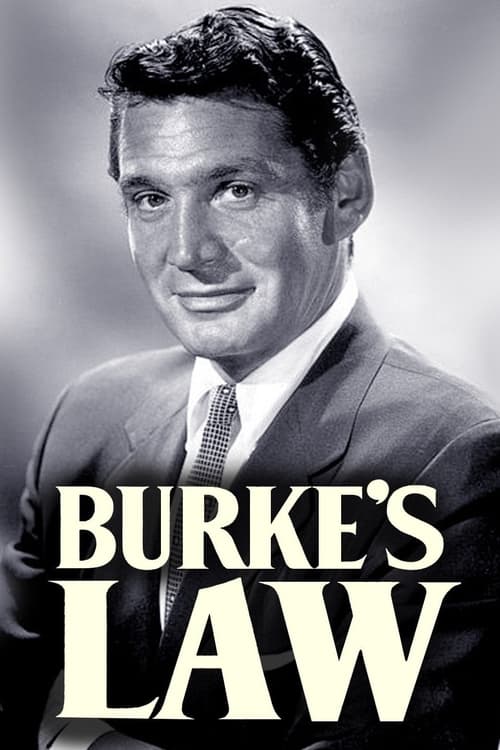
Burke's Law is an American detective series that ran on ABC from 1963 to 1965 and was revived on CBS in the 1990s. The show starred Gene Barry as Amos Burke, millionaire captain of Los Angeles police homicide division, who was chauffeured around to solve crimes in his Rolls-Royce Silver Cloud II.
Burke's Law

The Ed Sullivan Show is an American TV variety show that originally ran on CBS from Sunday June 20, 1948 to Sunday June 6, 1971, and was hosted by New York entertainment columnist Ed Sullivan. It was replaced in September 1971 by the CBS Sunday Night Movie, which ran only one season and was eventually replaced by other shows. In 2002, The Ed Sullivan Show was ranked #15 on TV Guide's 50 Greatest TV Shows of All Time.
The Ed Sullivan Show
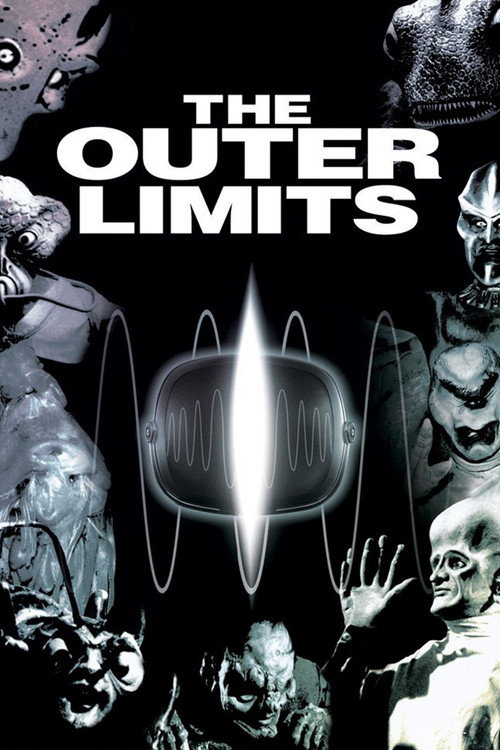
The Outer Limits is an anthology tv series of self-contained sci-fi-horror stories, sometimes with a plot twist at the end.
The Outer Limits
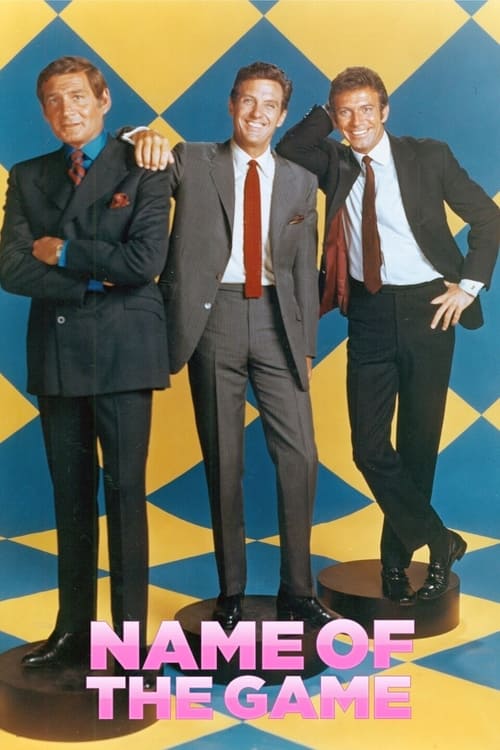
The Name of the Game is an American television series starring Tony Franciosa, Gene Barry, and Robert Stack that ran from 1968 to 1971 on NBC, totaling 76 episodes of 90 minutes. It was a pioneering wheel series, setting the stage for The Bold Ones and the NBC Mystery Movie in the 1970s. The show had an extremely large budget for a television series.
The Name of the Game
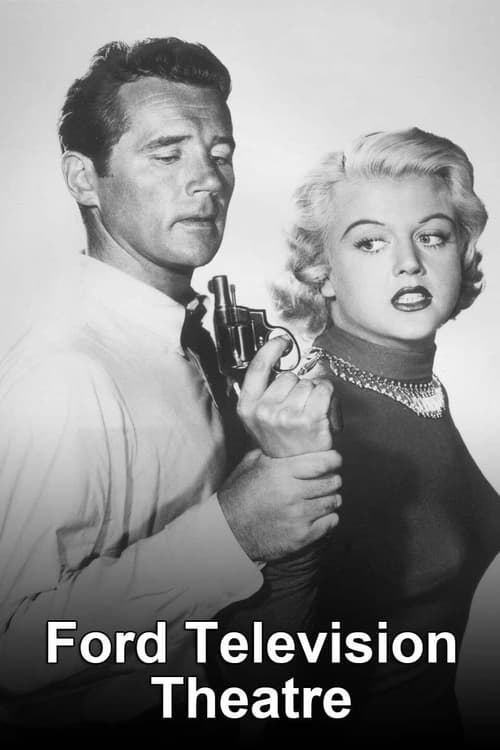
This show started in New York City, with Broadway actors and actresses. It then moved to Hollywood, California, where Hollywood actors and actresses headed the cast.
The Ford Television Theatre
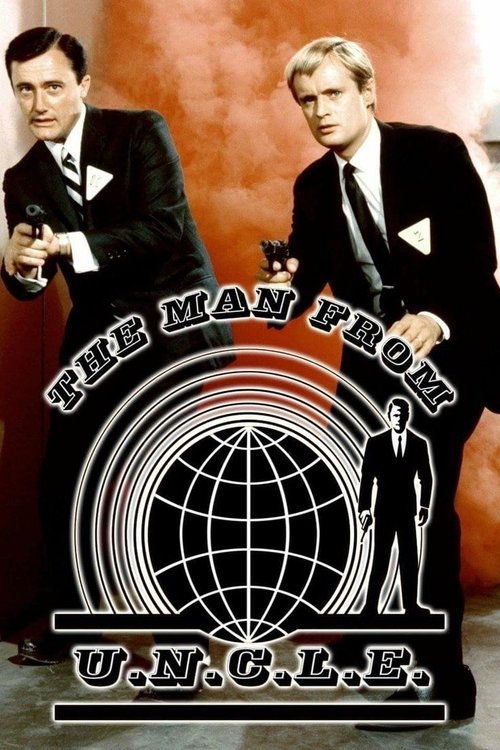
Agents Napoleon Solo and Illya Kuryakin work for a secret intelligence service working under the auspices of the U.N. Their immediate superior is Mr. Waverly. Together they operate out of a secret base beneath the streets of New York City, and accesses through several cover business such as Del Floria's Tailor Shop and the Masque Club. This secret intelligence service is called U.N.C.L.E. United Network Command for Law and Enforcement.
The Man from U.N.C.L.E.
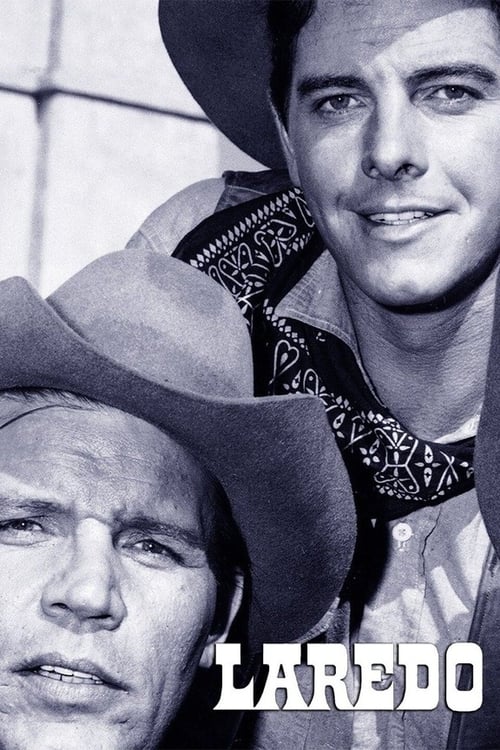
Laredo is an American Western television series that aired on NBC from September 16, 1965, to April 7, 1967. Laredo stars Neville Brand, William Smith, Peter Brown, and Philip Carey as Texas Rangers. It is set on the Mexican border about Laredo, Texas. The program was produced by Universal Television. The pilot episode of Laredo aired on NBC's The Virginian under the title, "We've Lost a Train". It was released theatrically in 1969 under the title Backtrack. Three episodes from the first season of the series were edited into the 1968 feature film Three Guns for Texas.
Laredo
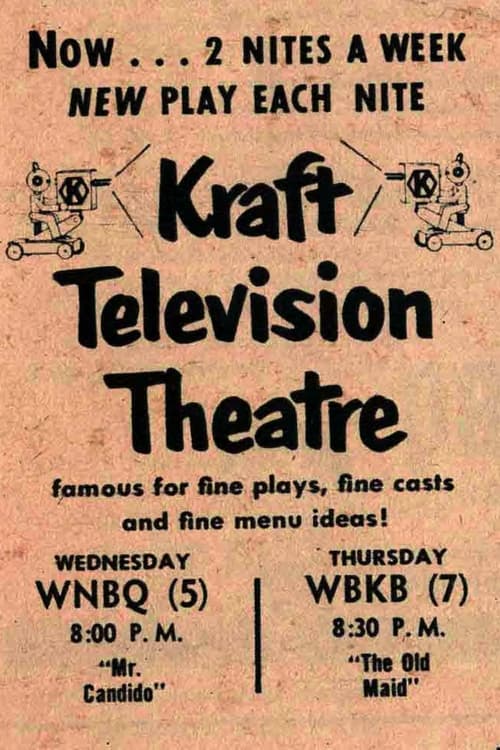
Kraft Television Theater is an American, well-received anthology series presenting live television dramas.
Kraft Television Theatre
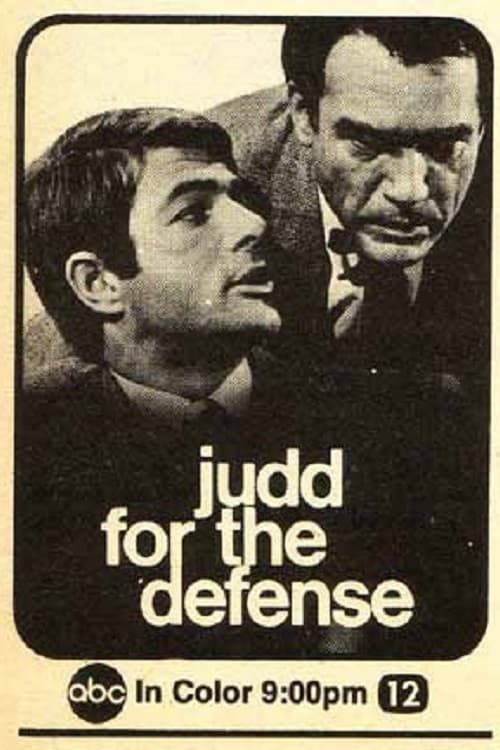
High-priced Houston lawyer Clinton Judd and his assistant Ben Caldwell take difficult cases throughout the U.S.
Judd, for the Defense
Lux Video Theatre is an American anthology series that was produced from 1950 until 1959. The series presented both comedy and drama in original teleplays, as well as abridged adaptations of films and plays.
Lux Video Theatre
Tales of Tomorrow is an American anthology science fiction series that was performed and broadcast live on ABC from 1951 to 1953. The series covered such stories as Frankenstein, starring Lon Chaney, Jr., 20,000 Leagues Under the Sea starring Thomas Mitchell as Captain Nemo, and many others featuring such performers as Boris Karloff, Brian Keith, Lee J. Cobb, Rod Steiger, Bruce Cabot, Franchot Tone, Gene Lockhart, Walter Abel, Leslie Nielsen, and Paul Newman. The series had many similarities to the later Twilight Zone which also covered one of the same stories, "What You Need". In total it ran for eighty-five 30-minute episodes.