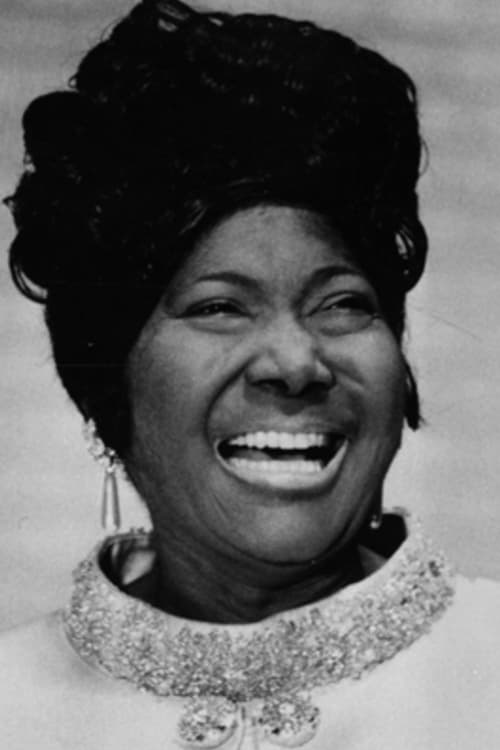
Mahalia Jackson
Acting
Biography
From Wikipedia, the free encyclopedia Mahalia Jackson (October 26, 1911 – January 27, 1972) was an American gospel singer. Possessing a contralto voice, she was referred to as "The Queen of Gospel". She became one of the most influential gospel singers in the world and was heralded internationally as a singer and civil rights activist. She recorded about 30 albums (mostly for Columbia Records) during her career, and her 45 rpm records included a dozen "golds" (million-sellers).
Known For
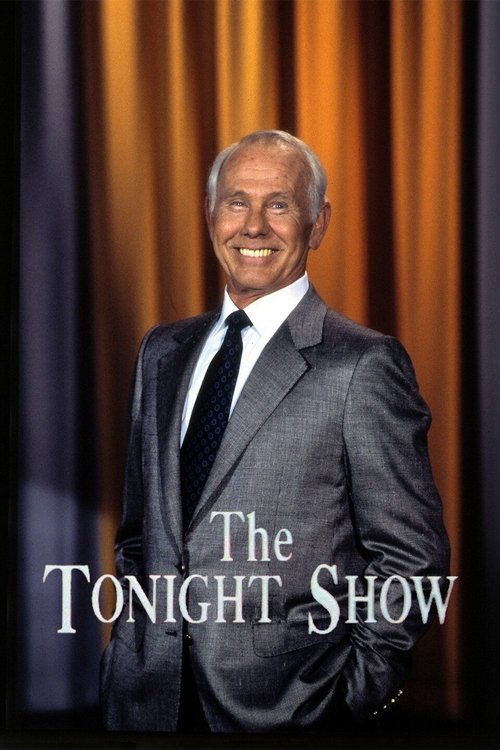
The Tonight Show Starring Johnny Carson is a talk show hosted by Johnny Carson under The Tonight Show franchise from 1962 to 1992. It originally aired during late-night. For its first ten years, Carson's Tonight Show was based in New York City with occasional trips to Burbank, California; in May 1972, the show moved permanently to Burbank, California. In 2002, The Tonight Show Starring Johnny Carson was ranked #12 on TV Guide's 50 Greatest TV Shows of All Time.
The Tonight Show Starring Johnny Carson
The Mike Douglas Show is an American daytime television talk show hosted by Mike Douglas that originally aired only in the Cleveland area during much of its first two years on the air. It then went into syndication in 1963 and remained on television until 1982. It was distributed by Westinghouse Broadcasting and for much of its run, originated from studios of two of the company's TV stations in Cleveland and Philadelphia.
The Mike Douglas Show
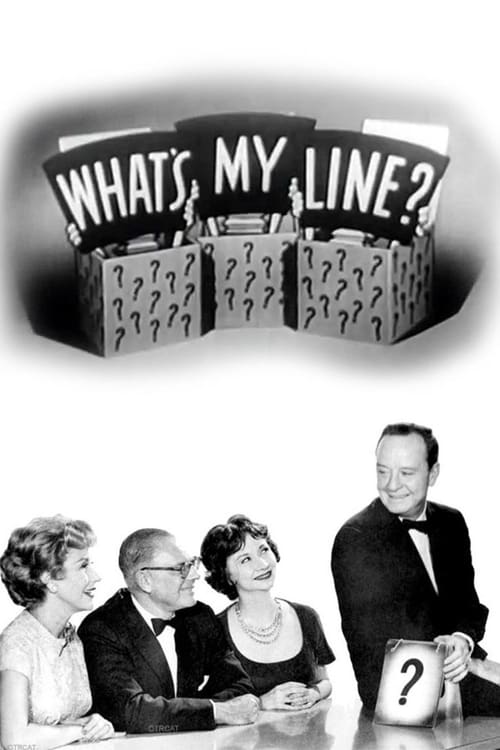
Four panelists must determine guests' occupations - and, in the case of famous guests, while blindfolded, their identity - by asking only "yes" or "no" questions.
What's My Line?
No description available.
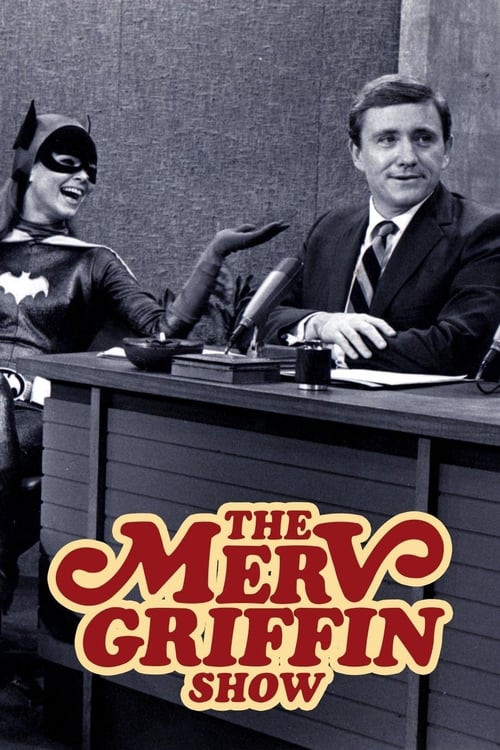
The Merv Griffin Show

The Ed Sullivan Show is an American TV variety show that originally ran on CBS from Sunday June 20, 1948 to Sunday June 6, 1971, and was hosted by New York entertainment columnist Ed Sullivan. It was replaced in September 1971 by the CBS Sunday Night Movie, which ran only one season and was eventually replaced by other shows. In 2002, The Ed Sullivan Show was ranked #15 on TV Guide's 50 Greatest TV Shows of All Time.
The Ed Sullivan Show
No description available.
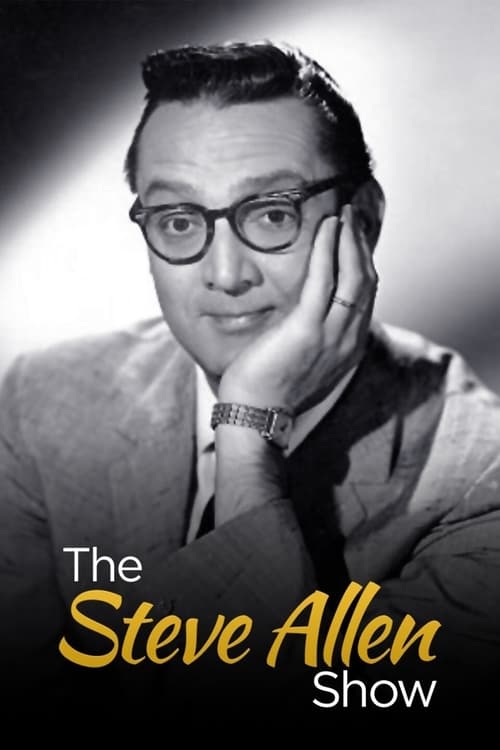
The Steve Allen Show
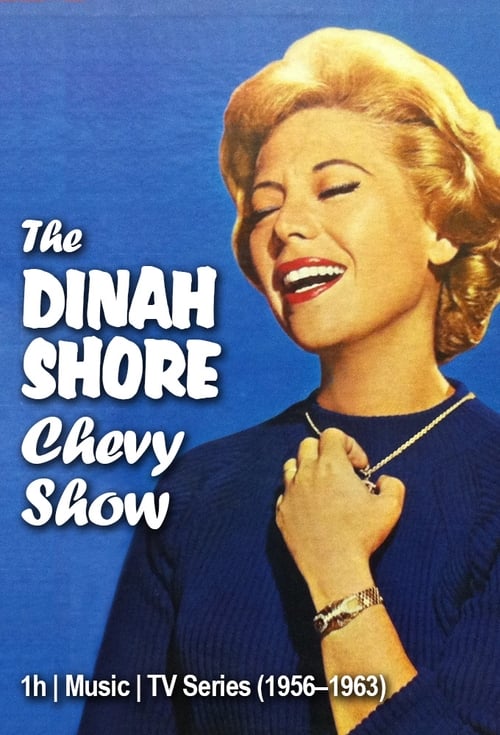
The Dinah Shore Chevy Show is an American variety series hosted by Dinah Shore, and broadcast on NBC from October 1956 to June 1963. The series was sponsored by the Chevrolet Motor Division of General Motors and its theme song, sung by Shore, was "See the U.S.A. in Your Chevrolet", which continued to be used in Chevrolet advertising for several more years after the cancellation of the show.
The Dinah Shore Chevy Show
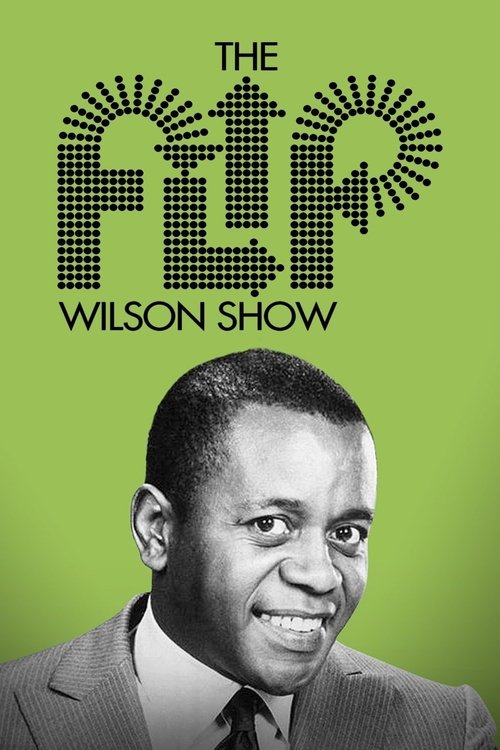
The Flip Wilson Show is an hour long variety show that aired in the U.S. on NBC from September 17, 1970 to June 27, 1974. The show starred American comedian Flip Wilson; the program was one of the first American television programs starring a black person in the title role to become highly successful with a white audience. Specifically, it was the first successful network variety series starring an African American. During its first two seasons, its Nielsen ratings made it the nation's second most watched show. The show consisted of many skits over an hour. It also broke new ground in American television by using a 'Theatre-in-the-Round' stage format, with the audience seated on all sides of a circular performance area. Wilson was most famous for creating the role of Geraldine Jones, a sassy, modern woman who had a boyfriend named Killer. Flip also created the role of Reverend Leroy, who was the minister of the Church of What's Happening Now!. New parishioners were wary of coming to the church as it was hinted that Reverend Leroy was a con artist. Wilson popularized such catchphrases as "What you see is what you get", and "The devil made me do it!".
The Flip Wilson Show
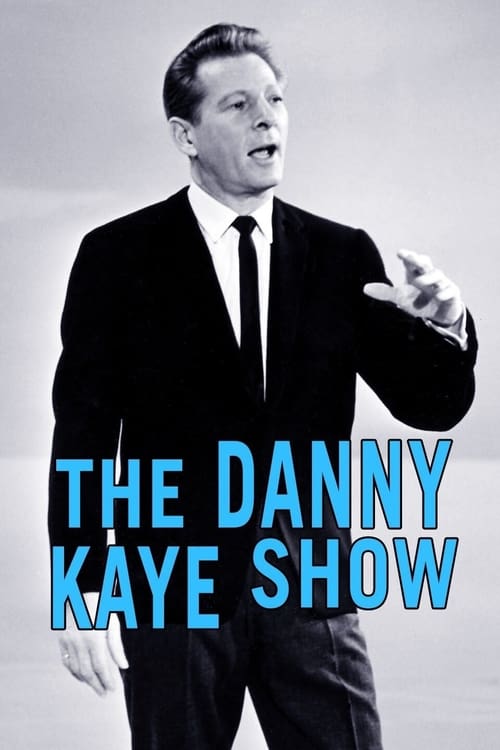
The Danny Kaye Show is an American variety show hosted by Danny Kaye that aired on CBS from 1963 to 1967 on Wednesday nights. Directed by Robert Scheerer, the show premiered in black-and-white, but later switched to color broadcasts. At the time, Kaye was at the height of his popularity, having starred in a string of successful films in the 1940s and '50's, made successful personal appearances at such venues as the London Palladium, and appeared many times on television. His most recent films had been considered disappointing, but the television specials he starred in were triumphant, leading to this series. Prior to his television and film career, Kaye had made a name for himself with his own radio show, and numerous other guest appearances on other shows.
The Danny Kaye Show
The Hollywood Palace is an hour-long American television variety show that was broadcast weekly on ABC from January 4, 1964 to February 7, 1970. Originally titled The Saturday Night Hollywood Palace, it began as a mid-season replacement for The Jerry Lewis Show, another variety show which had lasted only three months. It was staged in Hollywood at the former Hollywood Playhouse on Vine Street, which was renamed The Hollywood Palace during the show's duration and is today known as Avalon Hollywood. A little-known starlet named Raquel Welch was cast during the first season as the "Billboard Girl", who placed the names of the acts on a placard.
The Hollywood Palace
“The Bell Telephone Hour” was a musical variety show that aired on “NBC” TV from 12 January 1959 to 14 June 1968 that showcased the best in Broadway, Classical, Concert, Jazz and Popular music each week. The series had its’ own house band appropriately named the “Bell Telephone Orchestra”. The show also had its’ own theme song being the “Bell Waltz” composed by “Donald Voorhees” who was also the show's Orchestra conductor. Some of the greatest violinists of the 1960’s performed on this show that aired in the old “Black & White” format. Some of these great violinists included “Erica Mornin”, “Isaac Stern", "Michael Rabin", "Ruggiero Ricci", "Yehudi Menuhin" and "Zino Francesacatti". From time to time some of the great singers and bandleaders of the 1960’s would perform on the show as well. Some of these were “Bing Crosby”, “Gordon MacRae”, “John Gary”, “Leslie Uggams”, “Mary Martin”, “Nelson Eddy”, “Patti Page” and “Roy Rogers”. The TV show followed on the heels of its’ predecessor with the same name on “NBC” radio that aired from 29 April 1940 to 1958 on Monday nights at 8 PM. The name of the show was derived from its’ Major sponsor “Bell Telephone Laboratories”. The TV version began airing on Friday nights at 8:30 PM once a month. It later was given it’s same time slot now airing every other week alternating with another show on the other weeks such as News shows and specials. The show time slot changed quite often over the years. In September 1960 it aired at 9 PM and in September 1961 it moved to 9:30 PM. In October 1963 it moved to Tuesday nights at 10 PM, September 1965 it moved to Sunday night at 6:30 PM and in September 1967 it made its' final move back to Friday night at 10 PM.
The Bell Telephone Hour
DuPont Show of the Month is an acclaimed 90-minute television anthology series that aired monthly on CBS from 1957 to 1961. The DuPont Company also sponsored a weekly half-hour anthology drama series hosted by June Allyson, The DuPont Show with June Allyson. During the Golden Age of Television, DuPont Show of the Month was one of numerous anthology series telecast between 1949 and 1962. Superficially, it resembled Playhouse 90 and other anthologies, but DuPont Show of the Month focused less on contemporary dramas and more on adaptations of literary classics, including Oliver Twist, The Prince and the Pauper, Billy Budd, The Prisoner of Zenda, A Tale of Two Cities and The Count of Monte Cristo.
DuPont Show of the Month
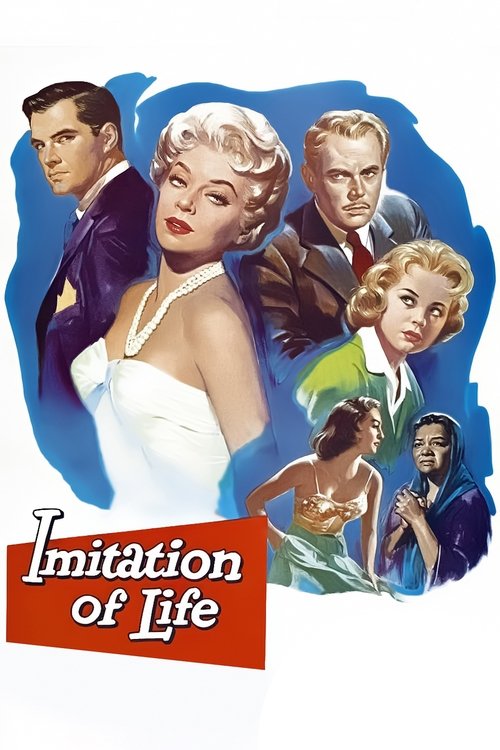
In 1940s New York, a white widow who dreams of being on Broadway has a chance encounter with a black single mother, who becomes her maid.
Imitation of Life
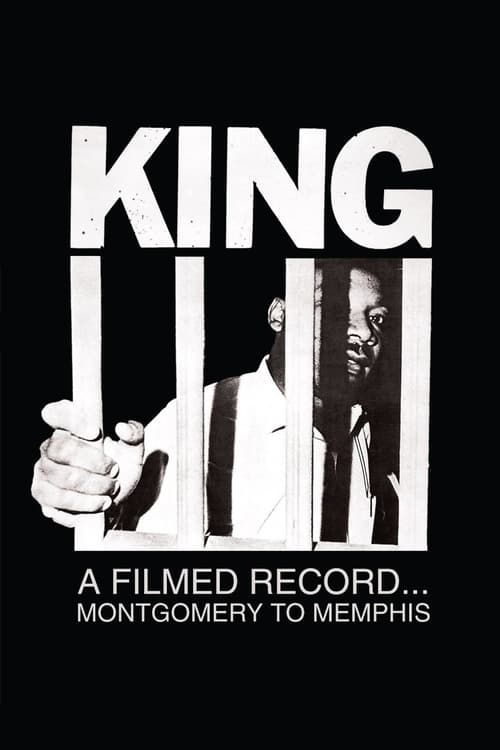
A presentation of key events in the life of civil rights activist Martin Luther King Jr. Beginning with the 1955 bus boycott in Montgomery, Alabama, MLK is followed through major steps in his struggle to promote racial equality. Including footage of King's stirring speeches, it is a fitting tribute to his legacy, and features clips narrated by a wide range of celebrities, including Harry Belafonte, Paul Newman Charlton Heston, Ruby Dee, Burt Lancaster, Anthony Quinn, Walter Matthau, Ben Gazzara, Clarence Williams III, Joanne Woodward, and James Earl Jones.
King: A Filmed Record... Montgomery to Memphis
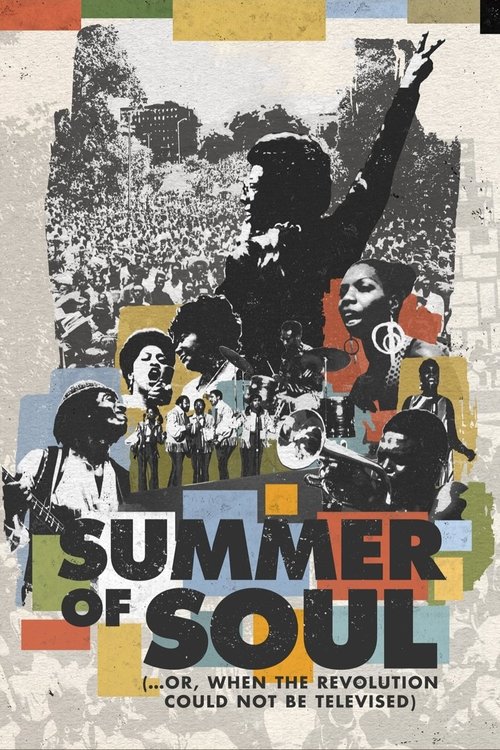
During the same summer as Woodstock, over 300,000 people attended the Harlem Cultural Festival, celebrating African American music and culture, and promoting Black pride and unity. The footage from the festival sat in a basement, unseen for over 50 years, keeping this incredible event in America's history lost — until now.
Summer of Soul (...Or, When the Revolution Could Not Be Televised)
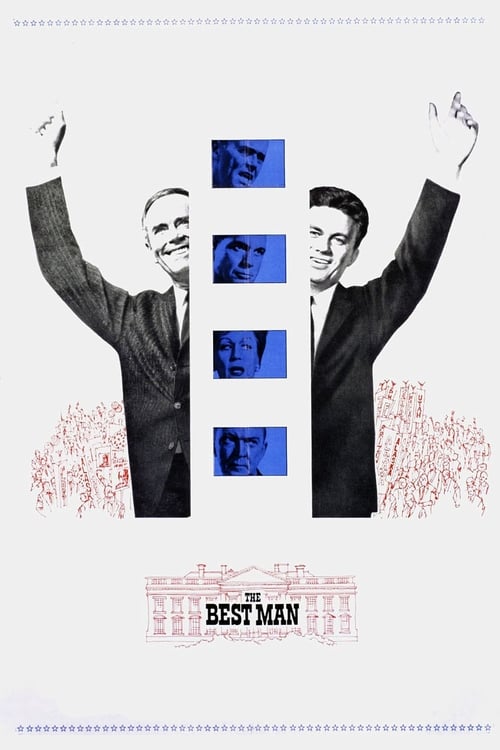
The other party is in disarray. Five men vie for the party nomination for president. No one has a majority as the first ballot closes and the front-runners begin to decide how badly they want the job.
The Best Man
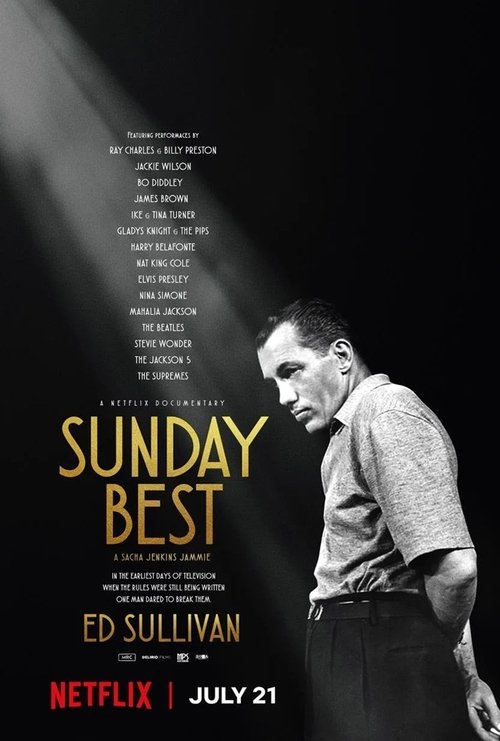
Ed Sullivan broke barriers by booking Black artists on his Sunday night variety show. This documentary spotlights the TV pioneer's legacy of equality.
Sunday Best: The Untold Story of Ed Sullivan
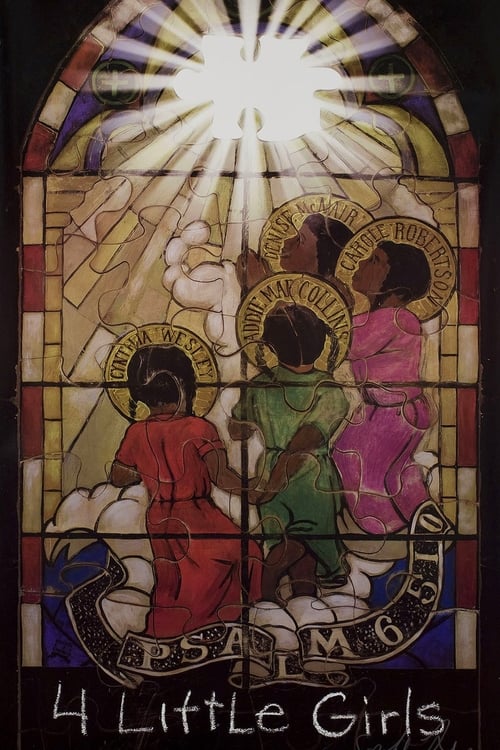
On September 15, 1963, a bomb destroyed a black church in Birmingham, Alabama, killing four young girls who were there for Sunday school. It was a crime that shocked the nation--and a defining moment in the history of the civil-rights movement. Spike Lee re-examines the full story of the bombing, including a revealing interview with former Alabama Governor George Wallace.
4 Little Girls

Will Handy grows up in Memphis with his preacher father and his Aunt Hagar. His father intends for him to use his musical gifts only in church, but he can't stay away from the music of the streets and workers. After he writes a theme song for a local politician, Gogo, a speakeasy singer, convinces Will to be her accompanist. Will is estranged from his father for many years while he writes and publishes many blues songs. At last the family is reunited when Gogo brings them to New York to see Will's music played by a symphony orchestra.
St. Louis Blues
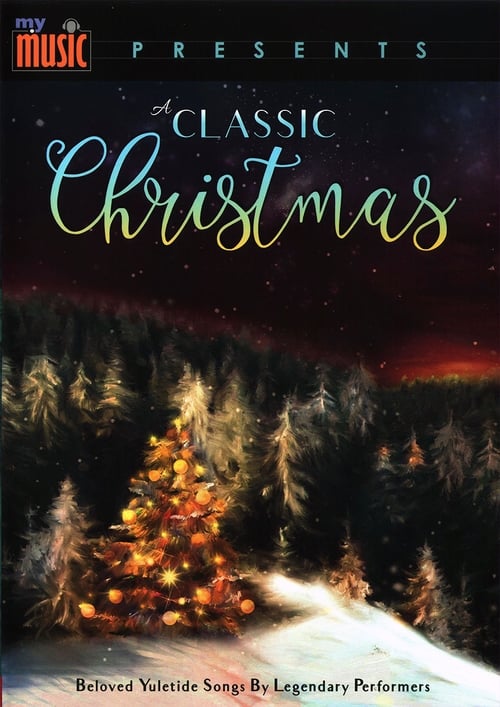
Gavin MacLeod and Marion Ross host a Christmas celebration that features classic performances of popular holiday standards and traditional carols performed, throughout decades past, by an array of artists, including Andy Williams, Bing Crosby, Perry Como, Johnny Mathis, Brenda Lee, Eddy Arnold, Nat King Cole, Judy Garland, Mitch Miller and the Gang, Gene Autry, Jimmy Boyd, the Supremes, Rosemary Clooney, the Lennon Sisters, Burl Ives, Mahalia Jackson, Mitzi Gaynor, Julie Andrews, the Beach Boys, the Carpenters, Jose Feliciano, the Drifters, Ronnie Spector, the Harry Simeone Chorale, and David Bowie.