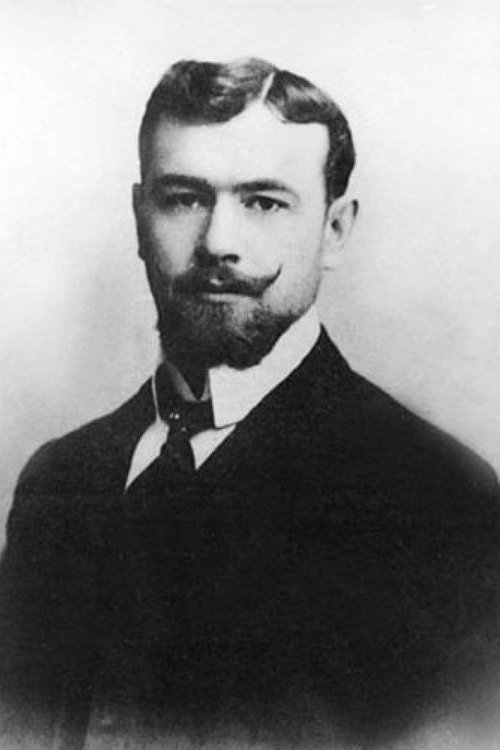
Aleksandr Khanzhonkov
Production
Biography
In 1906 he opened the A. Khanzhonkov Trading House (since 1912 - A. Khanzhonkov & K JSC), the first Russian company selling and renting foreign films. Since 1907, he began production of game productions and chronicles. One of the founders of Russian cinematography. Vladislav Starevich, Eugene Bauer, Petr Chardynin, Vera Kholodnaya, Ivan Mozhuhin, Vera Caralli, Vitold Polonsky, Ivan Perestiani and others. In 1920, he emigrated after the nationalization of film enterprises. He lived in Constantinople, Milan, Venice and other European cities. In 1922 he was elected honorary chairman of the Union of Russian Cinema Figures of Germany. In 1923, at the invitation of Rusfilm, he returned to the USSR, worked as a consultant in Goskino, head. production of "Proletkino". In 1926 he was arrested among others. However, they had extra opportunities to work in professions. Rehabilitated in 1934. In the same year, in connection with the 15th anniversary of Soviet cinema, he received a personal state award. The author of memoirs published in the book "The First Years of Russian Cinematography" (1937) and other publications; essays published in the 1960s. He died on September 26, 1945 in Yalta, in poverty and complete oblivion.
Known For

No description available.
When Idols Were Gone
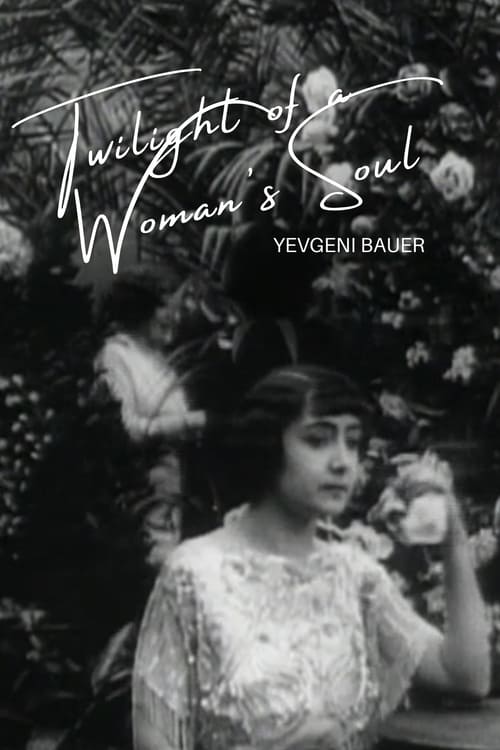
Despite living in luxury, Vera is lonely and discontented. When she accompanies her mother, the Countess, on a charity visit to the poor, she is troubled by what she sees, and she resolves to do whatever she can to help them…
Twilight of a Woman's Soul
No description available.
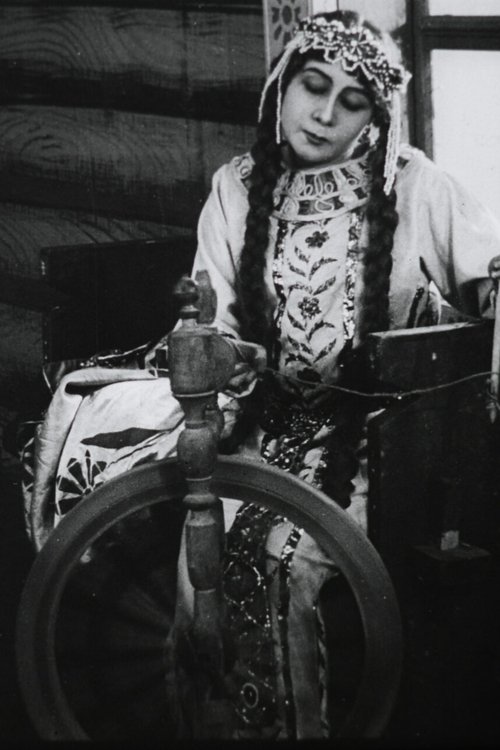
The Tale of the Sleeping Princess and the Seven Knights
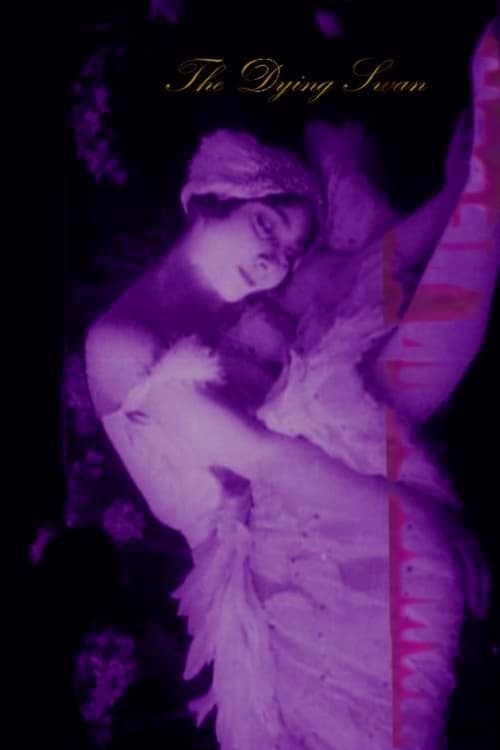
After being betrayed by her playboy lover, a heartbroken mute young woman joins a ballet company; during a performance of “The Dying Swan,” she enraptures a painter obsessed with portraying death genuinely.
The Dying Swan
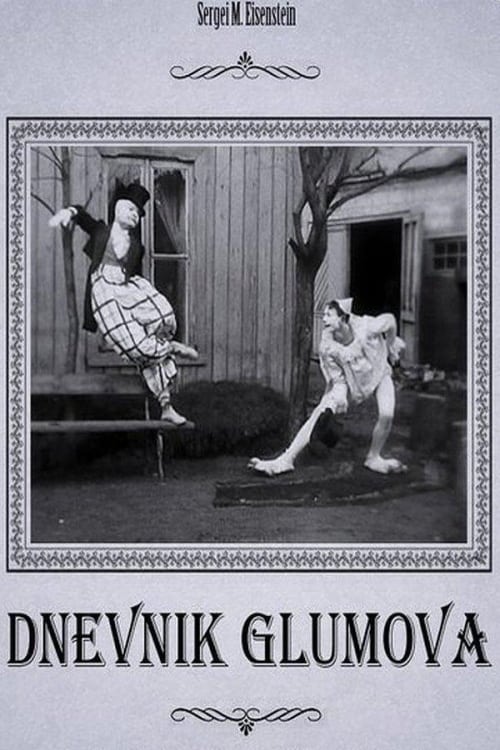
Filmic insert to Eisenstein's modernized, free adaptation of Ostrovskiy's 19th-century Russian stage play, "The Wise Man" ("Na vsyakogo mudretsa dovolno prostoty"). The anti-hero Glumov tries to escape exposure in the midst of acrobatics, derring-do, and farcical clowning. Several members of Eisenstein's troupe at the legendary "Proletkult" stage theatre in Moscow briefly appear in this little film.
Glumov's Diary
A jilted husband takes his revenge by filming his wife and her lover and showing the result at the local cinema.
The Cameraman's Revenge

The picture tells the story of Maria, a devoted wife of a bank employee. The couple has a cozy life; they have a baby but he is cared for by their maid so Maria can spend her time doing terrific things like going shopping. During one of these consumer afternoons, Maria meets by chance an old friend, Lidia, who will introduce her to exclusive idle class social circles. Soon Maria's beauty attracts the interest of Lebedev, a rich old libertine. From that point on Maria suffers continual sexual harassment which she resists for a time. In the end, however, she falls into his bourgeois claws.
Children of the Age
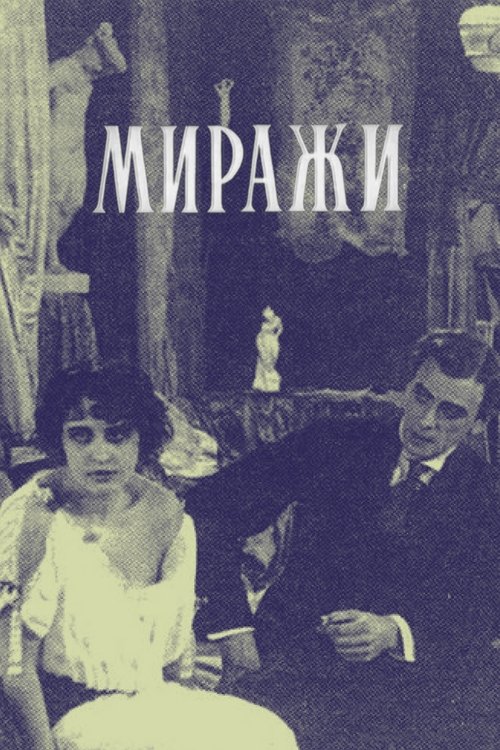
Marianna advertises for work as a reader and is employed by the reclusive millionaire Dymov. Appreciative of her sensitive, artistic nature, and of her youthful innocence and purity, Dymov is protective of Marianna and shields her from the attentions of his philandering playboy son. Marianna confesses to her fiancé Sergei that, at times, she feels deeply conflicted, drawn by the seductive lure of wealth and luxury. When her protector Dymov dies, his son begins to pursue her. Can Marianna resist her attraction to the opulent lifestyle that Dymov's son offers?
Mirages

Based on the story by Pushkin. Pretty young Parasha is living with her widowed mother. Parasha diligently takes care of many household tasks, but she also enjoys flirting with the guards's officers who pass by her window, and she has one particular favourite. One day, Parasha's mother asks her to hire a cook, and to do so as cheaply as possible. Parasha and her beau soon see a way to use this situation to their own advantage.
The Little House in Kolomna
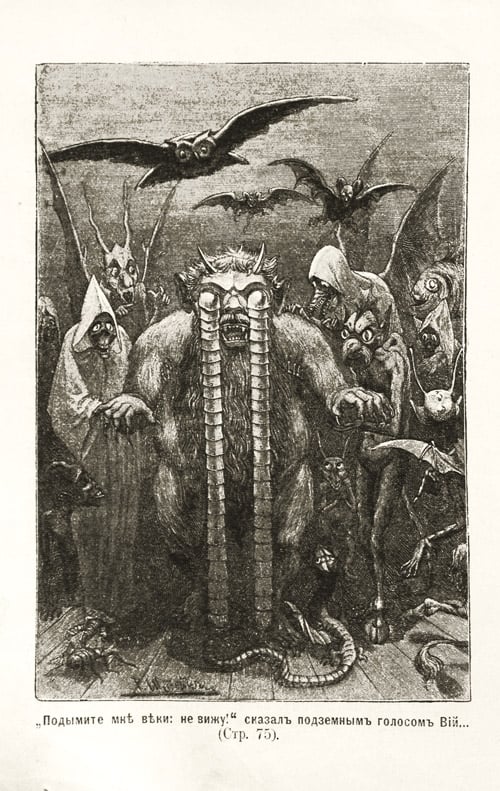
Based on a the horror novella of the same name. First Russian horror film.
Viy
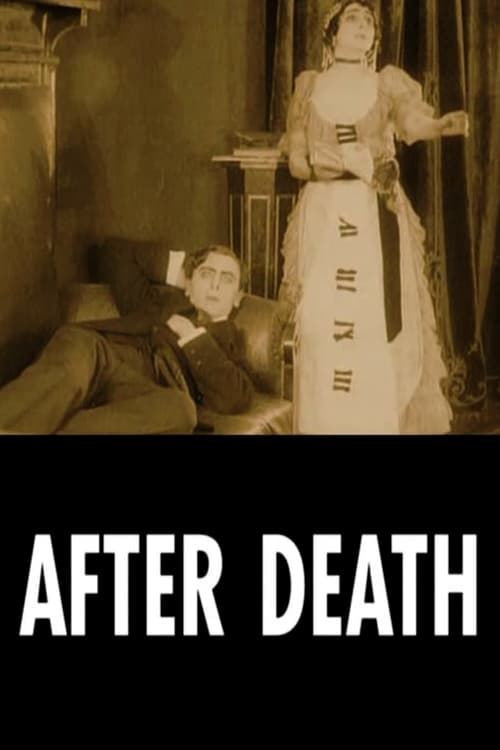
Young scholar Andrei, fascinated by haunting actress Zoia Kadmina, is surprised when she sends him a note. The two have a brief scheduled meeting, then three months later Andrei is shocked to learn she has died. He becomes obsessed with Zoia's memory and decides he must find out all that he can about her.
After Death
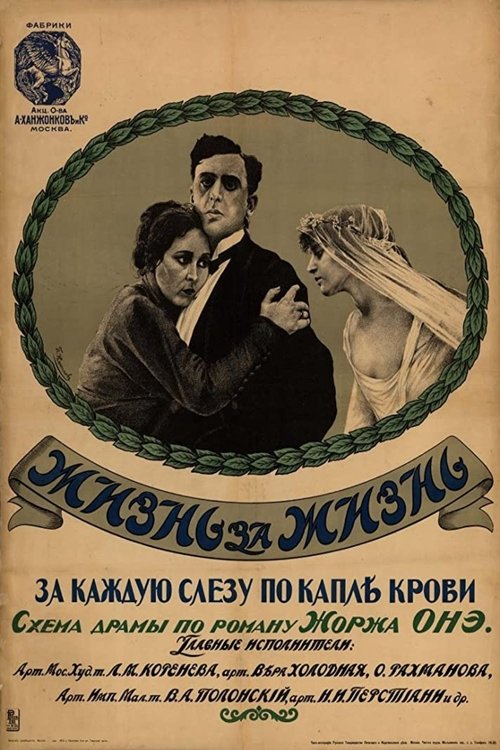
Wealthy Mrs. Khromova has a natural daughter, Musya, and an adopted daughter, Nata. The merchant Zhurov is in love with Nata, and hopes to marry her, but she is non-committal.
A Life for a Life

No description available.
Song of Triumphant Love

Film adaptation of excerpts from Nikolai Gogol's novel of the same name. Only two episodes are recreated faithfully: Chichikov's visit to Sobakevich and Chichikov's visit to Plyushkin. These episodes are followed by a series of scenes in which other characters appear without any connection with the plot. In the finale, everyone is photographed next to the bust of Gogol.
Dead Souls
A group of young people made a bet, according to the terms of which they had to visit a cemetery at midnight.
At Midnight in the Graveyard
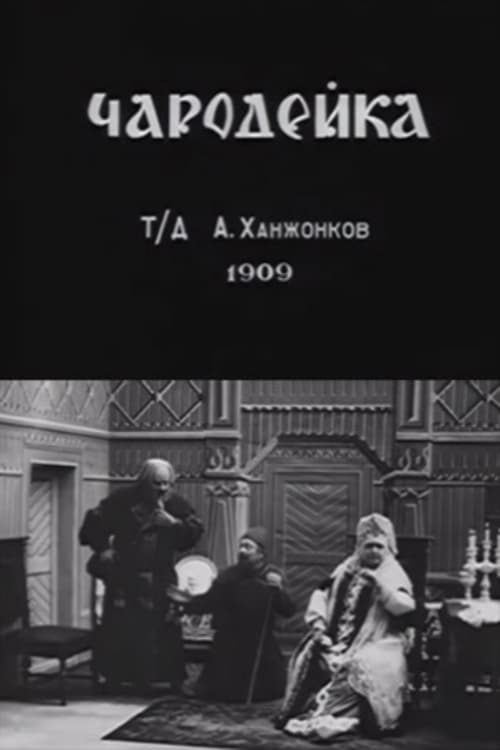
No description available.
The Enchantress
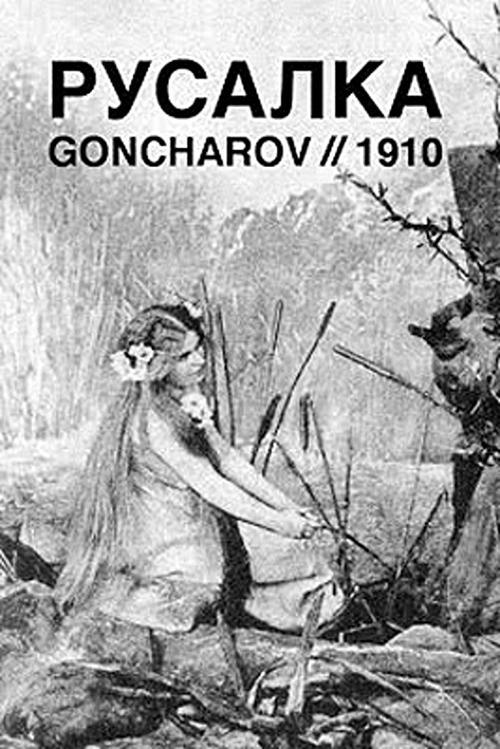
"Rusalka" or "Mermaid" based on Pushkin, an opera by Dargomizhsky, and other sources: A prince and a miller's daughter have been involved in a romance together, but now the prince tells her that he must break it off. After the prince leaves, the distraught young woman attempts to drown herself. When the prince's wedding day arrives, he is tormented by her image, which appears wherever he goes. Eventually, he is compelled to return and to try to find out what happened to her, regardless of the consequences.
Mermaid
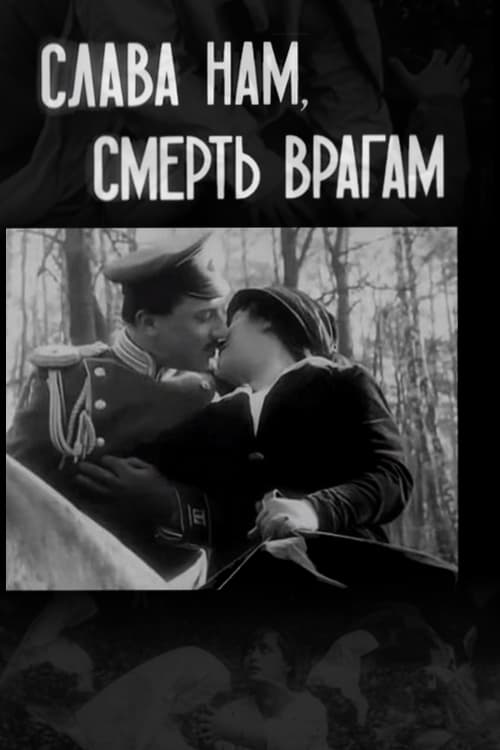
This 1914 drama set in the WWI-era relates a heroic act carried out by a war nurse for the Red Cross (Dora Tschitorina) who has witnessed the death of her husband (Ivan Mosjoukine).
Glory to Us, Death to the Enemy
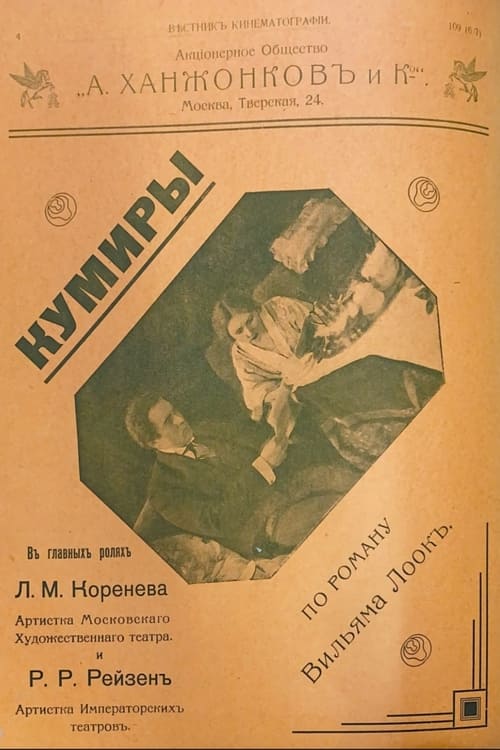
No description available.
Idols
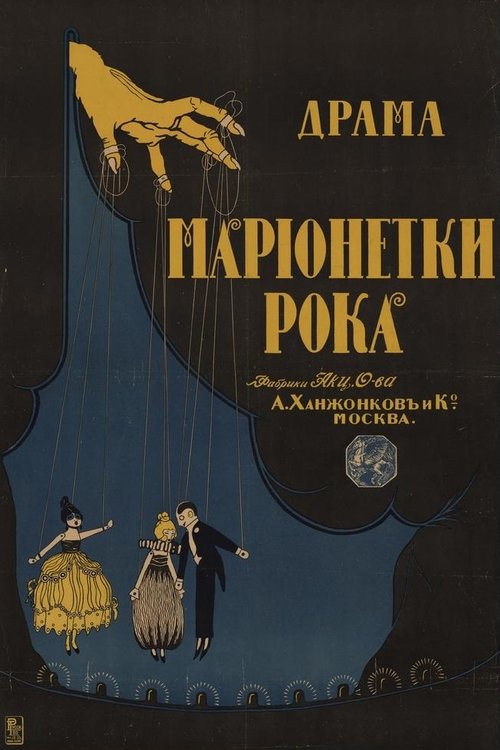
No description available.