Frank Evans
Acting
Known For
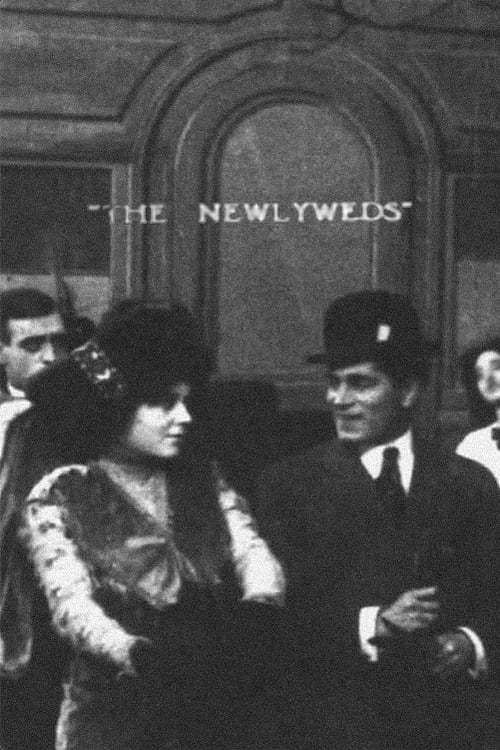
A young man and a young woman, each unlucky in love, determine never to marry. But Cupid (and two separate bands of misinformed revelers) has other ideas.
The Newlyweds
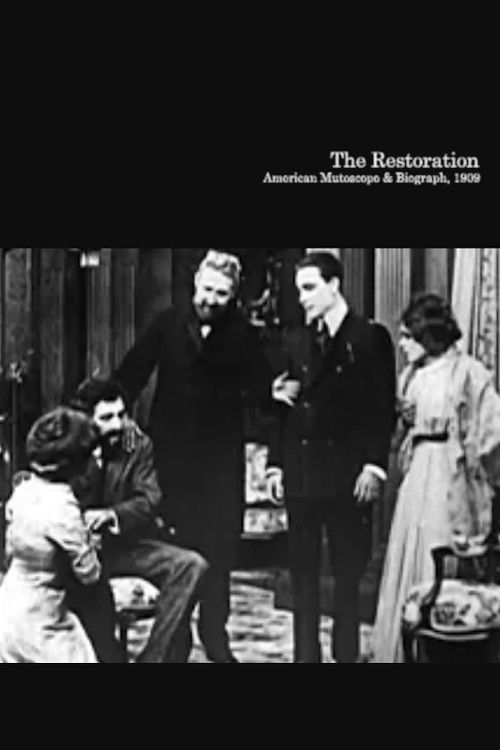
A husband suspects his wife of an affair. The wife's cousin borrows a shawl to meet her lover in the garden. The husband spies the couple embracing, and, thinking it's his wife, he strikes the lover. The thought that he has killed a man temporarily unhinges the husband's mind until he can be convinced that the lover is still alive.
The Restoration
A send-up of Griffith's THE LONELY VILLA and other movies of that sort, such as THE GIRLS AND DADDY, THE LONEDALE OPERATOR and many others, as the heroine, thinking that burglars are trying to break into her home phones her husband at the office, who rushes home.... well, who tries to rush home in his chauffeur-driven automobile.
Help! Help!
A wealthy, callous moneylender finds a terrifying way to learn about money's limitations.
The Usurer
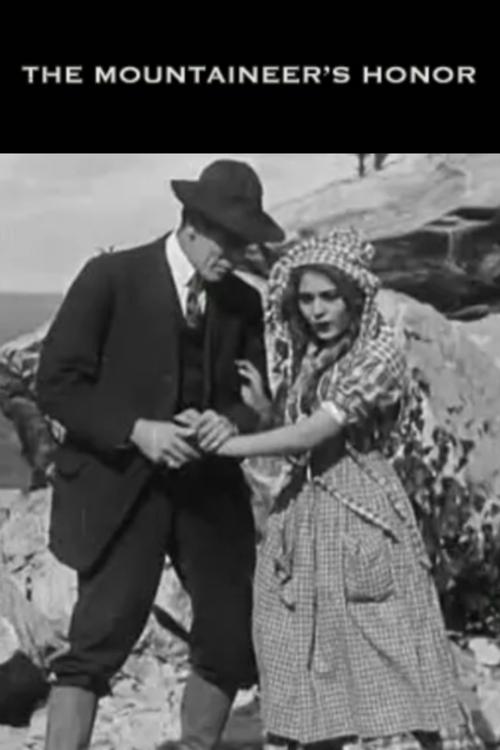
A mountain girl is seduced by a traveler from the valley. Her brother tracks the seducer down and kills him. In retaliation, the sheriff captures the brother and prepares to lynch him. Mother intervenes and, to save her son the disgrace of hanging, shoots him.
The Mountaineer's Honor

On a whim, a greedy tycoon decides to corner the world market in wheat. This doubles the price of bread, forcing grain producers into charity lines and others further into poverty. The film contrasts the differences between the lives of those who work to grow the wheat and the life of the man who dabbles in its sale for profit.
A Corner in Wheat
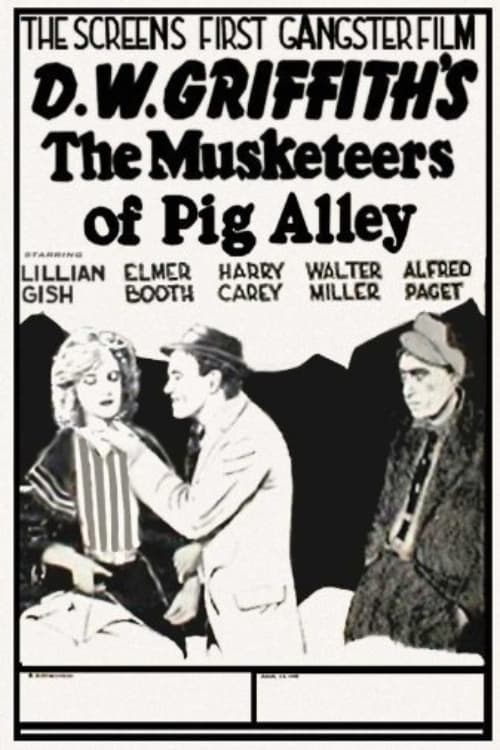
A man recognizes the thief who had previously robbed him as one of the men involved in an unrelated mob shootout.
The Musketeers of Pig Alley

Queen of the serials Pearl White gets herself into plenty of trouble up Klondike way as a young maiden named Tiger's Cub.
The Tiger's Cub
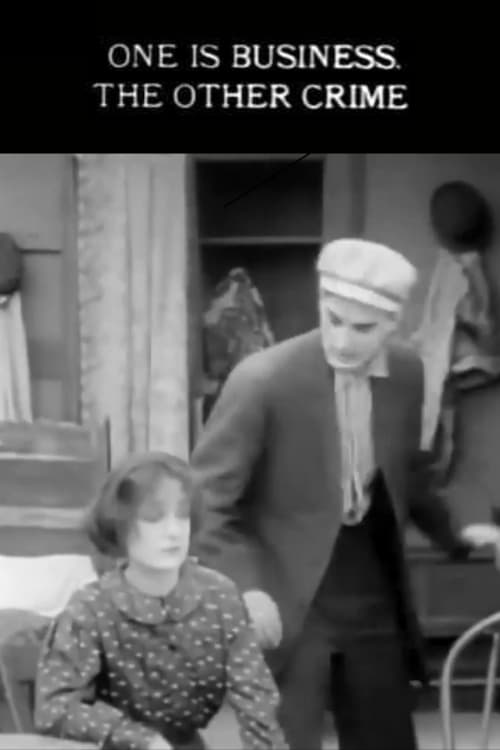
Griffith intercuts between the lives of two couples married on the same day. One couple is rich, the other poor. Time passes, and in desperation over joblessness, the poor husband attempts to burgle a home, only to be captured at gunpoint by the mistress of the house. It is the home of the rich couple. While holding the poor intruder at gunpoint, the rich wife accidentally discovers evidence implicating her own husband in a bribery scheme.
One Is Business, the Other Crime
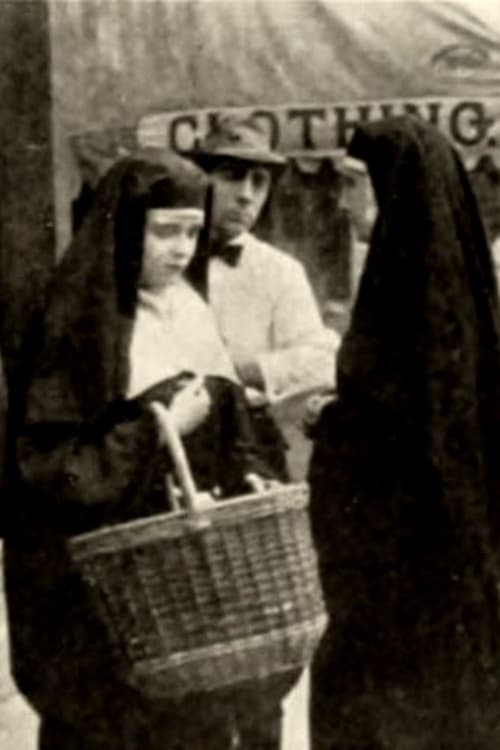
Edith enters a convent after losing her fiancé to someone else. Years later, Edith finds him again, now poverty-stricken, and secretly helps his family.
The Long Road
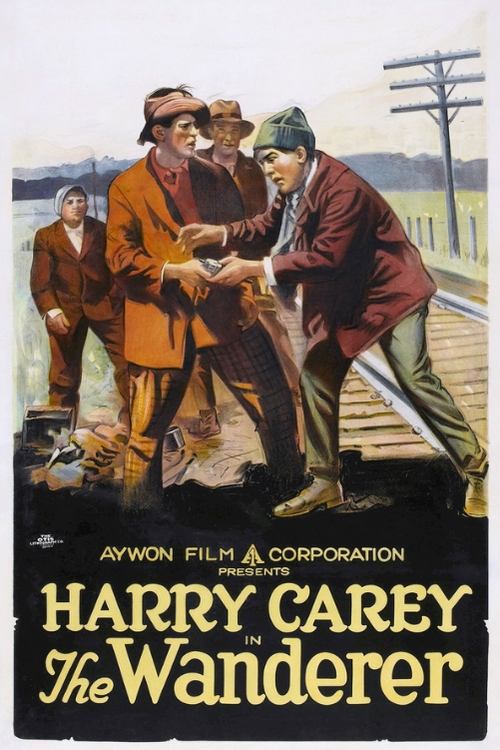
Broken by grief after his mother's death, Olaf becomes a wanderer. He is treated cruelly until he is given a meal by a woman at the homestead where she lives with her husband and baby. Olaf is able to return her kindness when he overhears a plot to rob the settlers of their home. He alerts the couple and delays the would-be thieves long enough for the husband to file a claim on his land. Olaf is injured by the claim jumpers but he recovers, alone and forgotten by those he has helped. He then moves aimlessly along.
Olaf—An Atom

Cowardly Elmer Finch is browbeaten by his wife, daughter, fat son and the family dog. After hypnosis he is domineering. He enters a contract with a fifteen-thousand dollar payoff, so his courage can last beyond the hypnosis.
Running Wild
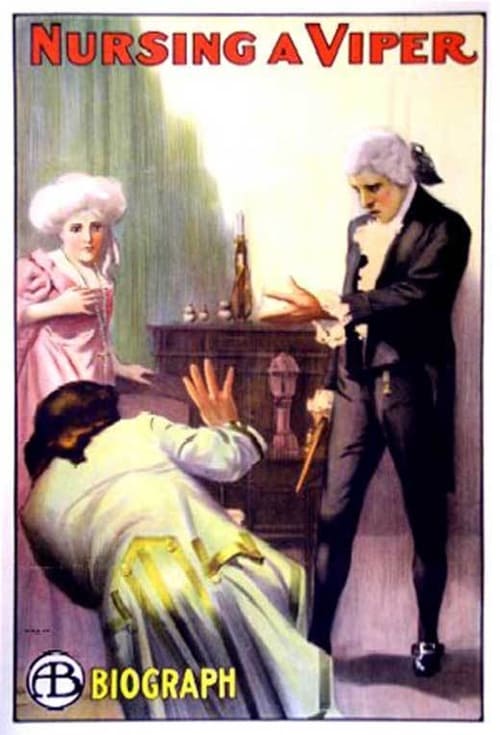
During the French Revolution, a wealthy couple lives safely by professing republican beliefs. When a mob attacks a nearby chateau an aristocrat bursts into the couple's home. They save his life by disguising him as a servant, but he soon forces his attentions on the wife. Hearing their struggle, the husband intervenes and, stripping the aristocrat of his disguise, thrusts him outdoors to be killed by the mob.
Nursing a Viper
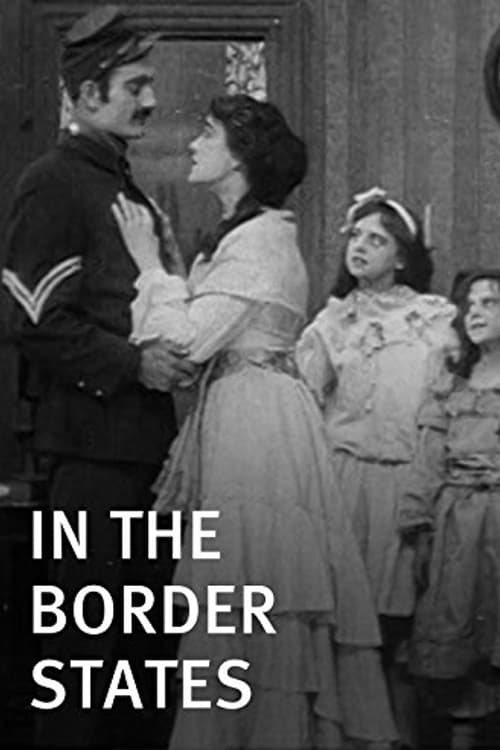
During the Civil War, a father living in a border state leaves to join the Union Army. After he leaves, Confederate troops forage on his property, where a soldier encounters one of his daughters. The father himself is wounded on a hazardous mission and must run for his life, pursued by Confederate soldiers.
In the Border States

A rich nobleman steals a perfume merchant's wife just prior to the French Revolution, in which the perfumer is a leader of the peasants. His priest made him swear an oath to leave vengeance to God, however.
The Oath and the Man
Talented boxer Benny Leonard suffers a series of personal and professional setbacks and must find the inner strength and physical discipline to return to the ring to reclaim his title and prove his worth to his skeptics and his love interest, Helen.
The Come-Back

"He was a regular boy and his father a switchman. The boy determined to be like his dad and spent his play hours around the switch-tower. Thus at the crucial moment he was able to save his father's honor as a switchman, when the struggle between love and duty came and later to come to the aid of his parents in the hands of the desperate counterfeiters, eventually causing their capture." —Moving Picture World synopsis.
The Switchtower
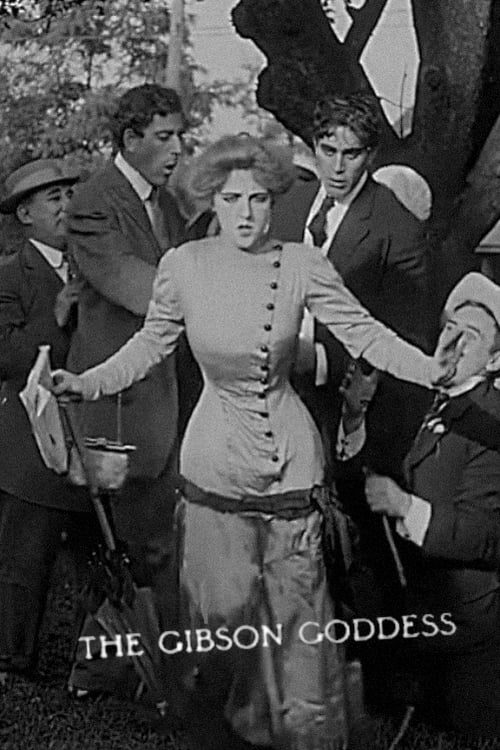
A pack of admirers won't leave a beautiful woman alone at a seaside resort, so she devises a plan. She appears in a leg-revealing swimsuit, but the stockings have been stuffed with cotton to make her limbs appear misshapen. All but one of the men is driven off, and regret it when she removes the misleading leggings.
The Gibson Goddess
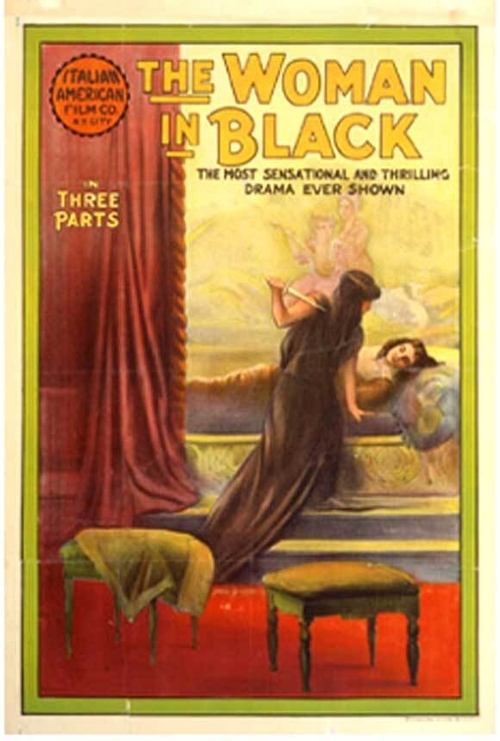
Young gypsy girl Mary, is seduced by the immoral Robert Crane and abandoned. She is exiled from the gypsies and, along with her mother Zenda, known as "The Woman in Black," she vows revenge. Meanwhile, Crane blackmails Stella Everett's father into forcing her to marry him, even though she loves Frank Mansfield, Crane's rival for a congressional seat. Frank wins, but Stella still faces the prospect of marriage to Crane until Zenda comes to her with a plan. On their wedding day, after the vows are recited, when Crane lifts the veil from his wife's face, he is shocked to discover, that his new bride is Mary. Now Stella and Frank are free to marry, and Zenda has gained her revenge.
The Woman in Black
No doubt the old antique dealer was prejudiced against his junior clerk. After frequent shortages, the clerk's visit to the gambling house was reported by the detective and he was discharged. In truth, he had gone to find the senior clerk, who owed him money which he needed for his mother, hovering close to the edge of life. By sharp detective work, the designs of the senior clerk were frustrated.