Étienne Arnaud
Directing
Known For

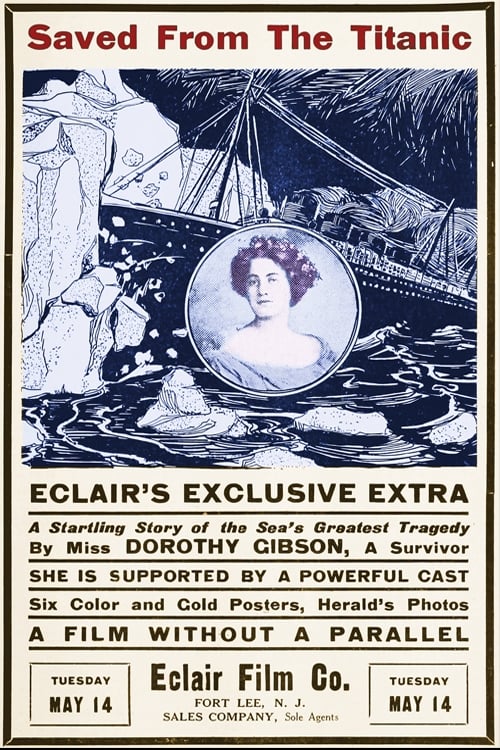
A young woman tells her parents and fiance (in flashback) about the recent sinking of the Titanic and her experiences as a passenger during the disaster. Her intended marriage now faces a new hazard because her fiance is a sailor and her parents have just been reminded of the dangers of the sea. Premiering in the United States just 29 days after the event, it is the earliest dramatization about the tragedy.
Saved from the Titanic

Robin Hood is a 1912 film made by Eclair Studios when it and many other early film studios in America's first motion picture industry were based in Fort Lee, New Jersey at the beginning of the 20th century. The movie's costumes feature enormous versions of the familiar hats of Robin and his merry men, and uses the unusual effect of momentarily superimposing images different animals over each character to emphasize their good or evil qualities. The film was directed by Étienne Arnaud and Herbert Blaché, and written by Eustace Hale Ball. A restored copy of the 30-minute film exists and was exhibited in 2006 at the Museum of Modern Art in New York City.
Robin Hood

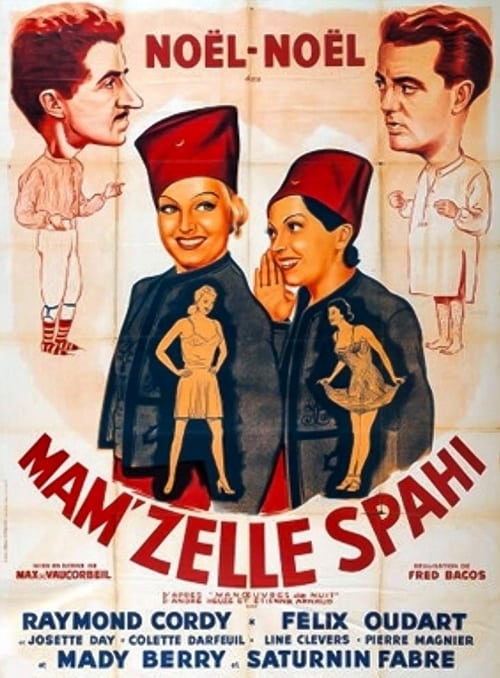
Two mistresses snubbed by their respective lovers crash a military ball and their lovers then resort to an unusual strategy to win them back.
Mam'zelle Spahi

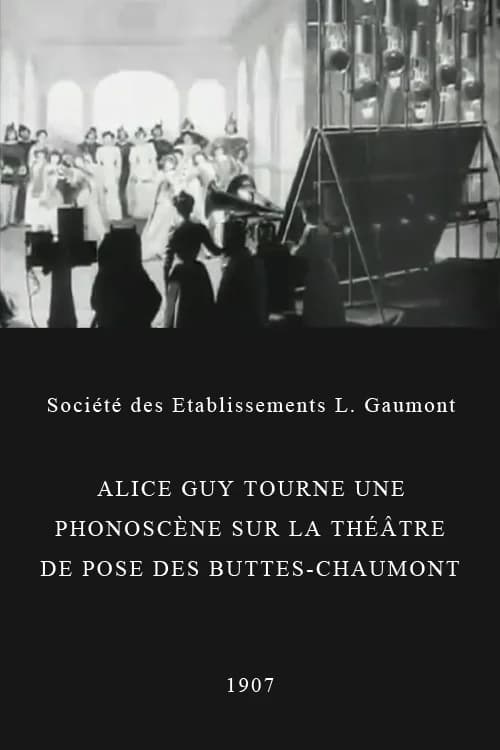
Behind-the-scenes footage showing Alice Guy directing an early sound film.
Alice Guy Films a 'Phonoscène' in the Studio at Buttes-Chaumont, Paris

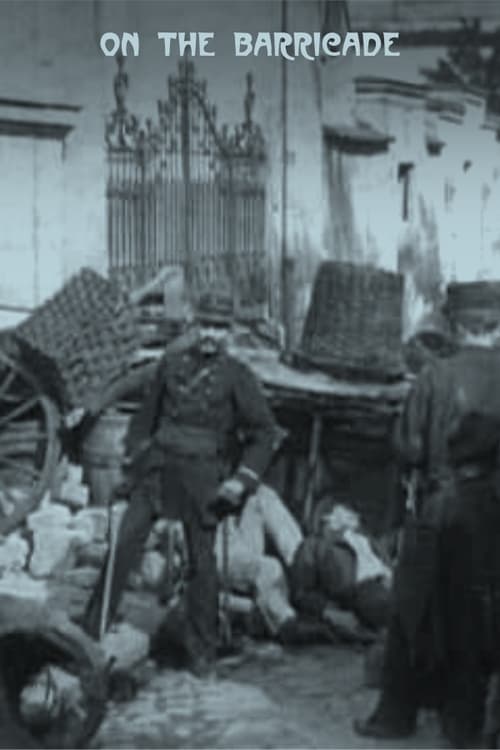
During the Paris Commune, a boy runs across trouble at the barricade. The film is now attributed to Alice Guy-Blaché by the Gaumont company, although there is some debate about whether it was directed by Étienne Arnaud.
On the Barricade
Dr. Alexander is dedicated to his young wife Isabel, but she craves a more exciting life and the company of younger people. This creates a rift between them with Isabel becoming increasingly distant. At a social gathering, she meets the artist Jack Welby and is drawn to him. As their relationship deepens, she considers eloping with him.
Duty
The life of French poet André Chénier, precursor of the Romantic movement, who was guillotined during the Revolution aged only 31.
André Chénier

A husband, thinking his wife is unfaithful to her, has a confrontational scene with her, which causes her to have a heart attack and die. He sends his son away until, after a dozen years, he discovers she was true; whereupon he summons his son and, after a bit, they reconcile at her grave.
Chamber of Forgetfulness

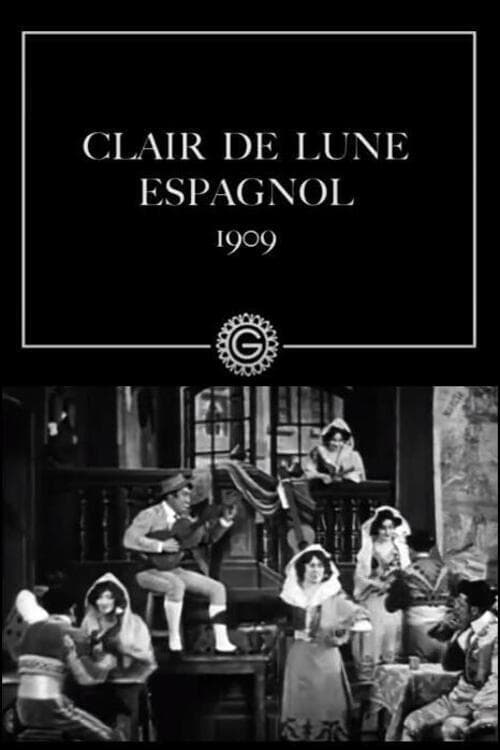
Two lovers perform a fandango dance. A jealous quarrel follows and the heart-broken swain decides to end it all. He throws himself from the window of his room, but instead of falling to his death, the anchor of a passing balloon intercepts his flight and he is taken high into the clouds. Laughing at his plight, the moon arouses the anger of the desperate lover and a battle between the two ensues.
Spanish Clair de Lune
Billiard nut Michael McCue arrives home intoxicated where his wife greets him with a shower of knives, forks and plates, which he skillfully dodges before she slams the door on him. He nods off on the hall sofa into a most beautiful if fantastical dream. He is back in the billiard parlor with his trusty cue and the pair go through some mad adventures until he is awoken by his wife, sorry for her harsh treatment.
Cue and Mis-Cue

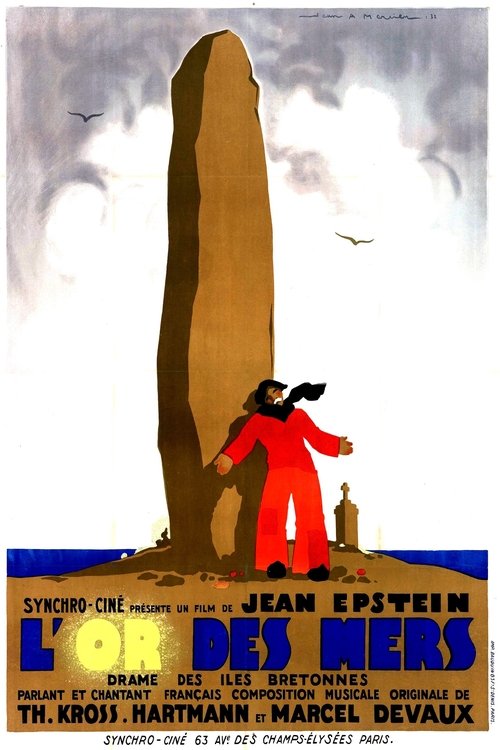
Because he found a box washed up by the sea holding unknown contents, a poor and despised fisherman and his daughter are suddenly courted by everyone in the village.
Gold of the Seas
The famous pianist Tenorini has moved into the neighbourhood. He plays a song (a spring waltz from "Alexander's Ragtime Band") on the piano; it is such a joyful tune that everyone in the neighborhood starts to dance. When he finally stops everyone is exhausted.
Oh, You Ragtime!

Being a tramp is not always a disadvantage. For example when there is a masquerade ball. Indeed wearing flea-ridden rags might just mean having donned a costume. This is what happens to two resourceful Brussels bums, La Cloche and Picolard, who manage to gain entry in a fancy-dress ball. Once there, La Cloche is mistaken by an oriental prince for a respected doctor. His mission will be to give care to a music-hall diva. Even more exciting, he is asked to vaccinate a whole troupe of showgirls. Trouble guaranteed.
Precious Fools

A little girl runs away from the maid in charge of her care and, during her escapade, she will arrest two thugs, prevent a blind man from drowning, and save some drunks from being run over by a train. According to Etienne Arnaud's own notes, he filmed this short on the 18th and 19th of July, 1907. Alice Guy, who is mistakenly attributed to have directed it, had been living in the United States long before those dates.
Four-Year-Old Heroine
No description available.
La poupée

The secretary of the young king of Bavarre sees and is impressed with a little girl. He watches her dancing in the street. When her father dies, the secretary takes the little dancer under his care and in time she becomes the premiere danseuse of the capital. The young king sees her and becomes infatuated. To win her, he showers attention and riches and in turn she pleads for the poor of the nation. The king grants her request, thereby incurring the enmity of the nobility, who lay all the blame for his acts at the little dancer's door.
The Dancer and the King

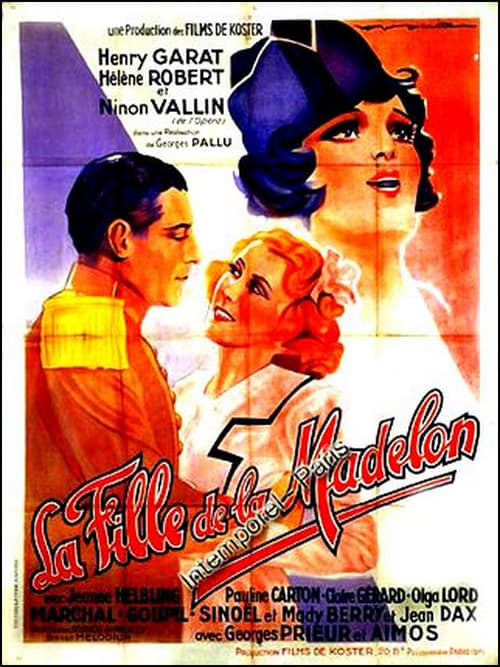
The widow of a soldier in the 1914-1918 war, running an inn called "Au rendez-vous des veterans", is happy to see her daughter in love with an officer whose father was once in love with La Madelon.
La Fille de la Madelon

Women turn into roses in this hand-coloured nitrate short from Gaumont.
The Roses
"Alice Guy-Blaché liked Feuillade's scripts, and one of them, Le coup de vent, was filmed by Etienne Armaud in 1905. Two years later, Alice left Paris to follow her husband, who had just taken over the Berlin office of Gaumont, and she persuaded Gaumont to let Feuillade replace her. From 1907 he was in charge of hiring directors, buying scripts, choosing stars and at the same time directing his own films." From Decades Never Start on Time: A Richard Roud Anthology
The Stormy Winds Do Blow

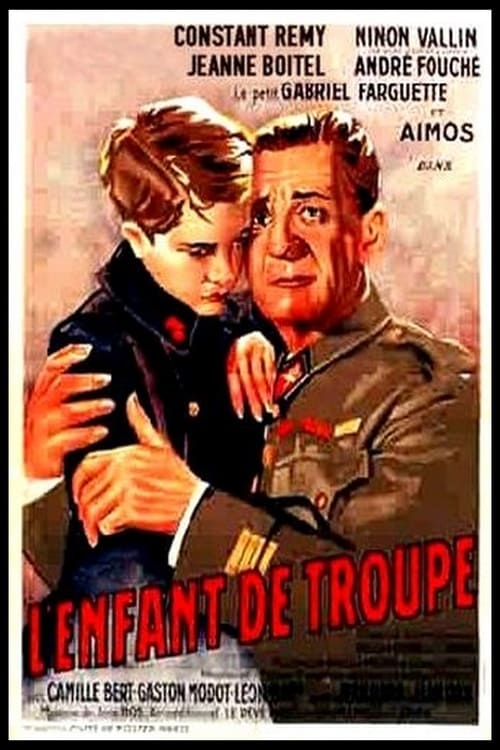
Jean is ten years old and imagines that he is the cause of the misunderstanding that occurred between his parents. He leaves the military institute where he studies and becomes the protégé of an opera singer at whose house, one day, he surprises a thief who blesses him. His parents reconcile at the foot of his hospital bed.