Sound
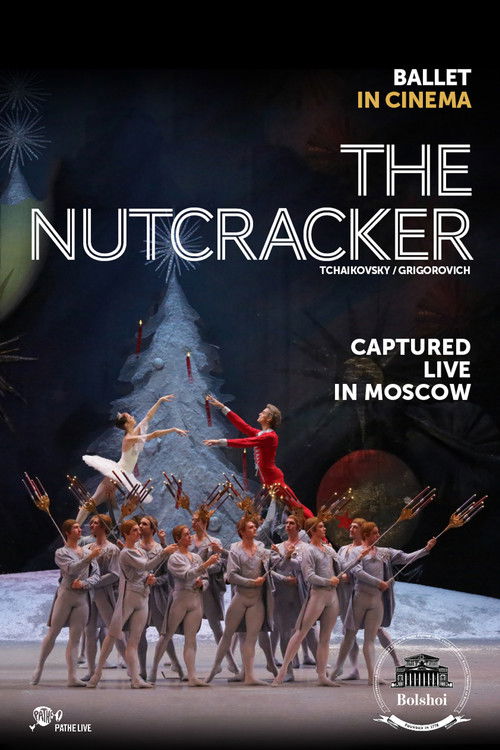
On Christmas Eve, Marie is given a wooden nutcracker as a gift. When the clock strikes midnight, the Nutcracker transforms into a prince and saves Marie from the Mouse King and his army. This beloved holiday classic will enchant the whole family with its fairytale setting and Tchaikovsky’s timeless score. This live version of The Nutcracker, created for the Bolshoi by Yuri Grigorovich, is full of romanticism and philosophical reflections on ideal love.
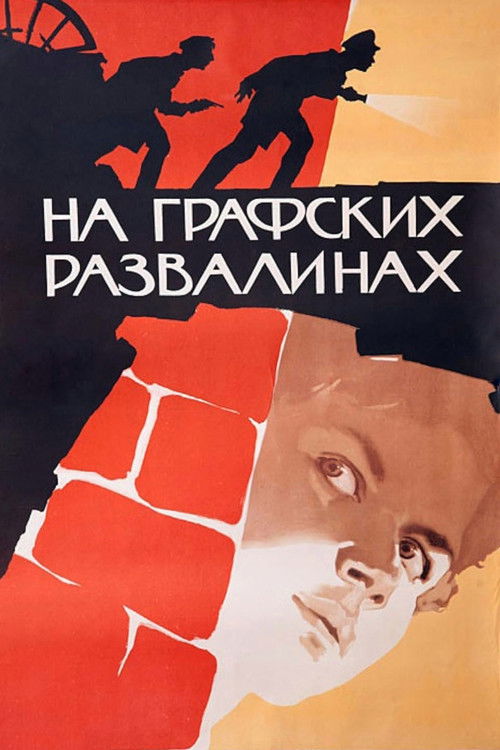
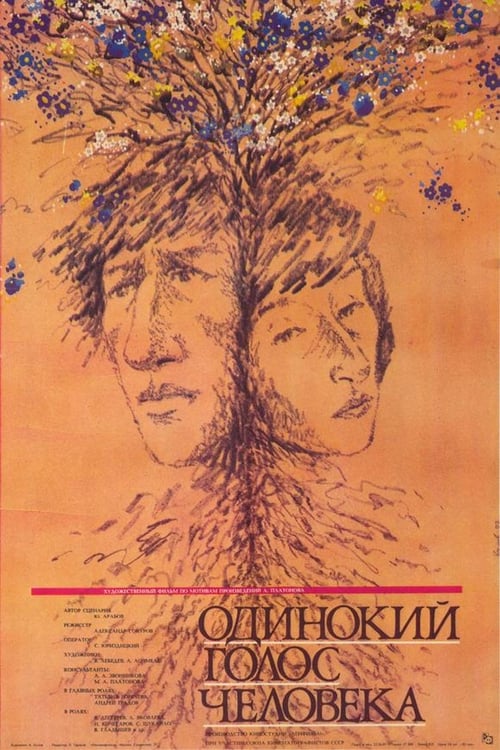
The film takes place during the civil war. Tolya Dergach, having lost his parents, falls under the influence of bandits looking for hidden treasure in the ruins of the estate. The boy, of course, will understand his new friends — and together with old friends will help the security officers to neutralize criminals.
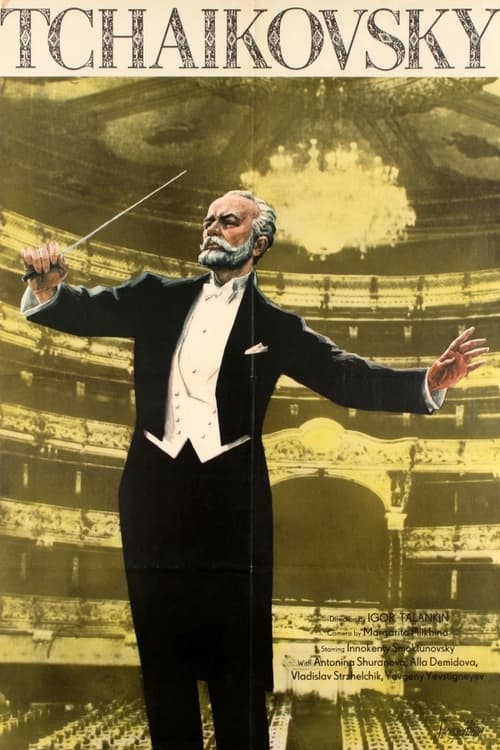
The film is dedicated to the great Russian composer Pyotr Tchaikovsky (1840-1893). It tells of the last twenty years of the great master’s life, of his friendship with Baroness von Meck, an outstanding woman of her time, who for many years was Tchaikovsky’s guardian angel. The film also includes retrospections of the composer’s childhood and adolescent years, with Tchaikovsky’s life poetically recounted against the background of fragments from his operas and ballets performed by the best Russian musicians.
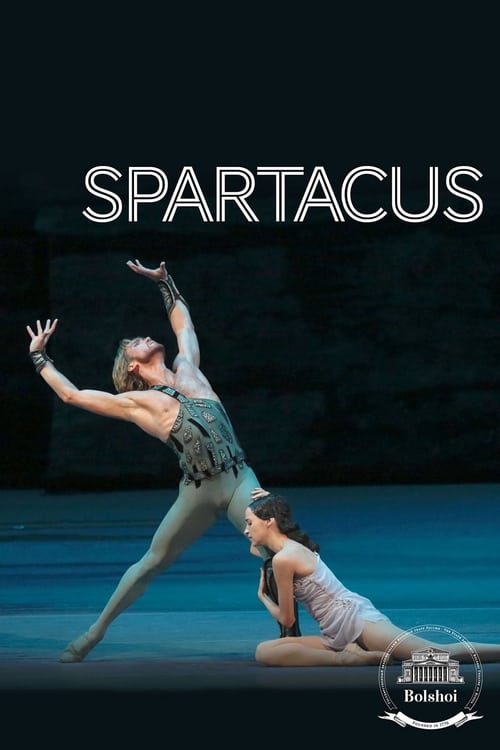
The Bolshoi’s grandiose epic Spartacus recounts the story of a Roman slave’s fight for freedom. With its famous Khachaturian score, since the 1960s it has been considered one of the greatest ballets in the Bolshoi repertoire. The choreography by Yuri Grigorovich fills the Bolshoi stage with dynamic scenes of tension and conflict, and gives full expression to the virility and strength for which Russia’s male dancers are renowned.
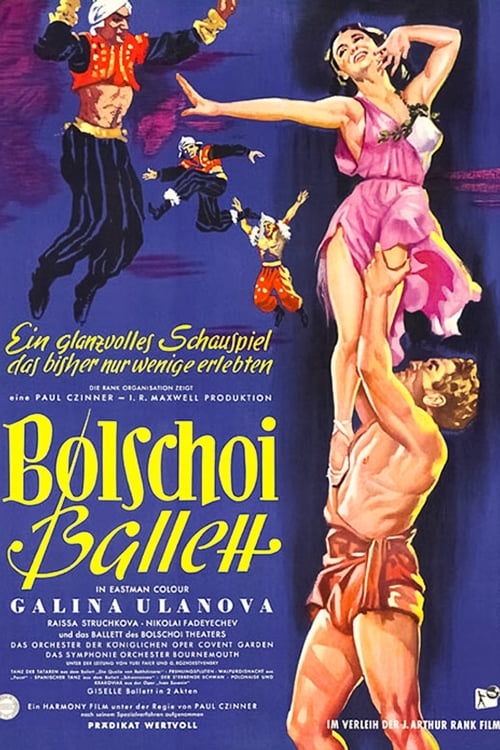
Paul Czinner recorded, using a multiple cameras technique, the performance of prima ballerina Galina Ulanova of the Russian Bolshoi, doing "Giselle, " while the troupe was on tour in England in 1956.
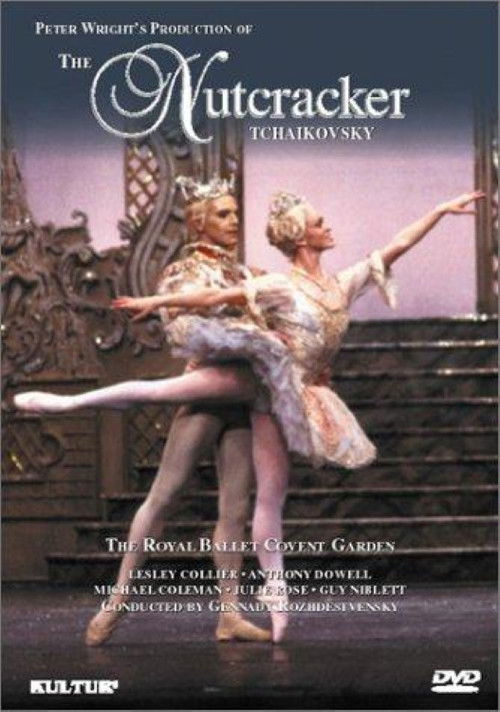
Sir Peter Wright’s 1984 version of The Nutcracker for The Royal Ballet, still performed by the Company, stays close to Hoffmann’s original tale. It emphasises Drosselmeyer’s mission to find a young girl – Clara – who can break the curse imposed by the Mouse King on his nephew Hans Peter and thus restore him to human form. References to Nuremberg and German Christmas traditions are present in the settings, with a kingdom of marzipan featured in Act 2.
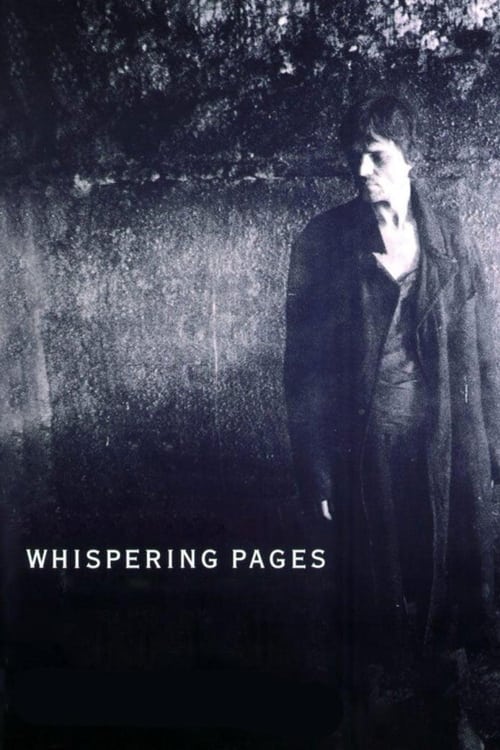
An anonymous man wanders through decomposing, fog-enshrouded catacombs and encounters a series of “the degraded and the humiliated,” including a holy prostitute and a Kafkaesque bureaucrat.
Set in the early 1920s after the end of the Russian Civil War, Red Army soldier Nikita returns to his hometown to see his partner Lyuba, both of whom are scarred by the trauma of the Russian Empire of yesteryear.
After spending 10 years abroad, Russian composer and pianist Sergei Prokofiev travels back home for the first time in 1927, on invitation from the Soviet Union. Details of the trip were kept in his personal diary, discovered in 1989, with which this film begins. As a turning point in his life, the journey was the catalyst that led to his ultimate return and settling back in his homeland in 1936, the tragic consequences of which were yet to be known. With both professional and personal problems that ensued until his early death in 1953, this film reveals Prokofiev’s musical genius and his human failings. Contributors include his son Sviatoslav and Soviet cultural bureaucrat Tichon Chrenikov, Valery Gergiev, and Karen Khachaturian.
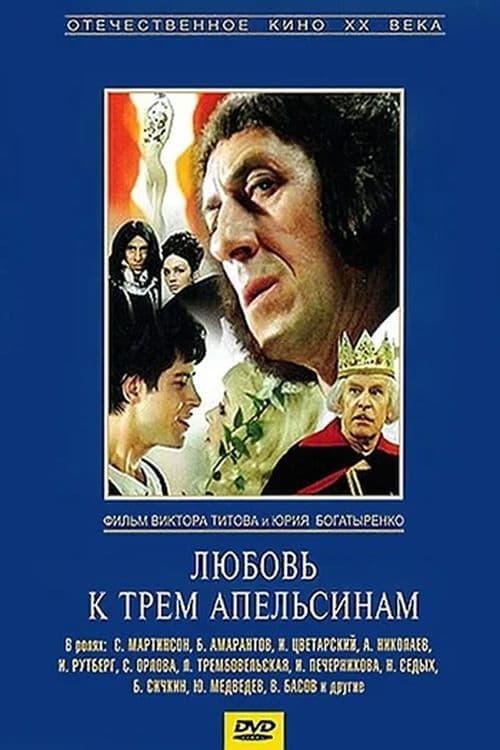
The Prince, suffering from melancholy, embarks on a dangerous and fascinating journey in search of three oranges. In one of the oranges, he finds his beloved Adelita and is cured of the blues forever.
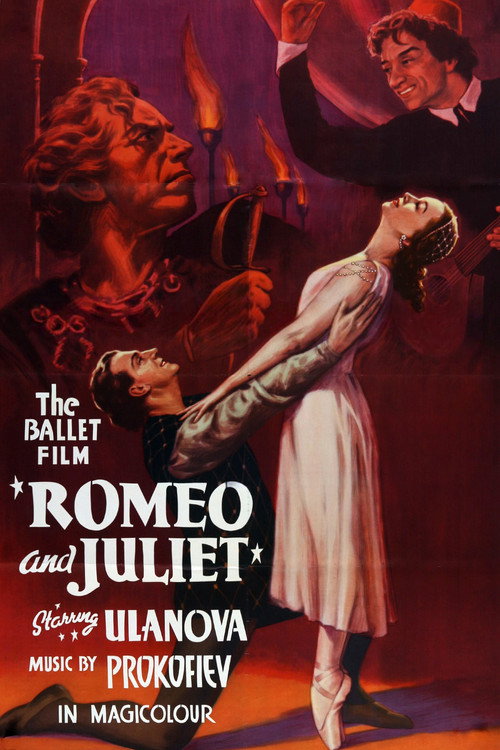
Russian ballet version of Shakespeare's tragedy about star crossed lovers from two feuding Italian Renaissance families. The film was based on the 1940 production of Prokofiev's ballet, choreographed by Leonid Lavrovsky. It won the Best Lyrical Film at the 1955 Cannes Film Festival, was nominated as the Palme d'Or.
The granddaughter of Santa Claus becomes an ordinary girl because of her love for the potter. An unusual version of the fairy tale about the Snow Maiden.
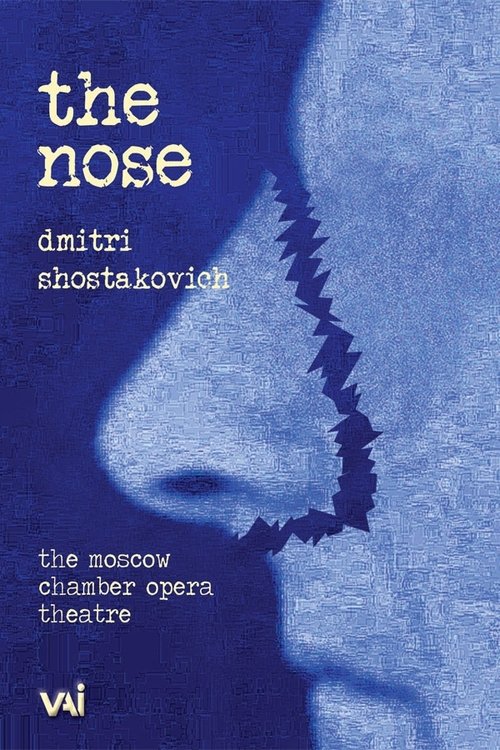
Shostakovich’s satirical opera adapted from the classic short story by Nikolai Gogol. Baritone Eduard Akimov leads the cast as Kovalyov, the hapless bureaucrat whose nose has mysteriously gone missing.