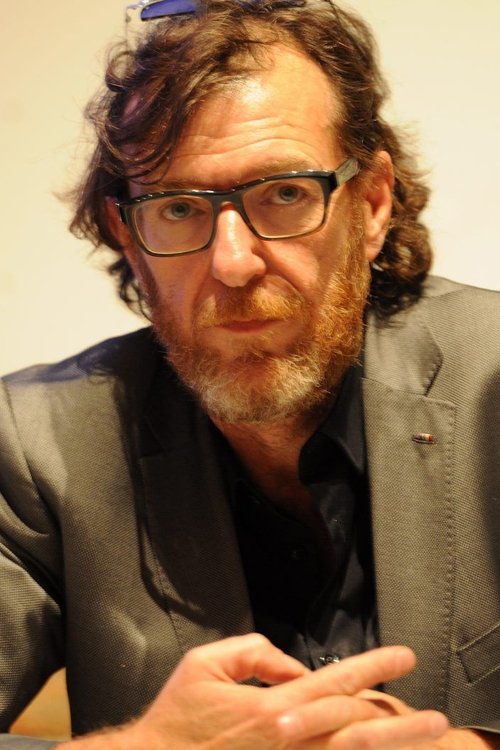
Bernard George
Directing
Known For
French current affair show
Infrarouge
A French current affairs show.
La Case du siècle
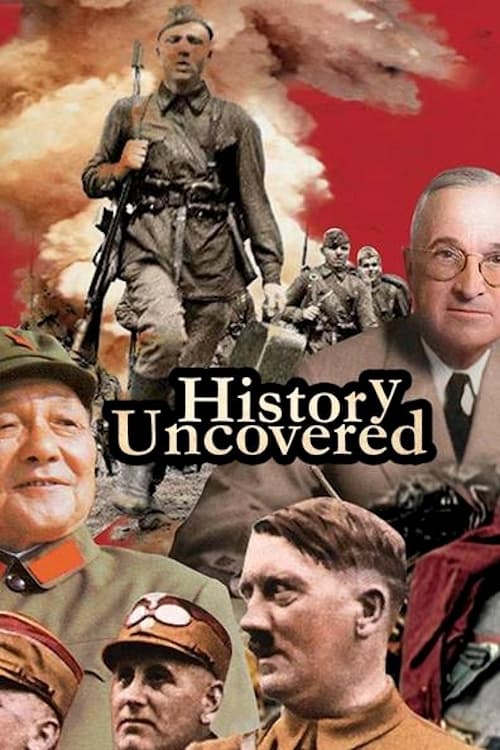
Myths die hard, and the history of the 20th century is no exception to this rule. Even today, we hold popular beliefs that we take for Evangelical truths. Thus, we believe that Hiroshima caused Japan to surrender, that the Marshall Plan saved Europe, that Adolf Hitler was a military genius, or that Mao Zedong was a necessary evil for China’s modernization. Of course, these judgements contain some truth; but, too broad-stroked to be accurate, they contradict the historical reality by denying its complexity. What if the truth was slightly different? Through an exploration of great national or international myths, this full archive documentary collection revisits the key moments of the 20th century with a new perspective in order to provide a new, smarter and more subtle interpretation, bringing elements to light that have been forgotten or sometimes overshadowed.
History Uncovered
No description available.
Cao Bang, les soldats sacrifiés d'Indochine
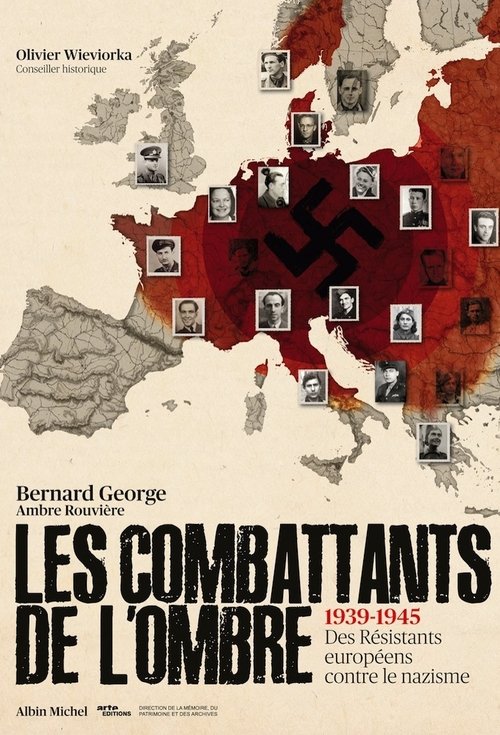
A new light on the Resistance during the Second World War, analyzed in its European dimension thanks to the unpublished testimonies of 80 Resistance fighters of different nationalities. The words of these men and women, who risked their lives for freedom and democracy, are invaluable.
Les Combattants de l'ombre : Des résistants européens contre le nazisme
No description available.
Elf, une affaire d'État
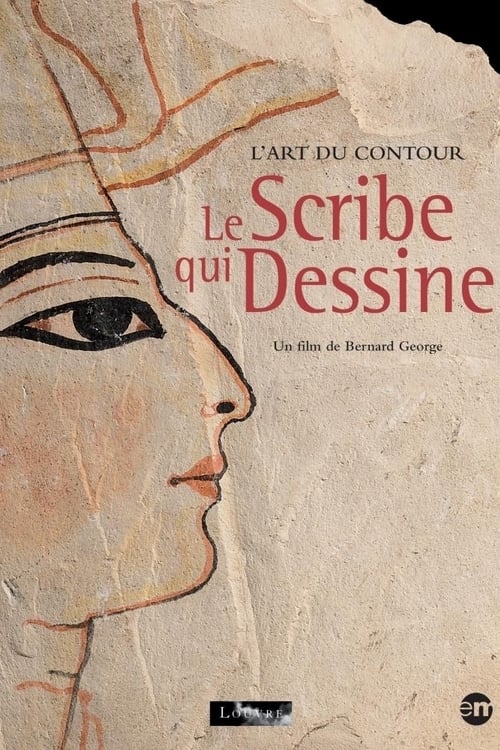
The art of drawing was of enormous importance in Ancient Egypt. Outline drawings made with a pen or brush formed the basis of all pictorial representations during the pharaonic period, whether paintings, bas-reliefs, statues or even architecture. Even Egyptian writing consisted exclusively of images. The art of drawing was practiced in Egypt for almost three millennia according to precisely defined rules. From Sakkara to the Valley of the Kings to the extensive collections of European museums, Bernard George's documentary provides an insight into the most beautiful works, their creation and their religious and magical significance, which played such an essential role in Egyptian civilization.
Le scribe qui dessine
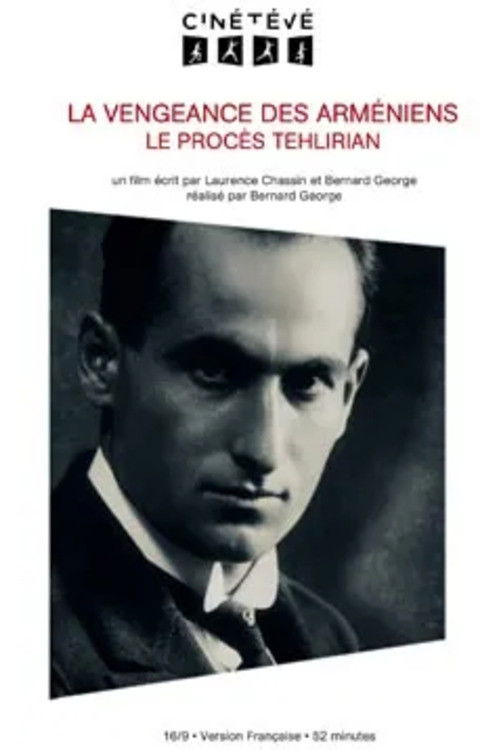
On 15 March 1921, Talat Pasha, a high-ranking Turkish dignitary, was shot dead in a Berlin street by a young Armenian. A few months later, Soghomon Tehlirian, his assassin, appeared before a German court. He faced the death penalty. Yet, during the trial, the victim gradually changed into the guilty party, and the accused was finally acquitted.
Tehlirian on Trial: Armenia's Avenger
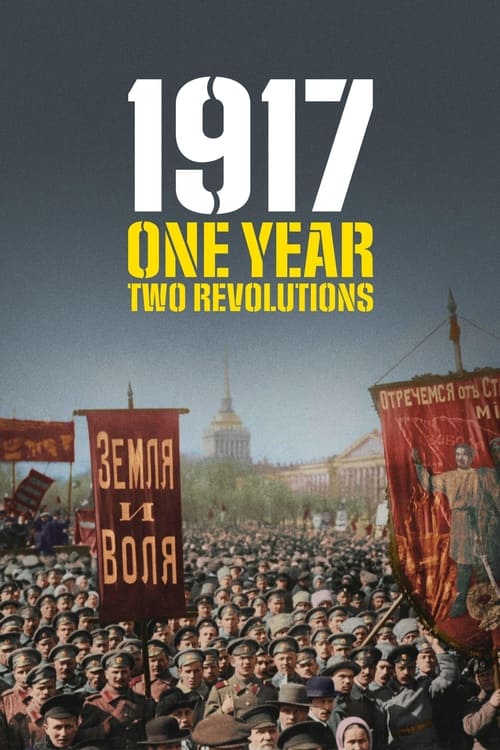
In February 1917, Imperial Russia plunges into revolution. Nine months of unrest before a coup brought about an upheaval that changed the course of history and profoundly altered the future of civilisation.
1917: One Year, Two Revolutions
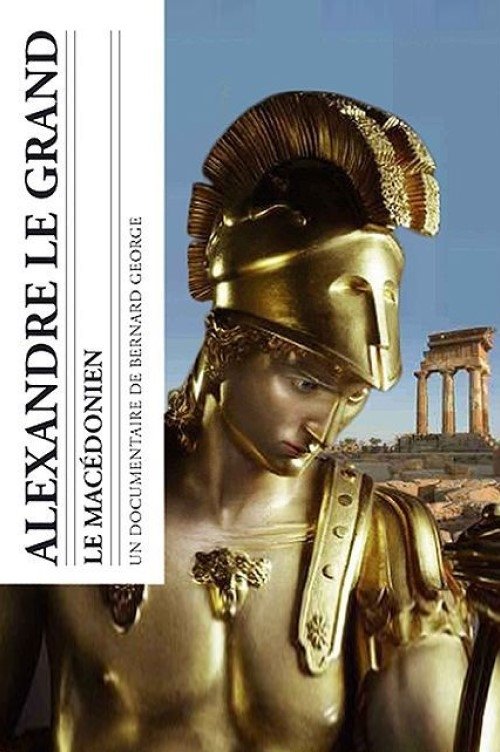
A close look at Alexander the Great - from Macedonia to India. Alexander the Great has always enjoyed a unique status in history. To the Greeks and Romans, he was a hero, to the Arabs, he was a prophet, to Westerners, he is a myth. Alexander the Great Hellenized the ancient world and spread Greek civilisation single-handedly throughout, as far as the borders of India, by relentlessly pursuing his sworn enemy Darius the Great, King of Persia. But what remains today of the "real" Alexander? Of his life and environment? Through the many depictions of the hero and the archaeological traces of his triumphant conquest, this film portrays the legendary figure, who has always been, and continues to be, a great source of inspiration, even for artists of today.
Alexander the Great: The Macedonian
From the seventh month of pregnancy, the five senses of the baby in utero become functional. In the closed universe that is his, a formidable sensory exploration begins. How does he perceive his world and ours? What are its learning and memorization capacities? What happens when he is born in our world of air and gravity, which is far different from the world of his gestation, where all his needs were satisfied "to the nanosecond"? This documentary explains with precision, and a certain wonder, what we know today about the experiences and faculties of the little man, before and after birth.
Le monde selon bébé
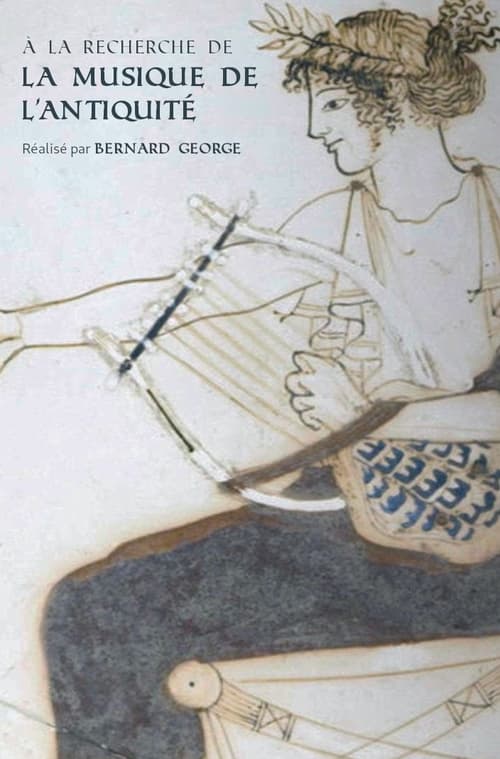
The discovery of an ancient music score in the Louvre sets researchers on a mission to recreate the music as it was originally heard by the Greeks 2,400 years ago.
Discovering the Music of Antiquity
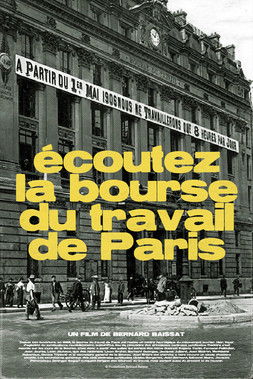
Since its opening in 1882, the Paris Bourse du Travail (Labor Exchange) has remained a nerve center of the labor movement. Once a hotbed of revolutionary syndicalism, and now a meeting place for the main labor federations, history is etched into the walls of the Bourse. It is from the rooms bearing the names of illustrious figures—Eugène Varlin, Fernand Pelloutier, Jean Jaurès, Léon Jouhaux—that historians (Jean Bruhat, Bernard Georges, Jacques Julliard, Jean Maitron, Madeleine Reberioux, Denise Trintant) and the Bourse's general secretary, Jean Braire, have sought to bring to life a century of social history. The general secretaries of the five major labor federations (André Bergeron, Jean Bornard, Edmond Maire, Jacques Pommateau, Georges Seguy) discuss the origins of the Bourses du Travail, but also address the present and the future.
Écoutez La Bourse Du Travail De Paris
No description available.
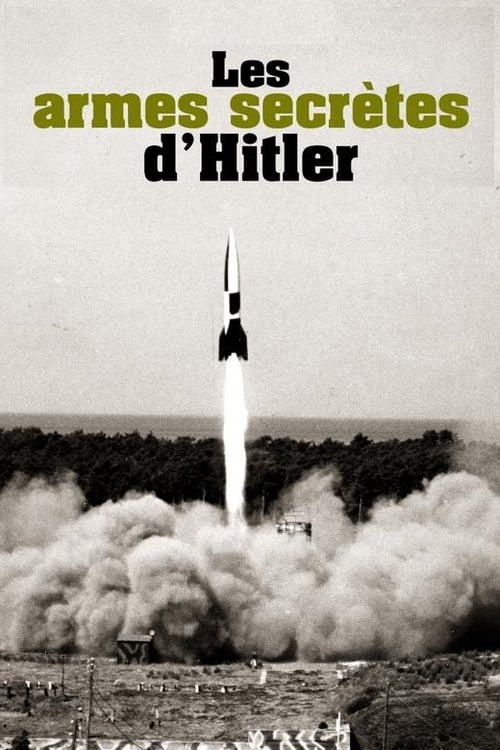
Les Armes secrètes d'Hitler
No description available.
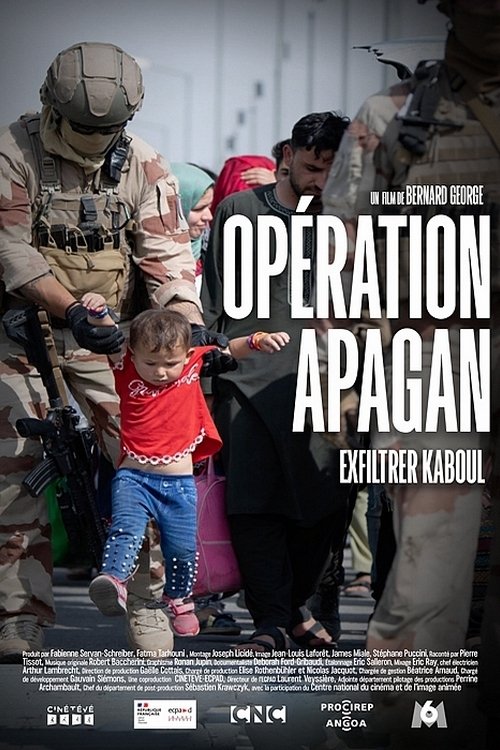
Opération Apagan, exfiltrer Kaboul

An investigation into an old papyrus discovered in a storeroom of the Louvre museum has revealed that it was a very ancient Greek score. But how can we know who composed it? How do we interpret this music? And where do we find the ancient instruments to play it?
Music of Ancient Greece
No description available.
B comme Babylone
No description available.
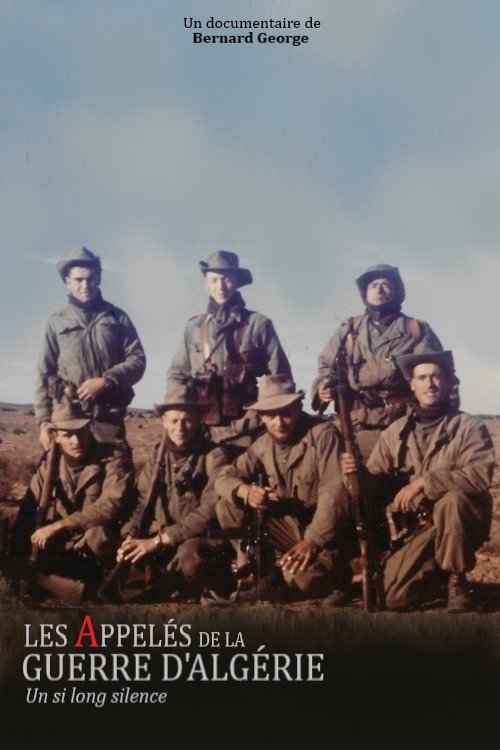
Les appelés de la guerre d’Algérie, un si long silence
No description available.