Directing
Anthology film made as an act of protest against Hungarian government of Viktor Orban.
A trip nearest to the boundaries of life and death: back and forth.
No description available.
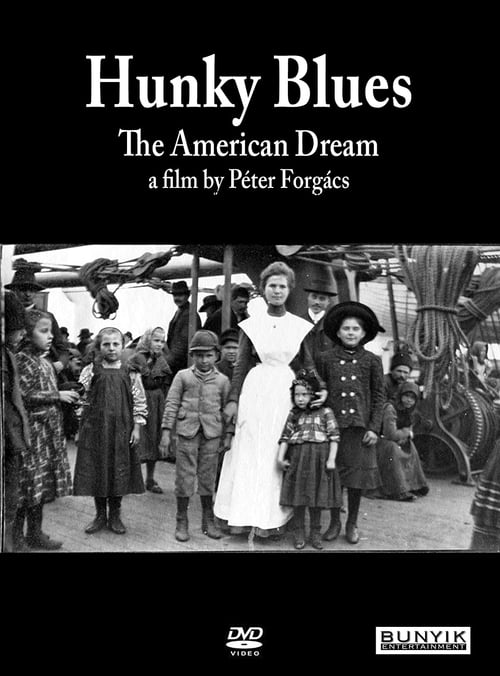
The internationally acclaimed director and recipient of the Erasmus Award in 2007, Péter Forgács created a documentary exploring the fate of hundred thousands of Hungarian men and women who arrived to the United States between 1890 and 1921. To tell their sagas Forgács weaved this grand epic from the early American cinema, found footage, photographs and interviews. The film reveals the difficult moments of arrival, integration and assimilation, which eventually fed the happiness of the later generations and their fulfillment of the American dream.
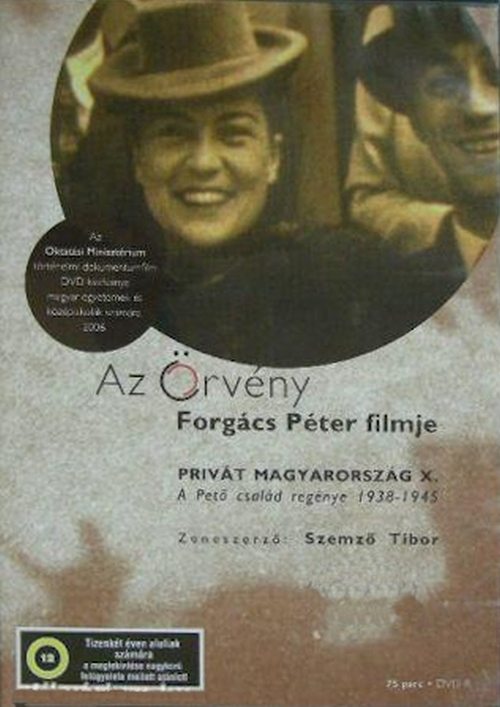
Main character of AZ ÖRVÉNY is cameraman György Petö. His private films shot before and during World War II document his family, and particularly his girlfriend and later wife Eva Lengyel. With hindsight, these films, mainly recorded in the southern Hungarian city of Szeged, make up an extremely wry historical document. Petö was a Jew. Slowly but gradually we notice how the anti-Jewish laws and political revolutions in Hungary take the family in a stranglehold. AZ ÖRVÉNY is a rhapsody of found footage. Skillfully edited and complemented with additional footage, it produces an account of an atrocious era and a plea for human dignity.
The Maelstrom makes extraordinary artful use of considerable cache of home movies shot in the Netherlands before and during World War II and dealing with the extended Peereboom family. Information is conveyed through subtitles and instead of voice-over, the soundtrack consists of period sound, usually from radio broadcasts, and brooding, disturbing jazz score by Tibor Szemzõ. What wee see is a Jewish family first living unknowingly in the shadow of the Holocaust and then trying to cope with it still unaware of what it will finally mean. A shot of the film's photographer Max Peereboom, and his family we've come to know, cheerfully sewing and doing general preparation for a trip to a "work camp" when their destination was in reality the nightmare of Auschwitz adds a devastating dimension to our understanding of the Final Solution that nothing else, no Hollywood movie, no documentary, has been able to provide.
Angelos Papanastassiou, the man behind the camera, a story of a Greek patrician of WW2 times Athens. In the very first days of the Nazi occupation Angelos decided to record and document the Greece motherland's sufferings. Using a clandestine 16-mm film camera risking daily his own, and his families life, filmed, documented the Nazi atrocities in Athens all through the German-Italian occupation. Meanwhile his daughter, Loukia was born and we follow her first steps as the family life images juxtaposed over the tragic chapter of modern Greek history. Angelos Papanastassiou secretly developed, edited and saved the films, which later become one of the principal evidence of the Nazi atrocities at the Nuremberg Trials 1947. The Angelos’ Film composed from a unique film journal of wartime Athens and offers a new insight to Greece’s past, with the music of Tibor Szemzõ.
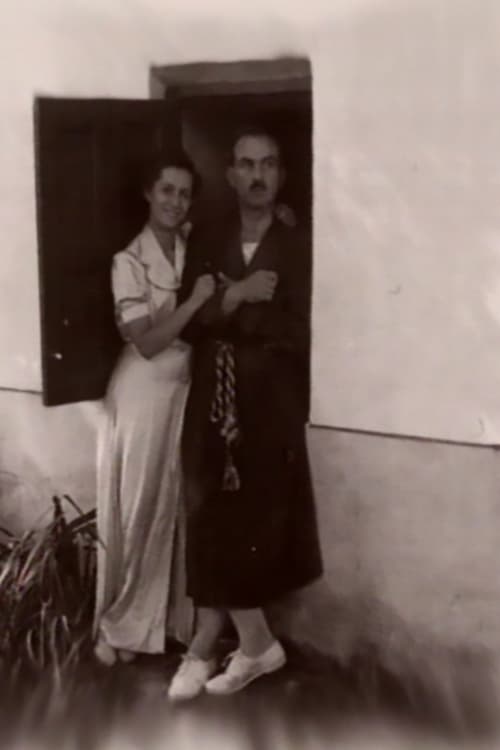
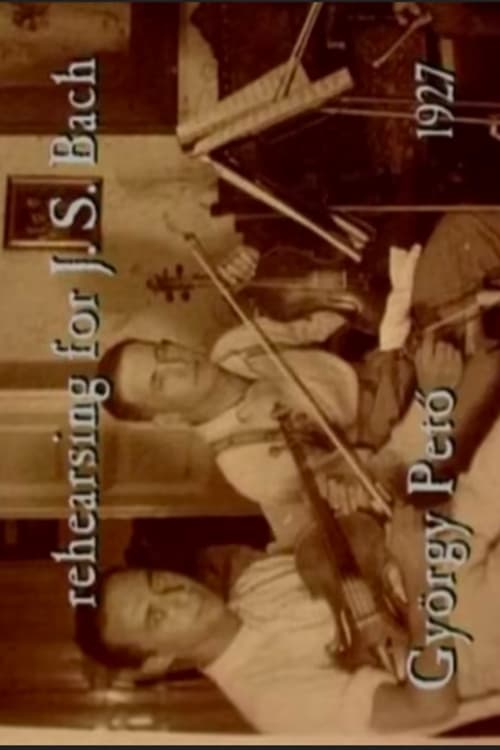
"Free Fall" reflects to the times before the Shoah, the darkest chapter of the 20th century Hungary, based on the home movies of the talented musician, photographer and businessman, György Pető who made 8mm films from 1938.
Forgacs's Tractatus is composed of seven short video essays that refer to one of Wittgenstein's most influential works, Tractatus Logico Philosophicus, first published in 1921.
The private diary of a couple in a ghostly Budapest before, during and after the Second World War, between poetry and historical re-enactment.
Peter Forgacs' Bibo Breviarium (Istvan Bibo's Fragments) is a look at Istvan Bibo, one of the most revered Hungarian philosophers and politicians of the 20th century. The images in the film consist of found footage from the man's life, while the audio consists of an ongoing monologue that alternates between biographical information on the man and quotes from his writings. Paul Merrick performs the narration on the English translation of the film.
The protagonist of "Picturesque Epochs" is Mária Gánóczy (1927-), a painter and a film aficionado who comes from a family of female artists as far back as her great-grandparents. She brought up nine children with her husband József Breznay (1916-2012), a fellow painter. Gánóczy's films and paintings immortalised the checkered history of Central Europe.
How does the process of film-making—like a huge carpet, of a 250 years saga of the Hungarian von Höfler family—render the chosen subject topical, re-liveable? And what is the topical signifier? is it merely a fleeting (a momentary) décollage — which is neither a piece of news, nor official history?
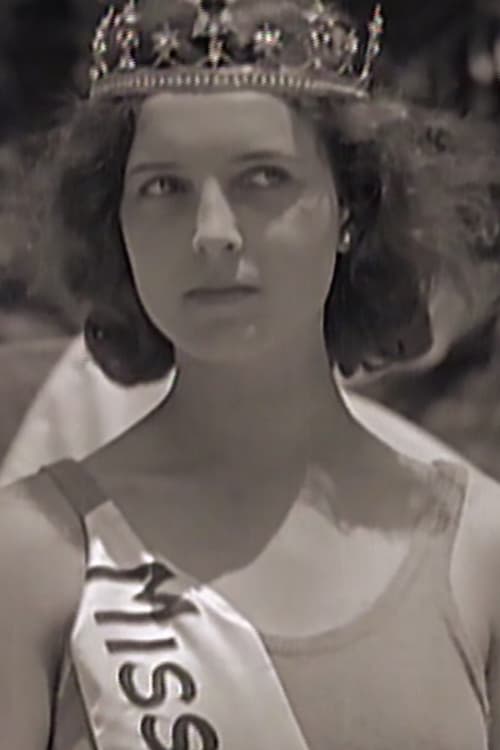
Filmmaker Péter Forgács' engrossing documentary -- culled from home movies spanning eight decades -- chronicles the life of Austrian beauty queen Lisl Goldarbeiter: the first Miss Universe. Following her during her pageant days and through an imprudent marriage, the film also serves as a slice of European history, a diary of Jewish life under the Nazis and an unfolding love story between Lisl and her smitten cousin, Marci Tenczer.
A young woman in high heels does gymnastics in her garden. “That’s me”, says an elderly voice on the soundtrack. These home movies feature scenes from high society life in Hungary in the 1930s and 1940s. Fifty years on, the unnamed ‘Lady’ of the title reminisces about the dinner parties, fashions and social etiquette of the times. The second part of the film shows footage from her country estate. We see shooting parties, garden parties and her husband on his prized English thoroughbred, as well as farm labourers doing the back-breaking manual work that kept the property operating. Forgacs then introduces footage of the woman shot in the 1990s. She walks gingerly around the property, which is now uninhabited and overgrown. He weaves the old and new images together; a gesture begun in one time is finished in another. A strange dialogue is created between the elderly woman and her younger self, accompanied by the trance-like music of Tibor Szemzo.
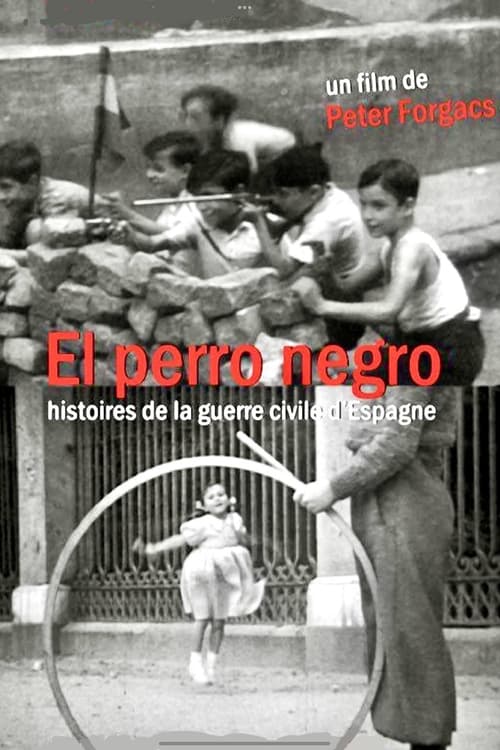
Filmmaker Péter Forgács compiles home movies by a family of Catalan industrialists who have documented their lives as their homeland is besieged by labor unrest, the collapse of the monarchy, the rise of anarchism, and ultimately the Spanish Civil War.
In this travelogue, Forgács documents the Jewish exodus from Slovakia just before the beginning of World War II. In two boats, a group of nine hundred Slovak, Austrian Jews tried to reach the Black Sea via the river Danube, in order to get to Palestine from there. Forgács based his film on the amateur films of Captain Nándor Andrásovits, the captain of one of the boats. He filmed his passengers while they prayed, slept and even got married. At the end of this journey, it is clear that the boat will not return empty: a reverse exodus takes place, this time of repatriating Bessarabian Germans, fleeing to the Third Reich because of the Soviet invasion of Bessarabia
Venom - A Diva in Exile is based on the short story by writer Zsófia Bán, on the troubling story of Hungarian singer and film star Katalin Karády. She was accused of spying during the war, imprisoned, tortured and banned on radio and in theatres in her home country. After her release, she worked hard to save numerous Jewish families, while the disappearance of the man she was linked to, first arrested by the Nazis and then by the Soviets, threw her into despair. Heartbroken, marginalized and banished in the new communist regime, she went into exile in 1951, spending fifteen years in Sao Paulo, Brazil, never to act in a film or on stage again. Then he lived in New York until his death (1990).