Kan Kikuchi
Writing
Known For
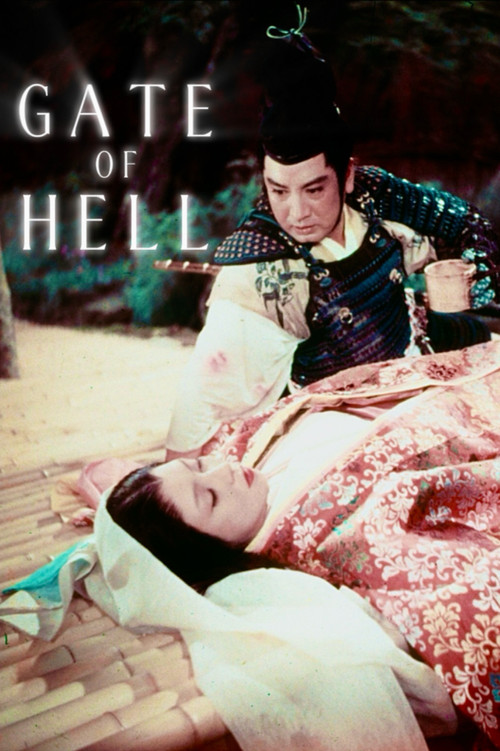
Japan, 1159. Moritō, a brave samurai, performs a heroic act by rescuing the lovely Kesa during a violent uprising. Moritō falls in love with her, but becomes distraught when he finds out that she is married.
Gate of Hell
No description available.
Paradise of the Virgin Flowers
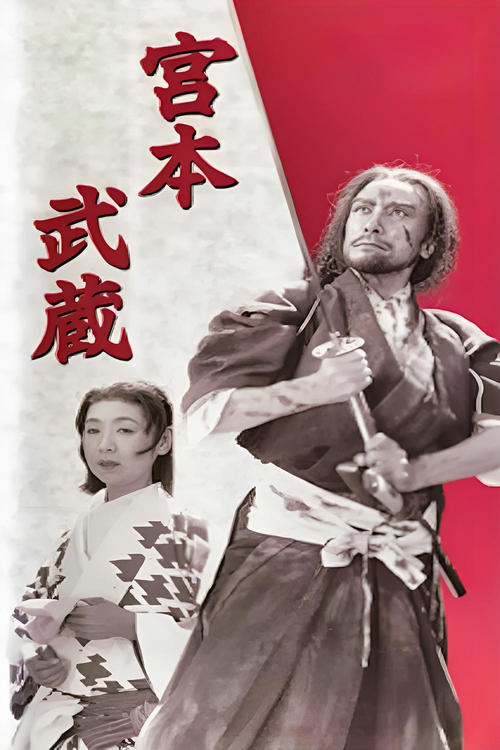
Shinobu and her brother Genichiro plead with famous swordsman Musashi Miyamoto to teach them to avenge their father's death. The perpetrators of their father's demise see the siblings practicing, and so enlist the help of another revered swordsman, Kojiro Sasaki, giving the latter an excuse to battle Miyamoto.
Miyamoto Musashi
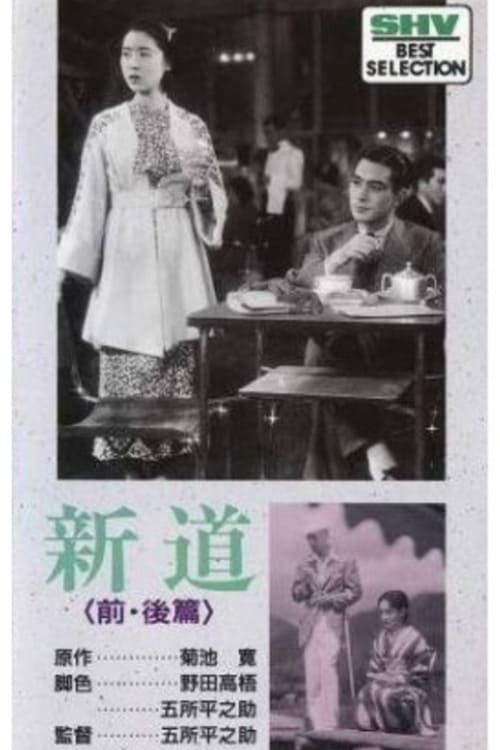
The eldest daughter of a noble family is in love with an aviator while being courted by a fellow aristocrat she thinks is a dullard. This part is told from the perspective of Akemi.
The New Road: Akemi
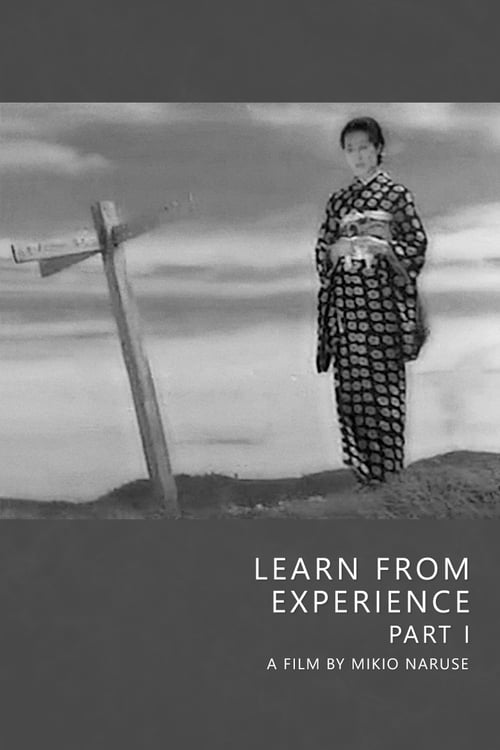
Wealthy young Toyomi and Shintaro are in love. However, Shintaro’s father is arranging for him to marry Yurie, the scion of an even wealthier family. The two lovers flee to Tokyo, but when Shintaro returns to proclaim his intent to marry Toyomi, his father browbeats him into attending the marriage meeting with Yurie. Part one of a two-part romance based on a story by noted author Kikuchi Kan.
Learn from Experience, Part One
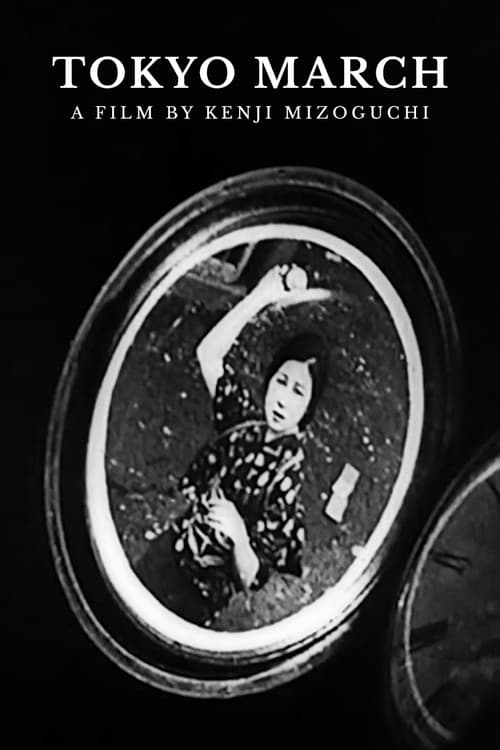
A classic melodramatic love tragedy addressing social inequality in Taishō-era Japan, The nostalgic scenes of 1920s Tokyo provides a valuable visual experience set against the background of the title song, "Tokyo March." (Sadly, less than a half hour of the footage has been recovered and restored.)
Tokyo March
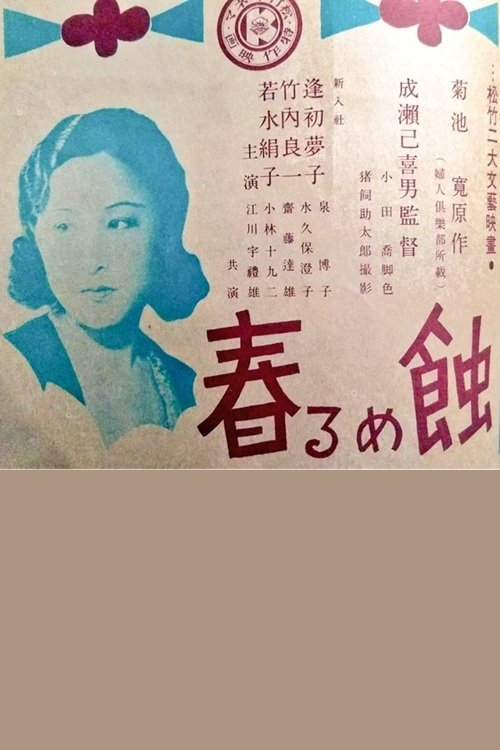
Directed by Mikio Naruse. It is presumed to be lost.
Moth-eaten Spring
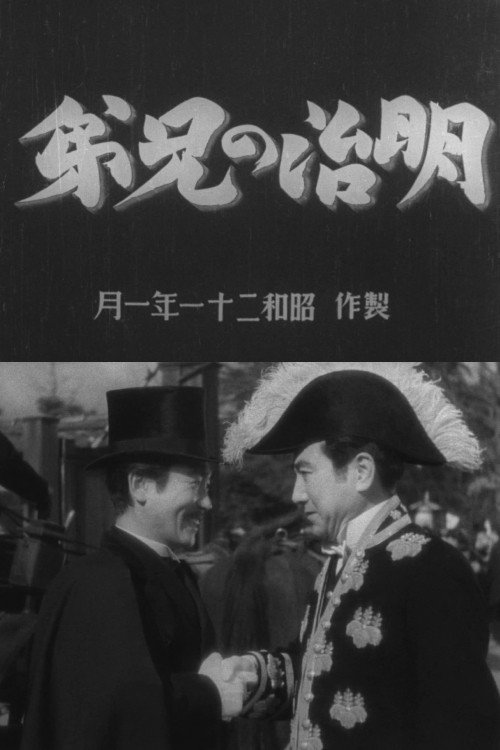
No description available.
Meiji no kyōdai
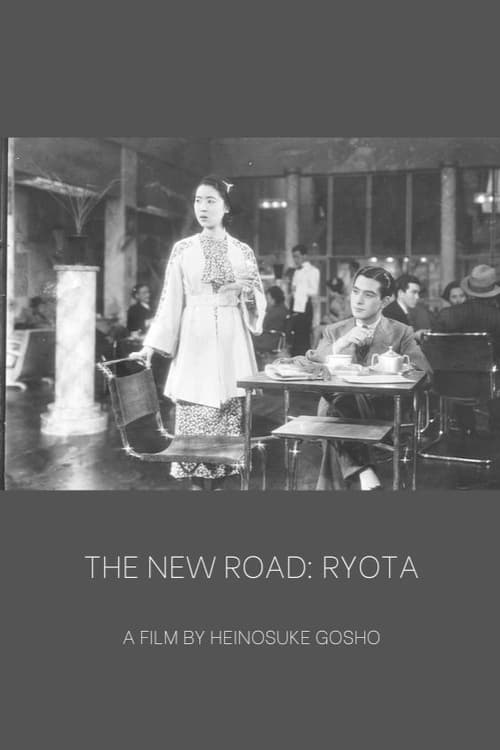
The eldest daughter of a noble family is in love with an aviator while being courted by a fellow aristocrat she thinks is a dullard. Told from the perspective of Ryota. In this second part, we learn that Akemi is pregnant...
The New Road: Ryota
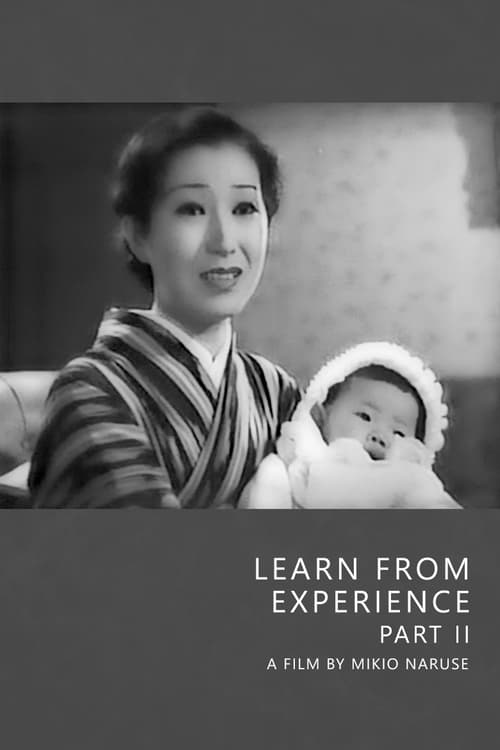
Toyomi is pregnant -- and while Shintaro and Yurie are on their extended honeymoon, she bears his child, a girl named Kiyoko. She is supported in adversity by close friend Michiko and her mother but also, surprisingly, Shintaro's mother and siblings. Even moreso, Toyomi and Yurie become friends. Part two of a two-part romance based on a story by noted author Kikuchi Kan.
Learn from Experience, Part Two
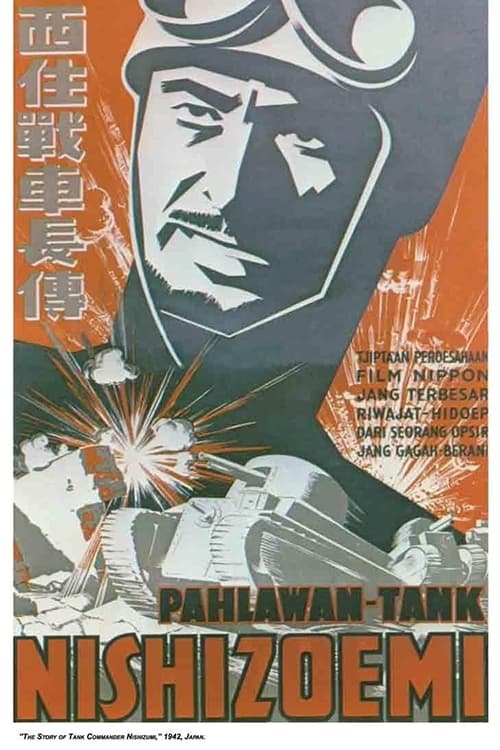
Following a young man through his childhood ambition to follow his father into the military to losing his life in combat in China.
The Story of Tank Commander Nishizumi
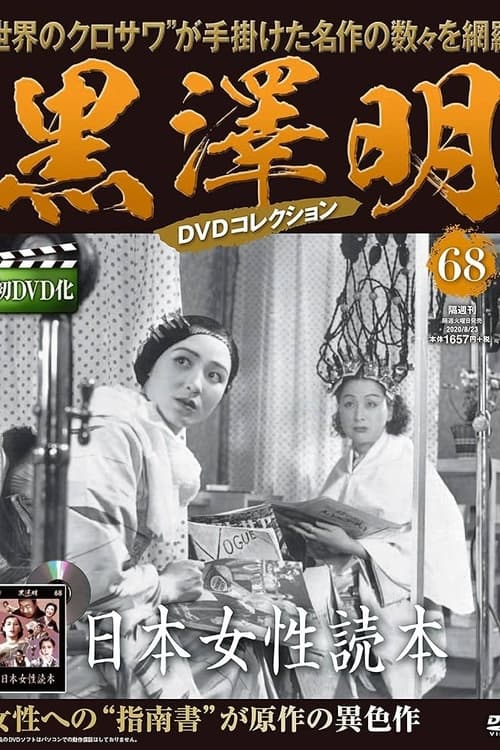
No description available.
Japanese Women's Textbook
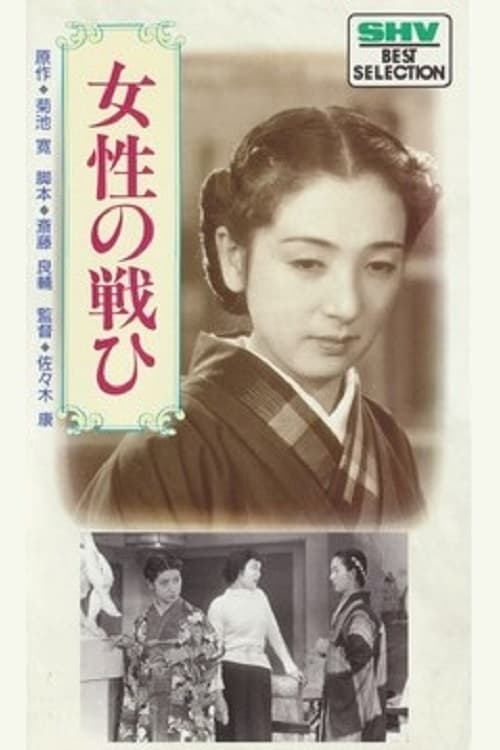
Naomi Tazawa (Hiroko Kawasaki), who works at Isetan Department Store, was told by an executive at a film company (Ken Uehara), that he was going to make a film about her. She was scouted to become an actress, but she held strong. Around that time, her adoptive father dies, and at the time of his death, she learns that her real father was a man of high rank.
Women at War
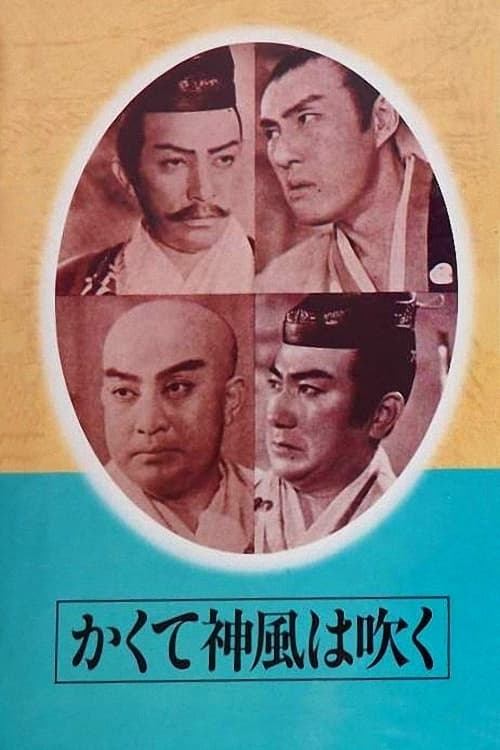
Set in the late thirteenth century, this film depicts the defense of southern Japan led by the Kono clan against the Mongol invasion in 1281.
Thus the Divine Wind Blows
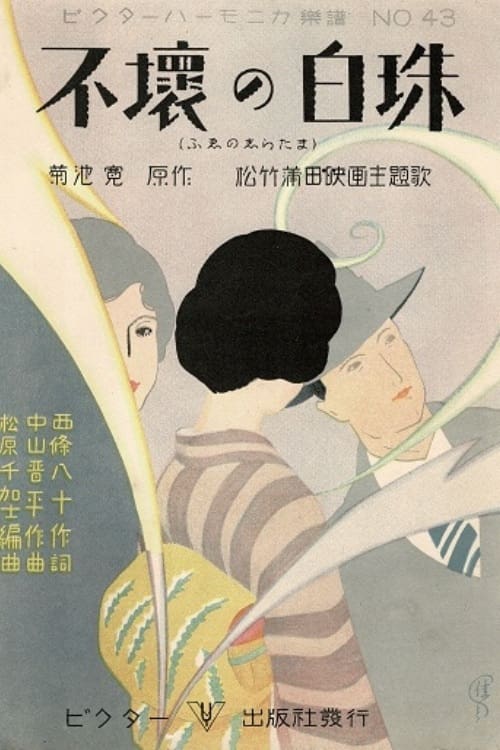
Toshie, a young, conservative secretary-typist has fallen in love with Shozo Narita, a young man she has met through her work.
Eternal Heart
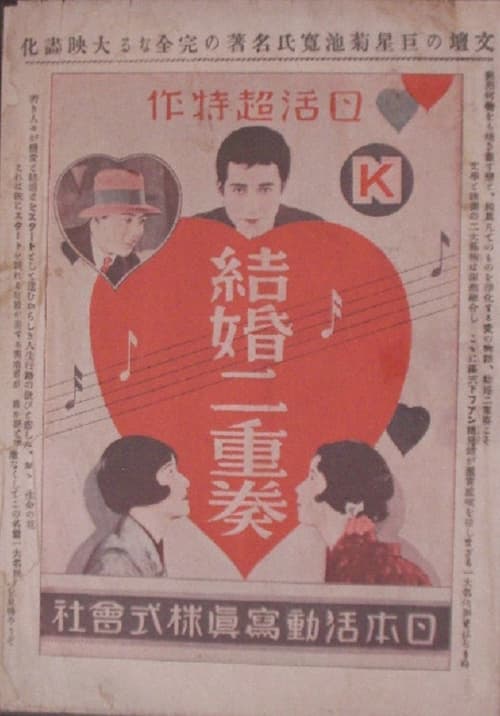
No description available.
Kekkon nijuso: zenpen
A feature-length work based on Kan Kikuchi’s newspaper novel, adapted for the screen by Kōgo Noda. With performances by stars such as Shizue Ryūda, Kinuyo Tanaka, and Yukiko Tsukuba, alongside handsome leading men like Shin’ichirō Komura, Hikaru Yamauchi, and Ichirō Yūki, the film outshone its contemporaries. The collaboration between director Heinosuke Gosho and cinematographer Mitsuo Miura, recently returned from America, gave rise to a work of first-class quality in the Japanese film world, distinguished by its brilliance and delicacy.
The Model of New Women
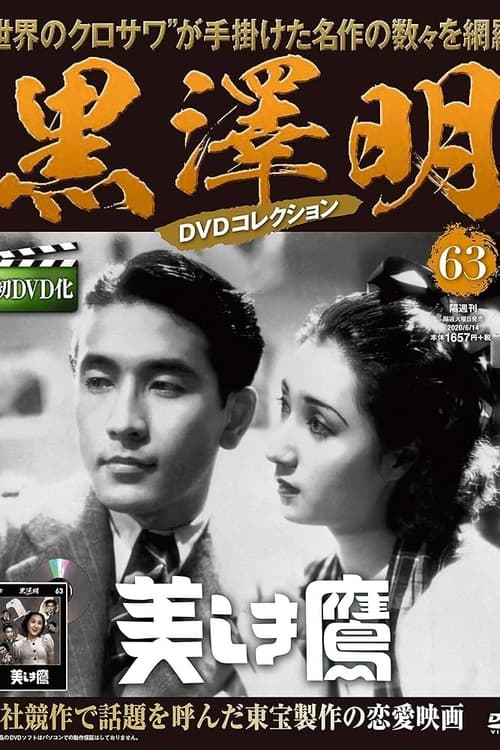
One of three titles released the same year, with the same title based on the same story. This is the P.C.L. (Toho) Version
The Beautiful Hawk
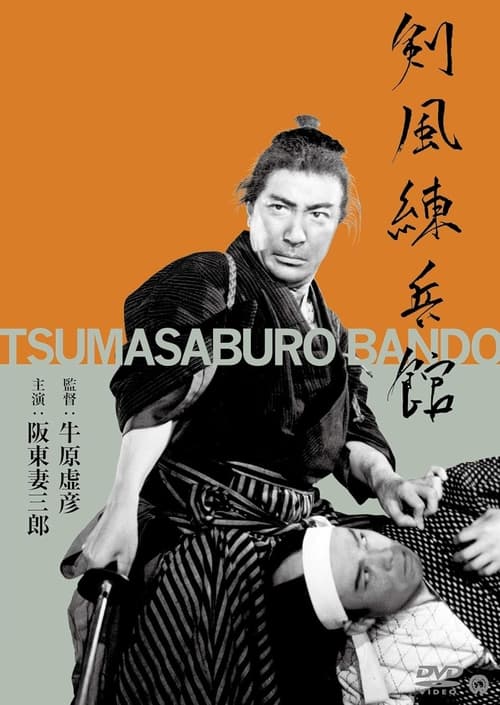
Near the end of the shogunate in Japan, Katsura Shogoro and his fellow samurai from the southwestern domain of Choshu enter the dojo of Saito Yakuro, the famed Shindo Munen Ryu swordsmen of Renpeikan in Edo. Katsura is initially not welcomed by the other, senior dojo followers. Undeterred, he focuses on improving his skill not only in swordsmanship but also learning how to repel the foreign British and American ships that threaten their domain.
Kenpu Renpeikan

No description available.