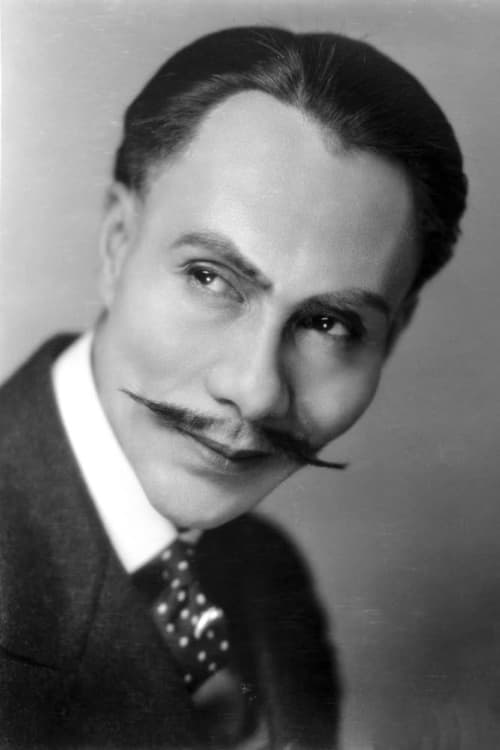
Sôjin Kamiyama
Acting
Biography
Sōjin Kamiyama or just Sōjin was a Japanese film actor. He appeared in more than 70 films between 1917 and 1954.
Known For

A samurai answers a village's request for protection after he falls on hard times. The town needs protection from bandits, so the samurai gathers six others to help him teach the people how to defend themselves, and the villagers provide the soldiers with food.
Seven Samurai
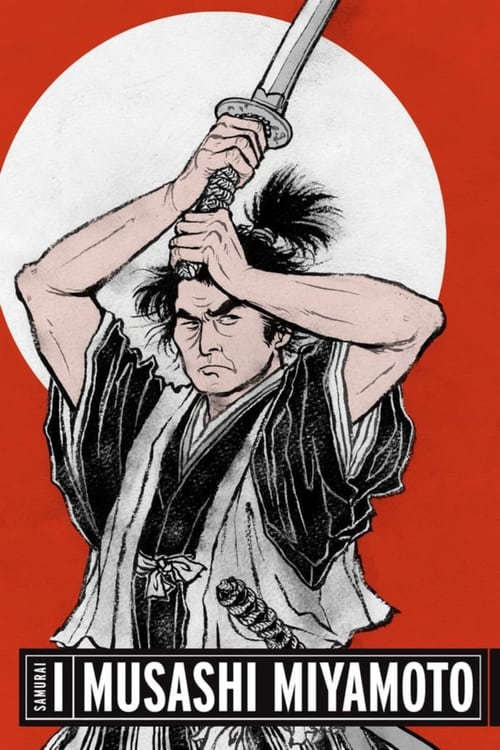
Struggling to elevate himself from his low caste in 17th century Japan, Miyamoto trains to become a mighty samurai warrior.
Samurai I: Musashi Miyamoto
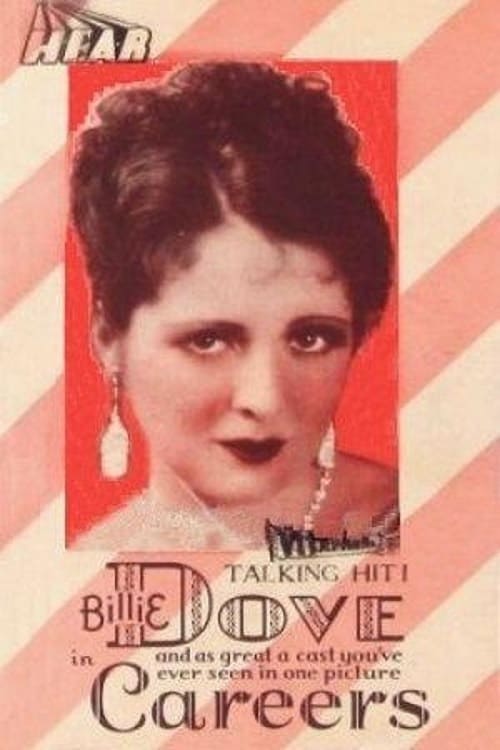
In French Indochina, a magistrate is assigned to investigate the murder of his boss. Unknown to him, the boss had a policy of requiring the wives of his subordinates to sleep with him if they wanted their husbands to get promoted. What he also didn't know was that his wife was in the boss' office when he was killed. Complications ensue.
Careers
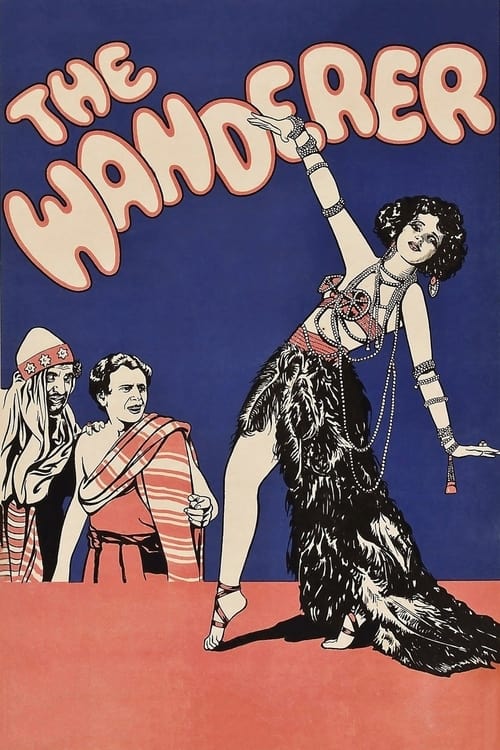
Jether, a shepherd, is lured from his home by Tisha, priestess of the goddess Ishtar. He journeys to the city of Babylon, where he lavishes Tisha with gifts and spends his share of his father's wealth on riotous living.
The Wanderer

A masked criminal who dresses like a giant bat terrorizes the guests at an old house rented by a mystery writer.
The Bat
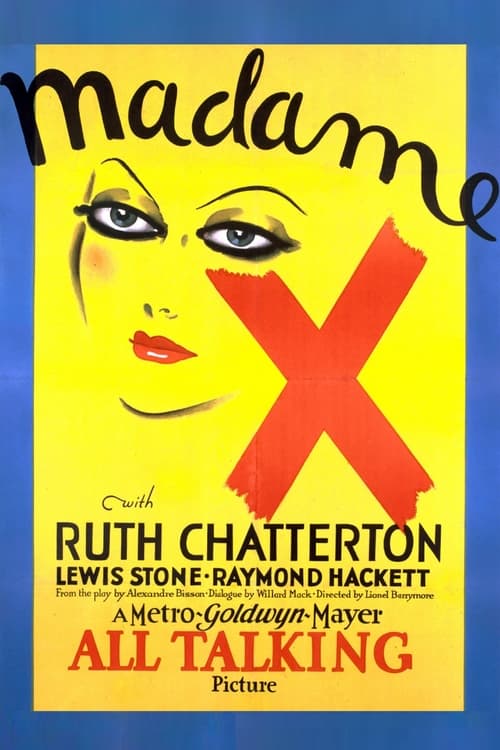
A young, unfaithful wife and mother is thrown out by her cold, unforgiving husband, the Attorney General of France. She is barred from ever seeing her three year old son again despite her earnest attempts to make amends. For many years the mother seeks refuge overseas and in Absinthe. In the end, her son, a young and promising lawyer unknowingly defends her in court. Ruth Chatterton gives a marvelous performance in this early talkie in her portrayal of Madame X.
Madame X

A recalcitrant thief vies with a duplicitous Mongol ruler for the hand of a beautiful princess.
The Thief of Bagdad
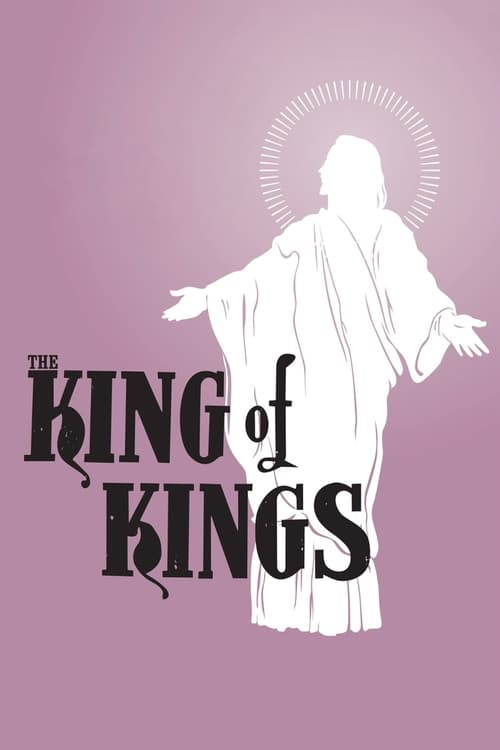
The King of Kings is the Greatest Story Ever Told as only Cecil B. DeMille could tell it. In 1927, working with one of the biggest budgets in Hollywood history, DeMille spun the life and Passion of Christ into a silent-era blockbuster. Featuring text drawn directly from the Bible, a cast of thousands, and the great showman’s singular cinematic bag of tricks, The King of Kings is at once spectacular and deeply reverent—part Gospel, part Technicolor epic.
The King of Kings

Capt. Robert Kelly holds off the foreign mob single-handed and makes good his escape during the Boxer rebellion.
Foreign Devils

Spies from Japan conspire to steal the Channing "preparedness" fortune and invade the United States, beginning in New York, then allying themselves with Mexicans across the border. They are stopped by the efforts of munitions factory heiress Patria Channing and U.S. Secret Service agent Donald Parr.
Patria
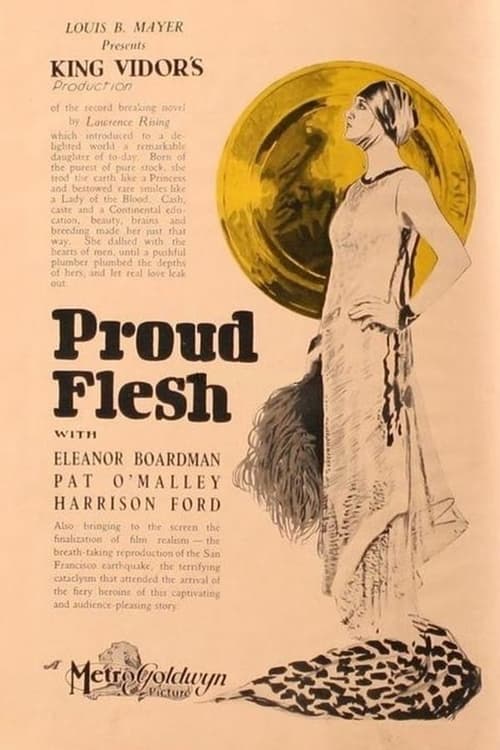
The snooty Fernanda decides to leave Spain to visit her uncle in San Francisco in order to escape the attentions of the dandy, amorous Don Diego, but he follows her. She is rescued from a wild taxi ride by a passerby who owns a huge plumbing company. Believing him to be a common plumber, she snubs him, but he pursues her and a romantic rivalry is born.
Proud Flesh

The three-hour Ai yo jinrui to tomo ni are / Love, Be with Humanity (1931) starts as a satire of alienation in the world of money, develops into a lumberland epic with a forest fire on Sakhalin Island, turns into a tragedy of King Lear dimensions, and manages to amaze the blasé audience with a happy end in the Wild West.
Love, Be with Humanity: Part 2

Now hear this. The studio that gave the cinema its voice offered 1929 audiences a chance to see and hear multiple silent-screen favorites for the first time in a gaudy, grandiose music-comedy-novelty revue that also included Talkie stars, Broadway luminaries and of course, Rin-Tin-Tin. Frank Fay hosts a jamboree that, among its 70+ stars, features bicyclers, boxing champ Georges Carpentier, chorines in terpsichore kickery, sister acts, Myrna Loy in two-strip Technicolor as an exotic Far East beauty, John Barrymore in a Shakespearean soliloquy (adding an on-screen voice to his legendary profile for the first time) and Winnie Lightner famously warbling the joys of Singing in the Bathtub. Watch, rinse, repeat!
The Show of Shows
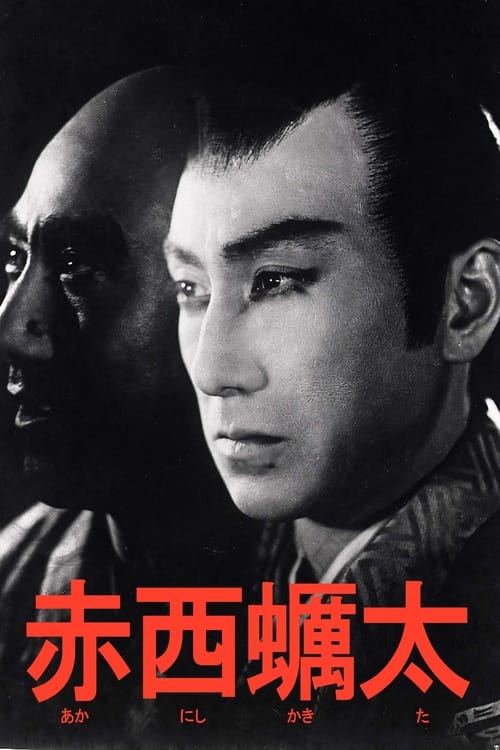
A samurai is ordered by his lord to go to Edo and investigate the truth behind the rumor of a rebellion against him.
The Letter
The three-hour Ai yo jinrui to tomo ni are / Love, Be with Humanity (1931) starts as a satire of alienation in the world of money, develops into a lumberland epic with a forest fire on Sakhalin Island, turns into a tragedy of King Lear dimensions, and manages to amaze the blasé audience with a happy end in the Wild West.
Love, Be with Humanity: Part 1

The Chinese Secret Service sends an undercover agent to investigate reports of an island ruled by a Chinese criminal named The Cobra who holds the residents in virtual slavery while running his illegal narcotics and white-slavery empire.
China Slaver
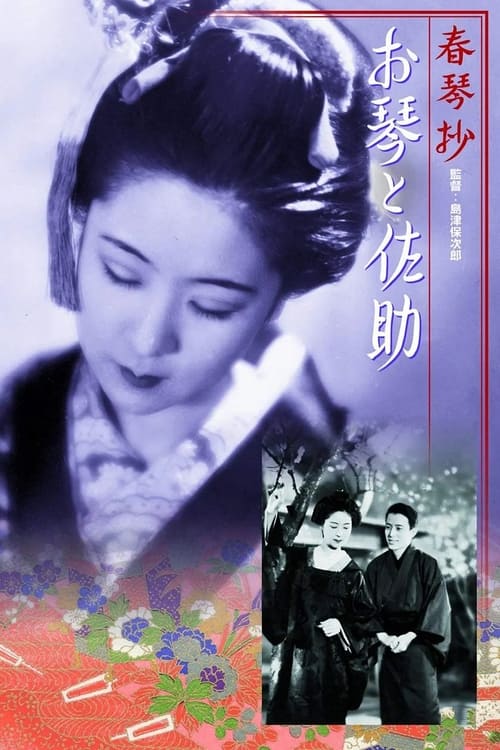
A period piece about the love of a wealthy blind woman, a teacher of koto and shamisen, and her devoted manservant. Based on a novella by Tanizaki Junichiro.
Okoto and Sasuke
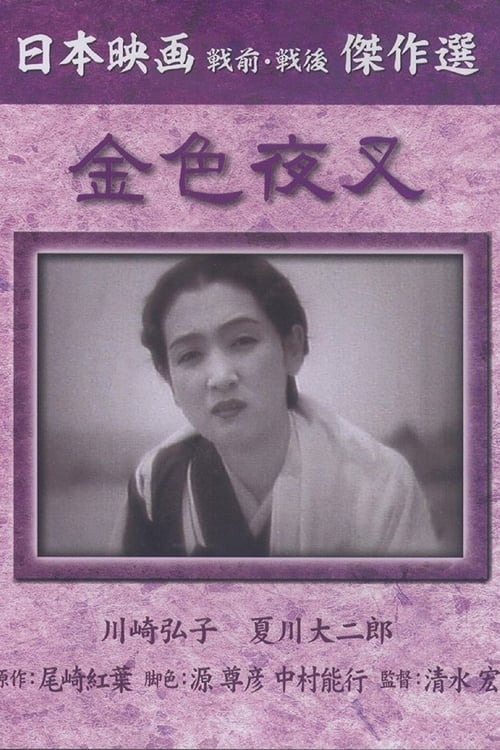
A penniless orphan loses the woman he loves, when her family arranges a marriage to a wealthy playboy. He believes she was blinded by greed, and becomes a miser.
The Golden Demon
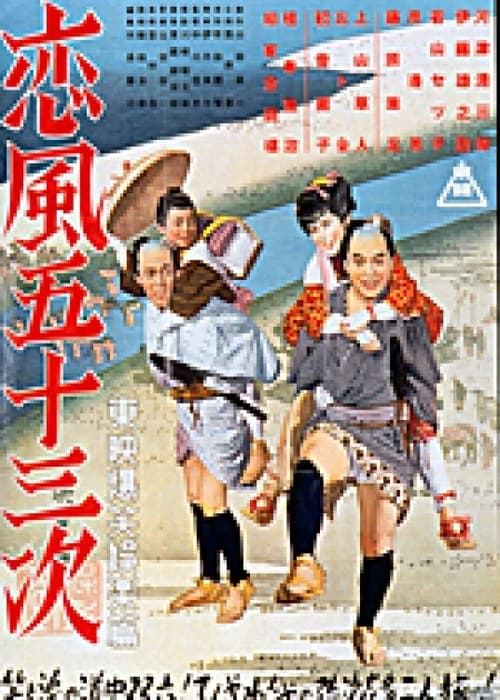
A movie directed by Nobuo Nakagawa
Love's Zephir Along the Tokaido
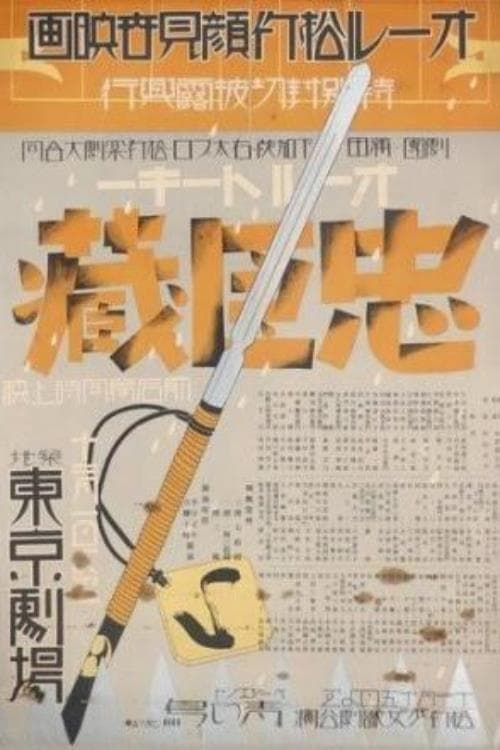
This 1932 adaptation is the earliest sound version of the ever-popular and much-filmed Chushingura story of the loyal 47 retainers who avenged their feudal lord after he was obliged to commit hara-kiri due to the machinations of a villainous courtier. As the first sound version of the classic narrative, the film was something of an event, and employed a stellar cast, who give a roster of memorable performances. Director Teinosuke Kinugasa was primarily a specialist in jidai-geki (period films), such as the internationally celebrated Gate of Hell (Jigokumon, 1953), and although he is now most famous as the maker of the avant-garde silent films A Page of Madness (Kurutta ichipeji, 1926) and Crossroads (Jujiro, 1928), Chushingura is in fact more typical of his output than those experimental works. The film ranked third in that year’s Kinema Junpo critics’ poll, and Joseph Anderson and Donald Richie noted that 'not only the sound but the quick cutting was admired by many critics.