Acting
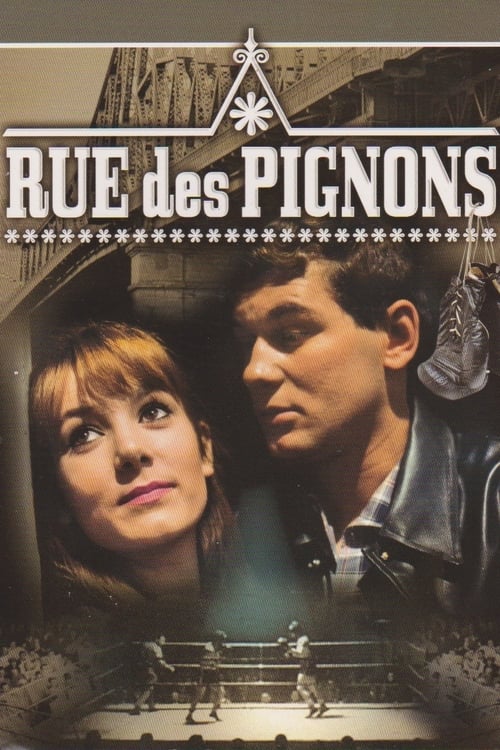
Rue des Pignons was a French-Canadian TV series which ran from 1966 to 1977. Radio-Canada has reportedly lost most of the episodes of the series, only managing to trace about 35 of the 427 episodes from 1966 to 1977. The program's theme song was composed and recorded by Pierre Brabant who also played much of the show's background music.
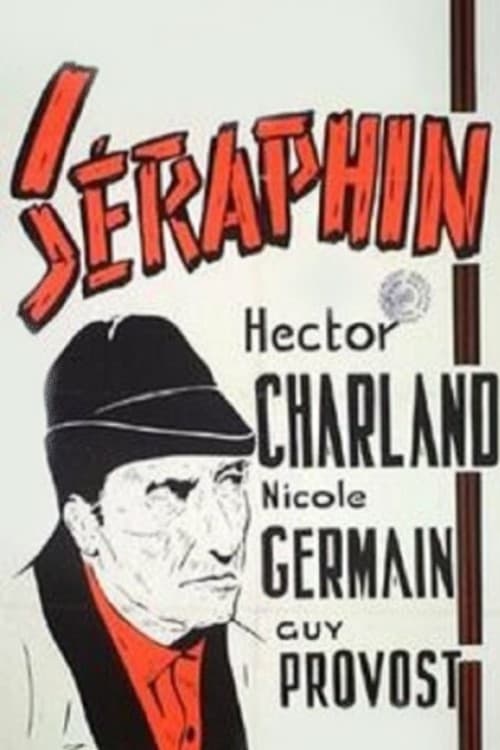
In the summer of 1890, Curé Labelle pushed for colonization. To flee Séraphin and the woman he loved, Donalda, Alexis got married and settled on a piece of land. Everyone joins forces to take their revenge on the hateful Séraphin.
A lonely woman spends the winter isolated and reminiscing about the past as she waits for her husband to return from a prolonged absence.
No description available.
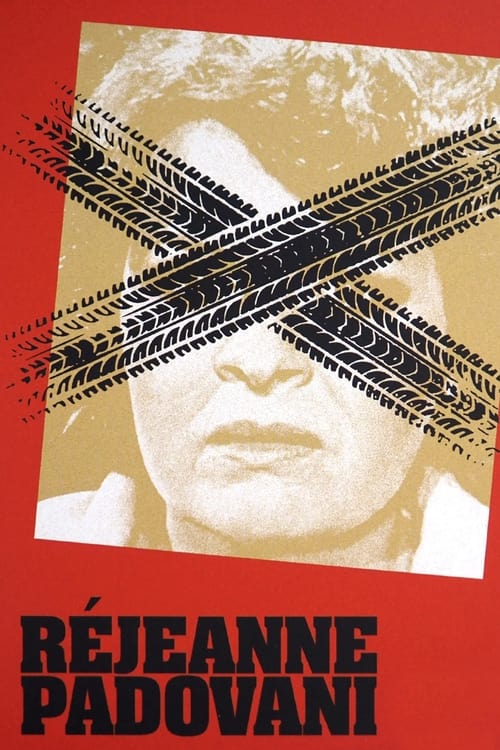
A fact-based account of ordinary citizens who found themselves arrested and imprisoned without charge for weeks during the October Crisis in 1970 Quebec.
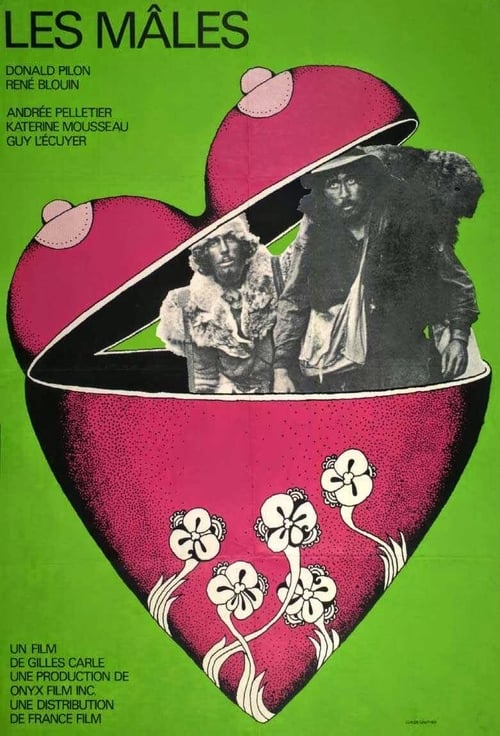
Two incredibly primitive backwoods types have just been released from prison for kidnapping the local police chief's daughter but still have a hankering for a woman. When they return to their campsite, they discover a woodland nymph whom they both bed and who drives them wild. Jealousy arises.
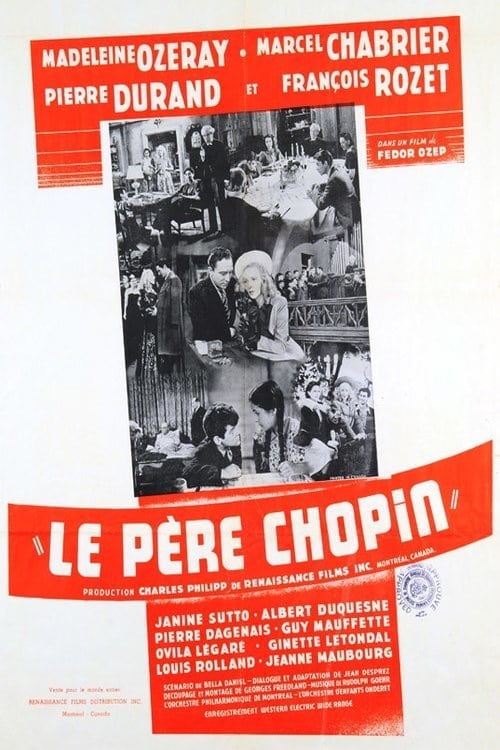
A widower is struggling to raise his five children, when he finds a rich brother who imagines he will make them happy by unwittingly destroying their modest projects. After many disasters, the uncle will be more understanding and repair his wrongs. A duel to finish: moral values and love against money and selfishness, in the Quebec of the 1940s.
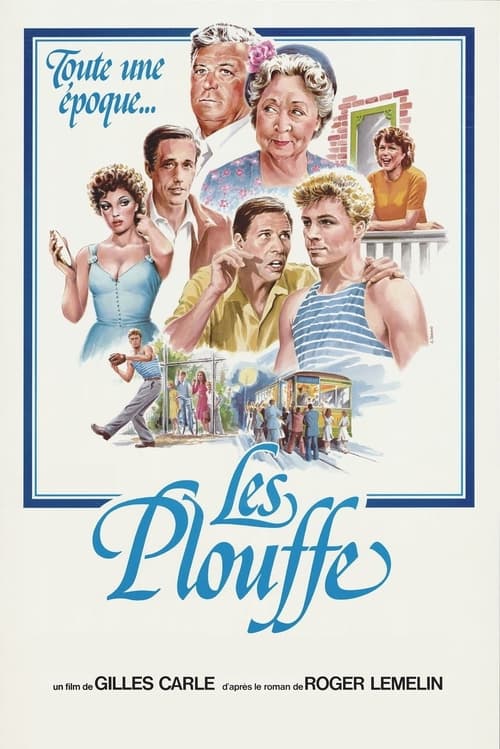
The lives of the average Quebecois Plouffe family during the final years of the depression and through World War II.
In a little village at the end of the 1890's, a young woman offends all the 'right-thinking' villagers by allowing men in her house in the absence of her husband. When he is found dead, all of the suspicion is directed towards the liberal woman. She is judged more for her morality then for the crime she is accused of. Her culpability is still a subject of debate today.
After hearing that a famous actress is dying in a hospital after being hit by a car, a reporter goes to the hospital to interview the actress. She then tells the reporter that her wealthy fiance, who was killed in an accident several years before, was actually murdered. Before long the reporter finds herself in a web of corruption, mental illness and murder.
A writer, Kamouraska is based on a real nineteenth-century love-triangle in rural Québec. It paints a poetic and terrifying tableau of the life of Elisabeth d'Aulnières: her marriage to Antoine Tassy, squire of Kamouraska; his violent murder; and her passion for George Nelson, an American doctor. Passionate and evocative, Kamouraska is the timeless story of one woman's destructive commitment to an ideal love.
In this French–Canadian oddity of music and drama, an actress in a traveling musical revue is involved with the show's director until she meets and falls for an aging ecological activist. He too is drawn to her, and together they try to stop a factory from being built over an old-growth forest.
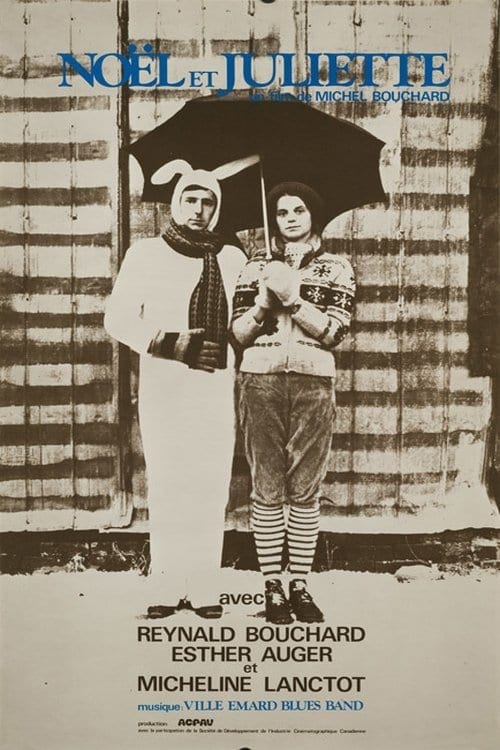
A pleasant fantasy about the setbacks experienced by a young man who loves costumes. His wife having left him, he goes after her to live some rather funny adventures.
This meditative French-Canadian film tells the story of a young woman's search for the father she has never known. Marie Chapdelaine (Carole Laure) grew up in a remote area of Quebec without ever knowing her father, a lumberjack. She moves to Montreal, settles in there with a job as a topless dancer and begins her search for him. Eventually, with the help of his former mistress, they find the lumber camp he was working in, only to discover that he was killed in a labor dispute.
A friendship between a good man with bowling as his only passion and a queer albino.
A new doctor in a quiet Quebec town sparks rumors and accusations when anonymous letters allege an affair with a married woman.
The unexpected return of his ex-wife and the assembly of a group of protesters both threaten to wreck a corrupt contractor's inauguration party for his new superhighway.
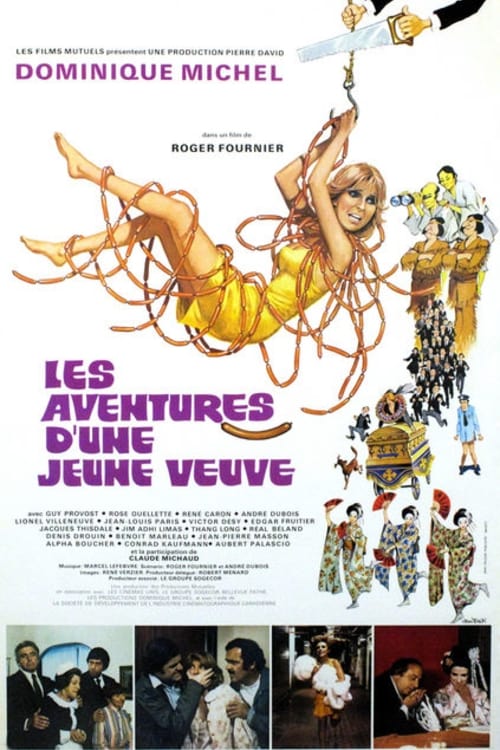
A widow must cope with her late husband's associates, crooked Japanese businessmen who want her shares of a rich Northern Quebec land and a Jewish con man who wants to get a hand of her mysterious synthetic fur coat.
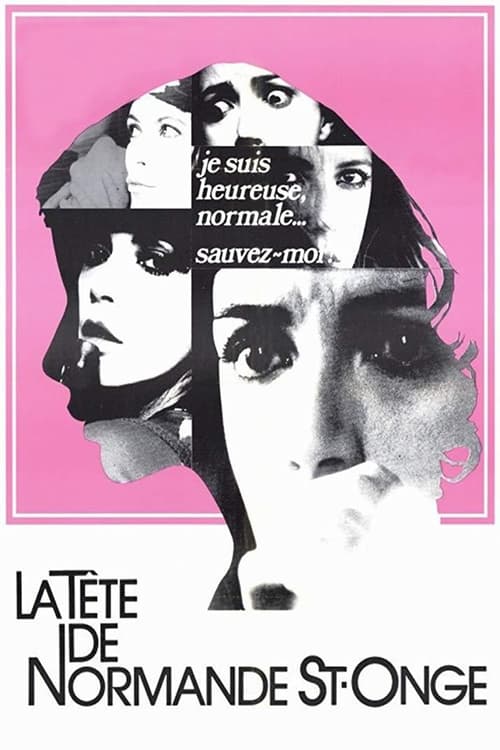
Working as a pharmacy clerk while dreaming of escape through dance, Normande St-Onge supports a household of dependent and unstable relatives. As her efforts to protect and hold together her improvised family intensify, the pressures of exploitation, eviction, and emotional isolation push her toward psychological collapse. Directed by Gilles Carle, the film blurs the boundary between fantasy and breakdown.
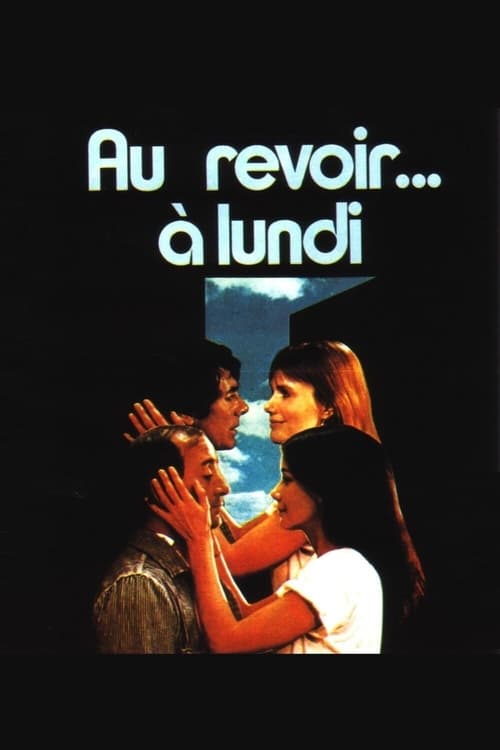
Lucie the Quebecker and Nicole the Frenchwoman with the "funny accent" are both twenty-six, single and share their Montreal apartment as they share their joys and sorrows. The first works in radio, the second in an airline company, and both have a married lover who, every Friday evening, rushes off to a home that has been forsaken for a while, saying: "Bye, see you Monday"...