Philippe Saada
Directing
Known For
A French current affairs show.
La Case du siècle
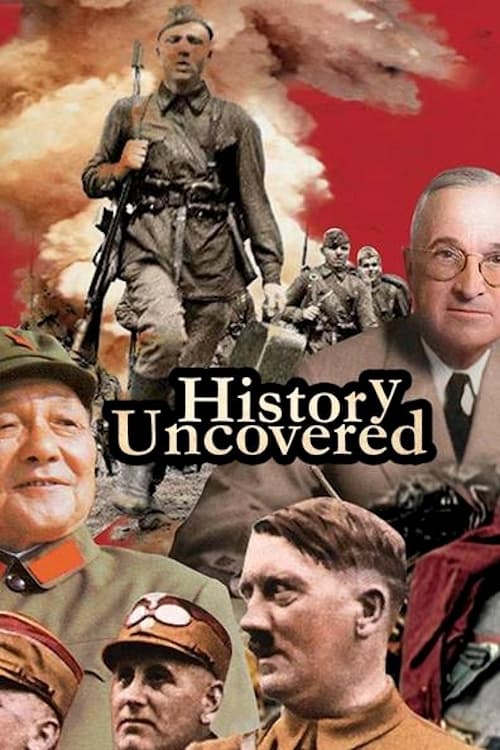
Myths die hard, and the history of the 20th century is no exception to this rule. Even today, we hold popular beliefs that we take for Evangelical truths. Thus, we believe that Hiroshima caused Japan to surrender, that the Marshall Plan saved Europe, that Adolf Hitler was a military genius, or that Mao Zedong was a necessary evil for China’s modernization. Of course, these judgements contain some truth; but, too broad-stroked to be accurate, they contradict the historical reality by denying its complexity. What if the truth was slightly different? Through an exploration of great national or international myths, this full archive documentary collection revisits the key moments of the 20th century with a new perspective in order to provide a new, smarter and more subtle interpretation, bringing elements to light that have been forgotten or sometimes overshadowed.
History Uncovered
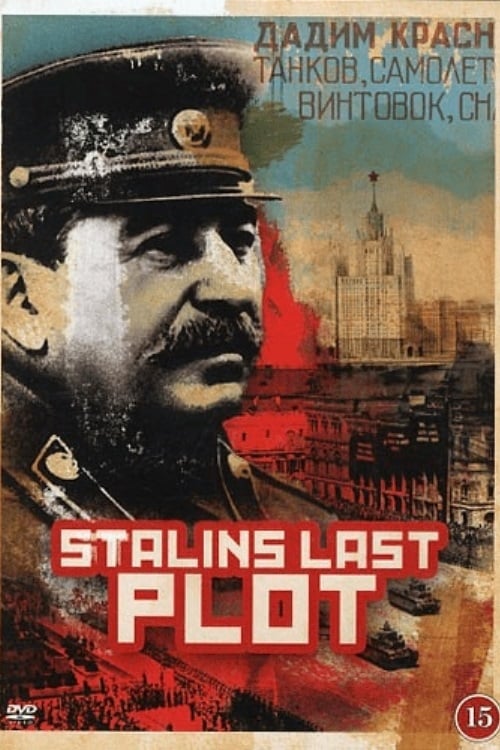
January 1953: On the eve of his death Stalin finds himself yet another imaginary enemy: Jewish doctors. He organizes the most violent anti-Semitic campaign ever launched in the USSR, by fabricating the "Doctors' Plot," whereby doctors are charged with conspiring to murder the highest dignitaries of the Soviet Regime. Still unknown and untold, this conspiracy underlines the climax of a political scheme successfully masterminded by Stalin to turn the Jews into the new enemies of the people. It reveals his extreme paranoia and his compulsion to manipulate those around him. The children and friends of the main victims recount for the first time their experience and their distress related to these nightmarish events.
Stalin's Last Plot
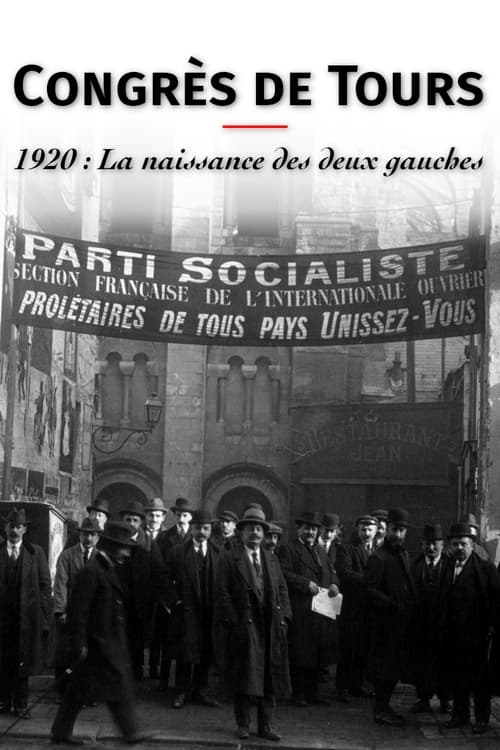
No description available.
Congrès de Tours 1920: The Birth of the French Communist Party
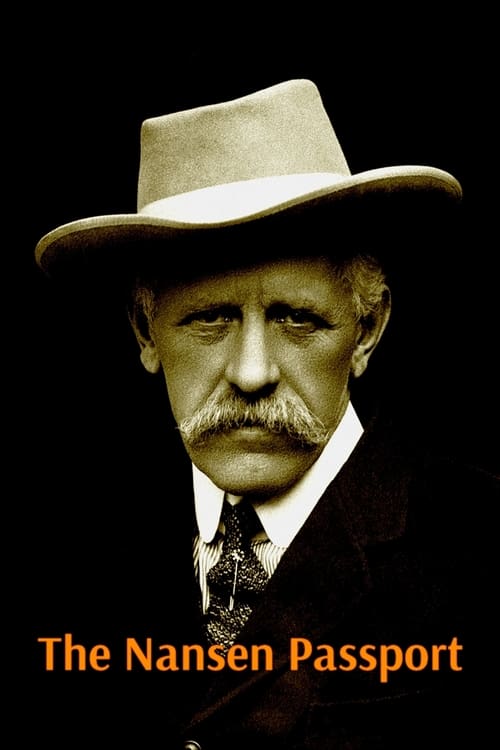
On July 5th, 1922, Norwegian explorer, scientist and diplomat Fridtjof Nansen creates a passport with which, between 1922 and 1945, he managed to protect the fundamental human rights as citizens of the world of thousands of people, famous and anonymous, who became stateless due to the tragic events that devastated Europe in the first quarter of the 20th century.
The Nansen Passport
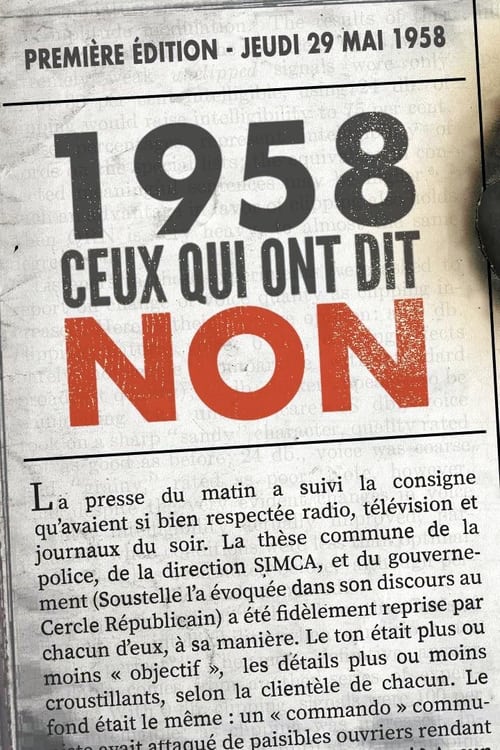
On October 4, 2018, France celebrated the 60th anniversary of the Fifth Republic. It is a republic born in the throes of the Algerian War and one which—from the day it was founded by General de Gaulle until the presidency of a very Jupiterian Emmanuel Macron—has been assailed as a “Republican monarchy” by partisans of a more assertive parliamentarian state. By revisiting the struggle of those who dared oppose the new regime — only to suffer a crushing defeat on September 28, 1958, when they were barely able to garner 20% of the vote against the constitutional text — this film shines a powerful new light on the origins of the Fifth Republic and its consequences for the next 60 years. It is a constitutional debate that planted the seeds for a complete upheaval of the French political landscape, on the left in particular, and set the country in motion toward what would be called the Union of the Left.
1958: Those Who Said No
The untold story of a world-renowned place of remembrance of the Holocaust in France, the internment camp of Drancy, which was the central transit for the near totality of the 76 000 deported Jews of France during World War II.
Drancy 1941–1944, the Internment Camp Next Door

The history of RKO - one of the legendary "Big Five" studios of the Hollywood’s Golden Age, from its creation in 1928 (when the movies started talking) to its demise in 1956, largely due to the mismanagement by its last CEO, Howard Hughes. During this period, RKO produced some 550 films including some of cinema’s great masterpieces ("King Kong", "Citizen Kane", the Fred Astaire/Ginger Rogers films, "Bringing Up Baby") and launched the career of famous stars such as Katherine Hepburn and Robert Mitchum. Film lovers will enjoy the many extracts from RKO’s most famous movies.
RKO, A Story made in Hollywood
No description available.
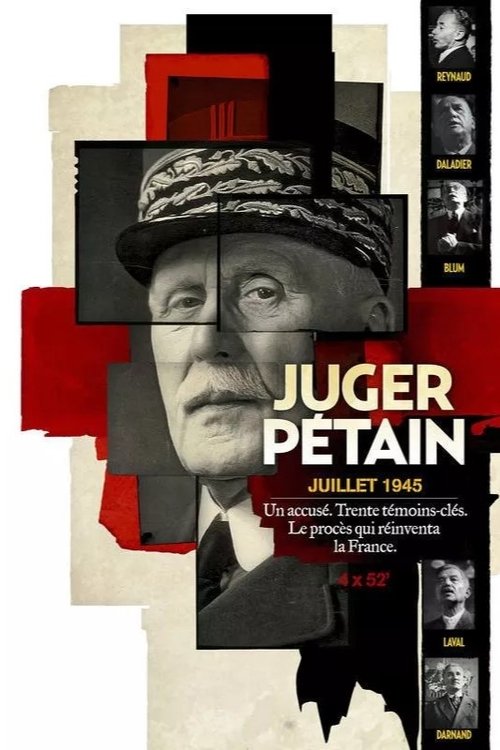
Juger Pétain

No description available.
1914, un été en enfer

No description available.
Munich 72, des jeux et du sang
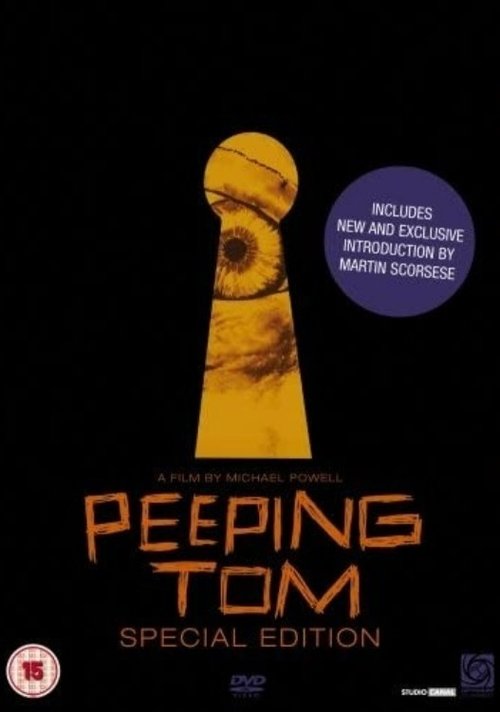
Interview with Bertrand Tavernier, Charles Drazin and Olivier Bouvet about Michael Powell's Peeping Tom.
The Strange Gaze of Mark Lewis
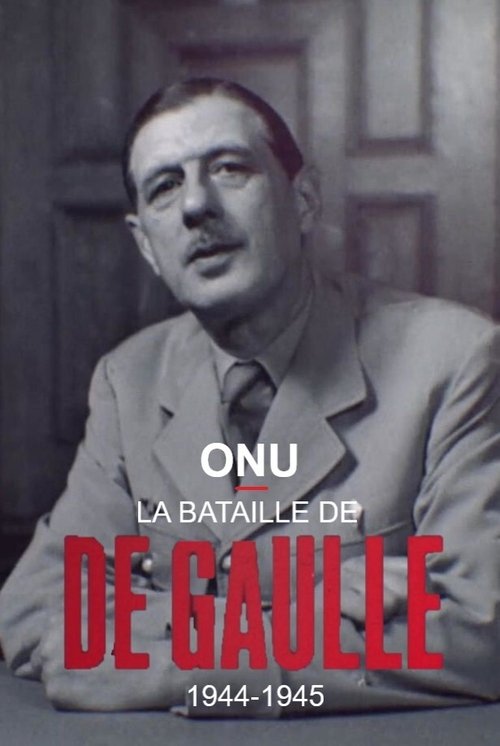
No description available.
ONU : la bataille de De Gaulle, 1944-1945
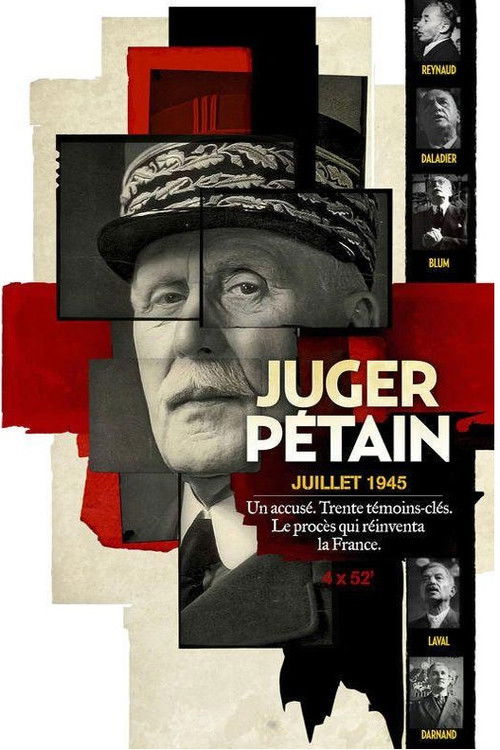
No description available.