Directing
Poti Pati is a film based on a monologue that a character has with himself—or with his double—the text challenges the characters, brings them closer together, punctuating it with body movement. The materiality of time is sought in the details of space and in the imaginary functioning of obsolete machines. Poti Pati expresses, in the polysemy of the monologue and in the migration of images between the observer and the observed, a challenge to the viewer-observer whose cinematic references are summoned.
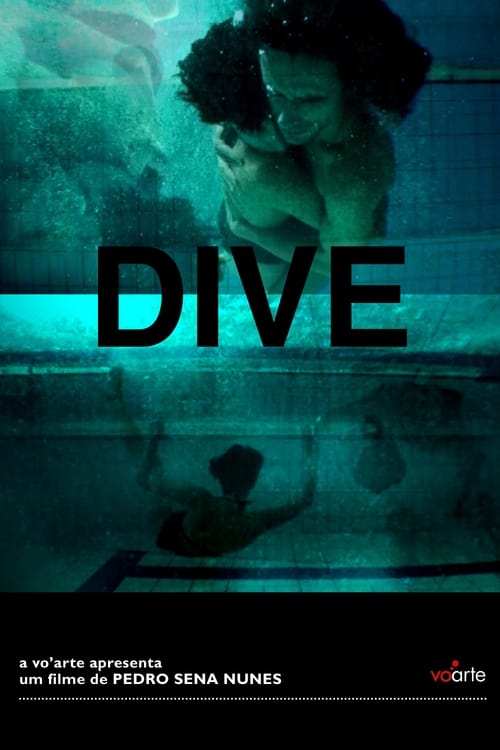
Fallen to an aquatic world, they move ineffably in a dense, clear atmosphere as if it was their first autonomous moment.
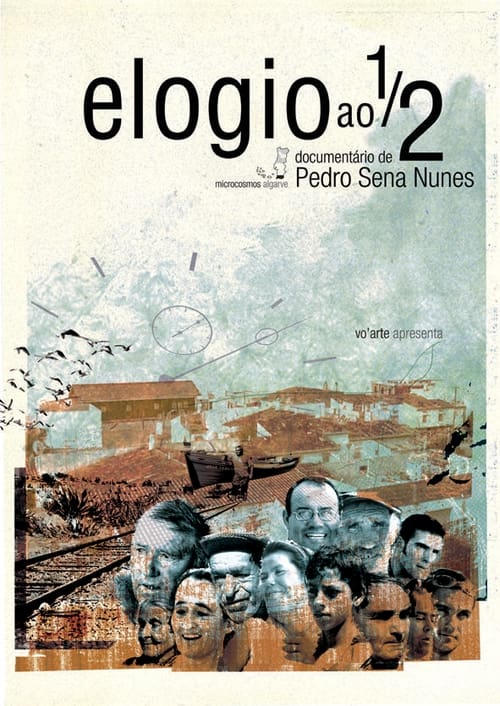
No description available.
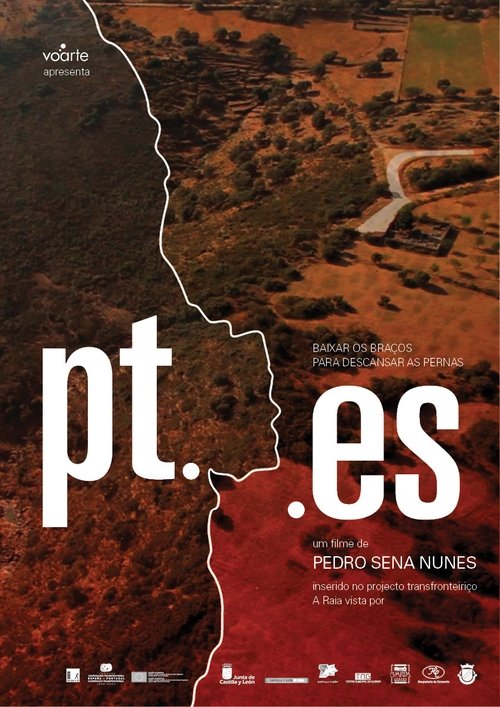
In this film there is a crescent count until the demystification of a bridge that connects and separates one country from another. Portugal and Spain, distant by fragments of their memories, images, objects, voices and ruins. Time runs out... An anxiety floats above the border and also a strength of believing that it is possible to change some things until the very last minute of our cross-over. In a world of contradictions, inequalities remain, existing surprising stories in almost forgotten lands. We are standing before a jigsaw puzzle organized into a map of ideas and memories.
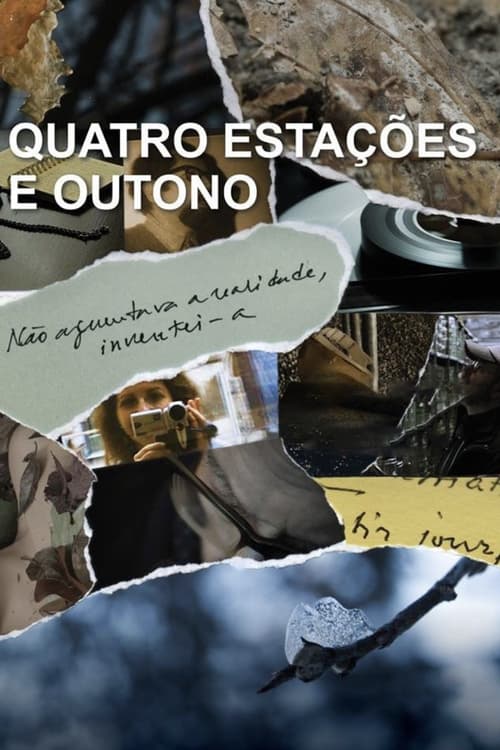
Four distinct individuals — a filmmaker charting an autumnal trail of leaves, a mysterious girl wandering through the labyrinths of creation, a woman immersed in poignant reminiscences of autumns past, and a man devoted to nurturing the void left by a departed tree — converge in the multifaceted, polymorphic realm of Jorge Listopad (1921-2017), poet, essayist, teacher, mentor, theatre and television director, husband and father.
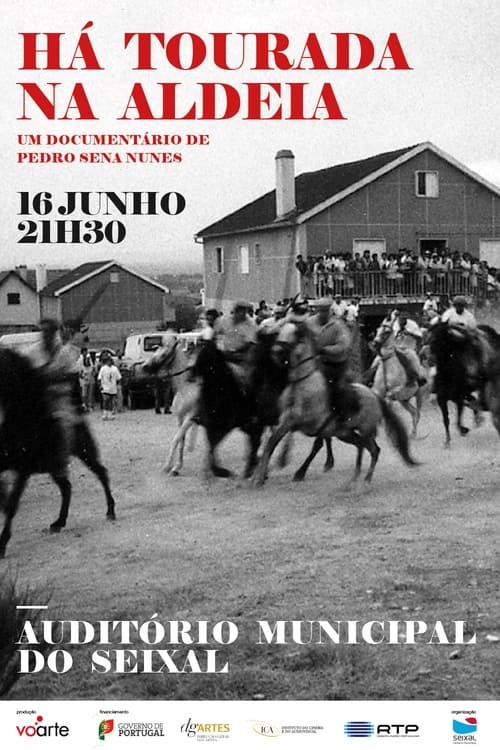
Every year, in the province with the highest rate of desertification in Portugal, thirteen villages of the border rejuvenate a bullfight with unique characteristics: the Capeia Arraiana. The butlers prepare they party and contribute to the ethnographic heritage, starting a ritual of emancipation where we can see confrontations with the force of the bull. Several men wear a rudimentary object made of wood, and fight the bulls that are brought in, often from Spain. The villages compete against each other in search of the Best Capeia of the Year.
Photographer-turned-radiologist José Fontes revisits the now-inactive psychiatric hospital where, for two weeks in 1968, he captured the complexities of everyday life in a series of harrowing photographs.
Maria do Carmo discovers she is HIV positive. On impulse, she goes to the home of João, her former partner. Three lives, two relationships. Two women and one man.
A Lady, Our Lady. A boy, entrusted to all of us. Son of the Mother. Children of one Mother. A place of prayer and devotion, due to its organization and layout, it exerts the intimidating power typical of a chapel. This is the video that depicts the Virgin Mary.
There is a complex geo-human situation of isolation in Trás-os-Montes, a region in northeastern of Portugal. A used railroad bridge bought for only 22 villagers.