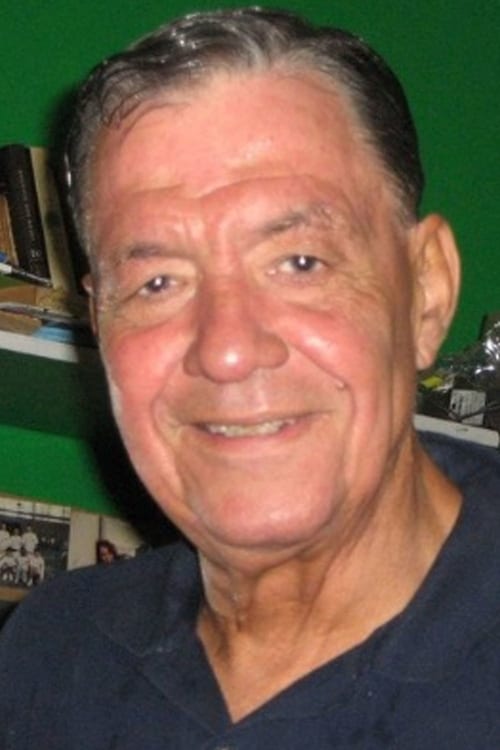
Haroldo Marinho Barbosa
Directing
Known For
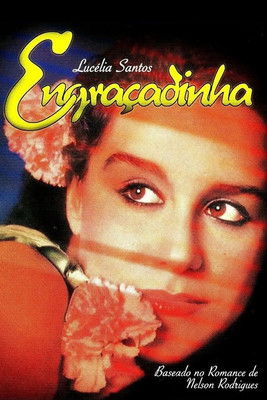
After the funeral of her father Arnaldo, who committed suicide, Engraçadinha confesses to the priest the motives. On the engagement party of her cousin Sílvio with Letícia, Engraçadinha seduces him in the library, and later she ends her engagement with Zózimo and lies to Letícia, telling that she is pregnant. Letícia decides to tell Arnaldo what happened, and he says that the child can not be born. He exposes dirty secrets to Engraçadinha, and a tragedy is announced.
Engraçadinha
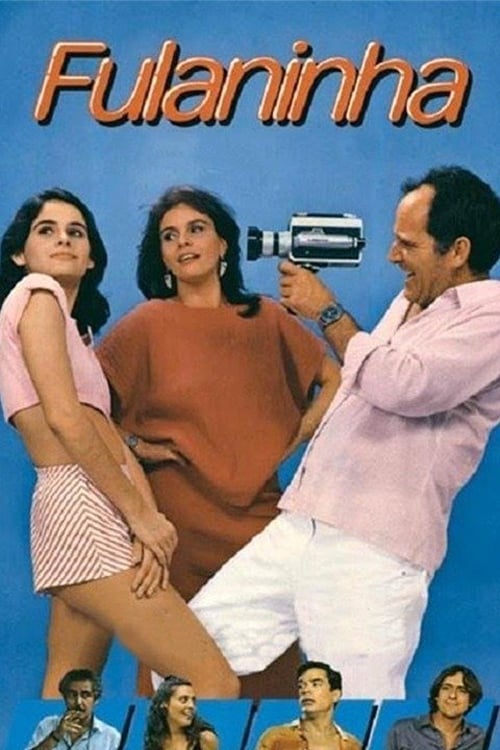
Movie director in his forties and in existential crisis falls in love with an unknown teen girl he sees walking down the streets, without knowing she's the daughter of the woman he's having a relationship with.
Fulaninha
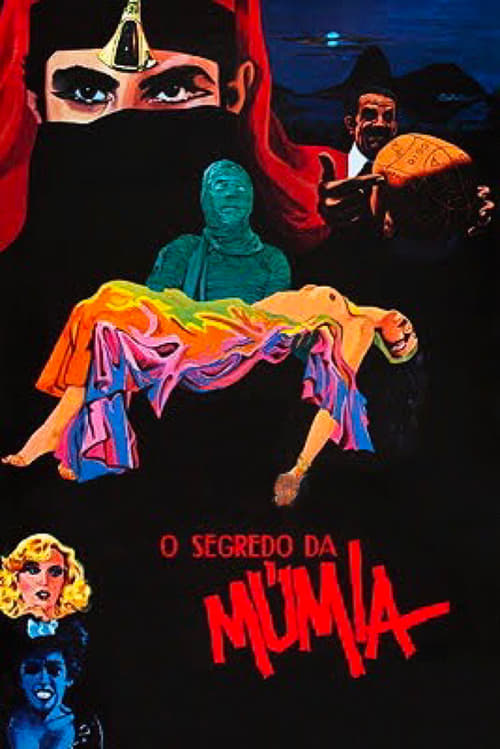
A mad scientist attempts to bring an ancient Egyptian mummy back to life.
The Secret of the Mummy
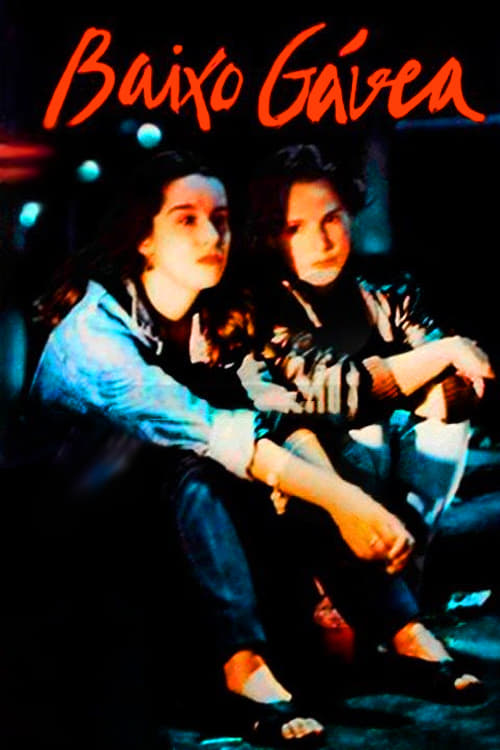
Clara directs the rehearsals of a theatrical play about Fernando Pessoa while constantly seeking the right man and the love of his life. One of the actresses is the lesbian Ana, who interprets the poet Mário de Sá Carneiro. She is Clara's friend and confidant with whom she shares an apartment. Clara does not perceive Ana's love for her, that always helps her to recover from the disappointments. Unlike the character Sá Carneiro, poet of decadentism, nostalgia, metaphysics and vague, Ana is the pragmatic side of Clara, who often brings a disillusioned vision as if it were Fernando Pessoa himself, who may be associated with concepts of the poet's heteronyms.
Baixo Gávea
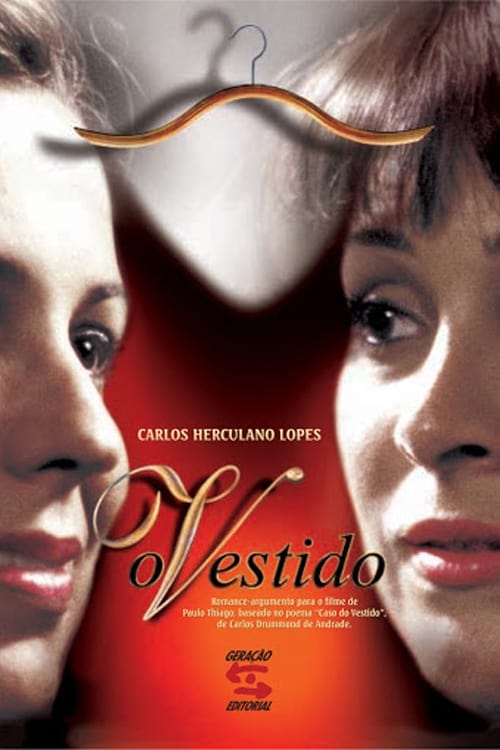
Ulisses has failed in his professional life, but leads a happy life with his wife Ângela and their two daughters. Until the day he is introduced to Bárbara, a very beautiful woman living in Rio de Janeiro. Ângela becomes her friend and gives her the dress Ulisses had given her. From then on, marital problems arise, and he becomes increasingly attracted to Bárbara.
O Vestido
Play written by Qorpo Santo, in 1866, about a love triangle in which the husband kills his rival in the name of honor, pride, dignity and national integrity.
Eu Sou Vida, Eu Não Sou Morte
No description available.
A Nelson Rodrigues
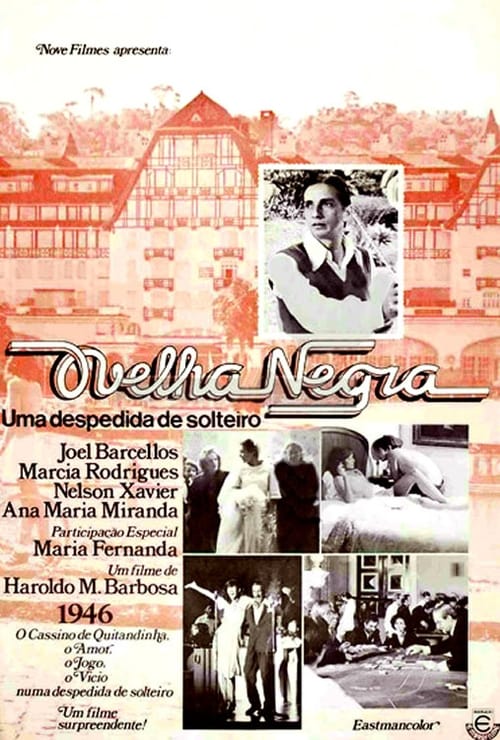
João, a playboy, spends his last day as a single in a resort hotel, where he seduces a teenager and gets involved with the casino singer.
Ovelha Negra, Uma Despedida de Solteiro
No description available.
Copacabana
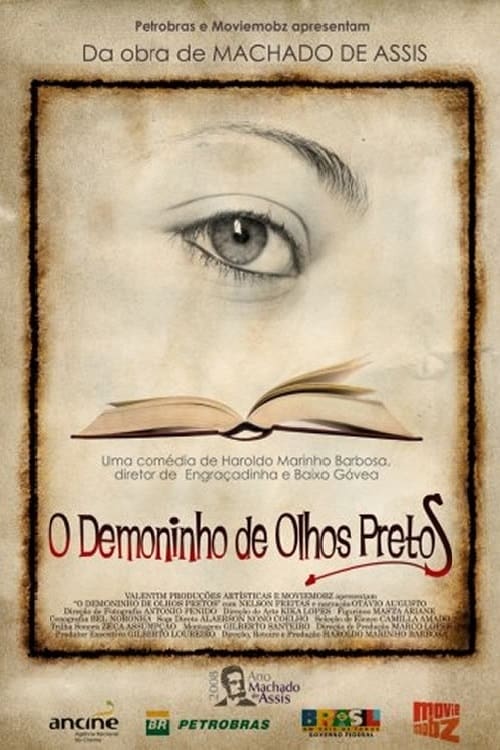
No description available.
O Demoninho de Olhos Pretos
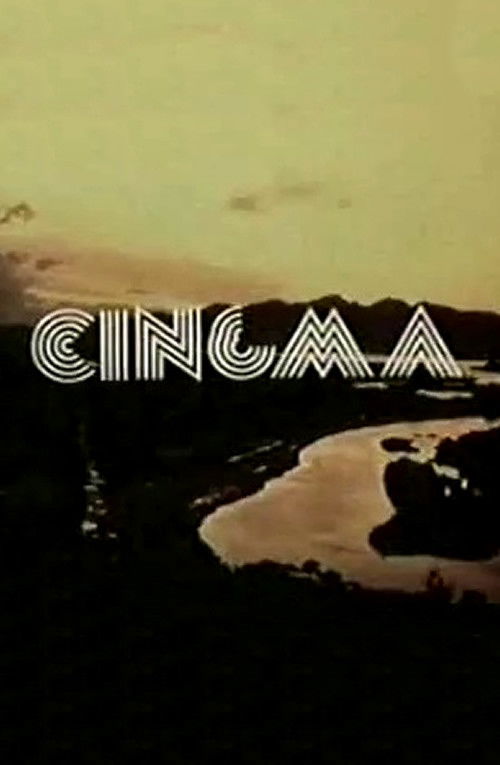
A lesson in conciseness, expressiveness, and humor on the inexhaustible theme of the dream of making movies. A parodic lesson, a Brazilian version of historical scenes filmed by the Lumiére brothers in 1895—the baby, the bath in the garden, the workers leaving, and the arrival of the train. The melodrama of a couple of lovers through time and the history of cinema. Many sequence shots, as preferred and taught by Cinema Novo. Everything about a film being made and being watched. The language of cinema (shot, reverse shot, tracking shot, editing, mixing, dubbing, etc.), interspersed with quotes from Humberto Mauro, Godard, Glauber Rocha, and Rossellini.
Cinema
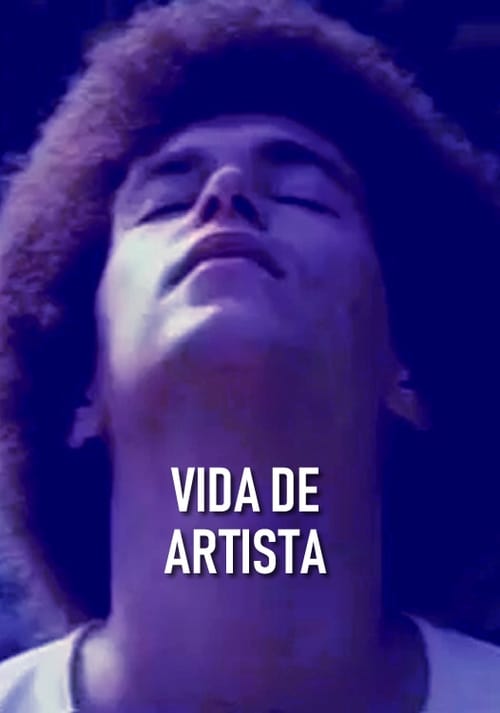
Experimental film by Haroldo Marinho Barbosa.
Vida de Artista
No description available.
Centro do Rio
No description available.