FEEL IT.STREAM
David Neves

David Neves

Directing

Biography

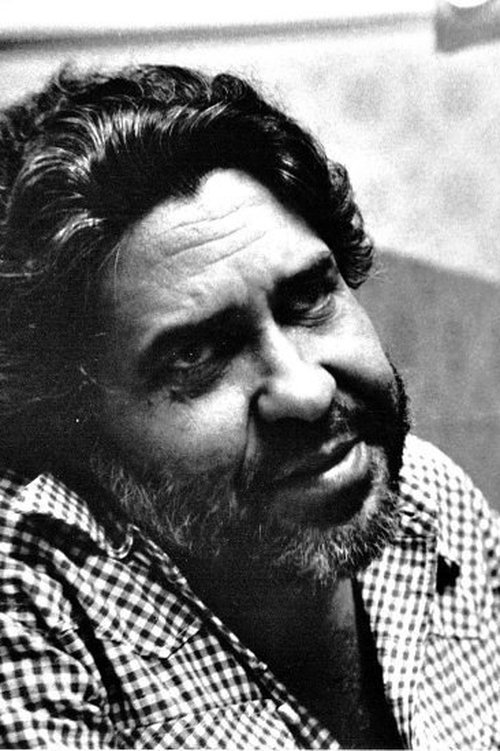
David Neves (14 May 1938 – 23 November 1994) was a Brazilian film director and screenwriter. He directed nine films between 1964 and 1988. He was a member of the jury at the 20th Berlin International Film Festival in 1970.
Known For

Cinema Novo
6.7

A deep investigation, in the way of a poetic essay, on one of the main Latin American movements in cinema, analyzed via the thoughts of its main authors, who invented, in the early 1960s, a new way of making movies in Brazil, with a political attitude, always near to people's problems, that combined art and revolution.

Cinema Novo

2016
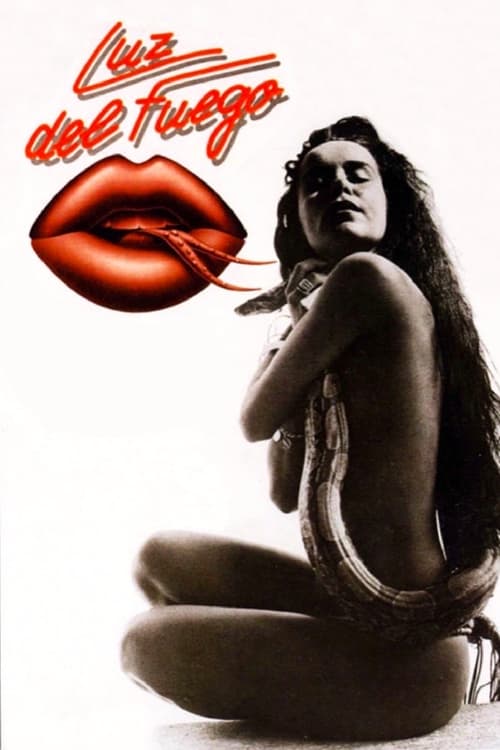
Luz Del Fuego
5.1

Biography of a Brazilian dancer who lived on an island and practiced nudism when it was forbidden by law.

Luz Del Fuego

1982
Fulaninha
5.1

Movie director in his forties and in existential crisis falls in love with an unknown teen girl he sees walking down the streets, without knowing she's the daughter of the woman he's having a relationship with.

Fulaninha

1986
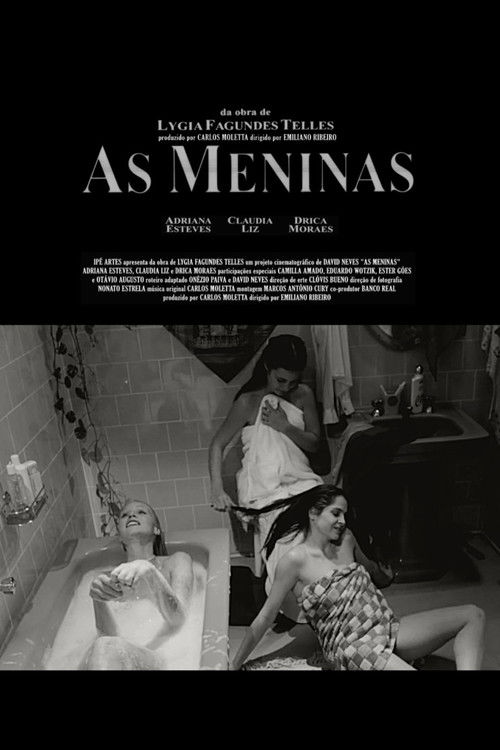
As Meninas
6.3

During the military dictatorship in Brazil, Lorena, Lia and Ana Clara, three university students of different social backgrounds and origins meet at a nun's pension in São Paulo. Besides their differences, they become close friends, sharing their dramas and dreams, helping each other until the day they have to separate permanently.

As Meninas

1995
Bethânia Bem de Perto: A Propósito de um Show
7.3

Documentary about Maria Bethânia, at the very beginning of her career as a singer, when she arrived in Rio da Bahia to replace Nara Leão in the show Opinião. Bethânia's appearance, at that time in southern Rio, was a cultural shock that shook the city. The film also contains scenes of her daily life and meetings with other musicians.

Bethânia Bem de Perto: A Propósito de um Show

1966
Colagem
N/A

The new Brazilian cinematic movement (Cinema Novo) through films starring actors Antonio Pitanga and Luiza Maranhão.

Colagem

1967
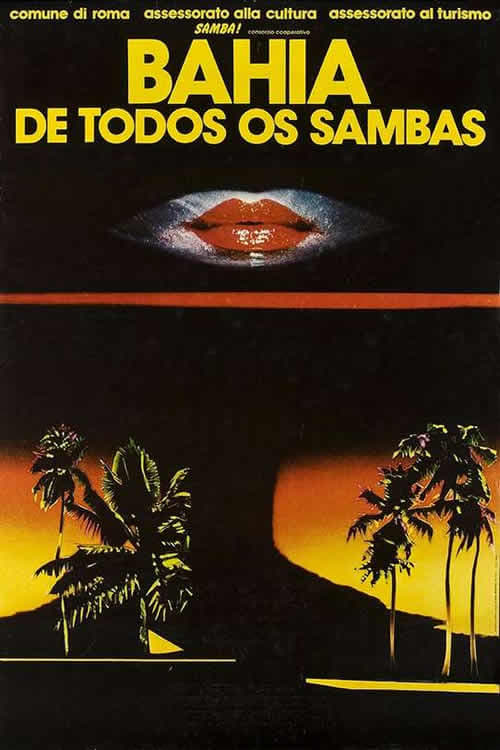
Bahia de Todos os Sambas
8.0

Between August 23 and 31, 1983, at the "Circo Massimo", in Rome, there was a musical event that brought together artists from Bahia. This film brings a recording of the event, also featuring backstage, rehearsals, testimonies and some relaxing moments of these great names in Bahia's music.

Bahia de Todos os Sambas

1996
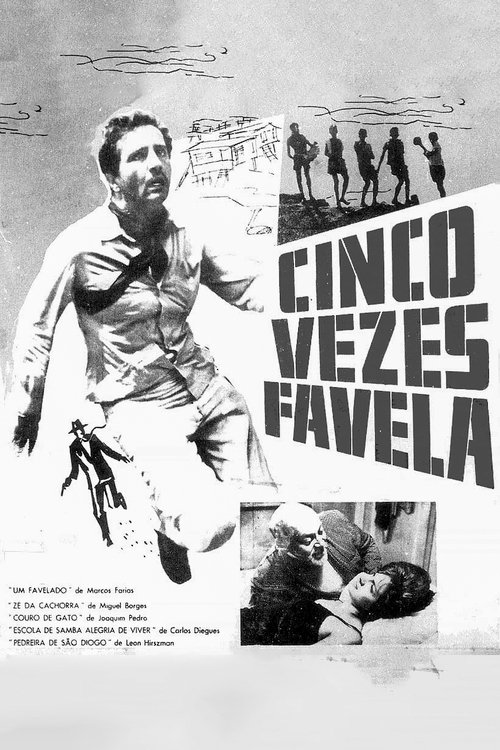
Five Times Favela
7.9

Five segments about the hardships faced by people living in slums on hills in Rio de Janeiro.

Five Times Favela

1962
Cat Skin
7.5

A few weeks before Carnival, slum boys organize huntings for stray cats, whose leather can be used in Samba percussion instruments, like the Tamborim, a small drum.

Cat Skin

1962
Brazil in Cannes
N/A

The importance of the Cannes Film Festival in world terms and what it represented for Brazil in 1971. For Brazilian cinema, Cannes 71 represented the transition from film to industrialized production. It is the meeting of producers, technicians, critics , celebrities in general, offering opportunities for greater knowledge and renewal of values

Brazil in Cannes

1971
Muito Prazer
8.0

Two contrasting social groups get in touch: three architects and three street urchins, all struggling for survival.

Muito Prazer

1979
The Big City
6.2

In search of a better life, Luzia leaves the Northeast of Brazil and goes to Rio de Janeiro, looking for her fiance who went first to pave their way. Alone in the Marvelous City, she is forced to accept the friendship and protection of Calunga and, later, the company of Inácio.

The Big City

1966
Rio's Love Song
6.1

Four love stories which portray a wide gamut of emotions and desires against the backdrop of Rio de Janeiro. "Elephant's Stomp" : the story of a highway patrol officer who is infatuated with a mulatto dancer at a local nightclub. "Drao" : a publicity man and a boutique owner who face a crises in their marriage. "You Are Beautiful" : two homeless teenagers seek love amidst their personal misery. "Samba of the Great Passion" : a book maker who is charmed and captivated by the voice of a female singer coming from a building across the street. Characters in search of love in order to escape from the boredom, loneliness and helplessness of their lives.

Rio's Love Song

1994
Lucia McCartney, Call Girl
4.7

In the 60's Lúcia McCartney is a call girl who is a fan of the Beatles. A diplomat tries to get her out of prostitution by falling in love with her.

Lucia McCartney, Call Girl

1971
Música, poesia e amor
N/A

No description available.

Música, poesia e amor

1976
Absolute Majority
8.9

The documentary depicts the everyday of illiterate rural workers in Northeast Brazil, living under extreme misery. Although incapable of writing, they are aware of their condition and qualified to proposing solutions they hope for to their problems.

Absolute Majority

1964
No image
9.0

An overlook at the southern Rio de Janeiro neighborhoods, from the perspective of one of its most well-known places: Jardim de Alah, a group of squares on the middle of neighborhoods Ipanema and Leblon. There, people of different social classes interact together - workers who live in the Cruzada de São Sebastião building and the local bourgeois class who live in fancy condos. There, the rich and the poor unite in the same spirit.

Jardim de Alah

1989
A Noiva da Cidade
8.0

When Daniela, a famous actress, decides to return to her hometown to reconnect with a simpler lifestyle, local politicians decide to exploit her influence in order to get ambiguous deeds done.

A Noiva da Cidade

1978
Racial Integration
9.0

A comprehensive view of the situation of different ethnic groups in Brazil. In the testimonies gathered in the streets and neighborhoods of various capitals, black, white, mulatto, Portuguese, Italian and Japanese express their opinion and describe personal experiences involving relationship, racism, miscegenation and cultural exchange.

Racial Integration

1964
A Linguagem do Cinema
6.0

A 10-part documentary about 10 Brazilian filmmakers: Linduarte Noronha, Jorge Furtado, Ruy Guerra, Murilo Salles, Paulo Caldas, Walter Salles & Daniela Thomas, David Neves, Julio Bressane, Ana Carolina and Carlos Reichenbach.

A Linguagem do Cinema

2001