Camera
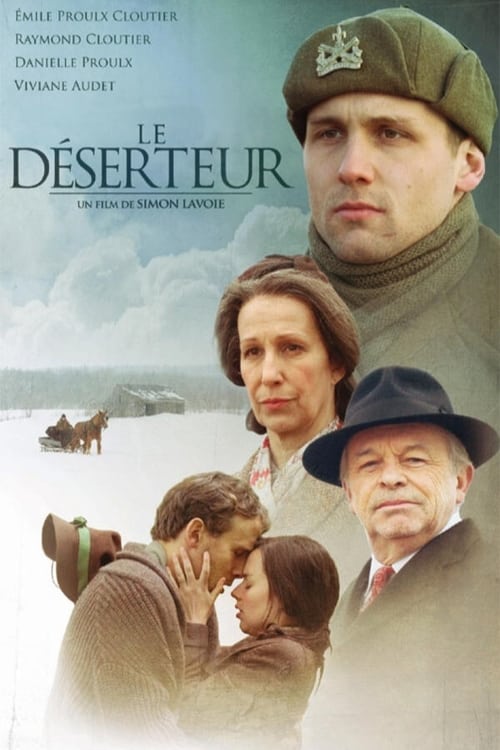
It tells the story of Georges Guénette, a deserter from the Canadian Army during World War II, who was shot and killed by members of the Royal Canadian Mounted Police.
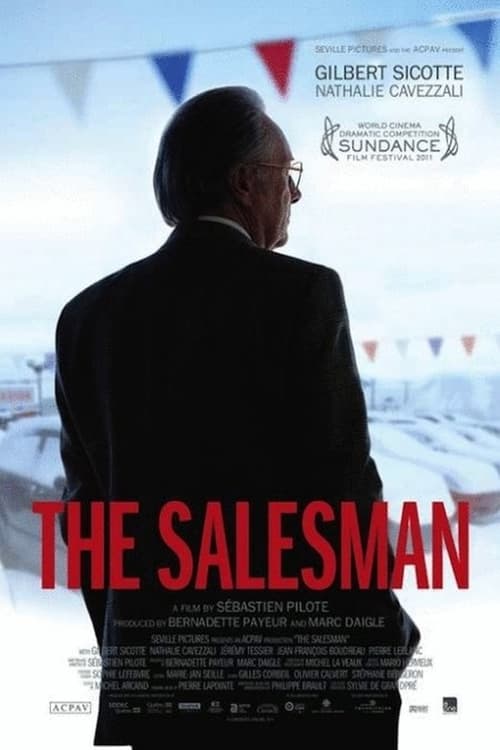
With an enthralling central performance by Gilbert Sicotte, this masterful debut feature examines the life of the top car salesman in a fading Quebec town as events challenge the 67-year-old’s sense of identity and the meaning of life at the most profound level.
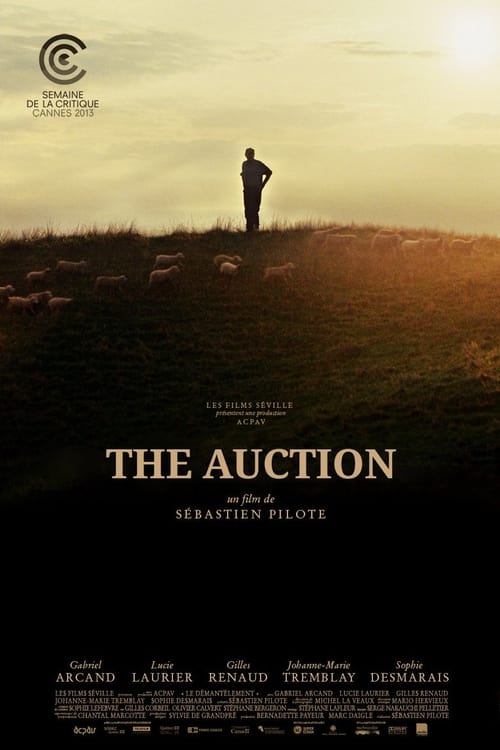
Gaby owns a farm on which he raises lambs: Bouchard & Sons Farm. But he has no sons. Rather, he has two daughters that he raised like princesses and who live far away, in the big city. One day, the oldest asks him for some financial support so she doesn't end up losing her house...
In a quest to rediscover the spiritual values of his own people, an African filmmaker from the Gourmantche tribe of Burkina Faso visits an Aboriginal band, the Atikamekw of northern Quebec. The resulting documentary is a dialogue between those who divine the future in the sand with those who use snow-encased sweat lodges to reconnect with the spiritual world.
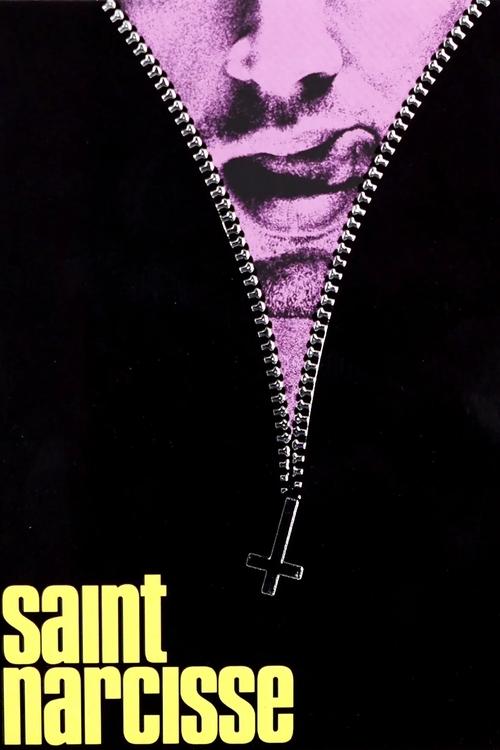
Dominic’s fetish is… himself. Nothing turns him on more than his own reflection. That’s why discovering that he has a twin brother, raised in a remote monastery by a depraved priest, causes him major consternation. Fate brings the two young men back together again, and their fraternal relationship is torn between sex, revenge and redemption.
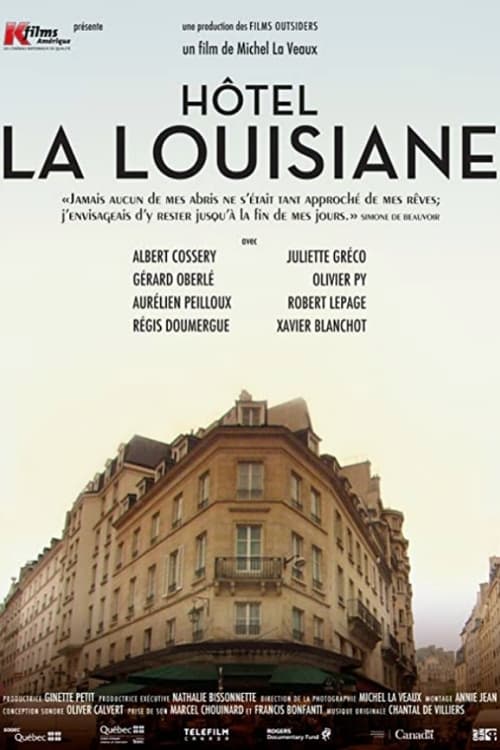
Hôtel La Louisiane is, at its core, a film about freedom and dignity. Freedom for those who wish to live in a place where they are able to feel inspired. Dignity for the hotel owner to stand by his promise to his father and keep their mission alive: to provide an affordable sanctuary for artists and students in search of fulfilling employment, which they certainly won’t find at other hotels. Freedom, too, to be in an environment of tolerance and rid of prejudice. This film is not just a story about a mythical setting in Paris; it portrays the microcosm of a lifestyle in which collective values reign supreme. A film where what’s real and true is placed above national borders or cultural barriers.
In an isolated psychiatric ward, Laurence, a young woman suffering from depression, has her world turned upside down by another patient who is her exact opposite.
Old Faust agonizes, prisoner of an insomniac and cynical process. The imperceptible becoming of Marguerite, her silent and liquid pleasure, liberates him and throws him into the space of a strange and ridiculous desiring machine, in which he finds his final pleasure. In this video it is the spectator who, by the intense layering of audio, visual and poetical textures, travels through Medusa's inextricable mane.
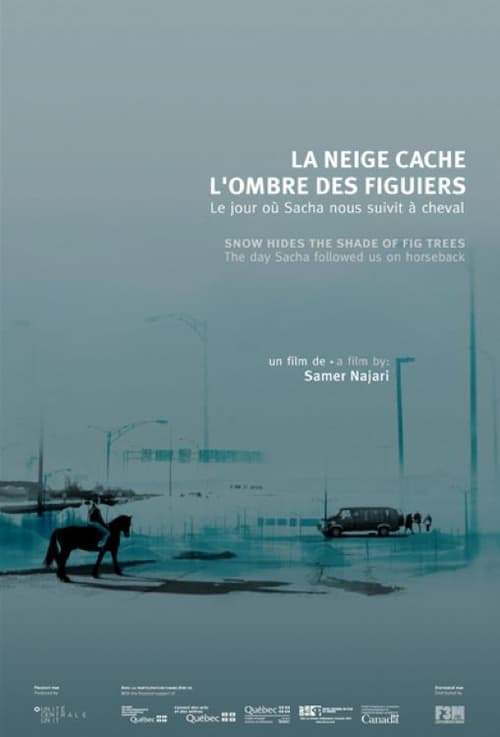
It is through the voice of Salim, newly arrived in Canada, that we follow the journey of six immigrants who, cramped in a van, earn their living by distributing advertising leaflets. Despite their diverse origins, they share the same nostalgia for their native land and the same daily worries, which they approach with scathing humor. Among them is a young boy of Russian origin, Sacha. The biting cold and the endless stairs will get the better of his tenacity. However, Sacha will come to surprisingly break the routine of Salim and his companions...
The sleepy town where Léo lives doesn’t offer her much chance of self-fulfilment. Extricating herself from her mother’s influence and her constricting environment isn’t easy for the frustrated young woman, yet happiness might be close at hand. A stylistically precise, pop-impressionistic film about a girl’s quest to find out who she really is, featuring the captivating Karelle Tremblay in the lead role.
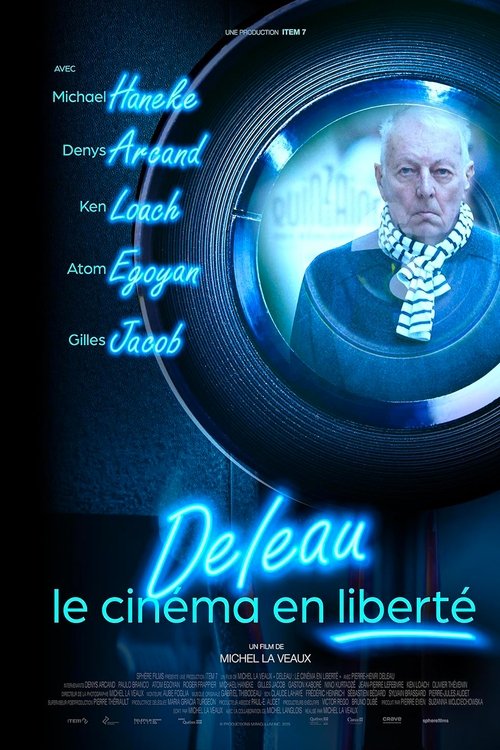
A humanistic documentary about the “soul” of the Directors' Fortnight at Cannes, a formidable facilitator, a passionate man thirsty for novelty and the avant-garde: Pierre-Henri Deleau.
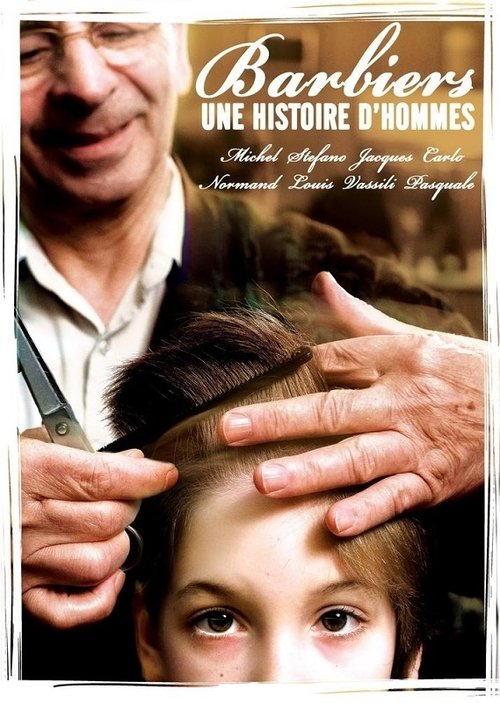
"Barbers - A Men's Story" takes us into barbershops, a haven where men can talk freely among themselves. The film features barbers who describe their love and passion for their work. These endearing and dedicated men, who have been their customers' trusted confidants for decades, are approaching the twilight of their careers in a trade that is slowly dying out.
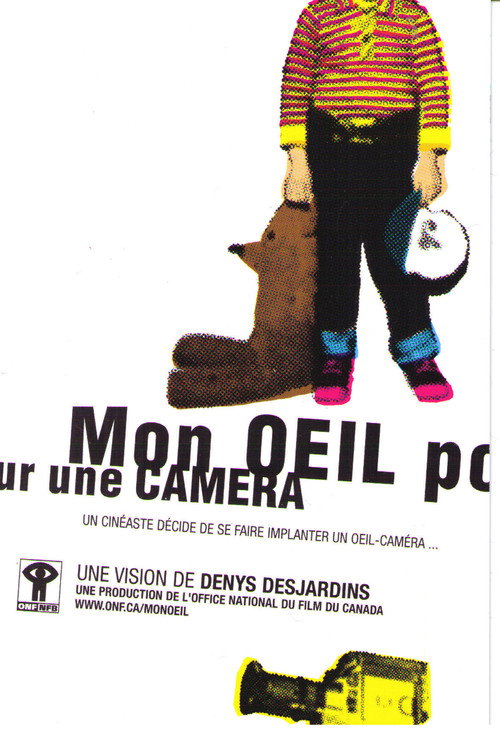
A filmmaker, fascinated by the power of the camera and obsessed with the theories of Russian film pioneer Dziga Vertov, decides to get a camera eye to replace the real eye he lost as a child. The visionary quest begins on the operating table, where a surgeon grafts a prototype ocular implant into his eye socket. Seeking a microscopic camera that could be incorporated into his artificial eye so he could secretly film whatever he sees, the filmmaker explores the futuristic technology that could make this possible, while revisiting chapters of his own past.
Berri and Ste-Catherine, at 8:30 a.m. on June 19, traffic was paralyzed by 8 individuals, who appeared from who knows where. The hidden cameras see everything. This film won the Special Jury Prize at the 1st Montreal International Art Film Festival.
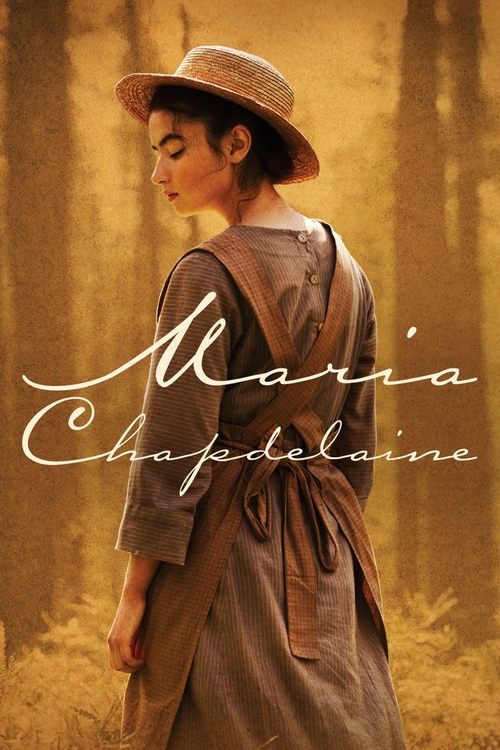
In 1910, Maria Chapdelaine, a young girl of seventeen, lived with her family on the banks of the Péribonka River, north of Lake Saint-Jean. The Chapdelaines work tirelessly to push the limits of the forest. In a home where even physical exhaustion cannot dampen the warmth of family life, Maria, strong and full of hope, finds herself faced with major dilemmas. Thrust into the world of adults, Maria will suddenly be forced to decide on her future as a woman.
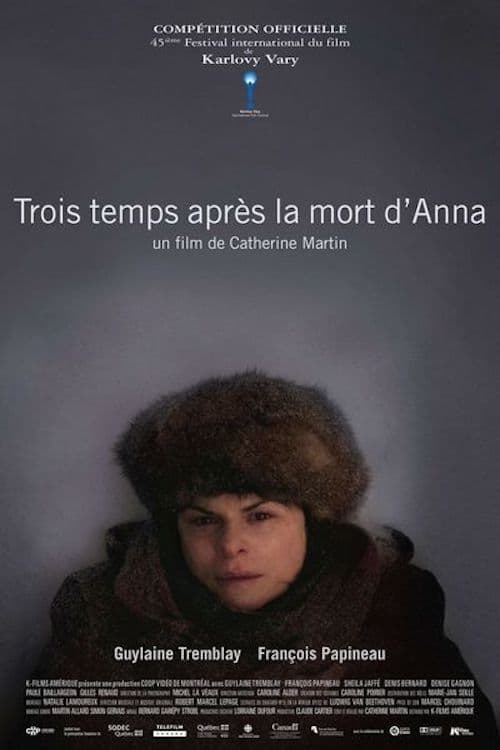
A mother deals with the violent murder of her daughter.
Travelling to the Arctic for the first time, Carmen arrives in Iqaluit to tend to her husband, Gilles, a construction worker who has been seriously injured. Trying to get to the bottom of what happened, she strikes up a friendship with Noah, Gilles' Inuk friend, and realizes they share a similar story. Together, Carmen and Noah head out on the Frobisher Bay - she, looking for answers to her questions; he, trying to stop his son from committing what can't be undone.
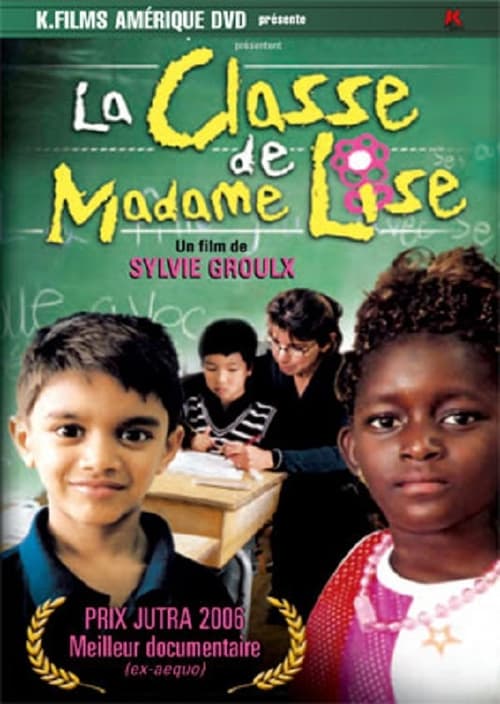
Their names are Rafik, Solace, Rahat, Jessica and Adonay. They are six years old. They live in Parc Extension, a multi-ethnic neighborhood in the heart of Montreal. They are Madame Lise's students. For an entire school year, director Sylvie Groulx observes their learning, watches them live. Thus, it testifies to the patient work of a teacher simply dealing with new urban realities: children of diverse ethnic origins, major cultural differences, learning French in a family environment ignorant of this language. The class of Madame Lise is also the good will of a group of disparate children, the complicities that are woven in the difference, the knowing smiles, the sulks and the mockery devoid of malice. Madame Lise's class is finally the portrait of Lise Coupal, a warm and attentive teacher, tolerant but firm, happy to discover in a shy boy a potential that she did not suspect.
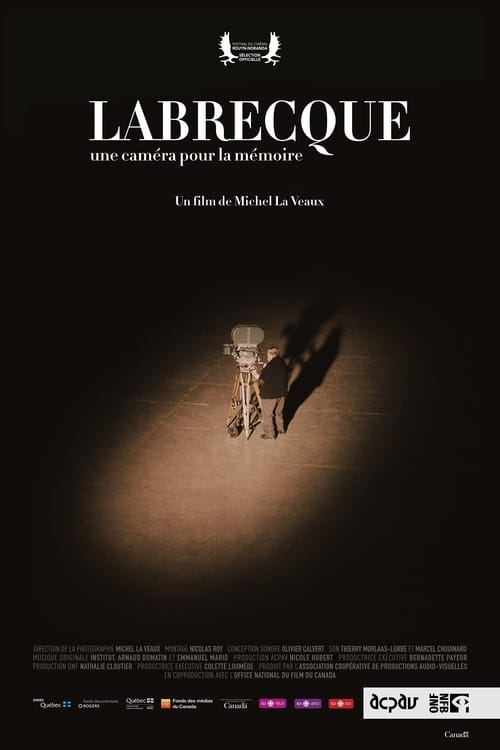
A genuine encounter with filmmaker Jean-Claude Labrecque, this feature-length doc underscores not only the importance of his work (especially in the documentary medium) but also his passion for film. The bond between Labrecque and director Michel La Veaux allows us to see beyond the images and discover the smaller story hidden within the larger one. La Veaux shares with us his own love for film and the humanistic perspective from which Labrecque has used his camera to etch the great moments of Quebec’s culture and history into Quebecers’ collective memory.
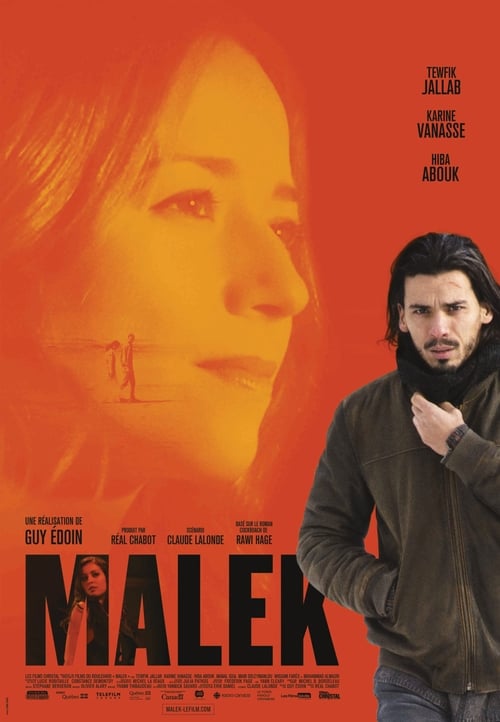
Malek, a Lebanese immigrant from Montreal, is haunted by the violent death of his sister. Convinced that he could have avoided this tragedy, he is consumed with guilt. He lives alone, poor, jobless until he meets Shohreh, an Iranian girl, with whom he falls in love. A new life opens up to him and he quickly finds work. Malek gradually regains his dignity but the past resurfaces to the point where he is pushed, almost in spite of himself, to finally settle his accounts with himself.