Directing
No description available.
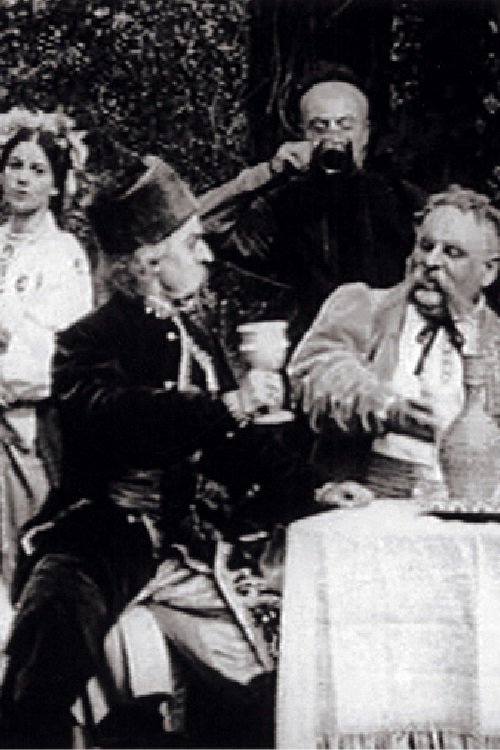
A dramatization of a wedding in 16th-century Russia, between members of two prominent boyar families (based on paintings by Konstantin Makovskii): Three matchmakers first visit the family of the prospective bride, and then do the same with the prospective bridegroom's family. Later, as the time of the wedding draws near, the bride is dressed with great formality and prepared for the ceremony, as the guests get ready to celebrate the upcoming wedding.
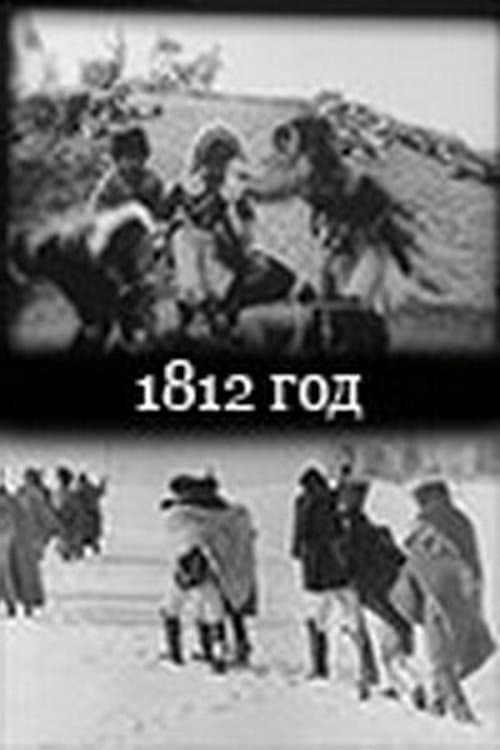
Made in 1912, this film has become known as one of the greatest pieces of pre-Soviet cinema. The silent film tells the story of the Patriotic war of 1812 when Napoleon attempted to invade Russia. This joint French and Russian film sparked major excitement in Moscow at its premier screening and continues to entertain audiences throughout the world today. The 32-minute silent film was the point of origin for some of the more advanced camera techniques used today. Sirotin of the Voice of Russia said that, “The film is interesting to spectators even today and is frequently shown both in Russia and abroad.”
Based on Aleksey Tolstoy's piece of the same name.
An adaptation of Ivan Nikitin's poem 'Ukhar-kupets' for Pathé.
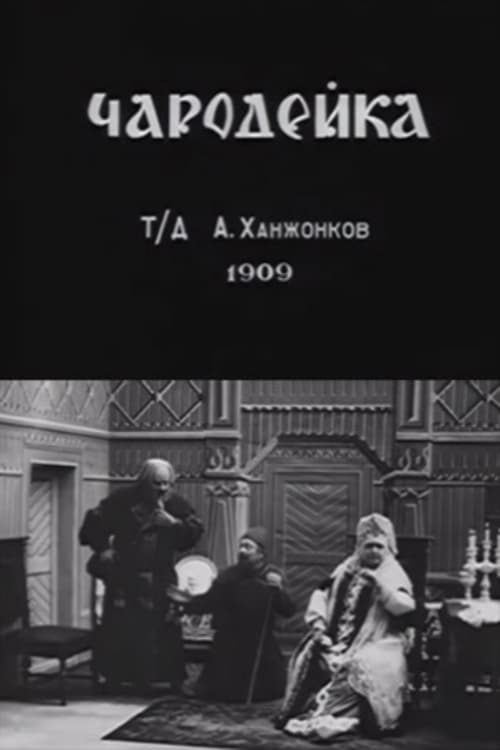
This tragedy depicts a father and son in love with the same woman, who is an enchantress. She keeps them both in subjection with her charms, butthe mother and wife of the victims kills the seducer. However, both the father and the son are severely affected by her actions, which they cannot forgive.
A silent feature short film by Vasily Goncharov based on a folk song of the same name. It was filmed with actors from the Vvedensky Folk House troupe. The movie is preserved without inscriptions.
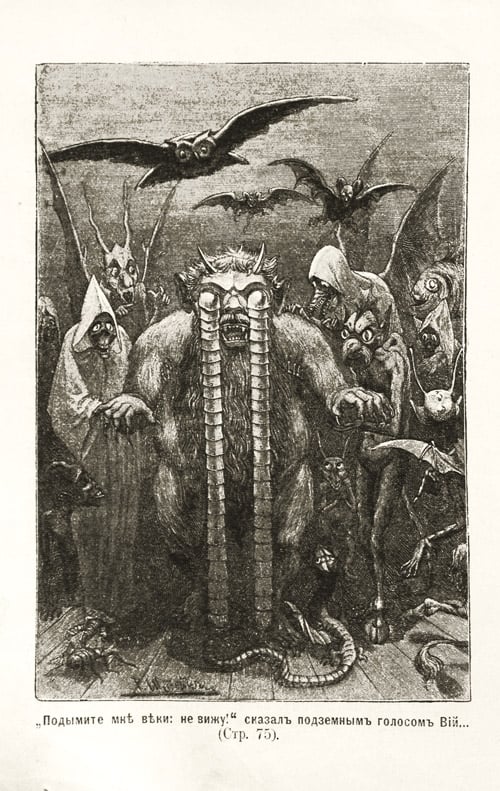
Based on a the horror novella of the same name. First Russian horror film.
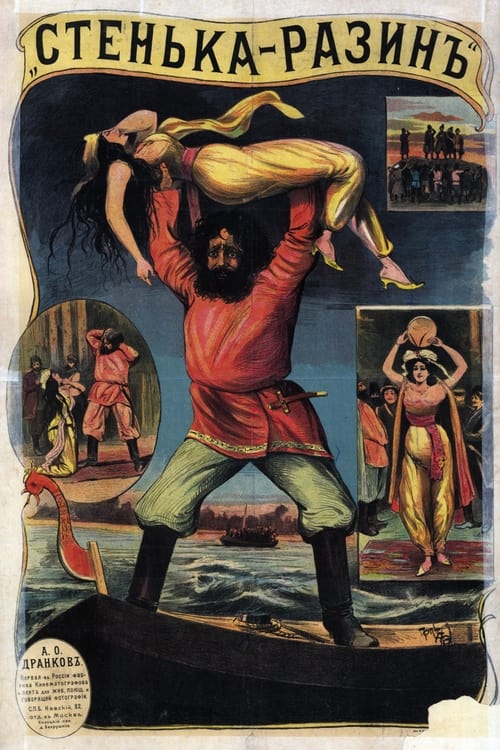
Stenka Razin is the leader of a group of outlaws who live a life of revelry and carousing along the Volga River and in the nearby forests. When Razin becomes distracted by a captured foreign princess and starts to dote on her, his men are displeased, feeling that he is neglecting them and their usual activities. Soon they come up with a plot, in the hopes of turning Razin against the princess.
Mazepa, the Ukrainian governor is in love with his goddaughter Maria. He quickly wins her heart. But her old father treats the wooer harshly… Maria runs away. The furious father won’t submit. This intrigue makes the most of the ingredients of historical drama. Maria is confronted to the arbitrary; the young woman is in a dilemma between her love and her family. The tragic outcome is equal to her destiny.
Based on the plot of L. Mey's play "The Pskovite Woman". A poetic legend about the arrival of Tsar Ivan the Terrible and his oprichniki in Pskov. Having destroyed Novgorod, the tsar moved to free Pskov, the city was waiting for the same fate. But the city was not ruined - the Terrible met in Pskov his illegitimate daughter Olga, whose existence he did not even suspect.
The life and death of Alexander Pushkin is summarised in a 5-minute sequence of half-a-dozen scenes. The film's subtitles are in Russian.
Former student Raskolnikov is pushed to murder when struggling to pay the rent on his apartment. When the murder is being investigated by the police, Raskolnikov struggles between trying to hide his guilt and the pressure to confess.
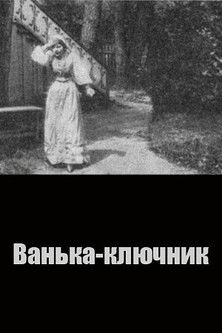
An adaptation of a folk song. On the plot of N.A.Nekrasov's poem of the same name. A domestic drama in 14 scenes about the life of wandering rural traders-box-men. Barely the golden sun began to appear to make its day's journey, as the bailers, having gathered their goods and blessing themselves with broad crosses, gathered on the road to seek happiness in trade.
Based on the poem by Pushkin. A thief and his gang are at their camp next to the Volga River. He tells them of how his father died in a river, and how his brother and he were thrown out of the house as children by their step-mother…
Two peasants in feudal Russia wish to marry but tragedy strikes. A grim if familiar depiction of the precarious condition of the rural life.
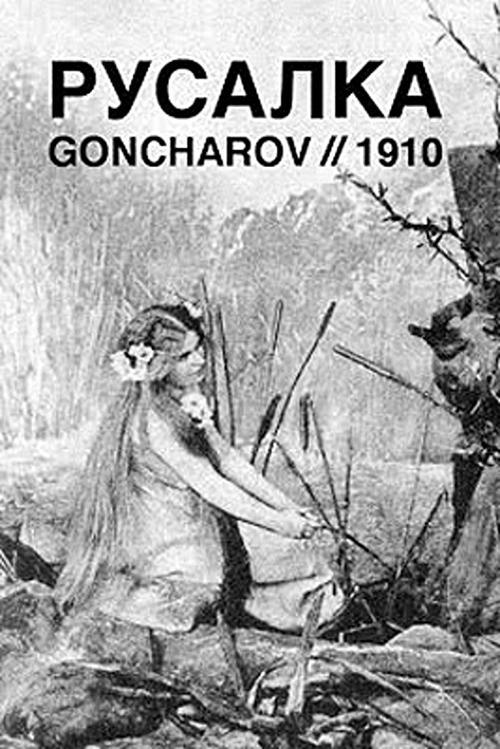
"Rusalka" or "Mermaid" based on Pushkin, an opera by Dargomizhsky, and other sources: A prince and a miller's daughter have been involved in a romance together, but now the prince tells her that he must break it off. After the prince leaves, the distraught young woman attempts to drown herself. When the prince's wedding day arrives, he is tormented by her image, which appears wherever he goes. Eventually, he is compelled to return and to try to find out what happened to her, regardless of the consequences.