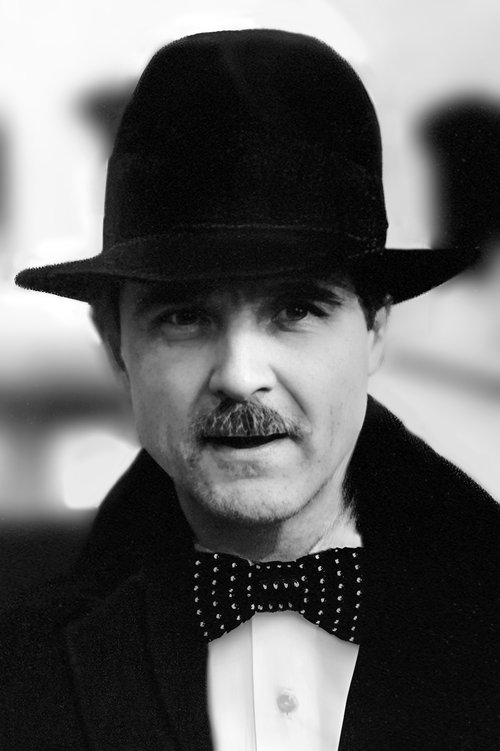
André Sauvage
Directing
Biography
André Sauvage (born in Bordeaux on July 12, 1891, died on November 16, 1975 in Boutigny-Prouais), was a French filmmaker, director, writer and painter of the interwar period. Close to Max Jacob, Robert Desnos, André Gide, Jean Cocteau, Man Ray, the Prévert brothers and Jean Renoir, he was then known for works such as La Traversée du Grépon, Portrait of Greece and Studies on Paris, but also for his literary writings and his paintings. Passionate traveler, he designs his films according to each landscape or population encountered by adding an ethnographic dimension. Sauvage, Marc Allégret's film teacher, cast Michel Simon in one of his first roles. In its wake, other personalities start such as the young critics Jean George Auriol and Jacques Brunius. André Sauvage remains unknown to the general public today, and forgotten by most moviegoers, because of a tragic affair: that of the film of the Center Asia expedition commissioned by André Citroën in 1931, La Croisière Jaune. A real turning point in the history of this artist, La Croisière Jaune — with which André Citroën had been displeased to the point of asking for a new editing by Léon Poirier — marked the end of the film career of Sauvage, who ended his life as a farmer. All his films are deposited and restored in the French Film Archives of the National Center for Cinema and the Moving Image. The Mediatheque of Orléans was enriched by the donation of the nephews and nieces of André Sauvage in 2012. This donation includes a rich correspondence, unpublished manuscripts, photographic shots and books often illustrated by Max Jacob with shipments. The Association of Friends of Max Jacob supported this donation. Patricia Sustrac drew up the scientific inventory. The Jacob-Sauvage correspondence is to be published, the manuscript of Max Jacob's conference in Brest and Morlaix (1938) kept by André Sauvage will be published in Les Cahiers Max Jacob 21/22 in October 2021.
Known For

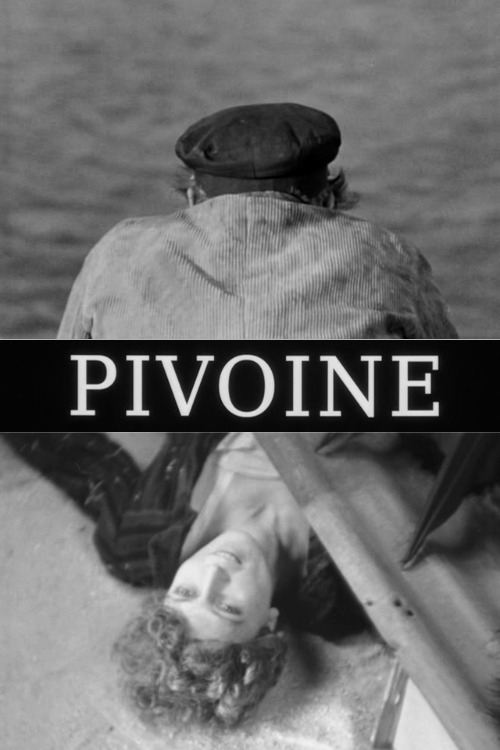
Pivoine, a tramp living on the docks near Notre Dame, Macaroni and Georgette are his companions in misfortune. Could no longer bear the insults of passersby and stone throwing children, Pivoine decided to move...
Pivoine

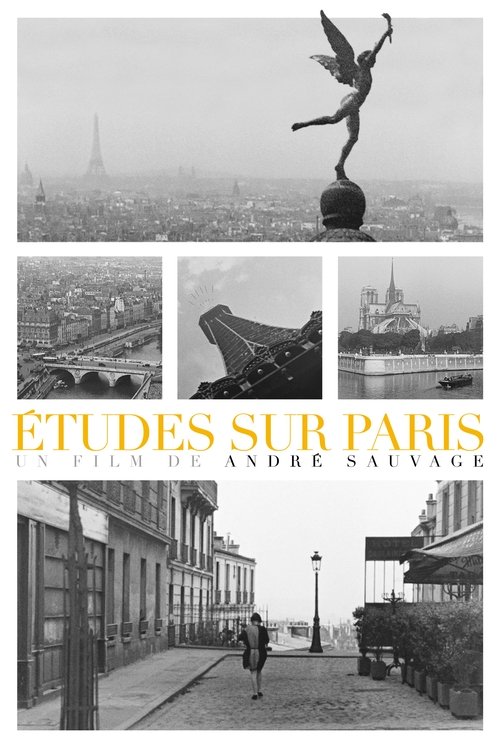
"Paris, Paris, you know, I would eat it..." wrote André Sauvage. An artist close to the avant-gardes, André Sauvage composed the first great filmed portrait of Paris. Its ambitious symphony of a big city marries, on the music composed by Jeff Mills, the changing rhythm of the Belle Époque. Contemporary of the dizzying explorations of Dziga Vertov and Walter Ruttmann, Sauvage is less fascinated by speed than by the repertoire of urban mobility, attentive to the neighborhoods he crosses, always curious about their furtive inhabitants. He draws a portrait of Paris in five studies: Paris-Port, North-South, the islands of Paris, the Little Belt and from the Saint-Jacques tower to the Sainte-Geneviève mountain.
Études sur Paris

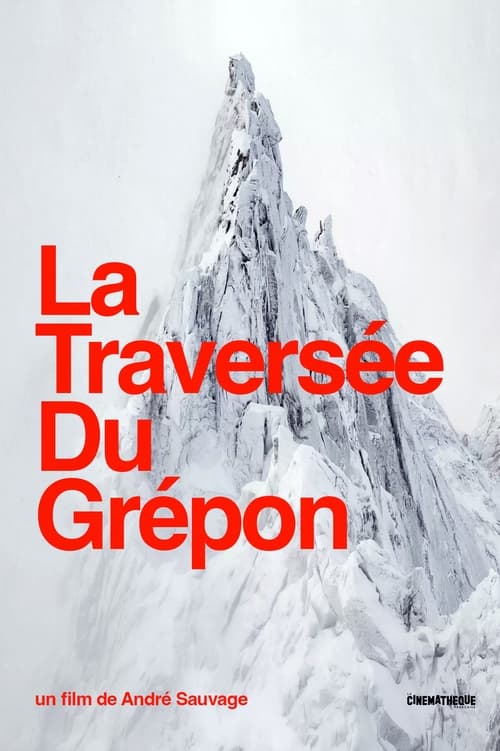
In 1923, André Sauvage produced his first film La Traversée du Grépon. Dedicated to mountaineering in the Mont Blanc massif, this documentary is a performance that earned him the recognition of his peers. André Sauvage and his companions decide to climb the Grépon, the best known of the Aiguilles de Chamonix, in the Mont Blanc Massif. Early in the morning, they cross the Mer de Glace, climb rocky peaks, abseil summits, cross crevasses, snowfields and long seracs. After sixteen hours of effort, the climbers return to the refuge. With his camera, Sauvage documents the difficult undertaking, also showing his strong passion for the mountains. "The deepest perception of mountains begins where intelligence ends." (A. Sauvage). Two long versions of the film have disappeared, one of 90 and the other of 51 minutes and only eight minutes are preserved.
La Traversée du Grépon

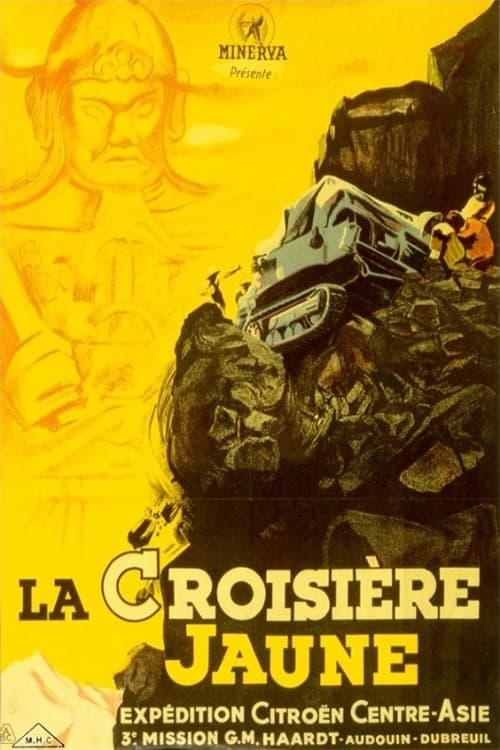
The Yellow Cruise is a French documentary film initially directed by André Sauvage and taken over by Léon Poirier following the intervention of André Citroën. The film was presented in Paris in 1934. André Sauvage was hired by the Pathé-Natan company to follow the yellow cruise through Asia. In 1931 and 1932, forty-two men, including Pierre Teilhard de Chardin, scholars and doctors traveled thirty thousand kilometers on the Silk Road through the Middle and Far East, in caterpillar propellants. Together, despite the bad weather, the difficulties of the terrain, the mechanical failures and the political conflicts, they reached Beijing on February 12, 1932. André Citroën who asked to see the film, dissatisfied with the result, bought it from Bernard Natan and entrusted the editing by Léon Poirier, who had filmed La Croisière Noire in Africa in 1926. This film will mark the break in the film career of André Sauvage.
The Yellow Cruise
André Sauvage's short documentary on Greece past and present, deftly depicting the archeological sites, the fishing villages, country roads and peasants.
Portrait of Greece
Images of the family : the solemn communion of the young Agnes ; the friend Edouard Goerg ; Agnes Antoine and children playing on swings or watering the yard.
Film de famille Sauvage: "Rue du Pré Aux Clercs"

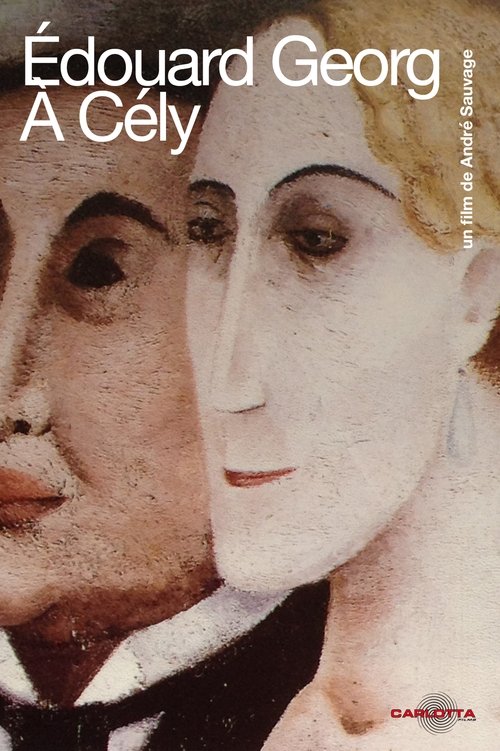
"Édouard Georg À Cély" is a short fiction imagined by André Sauvage while he visits the painter and engraver Edouard Goerg. Monsieur Tesson has the habits of a lonely man: he is maniacal and misogynistic. To teach him a lesson, a couple of friends, the Cymboles, come to his house with a young woman, "Mademoiselle Anaïs", without telling him that she is married. Disturbed in his habits by visitors, Mr. Tesson welcomes them reluctantly. But gradually, a feeling of love for Anaïs leads her to give up her manic behavior. The three friends, judging that the joke has gone on long enough, end up letting go of him, pushing him away alone with his cat.
Édouard Georg À Cély
Facing the camera, 30 centimeters from the microphone, André Sauvage reads a text on the new regulations concerning zebra crossings in Paris.
Sound Test by Andre Sauvage for "Pivoine déménage"
Produced as part of the "Yellow Cruise", the film documents the daily life of the sedentary Moïs people in Buôn Ma Thuôt, in the Darlac region. The Moïs live by fishing and hunting, and on feast days, the men dance to a special drink.