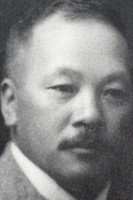
Tsunekichi Shibata
Camera
Biography
Tsunekichi Shibata was one of Japan's first filmmakers. He worked for the photographer Shirō Asano and the Konishi Camera shop, the first in Japan to import a motion picture camera. Along with Kanzo Shirai, he took the earliest films in Japan, mostly of geisha, Ginza, and selections of scenes from popular plays. His first exhibition was at the Tokyo Kabuki-za in 1899. After that he focused mainly on Kabuki plays.
Known For
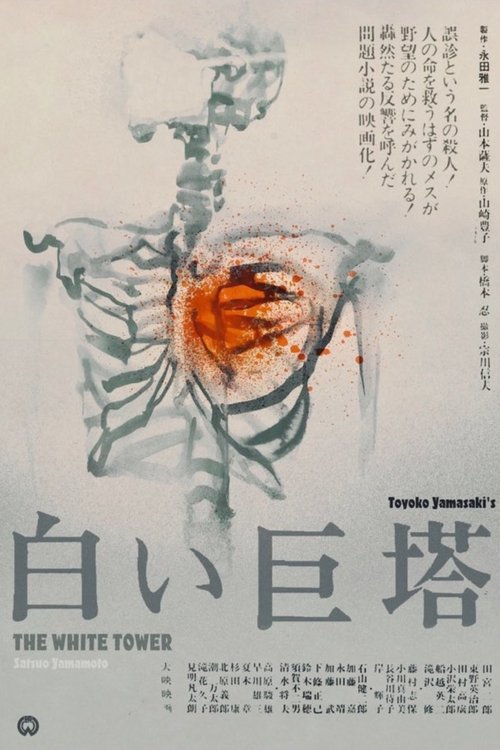
The story contrasts the life of two doctors, former classmates and now both assistant professors at Naniwa University Hospital in Osaka. The brilliant and ambitious surgeon Goro Zaizen stops at nothing to rise to a position of eminence and authority, while the friendly Shuji Satomi busies himself with his patients and research.
The Great White Tower
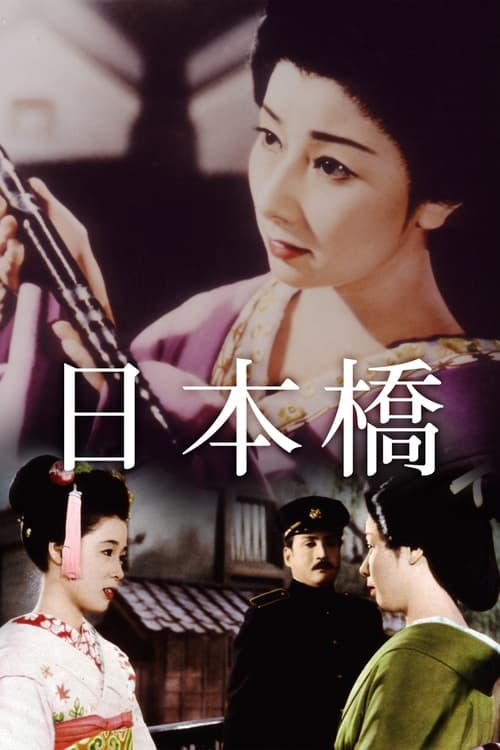
Ichikawa's 1956 adaptation of Nihonbashi was the first to take the work of Kyoka Izumi— until then regarded as a writer of common tragic melodramas—and re-evaluate it as a tanbi-ha work of decadence, aestheticism, and intrigue. Ichikawa's film presents the tragic plot of the young geisha who is unable to enact her love for a man publicly in any way other than a histrionic story of torment, a heart-rending tale of lovers being crushed by fate. Instead, Ichikawa shows the contest of wills that transpires as two geisha, Oko and Kiyoha fight for the top spot in Nihonbashi, the pinnacle of the Tokyo geisha world. Nihonbashi is an elegant, if steely, exposition of manners. The young doctor, Shinzo Katsuragi, is the object of affection for both women, but appears to be more the choice reward for the plotting and thieving of these two early modern superwomen, than a lover they swoon over.
Bridge of Japan
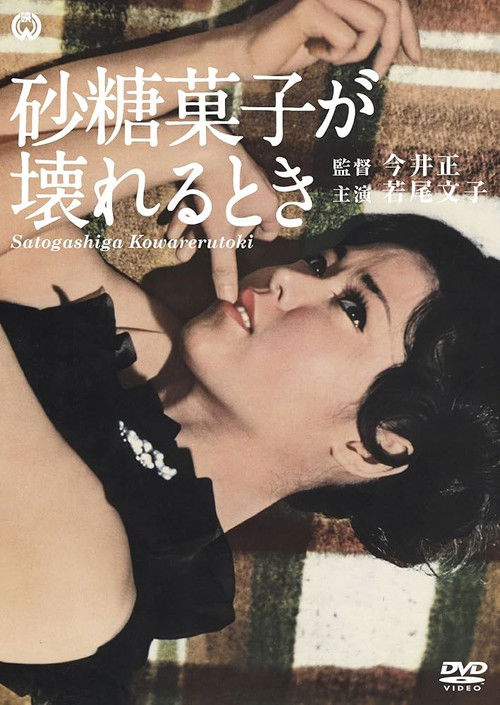
Japanese film directed by Tadashi Imai.
When the Cookie Crumbles
Japanese "kayo" film centered around the song "Dare yori mo kimi wo aisu" by Kazuko Matsuo.
Dare yori mo kimi o aisu
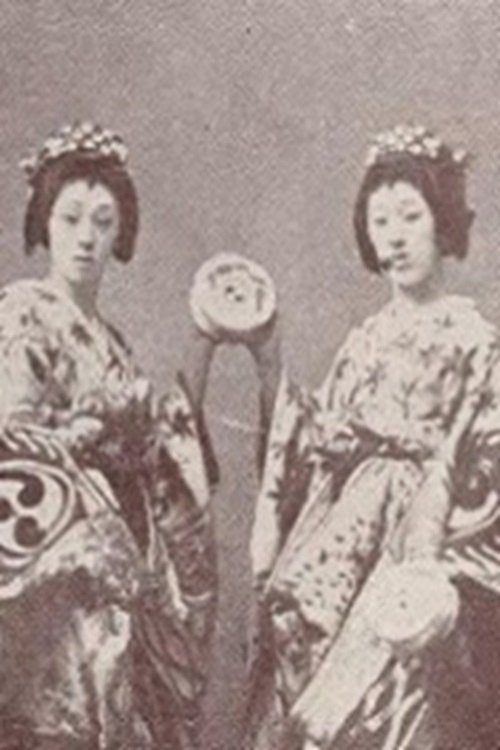
Shot at the Kubut-za in Tokyo and a rare record of two classical kubuki actors, Onoe Eizaburo V and Ichimura Kakuki-za VI, A surviving poster for this film is illustrated by a woodblock print of the lead actors by ukiyo-e artist Yutaka Hitoshi, a frozen moment of the incipient transition from traditional art-forms of ukiyo-e and kabuki to the new, and all-dominating medium of katsudo-shashin (cinema).
Two People at Dojo temple
A reel of the Noh drama Momiji-gari, in which Danjuro Ichikawa played opposite Onoe Kikugoro V as an ogress who has disguised herself as the Princess Sarashina. Filmed by Shibata Tsunekichi in the open air on a windy day in November 1899, Danjuro would allow only the one take, so that when his fan blew away in mid-performance the scene had to stay. The film re-emerged at the Kikikan theatre in 1907 where it was a great success and inspired a wave of fiction filmmaking based on traditional Japanese narratives.
Maple Leaf Viewing
'Armed Robber Shimizu Sadakicchi' is considered Japan's debut film and came on the heels of the country obtaining its first film camera. It famously was only a couple of minutes' long as its film reel was only seventy feet long. It featured who is considered to be Japan's first film actor Unpei Yokoyama who was one of two actors in the film. It features one scene where a robber is apprehended by the police.
Sadakichi Shimizu, the Armed Robber
![Une rue à Tokyo, [II]](https://image.tmdb.org/t/p/w500/6Py7oXEJGNegx8unPMzXKN9Yp5I.jpg)
Carts, pedestrians and bus traffic in the street.
Une rue à Tokyo, [II]
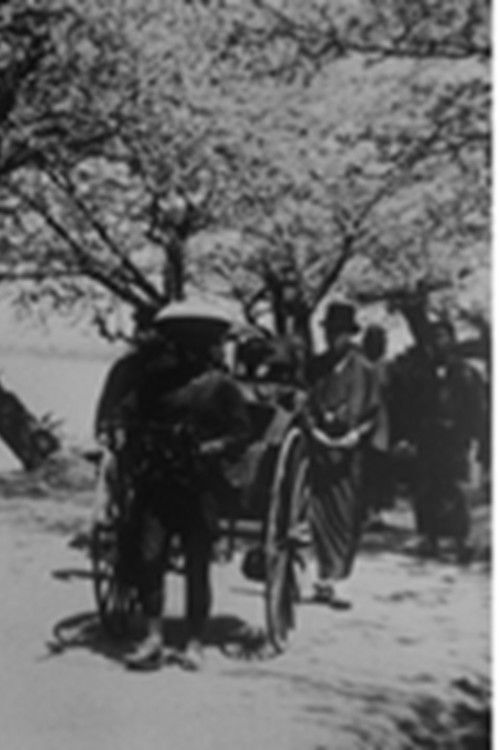
Rickshaws and pedestrians traffic on the street.
Une avenue à Tokyo
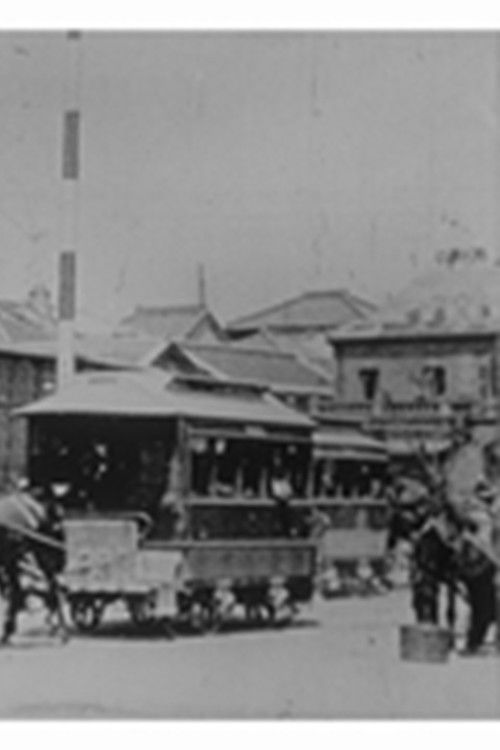
Rickshaws, trams and pedestrians traffic near the railway station in Tokyo.
Station du chemin de fer de Tokyo
Pedestrian traffic on a square, somewhere in Tokyo.
Une place publique à Tokyo
![Une rue à Tokyo, [I]](https://image.tmdb.org/t/p/w500/orXYMKrxFsGAfKtjgWWmzaOTYZF.jpg)
Rickshaws and pedestrians are moving in the street. Not to be confused with Constant Girel's "Une rue a Tokyo."