Sound
On an isolated Portuguese island, a nameless man makes a mental journey which brings him into contact with the strange and menacing world without peace and harmony.
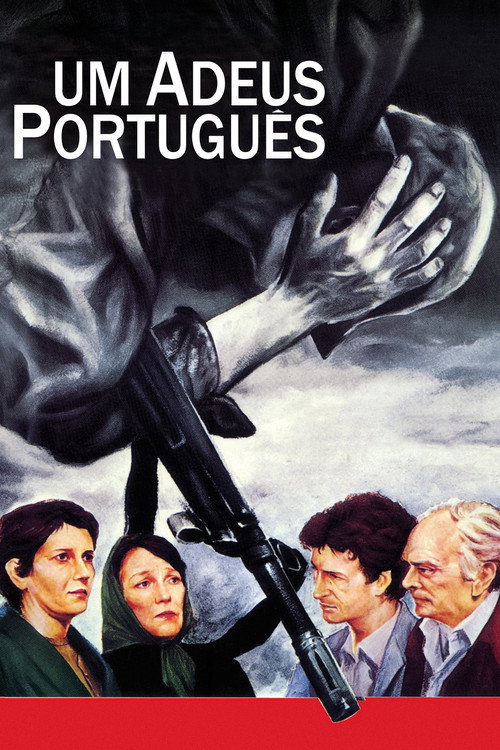
In Africa, during the colonial war, a patrol is lost in the bush and a soldier dies in operation. Twelve years later, in Portugal, the soldier family meets in peace.
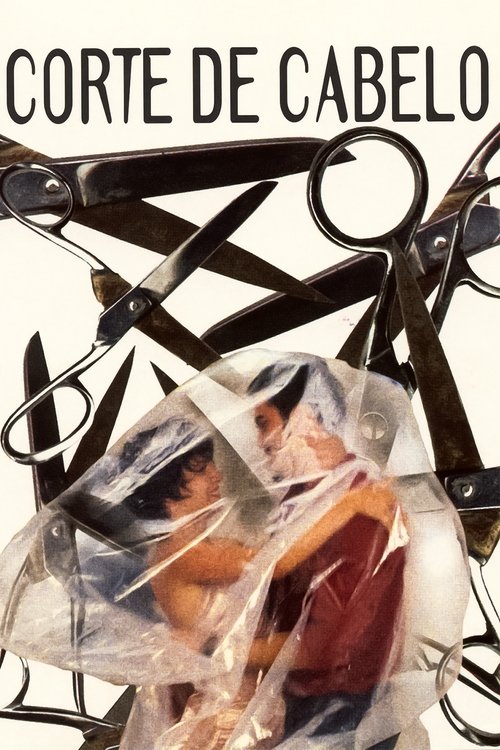
A short time has passed. Both arrived to a point of no return, a break is the only way out. One of them has to take the first step. This morning both decide to leave, definitely, without the other realizing it. The house remains empty.
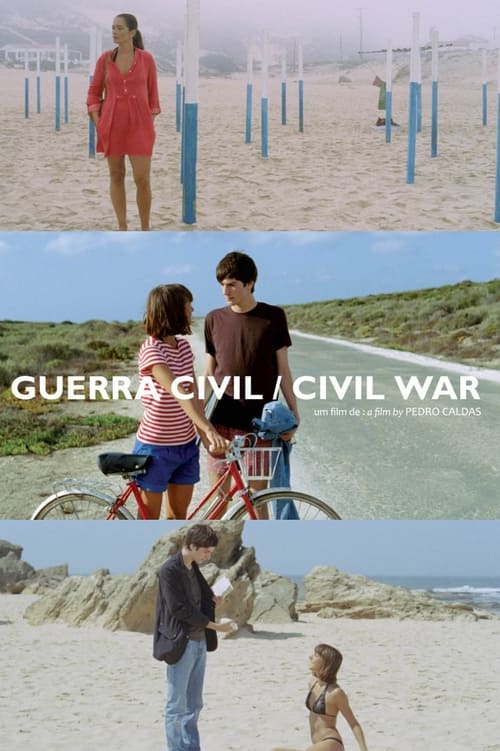
Summer of 1982, a beach in the south of Portugal. Rui and his parents live closed in their worlds, blind to the failure that characterizes them as a family and condemns them to the malaise of survival. Rui will have school exams but he is only interested in music and in the exploration of imaginary worlds that he constantly sketches in drawings. Only Joana seems capable of pulling him out of his autism. The girl's vitality fascinates him.
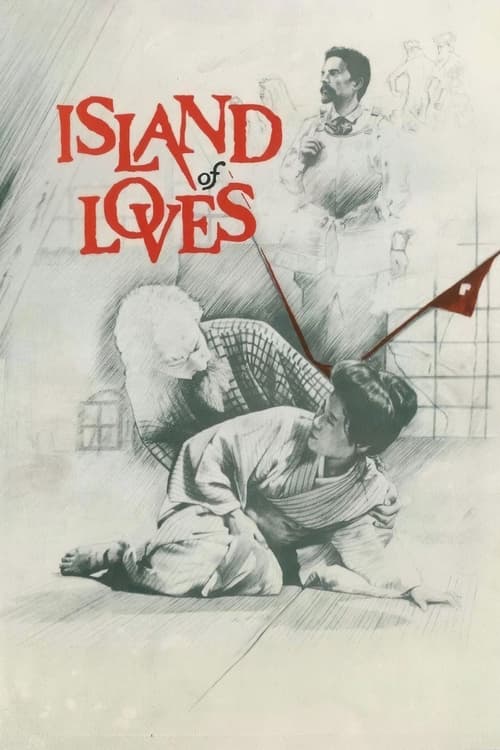
This film depicts the life of the 19th-century Portuguese writer Wenceslau De Moraes by means of nine ancient ballads from China. The writer married a Chinese woman after he left his wife and family to go live in Macao. Later, he moved to Japan where he fell in love with a Japanese woman, staying in Japan for the rest of his life. Mixed in with the career and loves of Moraes is the history of Portugal at home and in its colonies.
Centered on an elderly matriarch and her family in the Trás-os-Montes region of Portugal. An exploration of the cycle of life and death, using the main character, Ana, as an emblem of a life lived in harmony with nature and tradition.
One night Jorge will meet with a Japanese industrialist, who will allow him to abandon his teaching position and resume his chemical work. However, when he gets home he finds a person there.
A love triangle between two boys and a girl who drift through life from a rugby game, to a pool party, to the beach.
No description available.
The film's starting point was an exhibit at the Centre of Modern Art (Gulbenkian) in Lisbon. By evoking a time in the past and the adventures of the artist's generation, Silva Melo is able to depict the oeuvre and the artistic persona of António Palolo.
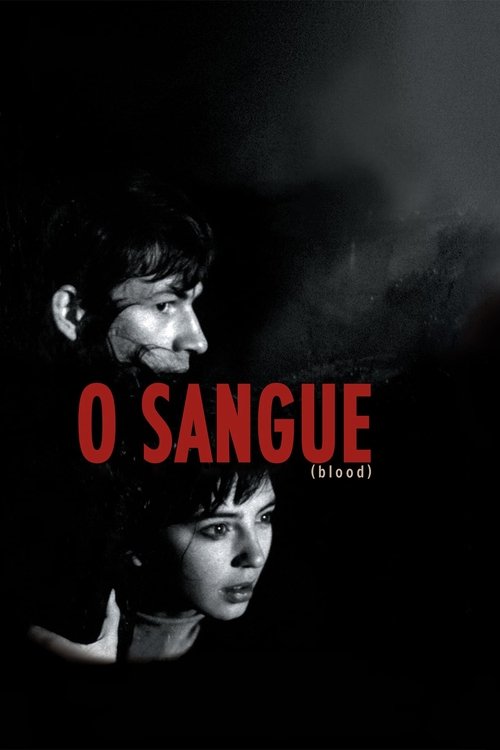
Nino, tough but sickly, and his older brother Vicente live in the country with their father. After their father disappears ― we’re never sure why ― murder is suggested. Vicente brings his girlfriend to the house, and a different kind of family is established as the three youngsters grow fiercely protective of each other. But their uncle grows suspicious about the fate of the missing father and forcibly kidnaps Nino, taking him away to the city and leaving Vicente to locate him there.
Scheherazade narrates three more tales, supposedly selected from the 470th, 484th and 497th nights of her ordeal: “It hath reached me, O auspicious King, that a Judge will cry instead of giving out her sentence. A runaway murderer will wander through the land for over forty days and will teletransport himself to escape the Guard while dreaming of prostitutes and partridges. A wounded cow will reminisce about a thousand-year-old olive tree while saying what she must say, which will sound none less than sad!
Early morning and everybody leaves home to work. Jeremias, the gardener, hears the telephone ringing in the house. The front neighbour has a message. Conceição, the maid, called: she won’t be able to come today, Jeremias has to make lunch for Boris. Water falls from the window. the washing machine is not working properly. Boris arrives from school. Jeremias doesn’t have the key
The film is set in Lisbon, and tells the story of a day in the life of Rita and Paulo, a Portuguese young couple of the 90's. The fast changing city around them makes them wish to break with all traditions and live the day the get married (only civil marriage) like it is an ordinary day.
Director Jorge Silva Melo has developed a viable, though highly intellectual mystery story about the world of art and culture and murder in this somewhat theatrical presentation. When German artist Bernd Hoffmann (Michael König) arrives in Lisbon to oversee the installation of his paintings in a joint exhibition with another Berlin artist, Hanna Brauer (Charlotte Schwab), Hanna never shows up. Hoffmann is puzzled because he is certain he saw a video sequence with Hanna at the exhibition, and he begins to look for her. Another Lisbon cultural center, a theater, is also having problems that may or may not be related -- and the mystery deepens when Hanna is found dead, either by her own hand, or murdered.
Joaquim Bravo (Évora, 1935 - Lisbon, 1990) exhibited for the first time in 1964, inaugurating what would become one of the most decisive Portuguese galleries, the 111 in Campo Grande. Its doctrinal influence and its enormous capacity for enthusiasm would mark in the early sixties Évora's group of painters (Lapa, Palolo) and, in the 80's, artists such as Xana and Cabrita Reis. At his death, a moving tribute was paid to him by a huge and varied group of artists ranging from João Vieira to Miranda Justo. His work is scattered in a large number of private and institutional collections.
Somewhere in Europe... Nightime. A woman and two men in a van making its way through a maze of highways. The woman looks into the darkness, and then at the traffic that's getting denser. The two men take her into a rundown building. The woman is assaulted. The van is parked near a highway, and there are now three women and two men inside. They wait. A car pulls up. A man and a woman get out... One of the women from the van tries to escape... They grab hold of her. The two vehicles leave, and are lost in the night.
Adaptation of a Portuguese traditional tale. A travelling man rests at a inn. While sleeping, three beautiful women tell him where to go, the black islands, where he can find them and marry the one that is a princess.
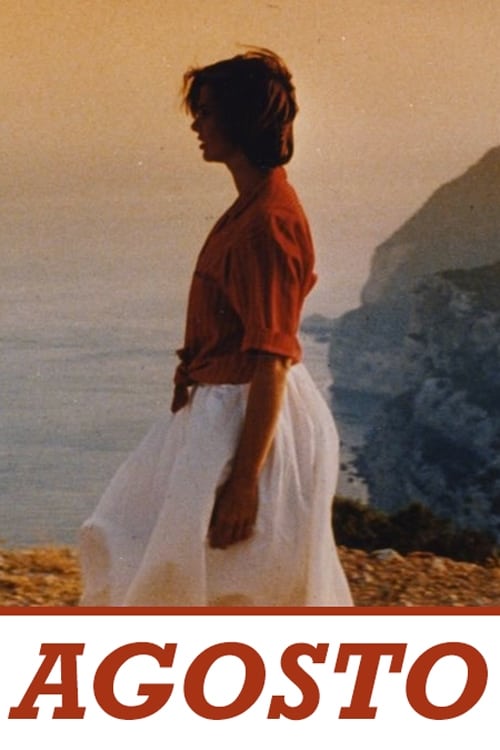
Summer of 1964. The professor Carlos and the couple Dário and Alda spend time together in the beach during vacations. Away from the colonial war, everything seems lost in time.
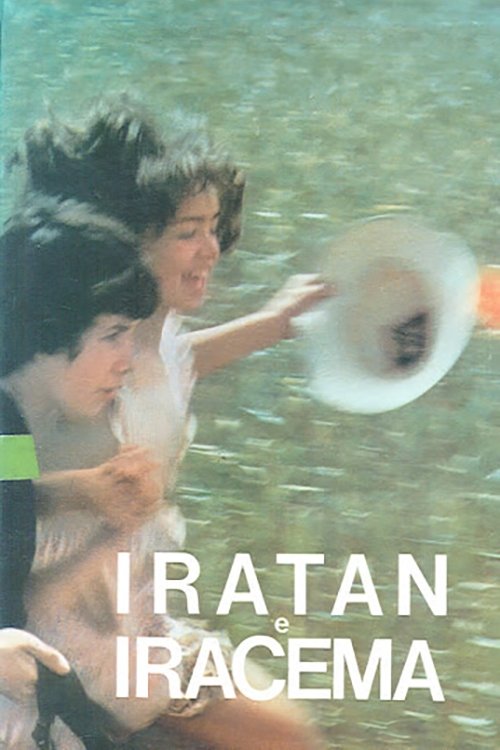
The adventures of a couple of unruly siblings who, one fine day, decide to go out of their way to school and get involved in fanciful adventures in extraordinary worlds based on traditional Portuguese fables that evoke, for their strangeness and surrealism, Lewis Carrol's Alice in Wonderland.