Acting
Leticia Padilla Solís, “Leti”, is an intelligent but unattractive girl, rather ugly. She graduated with honors in economics, speaks several languages, is fluent in computers, and is a financial genius. Only, because of his physique, she can't find work. Desperate to find a job, “Lety” decides to accept being hired below her level and takes a job as a secretary at Conceptos, a famous video production company, where ugliness is taboo. The production company “Conceptos” was founded by two good friends: Don Humberto Mendiola, and Julián Villaroel. Unfortunately, shortly after, the Villaroels die in an accident and Don Humberto and his wife Teresita take care of the Villaroels' orphaned children: Ariel, Marcia and Ana Leticia and the successful company.
Agujetas de color de rosa is a Mexican youth telenovela produced by Luis de Llano Macedo for Televisa and originally broadcast on Canal de las Estrellas from April 4, 1994, to May 26, 1995. Created by Susan Crowley, adapted by Sergio Schmucler, and with literary supervision by Gabriela Ortigoza, the telenovela stars Angélica María, Alberto Vázquez, Carlos Bracho, Natalia Esperón, Flavio César, and Alexis Ayala. The story follows Elisa Morán, a widow who is left in financial ruin after the death of her wealthy husband. As she struggles to rebuild her life and raise her three children, her daughter Paola falls in love with Martín, a talented young singer. Together, they face family conflicts, jealousy, betrayal, and the challenges of pursuing their dreams while discovering the true meaning of love, friendship, and perseverance.
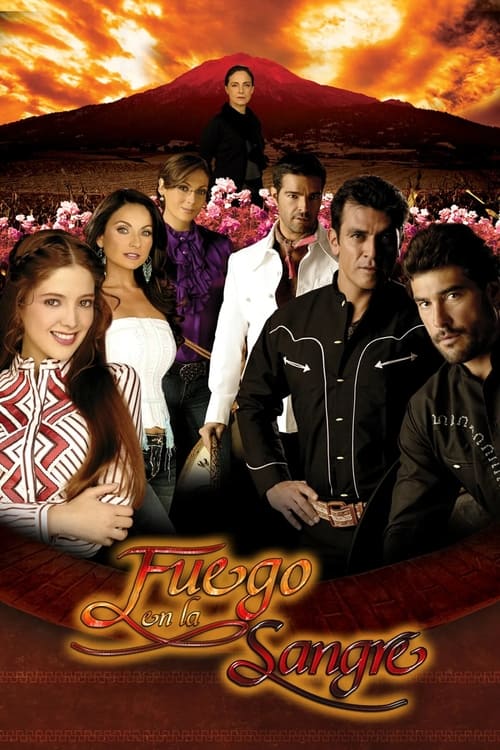
Fuego en la sangre is a telenovela that began transmissions on January 21, 2008, through Mexico's Canal de las Estrellas network. Starring Adela Noriega, Eduardo Yáñez, Diana Bracho, and Guillermo García Cantú. It is the Mexican remake of the Colombian soap operas Las Aguas Mansas and Pasion de Gavilanes. The theme song called "Para Siempre" is sung by Vicente Fernández. The telenovela received TVyNovelas Award for Best Telenovela, in 2009.
La vecina, is a comedy-telenovela produced by Lucero Suárez for Televisa. It is the remake of the telenovela La costeña y el cachaco produced in 2003 by RCN TV.
Angela is a Mexican telenovela, which was produced by Televisa and broadcast on Canal de las Estrellas in 1998. The series was first debuted on May 17, 1999 on Univision in the United States, replacing that year's hit La Mentira, and ended on September 9, 1999, being replaced by Tres Mujeres. It aired a second and a third time on Galavisión on March 15, 2000 and May 8, 2001, and ended a second and a third time on July 1, 2000 and August 24, 2001. It aired a fourth time back to Univision's late night "Grandes Historias" lineup, aired on October 28, 2003, and ended on February 27, 2004. It aired a fifth time on TeleFutura on September 18, 2006, and ended on January 8, 2007. This telenovela contained 78 episodes.
No description available.
Mujeres Asesinas is a series that shows the dark side of women who have been mistreated or abused and become cruel murderers. The series shows how violence and death can overcome the feminine mind.
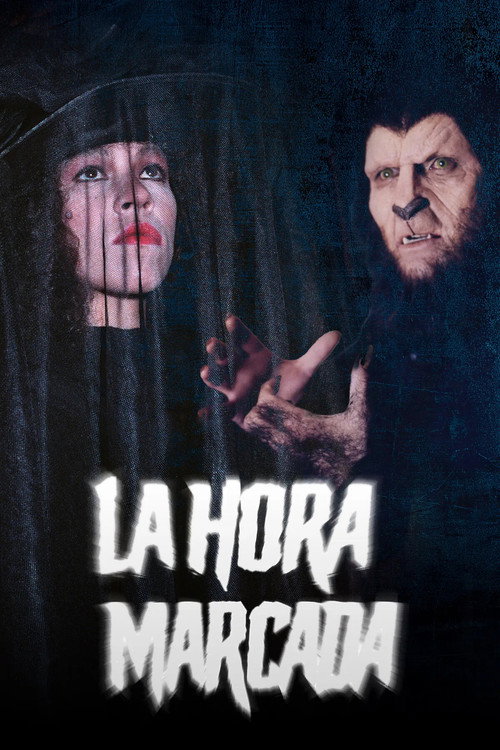
La Hora Marcada was a 1986 Mexican television anthology series famous for its horror and science fiction themes in the vein of the Twilight Zone. Although virtually unknown outside the country, it achieved a popular and critical success in Mexico. It had a series of rotating writers and directors, among them Emmanuel Lubezki, Guillermo del Toro and Alfonso Cuarón.
Fabiola's parents are killed in a plane crash leaving her and her younger sister, Andrea, orphans. Their parents estate is divided equally among the girls. But at the reading of the will, the family is surprised to learn of the existence of a life insurance policy for one million dollars. They're even more surprised when they learn who the sole beneficiary of that policy is. While the family squabbles over what to do about the policy, Fabiola decides she's going to take over the administration of her family's business: a successful garage, where she finds more than she bargained for when she meets a mechanic named Ramon who just happens to be the son of her long-time nanny, Juana. It is based on the Venezuelan telenovela written by Doris Seguí, "Tomasa Tequiero" produced in 2009.
Beatriz is a respectable widow who, since her husband's death, has dedicated herself to raising her children, Vicky and Juanito, alongside her mother-in-law, Dona Emilia. Beatriz meets the powerful millionaire Enrique de Martino, who dazzles her with his attentions, and she agrees to marry him.
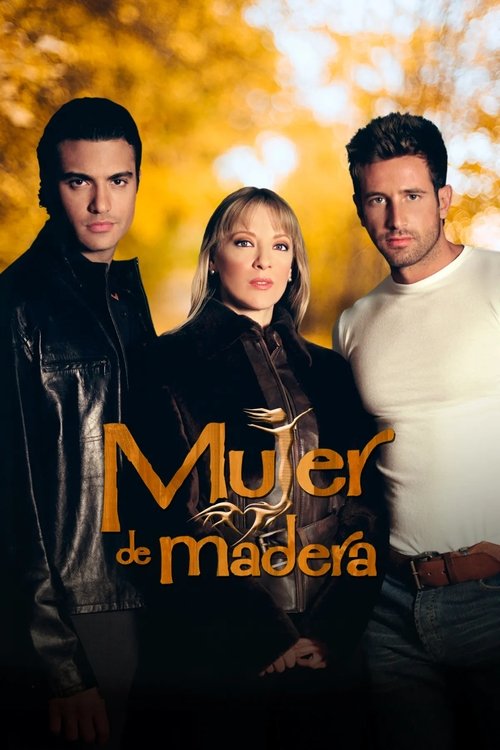
Mujer de Madera is a Mexican telenovela produced by Televisa in 2004. One unusual feature of this telenovela is that the main character is played by different actresses before and after her stay in hospital due to a forest fire.
A handsome man, unjustly accused, transforms into a woman named Eva to win over Helena—the love of his life—and unmask the true culprits behind a financial fraud and the theft of Helena's project.
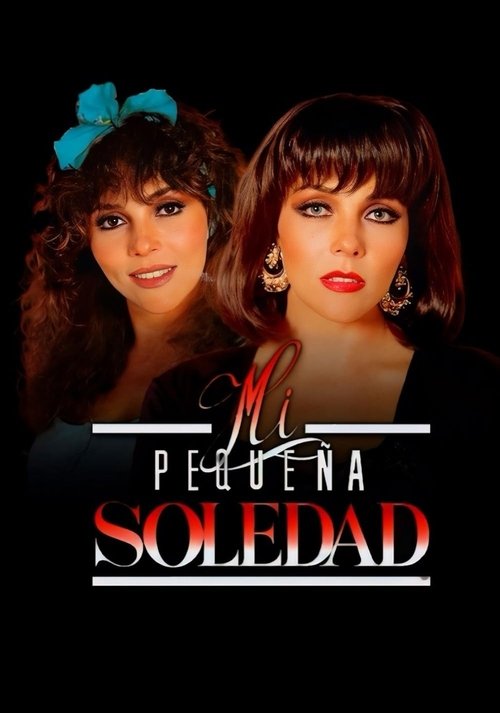
Mi pequeña Soledad is a Mexican telenovela produced by Verónica Castro for Televisa and originally broadcast on Canal de las Estrellas from May 14 to December 21, 1990. Created by Jorge Lozano Soriano and adapted by Marissa Garrido and René Muñoz, the telenovela stars Verónica Castro, Omar Fierro, and Rafael Rojas. Castro portrays a double role as mother and daughter. The story follows Isadora, a young woman whose life is marked by tragedy after being separated from her daughter Soledad due to the actions of cruel and ambitious people. Years later, their paths cross again, unaware of their true relationship. Together, they must confront family secrets, betrayal, and the painful events that separated them while searching for love and happiness.
Mi querida Isabel is a Mexican telenovela produced by Angelli Nesma Medina for Televisa and originally broadcast on Canal de las Estrellas from December 9, 1996, to April 25, 1997. It is a remake of the 1975 telenovela Paloma, based on the original story by Marissa Garrido. The story follows Isabel Rivas, a hardworking law student who has taken responsibility for her family after the death of the woman she believes was her mother. As she falls in love with Juan Daniel Márquez, she becomes involved in a web of family secrets and discovers that her real mother, Sagrario, has spent nearly twenty years in prison for a crime she did not commit. Determined to uncover the truth, Isabel fights for justice, love, and the reunion of her family.
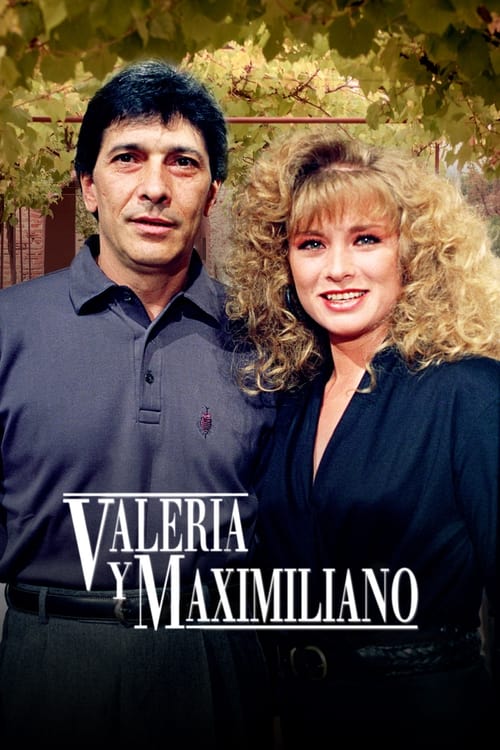
Valeria y Maximiliano is a Mexican telenovela produced by Carlos Sotomayor for Televisa and originally broadcast on Canal de las Estrellas from December 23, 1991, to May 1, 1992. Created by Nora Alemán, the telenovela stars Leticia Calderón and Juan Ferrara. The story follows Valeria Landero, a beautiful, wealthy, and strong-willed young woman whose pride and impulsive nature bring conflict to her family. After rejecting the obsessive Román de la Fuente, she becomes the target of his revenge, which threatens to destroy everything she loves. Throughout her struggles, Maximiliano Riva remains by her side, and together they must overcome betrayal, ambition, and family intrigue before finding true love.
The telenovela revolves around the family dramas and corporate power struggles of two rival families. This rivalry dates back many years to when Arturo Montenegro and Eládio Gómez Luna vied for the love of the beautiful Ana Laura; ultimately, it was Eládio who married her. Years later, Ana Laura is deeply unhappy, enduring her husband's abuse and cruelty; her only solace is the love of her son Federico, who is the complete opposite of his father. Meanwhile, after being widowed, Arturo married the frivolous Nina, with whom he had three children: Rogelio, Ana Karen, and Paulina. Arturo is so consumed by his business affairs that he fails to notice the humiliations Nina and her children—Rogelio and Paulina—inflict upon Pedro, his son from his first marriage.
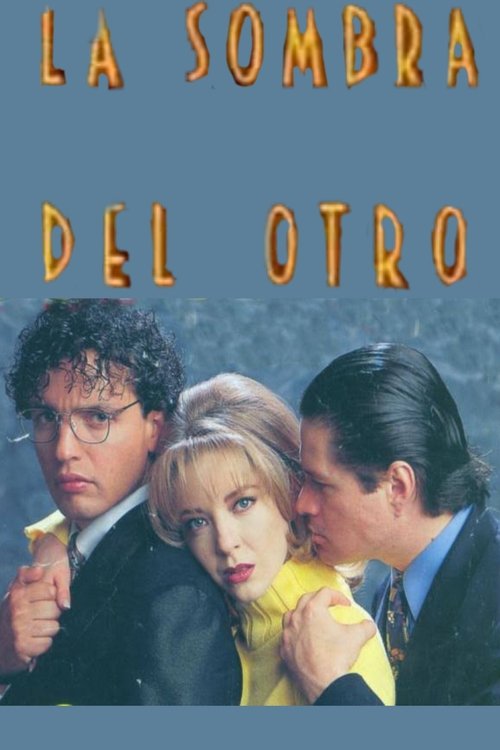
Rafael Rojas is the Main Character. He is Framed for Murder in which is seperating him from his true Love. HE gets into a Airplane accident that leaves everyone dead, except for him . Everyone is burned but he survives with all his Flesh burned off. He escapes taking the Pilots body. Since he is a Billionaire, he has surgery to have the Pilots faced put on him. At first it is confusing , cuz you have to get use the main character with a different face but same name. Think of it as the Movie classic " Face OFF " in which the two main character switch faces. Same names but different faces. Well the novela is about him hiding his true identity but trying to live life with the other dudes face.
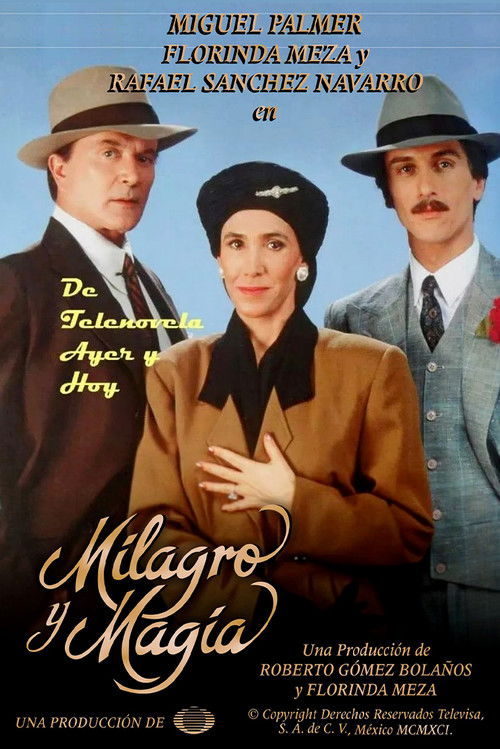
Milagro y magia is a Mexican telenovela produced by Roberto Gómez Bolaños and Florinda Meza for Televisa and originally broadcast on Canal de las Estrellas from April 29 to August 30, 1991. Written by Florinda Meza and directed by Roberto Gómez Bolaños, the telenovela marked the duo's debut as telenovela producers and Florinda Meza's first leading role in the genre. The story is set in post-revolutionary Mexico and follows two orphaned children, Elisa and Pepe, as they leave their rural hometown in search of a better life in Mexico City. Separated by fate after escaping exploitation, they face hardship, love, and betrayal while struggling to reunite and build a brighter future.