Writing
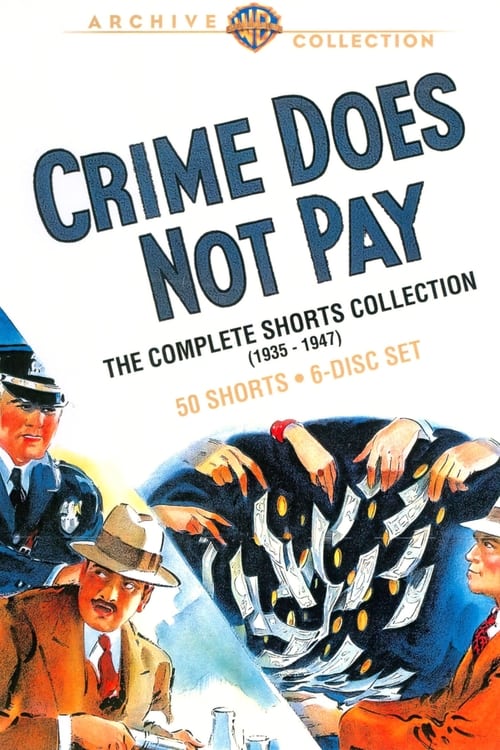
This MGM Crime Does Not Pay series short features a big city crime boss's attempt to use his crime "machine" to fraudulently win reelection for the current corrupt mayor. By using several illegal tactics, and aided by voter apathy, the crime boss nearly continues his control of the city.
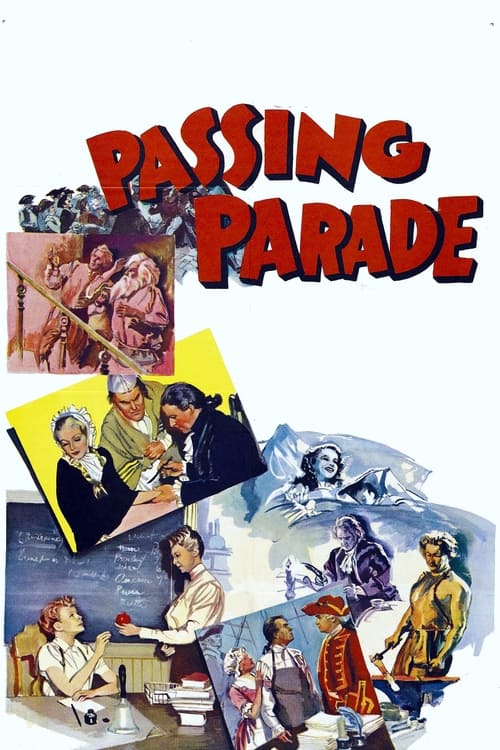
Three specific and separate stories of life's passing parade are presented.
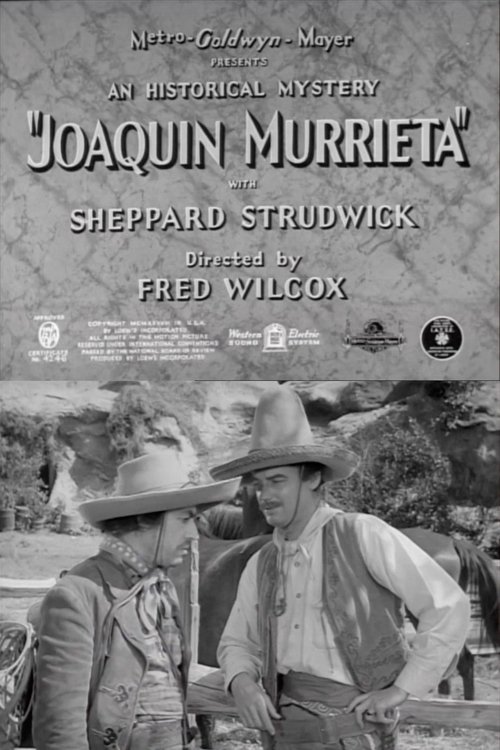
This MGM Historical Mystery short follows the life and exploits of killer outlaw Joaquin Murrieta, in California in the 1850s.
This entry in MGM's "Crime Does Not Pay" series deals with illegal gambling and bookmaking.
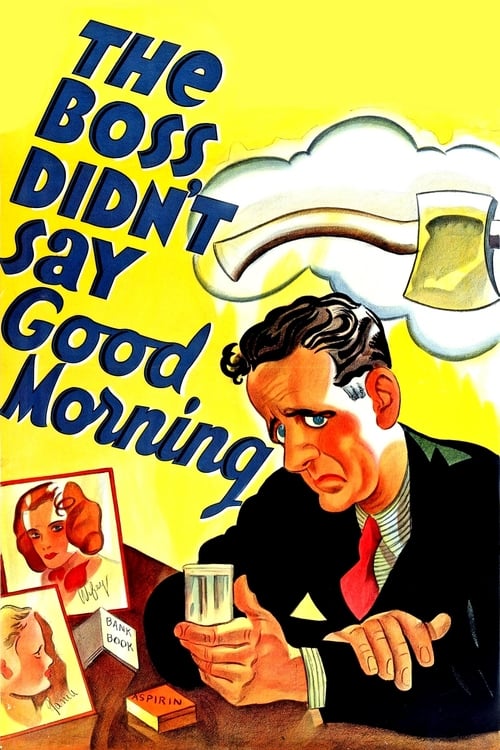
Carey Wilson narrates this MGM Miniature short in which an average office worker suffers all week-end because his boss, who had a bad case of indigestion, didn't speak to him when he came to work on Friday and is convinced he is going to get fired.
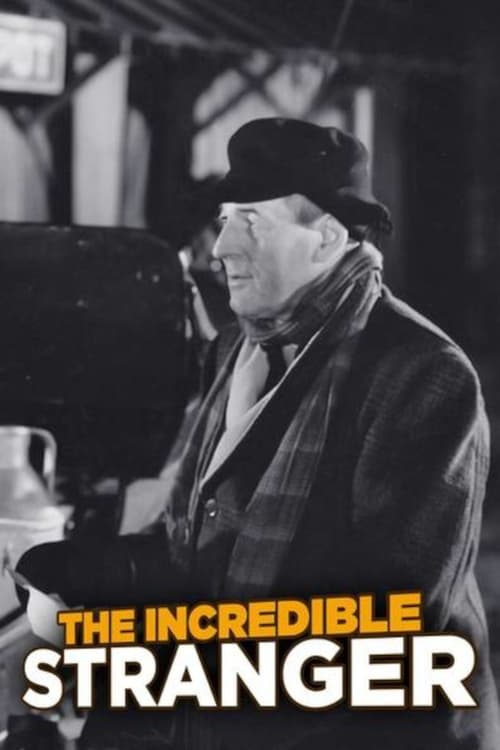
In December 1892, a silent mysterious and very private man, for whom a new house has just been built, arrives in the small town of Bridgewood to keep a promise.
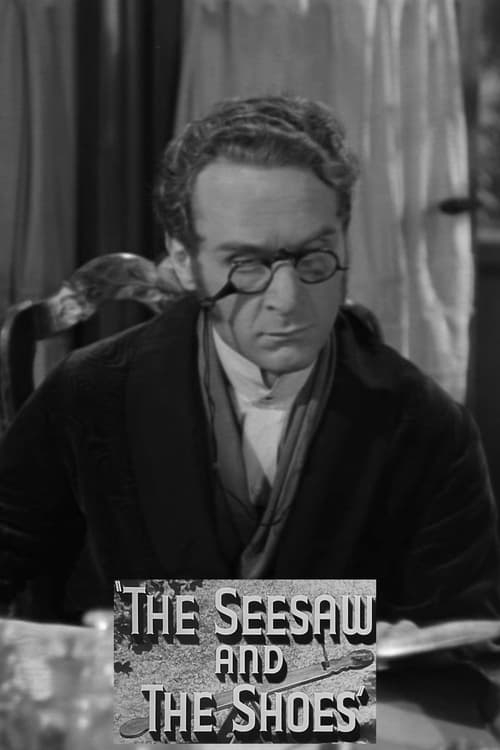
This short shows how two objects led to important discoveries. Children playing with a seesaw inspire French physician Rene Laennec to invent the stethoscope, and a pair of shoes made of caoutchouc lead Charles Goodyear to discover the process for vulcanizing rubber.
This John Nesbitt's Passing Parade short explores the origins of various customs such as shaking hands, kissing, and why ships are christened.
In this MGM Crime Does Not Pay series short, a man and his racketeer buddies devise a scheme to bilk those already seemingly desperate for money of what little they have.
Part of MGM's "Crime Does Not Pay" series, this short film focuses on crimes revolving around pension scams.
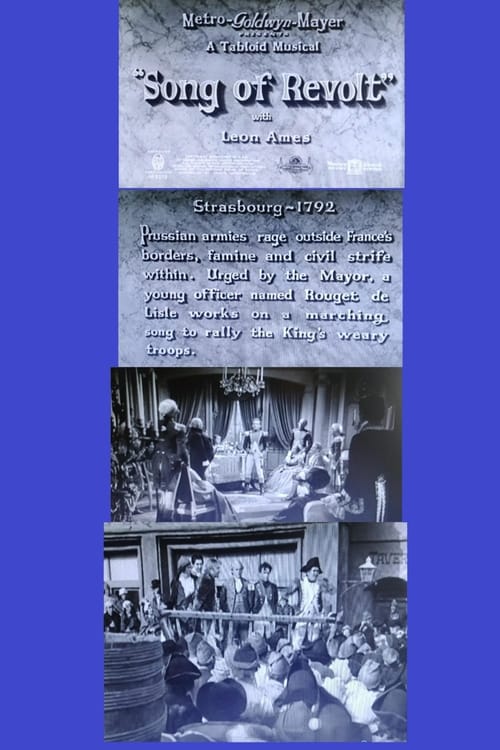
This MGM Tabloid Musical short tells the story of how France's national anthem, "La Marseillaise", came to be written during the French Revolution.
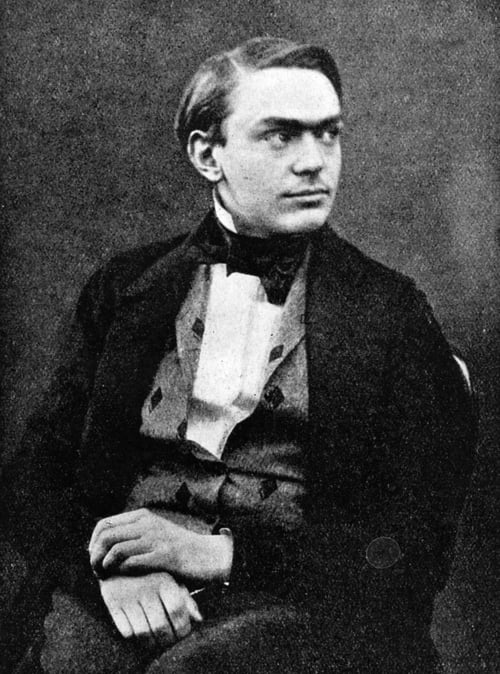
This John Nesbitt's Passing Parade short tells the story of Alfred Nobel, who invented dynamite, and later established the Nobel Prize.
This Passing Parade series entry looks at three instances of people who either caused or were the victims of errors.
This short film examines the origins of several superstitions including crossing your fingers, knocking on wood, rabbit's feet, and breaking champagne bottles to christen ships, plus the role of superstitions in the Flying Dutchman tale.