Bruno Beaugé
Art
Known For
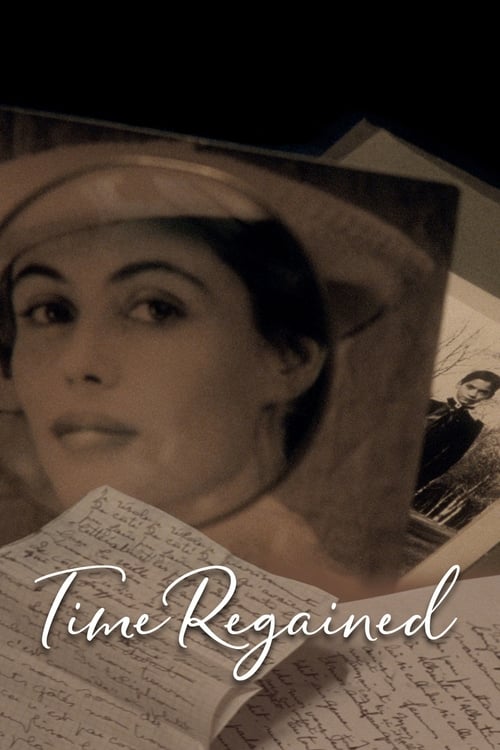
In early 1920s France, an author, lying on his deathbed, looks at various photographs and is flooded with memories of the people and events that have shaped his life.
Time Regained

Two narrators, one seen and one unseen, discuss possible connections between a series of paintings. The on-screen narrator walks through three-dimensional reproductions of each painting, featuring real people, sometimes moving, in an effort to explain the series' significance.
The Hypothesis of the Stolen Painting
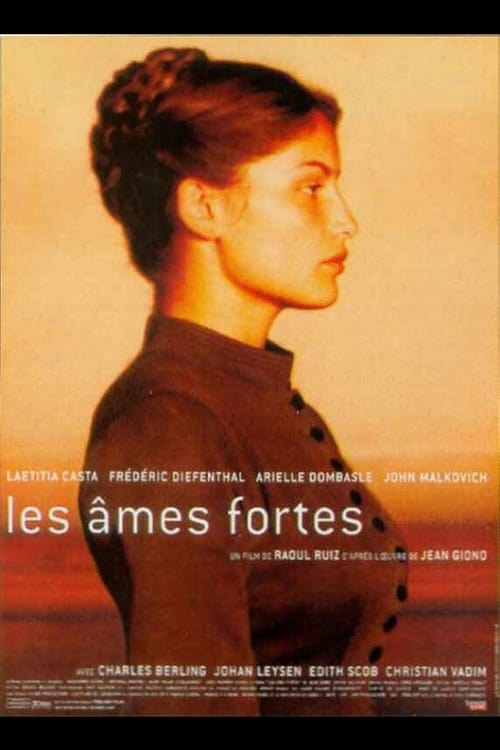
At a wake one night in 1945, a group of aged women recall the life of one of their number. Sixty years before, Thérèse was barely 20 years old when she eloped with her boyfriend, Firmin, a blacksmith, to Châtillon, a town in Provence. Here, she makes the acquaintance of the wealthy Madame Numance, who is known for her good deeds. Realising that Thérèse is pregnant and unemployed, Madame Numance insists that she moves into a house on her estate. Whilst Firmin resents the arrangement, Thérèse soon finds that she can exploit the situation, using her benefactor's naivety and generosity for her own gain..
Savage Souls
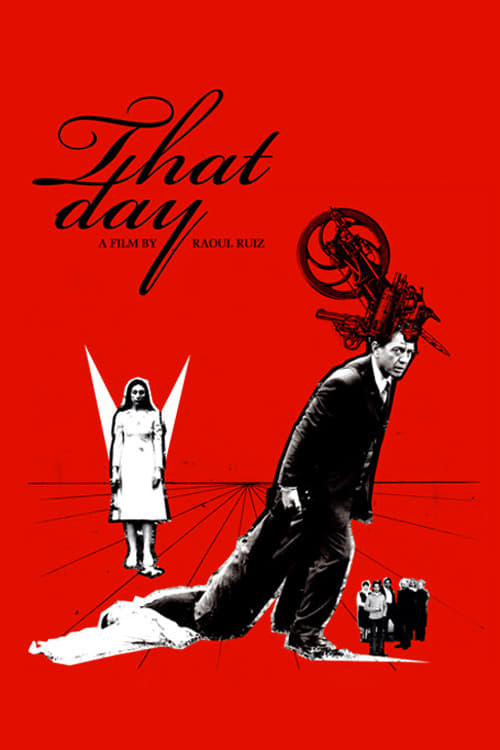
A father is scheming to have his slightly mental daughter from an earlier marriage killed by allowing a murderous psychopath to be released from the asylum and led to his house. However, the psychopath and the daughter fall for each other.
That Day
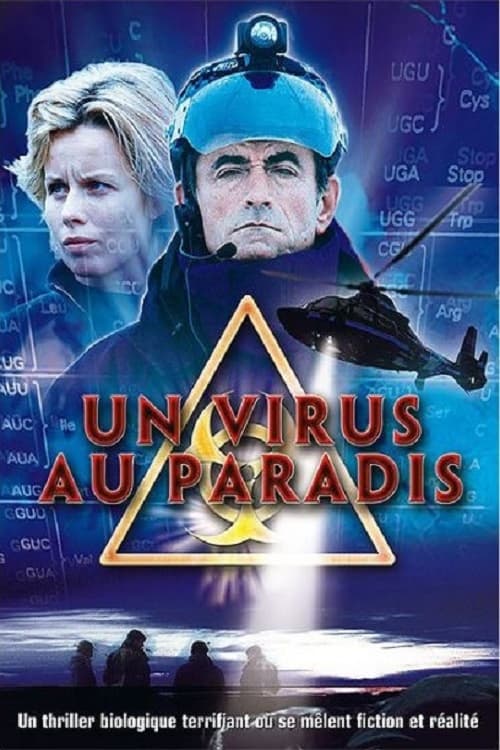
Deadly virus transmitted by human cough spreads quickly with the help of migratory birds. Scientists race against time in search of a cure.
Virus au paradis
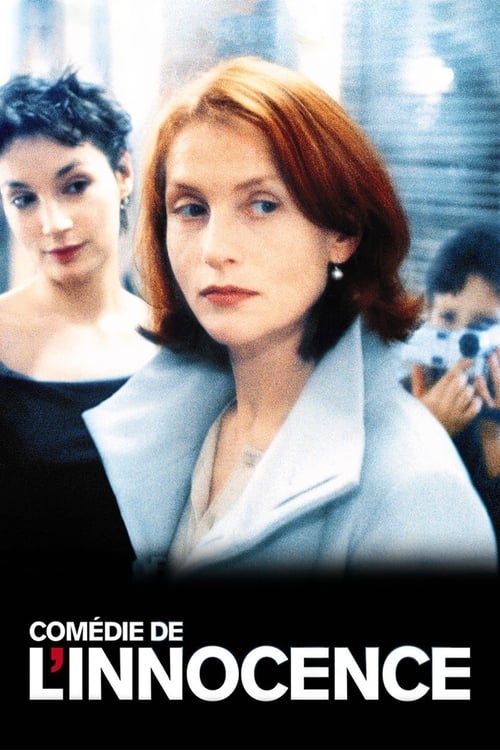
Today, Camille turns nine. He had sworn that on his 9th birthday he would show his parents the videos he was shooting on the side - the tail of a cat scampering away, a window, and a veiled woman's face - an intriguing picture... Later that day, Camille's mother, Ariane, meets up with her son in the park. The boy appears perturbed. He is leaning against a tree, eyes cast down. He says that now he wants to return to his "real home" and his "real mother."
Comedy of Innocence
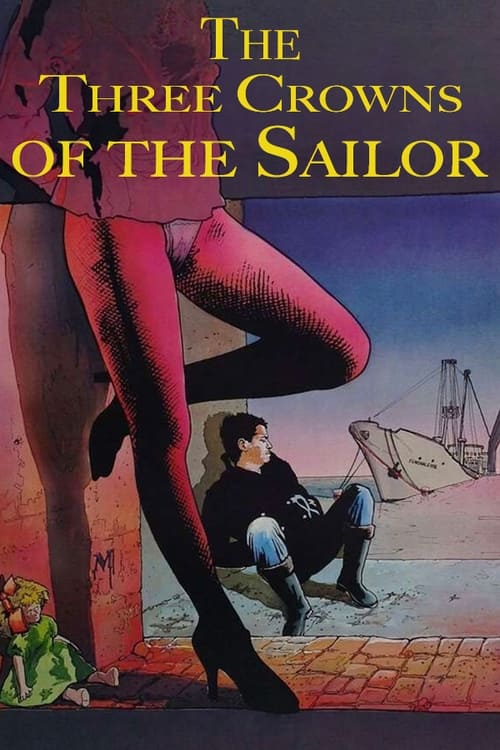
Shortly after murdering his professor, a young man encounters a sailor who offers him a position on his ship in exchange for 3 Danish crowns and his attention as he recounts his life story.
Three Crowns of the Sailor
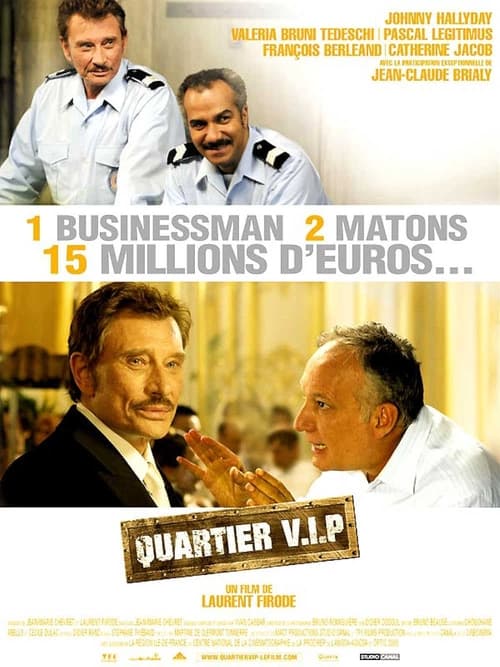
Gardien à la Santé, Alex mène une petite vie tranquille aux côtés de son épouse Louisette et de son collègue et copain René. Muté au quartier des V.I.P., il se voit proposer par l'un des détenus, Bertrand, un businessman condamné pour affaires frauduleuses, un étrange marché : Claire, l'épouse de Bertrand, a décidé de se séparer d'un mari devenu encombrant tout en profitant de sa fortune. Alex est alors chargé de lui proposer une affaire financière alléchante mais bidon qui pourrait permettre à Bertrand de récupérer son argent. Désireux de mettre un peu de piment dans sa vie, Alex accepte de jouer le jeu et de se comporter pendant ses soirées en homme d'affaires suisse et discret ! Claire est séduite. Très vite, Bertrand réalise qu'Alex s'intéresse vraiment à sa femme, Claire découvre la supercherie financière et Louisette la trahison conjugale...
Quartier V.I.P.
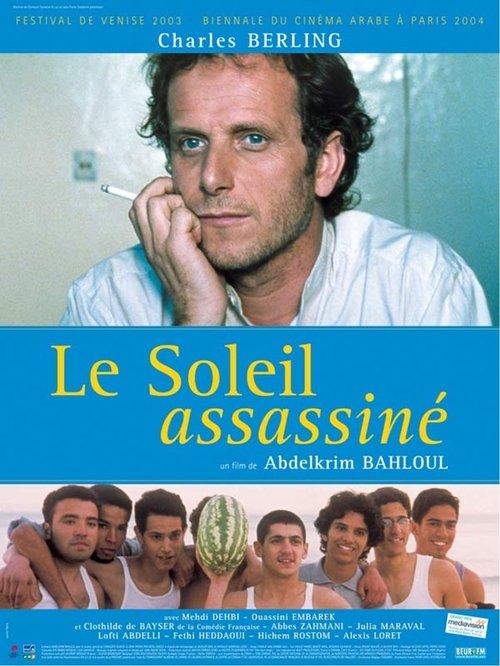
The poet Jean Sénac, also a radio host, chose to stay in Algeria after his country's independence in 1962. Ten years later, a protester and libertarian, he was monitored by the regime's police. His poems attract a popular audience and his show is a real success with young people. Also, when Hamid and Belkacem, two students, learn that the play they wrote and presented at the first national Algerian theater festival is downgraded under the pretext that they performed it in French, their pain will be alleviated by the presence behind the scenes by Jean Sénac who congratulates them. The latter will become close friends of the poet and witness his fight for the freedom and culture of Algerian youth. A fight which would lead Sénac to martyrdom: one night in August 1973, he was assassinated in the cellar which served as his apartment. Hamid is accused of the murder.
The Sun Assassinated

A chronicle of Raúl Ruiz’s production of Michèle Reverdy’s opera “Médée”.
Médée: Chronique d’une mise en scène
No description available.