FEEL IT.STREAM
Lucinda Childs

Lucinda Childs

Crew

Biography

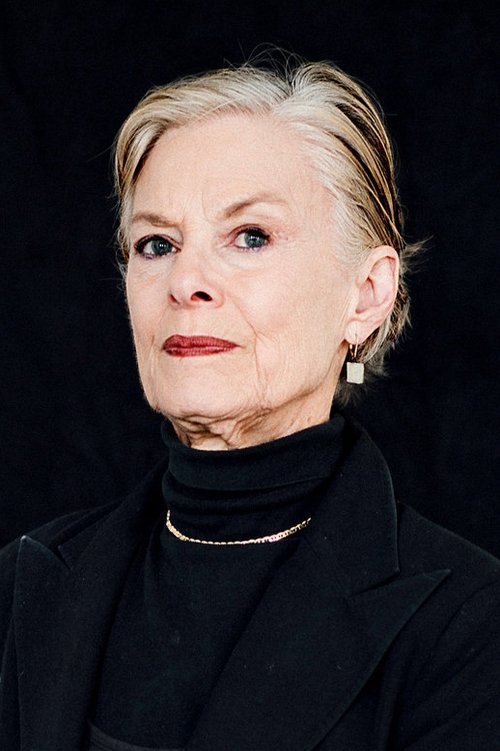
Lucinda Childs is an American postmodern dancer/choreographer and actress. Her compositions are known for their minimalistic movements yet complex transitions.

Known For

No image
N/A

No description available.

Per un viaggio in Italia

1984
Andy Warhol Screen Tests
8.0

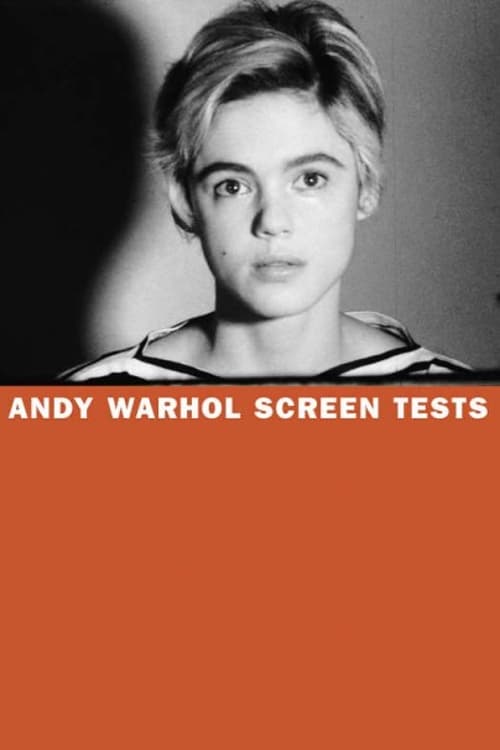
The films were made between 1964 and 1966 at Warhol's Factory studio in New York City. Subjects were captured in stark relief by a strong key light, and filmed by Warhol with his stationary 16mm Bolex camera on silent, black and white, 100-foot rolls of film at 24 frames per second. The resulting two-and-a-half-minute film reels were then screened in 'slow motion' at 16 frames per second.

Andy Warhol Screen Tests

1965
Regarding Susan Sontag
5.7

An intimate study of one of the most influential and provocative thinkers of the 20th century tracking feminist icon Susan Sontag’s seminal, life-changing moments through archival materials, accounts from friends, family, colleagues, and lovers, as well as her own words, as read by Patricia Clarkson.

Regarding Susan Sontag

2014
Einstein on the Beach: The Changing Image of Opera
9.0

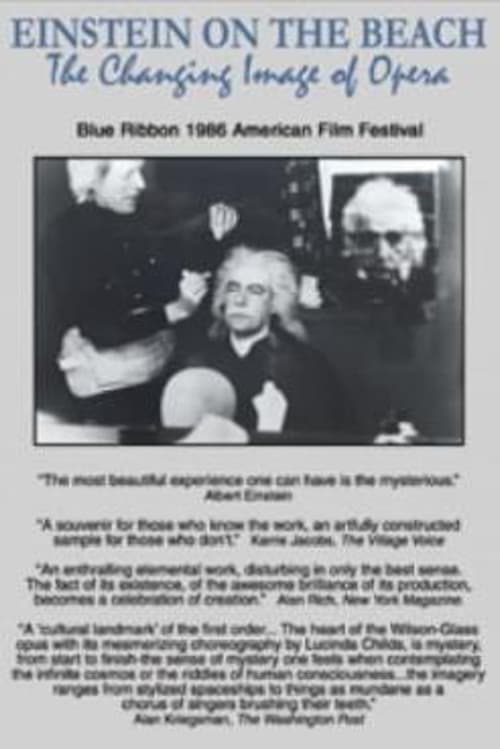
The creative processes of avant-garde composer Philip Glass and progressive director/designer Robert Wilson are examined in this film. It documents their collaboration on this tradition breaking opera.

Einstein on the Beach: The Changing Image of Opera

1985
Making Dances: Seven Post-Modern Choreographers
N/A

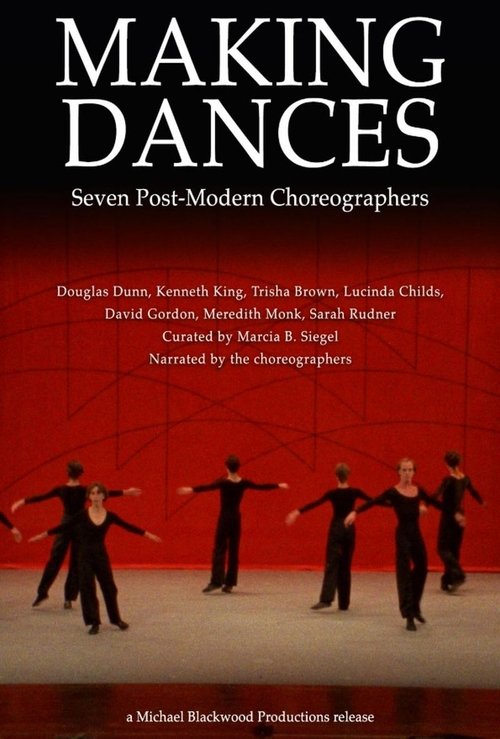
Made in 1980, this film explores the contemporary dance scene through the work of seven New York-based choreographers. They discuss the nature of dance and the evolution of their own work. Filmed at rehearsals, performances, and during interviews, the film is a unique primary source. The artistic roots of these seven artists can be found in Martha Graham's concern with modern life as a subject for dance and in Merce Cunningham's emphasis on the nature of movement. In the 1960s, the interaction of art forms generated choreographic innovations. Especially influential was John Cage, whose radical ideas served as a point of departure for much of the new choreography. Each of the choreographers in Making Dances draws inspiration from the Graham/Cunningham tradition, yet each makes a highly distinctive statement. Structure, movement in non-fictive time and space, and the nature of movement itself are recurring themes.

Making Dances: Seven Post-Modern Choreographers

1980
Salome
10.0

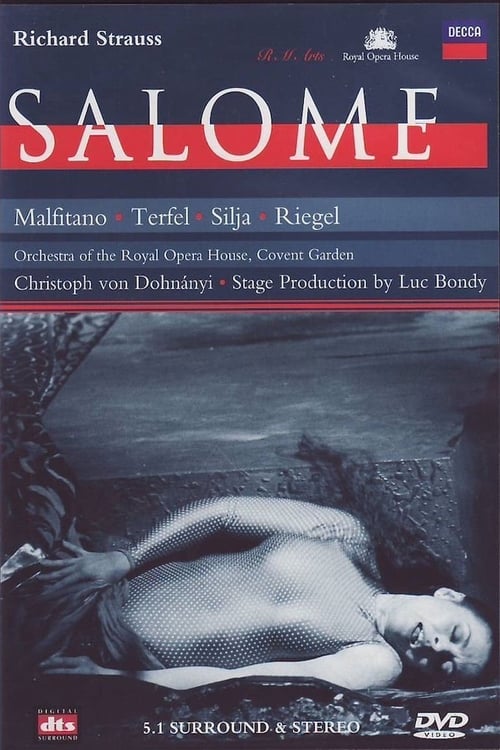
Richard Strauss's opera, from the Royal Opera House, Covent Garden.

Salome

1997
John Adams: Doctor Atomic
N/A

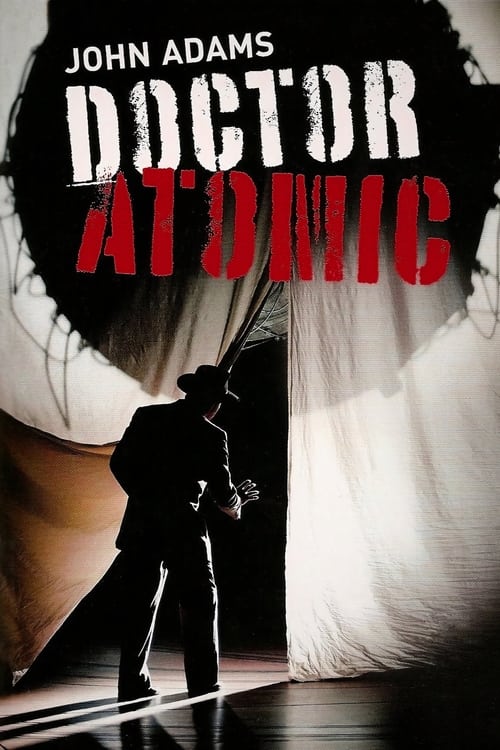
The European premiere of the opera by the contemporary American composer John Adams, with libretto by Peter Sellars, in a co-production of the San Francisco Opera (where the work premiered), the Lyric Opera of Chicago, and De Nederlandse Opera. The plot focuses on the great stress and anxiety experienced by those at Los Alamos while the test of the first atomic bomb (the "Trinity" test) was being prepared.

John Adams: Doctor Atomic

2007
Video 50
5.7

Produced in an era before 24-hour programming cycles, Video 50 was initially used as a late night filler on TV stations in Germany, France, Belgium, and Switzerland. Random, surreal, and unexpected, Video 50 resembles the dream cycle of a dormant TV station after it conscious programming has ceased. Its structure and form anticipate the dissociated sequence of moving images we are now accustomed to encountering on YouTube and social media.

Video 50

1978
Adam's Passion
8.5

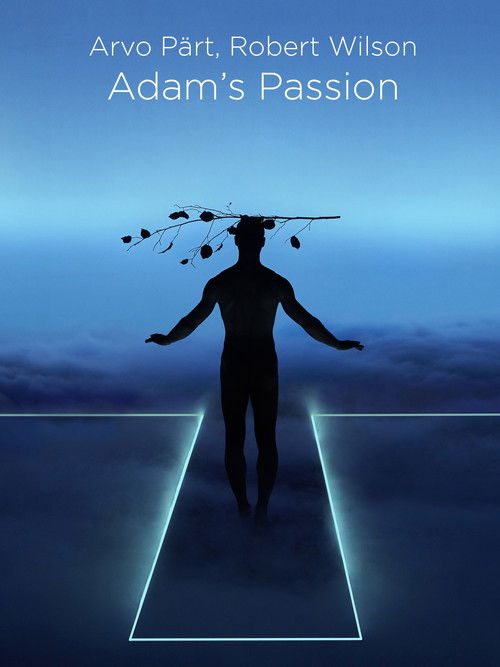
Adam’s Passion is the moving first collaboration between two “masters of slow motion who harmonize perfectly with each other” (Frankfurter Allgemeine Zeitung). In the spectacular setting of a former submarine factory, American director and universal artist Robert Wilson creates a poetic visual world in which the mystical musical language of the Estonian composer Arvo Pärt can cast its meditative spell. Three of Pärt’s major works – Adam’s Lament, Tabula rasa, and Miserere, as well as Sequentia, a new work composed especially for this production – are brought together here using light, space, and movement to create a tightly-woven Gesamtkunstwerk in which the artistic visions of these two great artists mirror each other.

Adam's Passion

2015
Einstein on the Beach
8.8

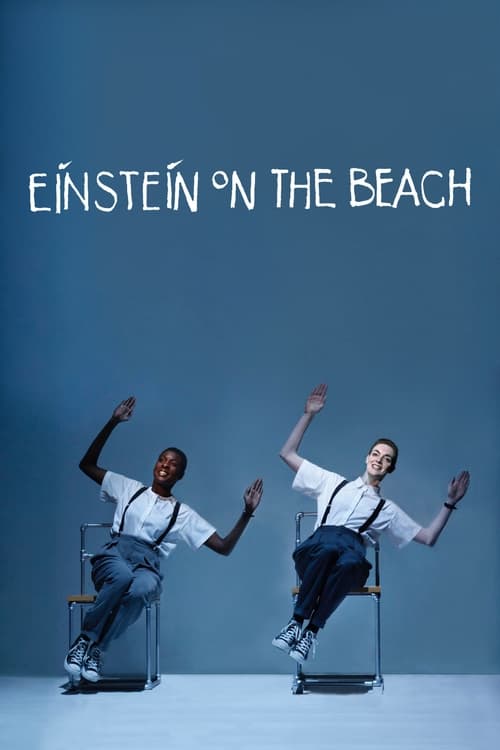
This seminal work of avant-garde opera from composer Philip Glass and director Robert Wilson arrives full-circle, coming to France, the site of its 1976 Avignon Festival world premiere, at the tail end of this 2014 revival tour for a landmark Theâtre du Châtelet production and a first ever filming by award-winning arts filmmaker Don Kent. Eschewing conventional narrative, the opera revolves loosely around pacifist Einstein’s relationship to the creation of the atomic bomb.

Einstein on the Beach

2014
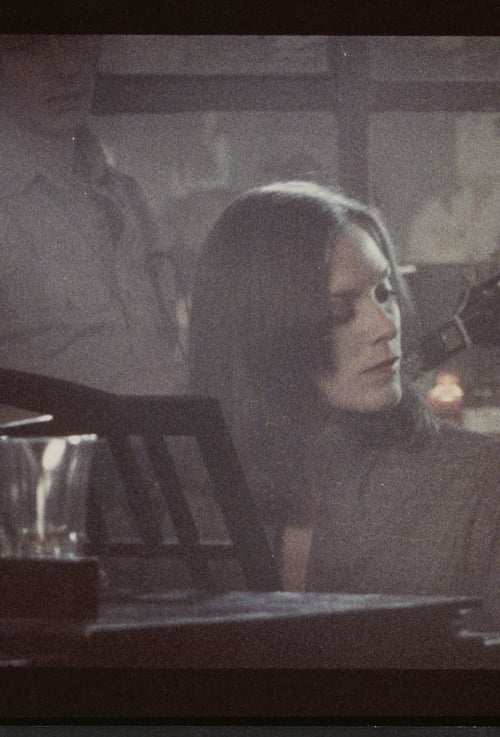
21:12 Piano Bar
7.5

Florence is found dead and mutilated. When Nathalie hears about this in the bar where she plays piano she becomes interested. She tries to get in touch with the people who knew Florence closely. Eventually she gets them to talk about Florence's destructiveness. About her deviant pleasure in hurting and injuring herself.

21:12 Piano Bar

1981
Manual of Arms
5.0

In this "fourteen-part drill for the camera," Frampton created a portrait gallery of his art-world friends engaging in a variety of ordinary activities.

Manual of Arms

1966
Screen Test [ST53]: Lucinda Childs
N/A

One of two(?) 1964 screen tests of Childs. Runs 4 minutes, 24 seconds in length

Screen Test [ST53]: Lucinda Childs

1964
Screen Test [ST52] Lucinda Childs
N/A

One of two(?) 1964 screen tests of Childs. Runs 4 minutes, 30 seconds in length.

Screen Test [ST52] Lucinda Childs

1964
Deborah Hay: Solo
N/A

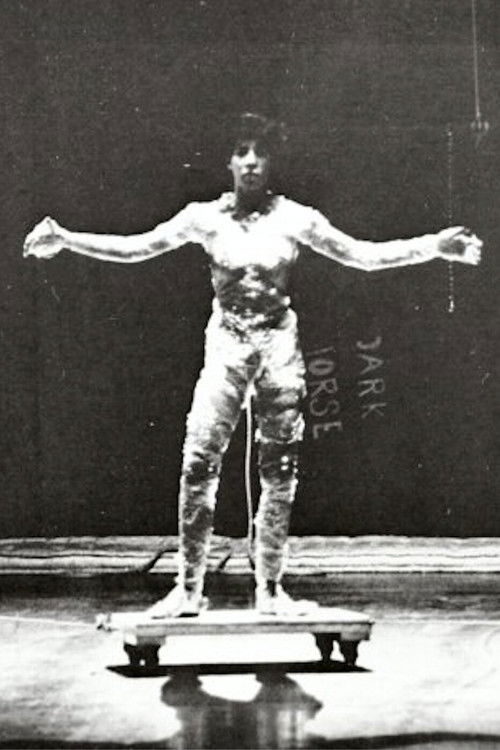
For Deborah Hay’s SOLO, Larry Heilos designed the control systems for eight radio-controlled carts that moved around the Armory floor, which were then covered with wooden boxes to make platforms for dancers to stand or lie on. At the rear of the space, eight formally dressed performers operated the radio-control system to move the platforms into and around the space. Composer Jim Tenney acted as the “conductor” of the “orchestra”. Sixteen dancers entered the brightly lit space either walking or riding on a cart. They then walked in solo, duet, or trio formations or rode on the moving platforms, following Hay’s specific rules and choreography. The sound for the performance was David Tudor’s realization of Toshi Ichiyanagi’s work FUNAKAKUSHI. [Overview courtesy of Anthology Film Archives]

Deborah Hay: Solo

2012
Unguided Tour
10.0

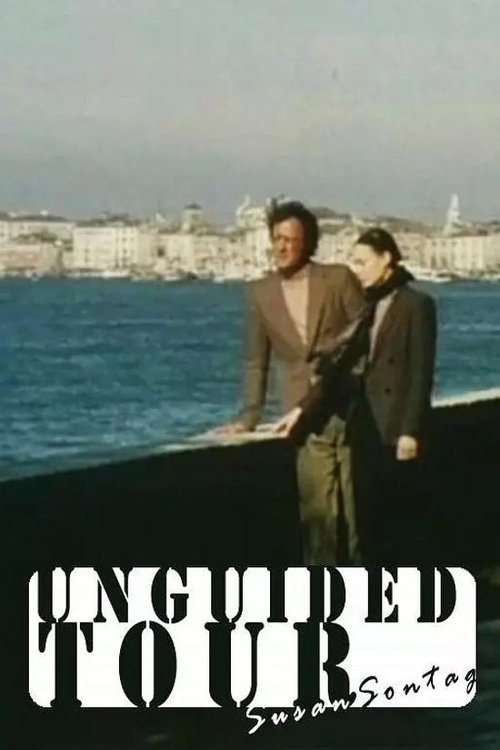
Also known as “Letter from Venice,” Susan Sontag’s fourth and final film tells of a relationship that is fragmenting as the partners tour the decaying ruins of a hallucinatory Venice.

Unguided Tour

1983
No image
N/A

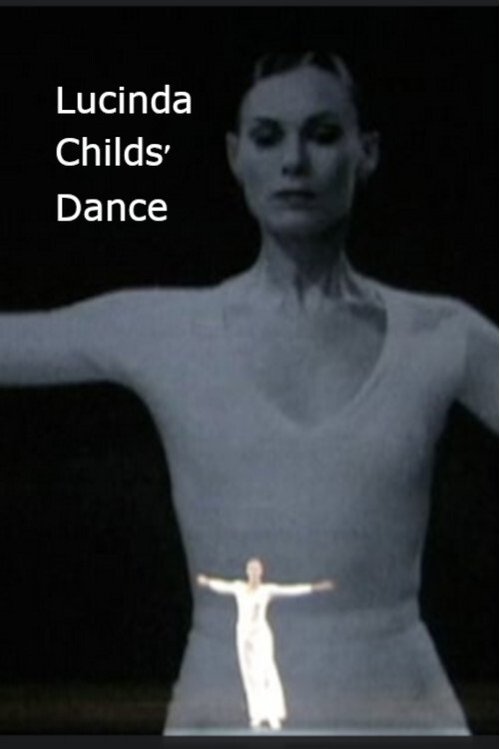
Performed at Theatre de la Ville in Paris and choreographed by Lucinda Childs. Music composed by Philip Glass.

Dance

2014
Shoulder
N/A

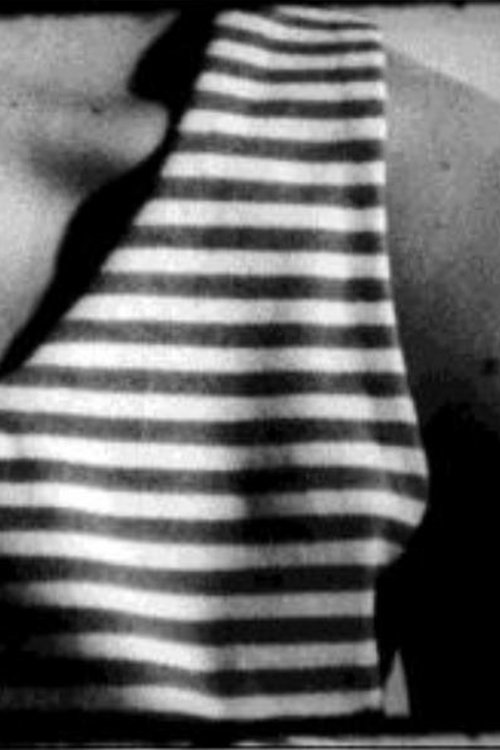
According to the first volume of the Andy Warhol film cat. rais., the film was probably shot on the same day as Jill Johnston Dancing. In the Stephen Koch filmography, Shoulder is listed as: "16mm, 4 minutes, B/W, silent, 16 fps. Filmed summer, 1964. Lucinda Childs' shoulder."

Shoulder

1964
Philip Glass: Akhnaten
N/A

Akhnaten is set in Ancient Egypt, and based on the accession to the throne of the pharaoh Amenhotep IV – thought to have been around 1351BC – on his religious convictions, and the consequences of his actions. Presented as a combination of song, dance and music, the opera has a libretto by Philip Glass, Shalom Goldmann, Robert Israël and Richard Ridell, with the text drawing on ancient hymns, prayers and inscriptions, sung in their original Egyptian, Hebrew and Akkadian form. Produced by the Opéra de Nice Côte d’Azur as part of the Festival MANCA.

Philip Glass: Akhnaten

2020
No image
N/A

Choreographed by american choreographer, Lucinda Childs, the film explores complex patterns that are created with the simple action of walking

Calico Mingling

1973