Writing
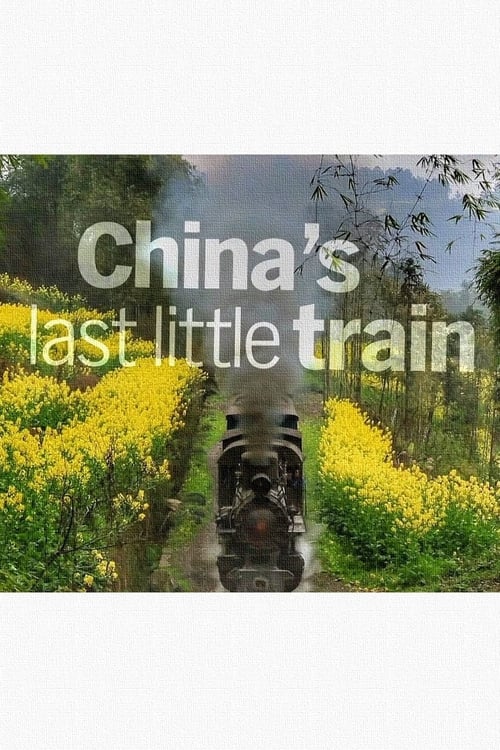
This is the last working narrow gauge steam railway in China. Built 70 years ago to haul coal out of the valley, the 19 km line has evolved to be the main source of transport in the valley carrying children to school, workers to their jobs and pigs to market; all fighting for space in the train's small, unglazed carriages. Now the railway is at a critical point. The mine has shut down and the villagers are fighting to keep the line - and its aging steam locomotives - running. Already the villagers have to make replacement parts by hand. When the boiler goes they face catastrophe. Too large to fabricate themselves, they search far and wide for a company to make a new boiler for them. But even if they can find a new boiler, how can they get it to Jiayang Valley? At a time when attention is focused on China's great leaps in technology, on its maglev and bullet trains, Little Train takes viewers on a journey to the quiet backwaters that are still home to half of China’s population.
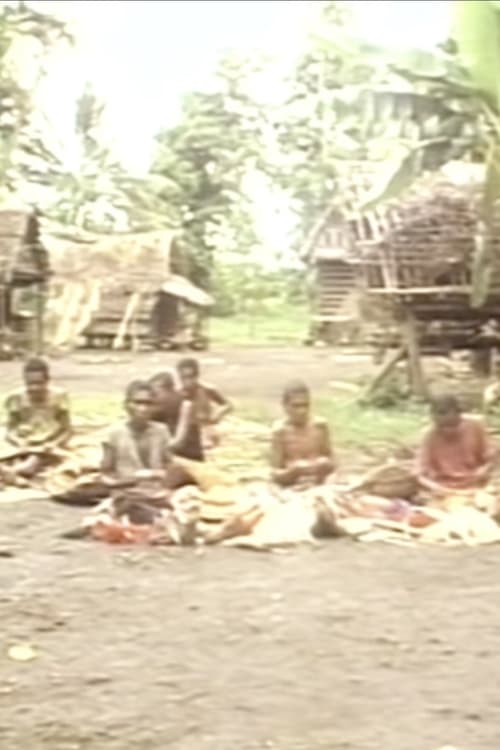
Bronislaw Malinowski changed the way that field studies were carried out. He worked on a remote group of Pacific islands—the Trobriands—and lived for long periods among the people he was studying. A brilliant linguist, he quickly learned their language and later published books which brought the islanders to life. The idea that native peoples were primitive savages was altered for good with Malinowski's insight into their mastery of their world.
In May 2010, Ye Hongmei, a native of Dujiangyan city in Sichuan province, started her Odyssey to get pregnant again. Her eight year old daughter was killed in the devastating Wenchuan earthquake of 2008, a catastrophe that killed and maimed more than 6000 children. Due to China's one-child policy, most of the grieving families were left childless.
A documentary that takes us into one of the world’s most unique settings: an Afghan women's prison. A prison where prisoners neither regret nor are ashamed of the 'crimes' they have been locked up for. These women have committed 'moral crimes'. With their lives at stake they fled the violence for the sake of dignity and love.