António de Macedo
Directing
Biography
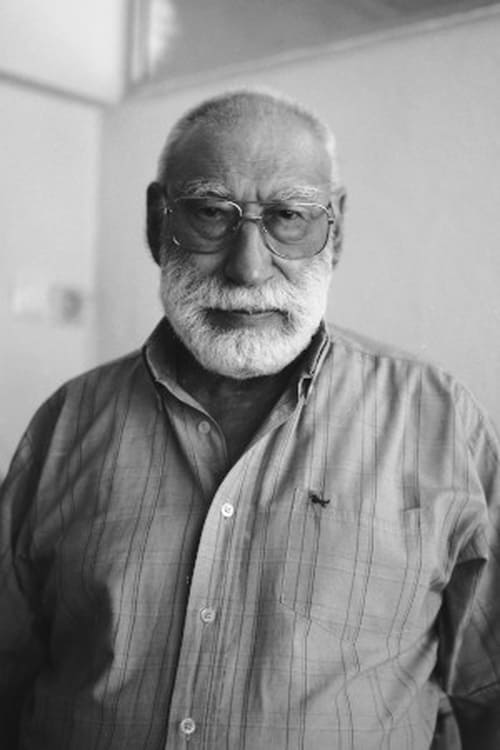
António de Macedo (5 July 1931 − 5 October 2017) was Portuguese filmmaker, writer, university professor and lecturer. He gave up filmmaking in the 1990s as he felt systematically excluded from the state support programs of the Portuguese Ministry of Culture, the only financial source for film production in Portugal in that time. As a consequence, he dedicated himself entirely to writing, investigation and teaching. He published several books, essays, philosophy and fiction.
Known For

Exploring perspectives on witches from different angles, ranging from historical accounts to popular folklore, shedding light on the complex narratives surrounding these notorious figures.
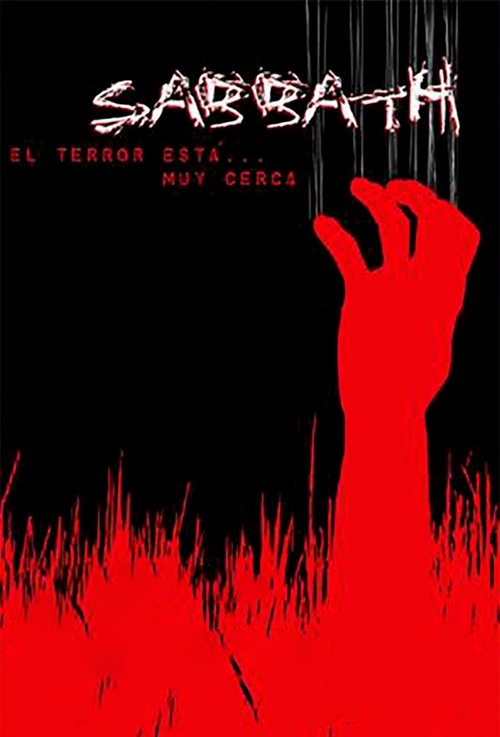
Sabbath

Mitó lives in a small village and is the son of the local Comunist Party leader, she is 18 years-old and is about to graduate from the high-school she must attend at Beja - the nearest town. News that she killed her German boyfriend, at 4 a.m. on a desert road, do not excite much the editor of a Lisbon newspaper. He sends in a tyro reporter, Joaquim Peixoto, just in case. The young man, already considered hopless in his profession, will uncover more than a sex scandal to be used for political purposes. Written by Artemis-9
Goodbye Princess

No description available.
História do Cinema Português

An overview of the assemblage and production of motor vehicles in Portugal, including the local representatives of Mercedes, Morris, and Massey-Ferguson, and subsidiary industries for car parts.
Alta Velocidade

Film directors with hand-held cameras went to the streets of Lisbon from April 25 to May 1, 1974, registering interviews and political events of the Portuguese "Carnation Revolution", as that period would be later known.
The Guns and the People

A Visigoth count conquers a small village town from the Moors in the Lusitanian mountains, only to loose his possessions through the mysterious workings of a woman from parts unknown.
The Curse of Marialva
An engineer falls in love with a girl from a village. A battle between progress and tradition.
The Encounter

He was the most prolific within the New Portuguese Cinema generation. He would try western spaghetti, esoteric allegory, supernatural, and science-fiction. Without state subsidies, he would quit filmmaking in the 1990s. Who remembers António de Macedo?
In the Interstices of Reality or The Cinema of António de Macedo

Maria, a blind girl apparently raped by her stepfather, is held in an isolated and dilapidated hospice, desperately awaiting a miracle by Our Lady of Fátima. Turned over by Angela, her aunt, into the care of Dr. Firmino, an imposing doctor, she will suffer moments of despair, grace, and fear, among beliefs, phantoms, and revelations.
Maria's Hours

No description available.
A Bicha de 7 Cabeças

In an isolated village of the Alentejo region, a conflict arises. José Vitorino, one of the landowners of the region, rich in prehistoric monuments, wants to build a luxurious solarium in lands filled with ancient rocks, places of devotion and sacred rituals. Indifferent to the people’s protest, who believe in the magical powers of the stones and that the region’s drought is due to the rocks’ destruction, José Vitorino hires an architect to plan his new house. On christmas eve, in the middle of the winter solstice, a strange ceremony around a dolmen, once an altar for bloody sacrifices in more remote times, releases a harmful spell. A race against time to reverse the faulty charm begins.
O Segredo das Pedras Vivas

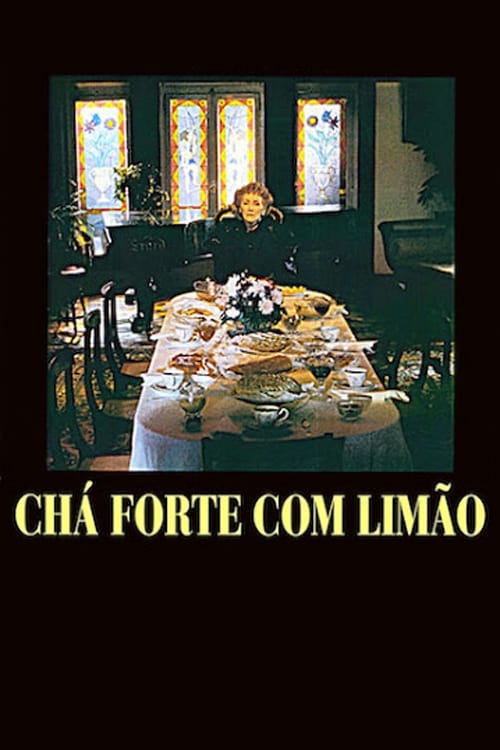
In the summer of 1870, Raquel, who owns a farm, and lives secluded in her mansion with an old butler and a handful of servants, feels proud when an odd acquaintance comes by. Adriana and her daughter-in-law, Ermesinda, a very young girl, just happen to be visiting - the second time in 15 years for Adriana, and the first time for the teenager Ermesinda. The meeting seems to be pleasant, and yet, for reasons untold, there is coldness and reserve between Adriana and Raquel. Their ambiguous relationship will be revealed, when by accident old wounds are reopened.
Chá Forte com Limão

Reflections on life and death unfold through the eyes of Jorge, the head doctor of the Haematology Department, whose world is plunged into despair when he falls in love with Clarisse, a woman suffering from advanced leukemia.
Sunday Afternoon

End of the 20th century. A group of scientists executes a project aiming to prevent a nuclear war with the planet Khalom. From their experimental project, involving manipulating events in the past, two mysterious human creatures travel between the present and the 19th century, and back - getting in love with four different persons.
The Emissaries of Khalom
Images illustrate a poetic text in three parts - Morning, Afternoon, and Evening - with variations on work and leisure, heat and coolness, and love and sex.
Verão Coincidente

O Outro Teatro proposes a look at the independent theater manifestations that came in the wake of the pioneering gestures of Teatro Experimental do Porto.
O Outro Teatro ou As Coisas Pertencem a Quem as Torna Melhores
No description available.
Donasvinte

José and Maria, a young, devout couple in a remote Portuguese fishing village, take a vow of chastity on their wedding night to honor a religious pact. Their commitment is pushed to the breaking point when they rescue a mysterious, wounded stranger and bring him into their home. As the outsider’s presence ignites repressed desires and jealousy, the couple's sacred promise leads to a violent confrontation with the local community's superstitions.
The Vow

In the gardens of a large village house belonging to a reclusive architect, a hand is found. In a sign placed at the gates of the property, the architect annouces he will return it to whoever proves to be the owner.
O Princípio da Sabedoria

Irene is an agent for an insurance company. She is given the job of investigating the disappearance of an elderly librarian in a provincial town. During her investigations she meets a history teacher - Ricardo - who knew the librarian and is interested in local legends. Irene happens to hear about a very old medieval castle which, according to legend, has a secret entrance that opens mysteriously on Christmas night as the clock strikes twelve.