Tom Hayes
Directing
Biography
Tom Hayes is Assistant Professor in the Film Division at Ohio University, where he teaches post production and documentary development. Originally from Vermont, Tom Hayes has been making films since he was a kid, winning the Kentucky Educational Television Young Peoples Film Competition when he was 15. As a young man he worked as a deck hand, shipping out of New York on cargo ships. While seafaring started as a strategy to pay for film school, trips into third and fourth world ports became a profound formative experience. Tom received a B.G.S. degree with Emphasis in Cinema and Philosophy from Ohio University in 1977.
Known For

Longtime playwrights and performers of the Abbey Theatre share colourful reminiscences of the national institution founded by W.B. Yeats and Lady Gregory in 1904. Oscar Nominee: Best Documentary Short
Cradle of Genius
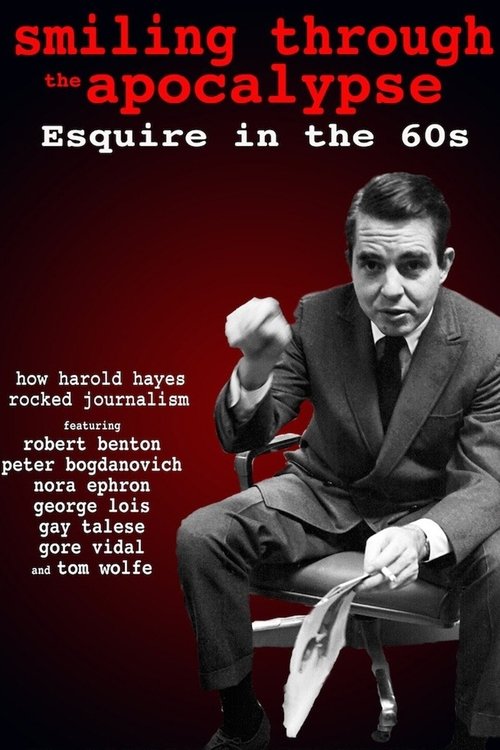
'Smiling Through the Apocalypse' chronicles a man whose editorial instincts produced one of the greatest magazines ever: Harold Hayes, the swinging editor and cultural provocateur of the iconic Esquire Magazine of the Sixties. Through the narrative of his son Tom, a journey ensues opening unprecedented access to some of the Esquire magazine's most compelling talents, from Nora Ephron to George Lois, and Tom Wolfe to Gore Vidal. The film is a story of risk, triumph, and challenge told by the people that helped make the magazine great, and a son who only come to understand his father's editorial greatness 23 years after his passing.
Smiling Through the Apocalypse: Esquire in the 60s
Martin Sheen narrates this examination of the lives of three Palestinian families who fled their homes in 1948 and have lived as refugees in Lebanon ever since. Utilizing archive footage dating from as early as 1935, Native Sons probes the roots of the Palestine/Israel conflict through lives of individual people.
Native Sons: Palestinians In Exile
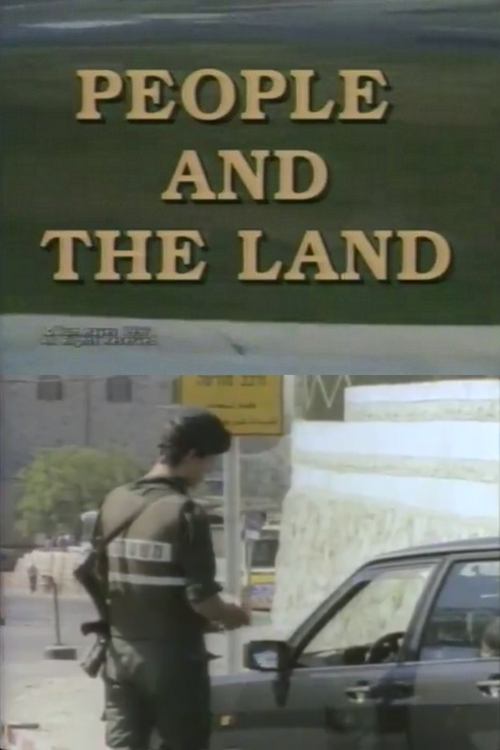
Tom Hayes airdrops viewers into the universe of an occupied people, unreeling images of a new form of apartheid based on ethnicity. Challenging U.S. foreign policy and the conventions of documentary, People and The Land examines the concrete realities of Israel’s conduct in the West Bank and Gaza, the level of U.S. support for that conduct through foreign aid, and the human cost of that aid in Palestine and the U.S.
People and the Land

Shot over a period of 25 years, Two Blue Lines examines the human and political situation of Palestinian people from the years prior to the creation of Israel to the present day. By primarily featuring the narratives of Israelis whose positions run counter to their country's official policy, filmmaker Tom Hayes provides a portrait of the ongoing conflict not often depicted in mainstream media.
Two Blue Lines

Refugee Road follows a Cambodian family from a refugee camp on the Thai/Cambodian border through their first year of resettlement in the United States. This occurred during the era of "The Killing Fields." The film is ultimately a celebration of the rich mosaic of American society.