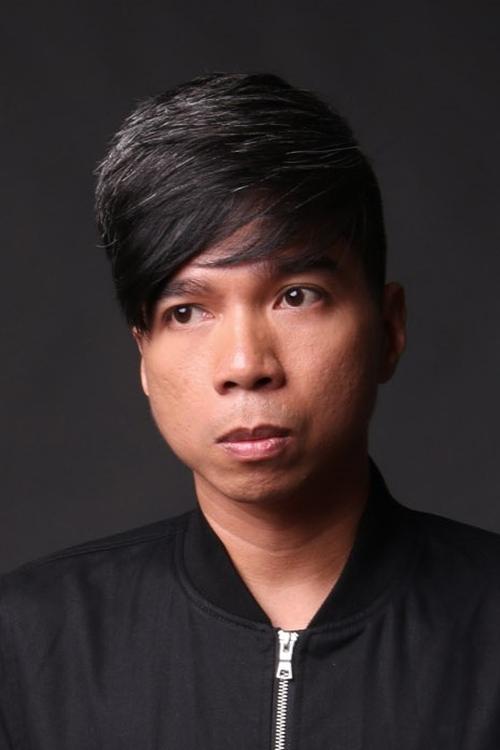
John Torres
Directing
Known For
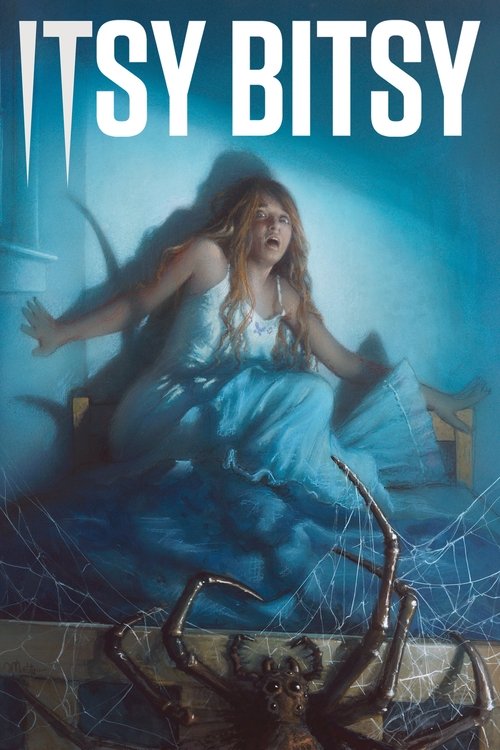
A family moves into a secluded mansion where they soon find themselves being targeted by an entity taking the form of a giant spider.
Itsy Bitsy

After a popular teen falls to her death, her best friend basks in the glow of the social media attention, while their rival seeks to avenge the past and uncover the truth behind the mysterious death.
The Rachels
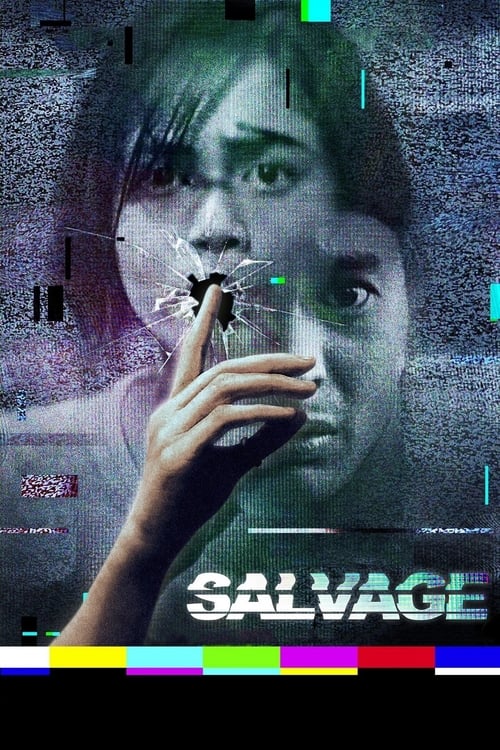
A news team investigating rumors of aswang killings in a remote barrio are attacked by a group of soldiers, forcing them to run for their lives in the deeps of the forest, where more mystery and danger lay in wait.
Salvage
A group of friends, sharing a passion for cinema, assemble in Corregidor, a small island in Manila Bay that has preserved relics from the Pacific War as its foremost attractions. There, they explore the island and retire in a rustic mansion used once to make silent films. Outside the city, the woods and sea become a meeting place for more movie personalities and it all becomes a celebration of what was left behind.
The Great Cinema Party
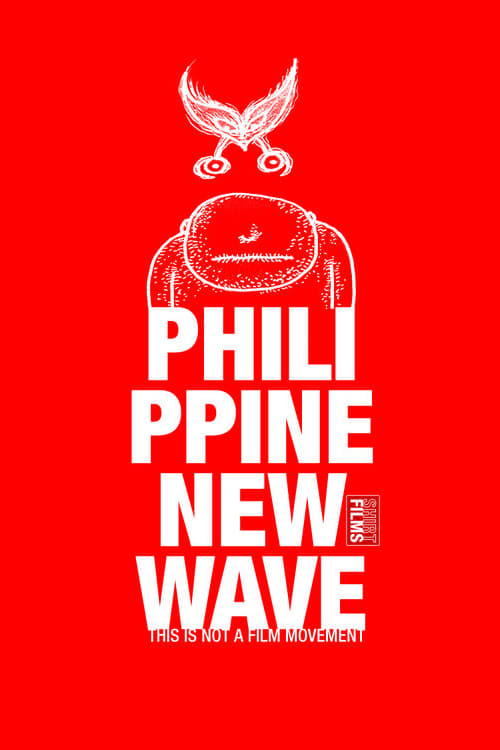
Documentary profiling the directors involved in the loose Philippine New Wave filmmaking movement.
Philippine New Wave: This Is Not a Film Movement
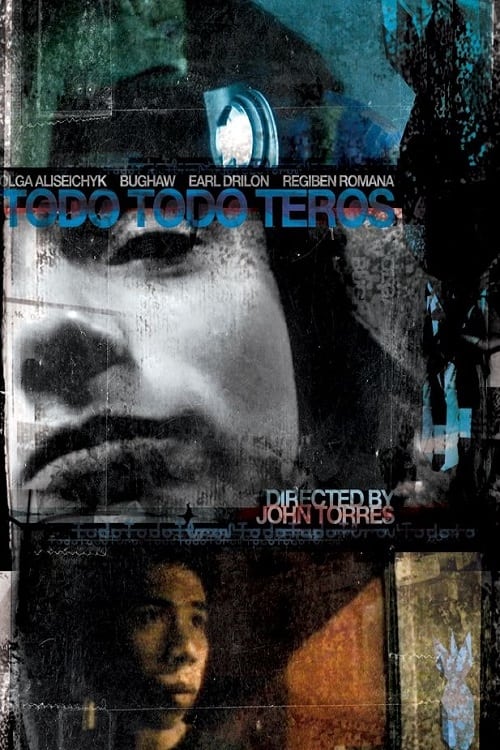
Basically an artist is also a terrorist, the protagonist thinks in an unguarded moment. And if he is a terrorist after all, then he might just as well be one. Not an instant product, but an experimental feature in which diary material is brought together to form an intriguing puzzle.
Todo Todo Teros
A couple wakes up and talks about a dream.
We Don't Care About Democracy. This Is What We Want: Love, Hope and Its Many Faces
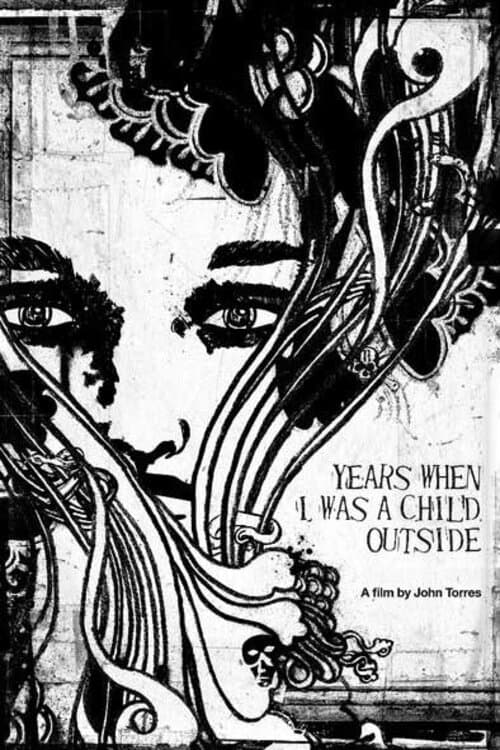
Filmmaker John Torres describes his childhood and discusses his father's infidelities.
Years When I Was a Child Outside
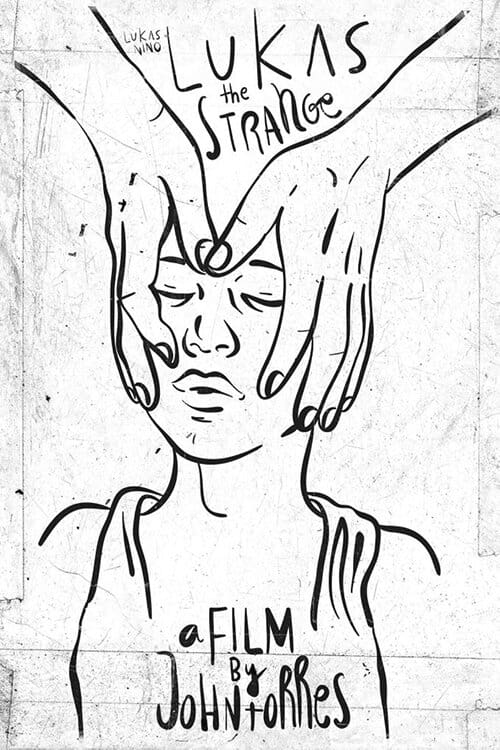
A small town in the Philippines is turned upside down by the arrival of a film crew that has everyone excited. Meanwhile, 13-year-old Lukas finds his own world overturned when he is told that his father is a tikbalang (half horse, half man). His father’s disappearance leaves Lukas to try to unravel the mystery of his own heritage and his own nature.
Lukas the Strange
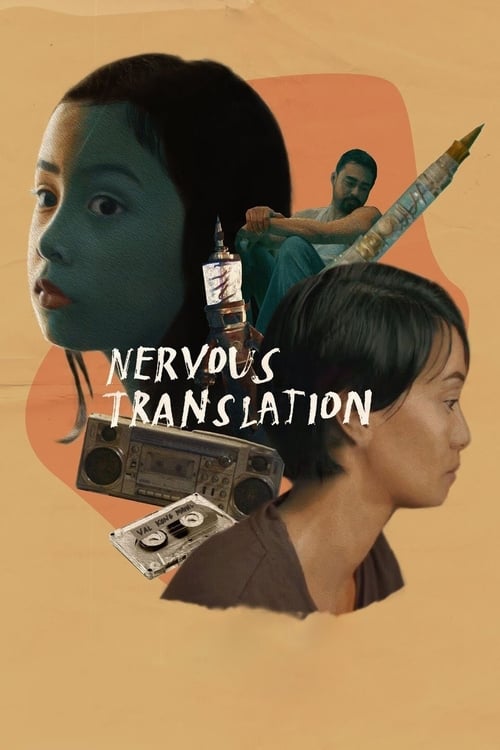
Eight year-old Yael, shy to a fault, lives in her own private world. One day she finds out about a pen that can "translate" the thoughts and feelings of nervous people.
Nervous Translation
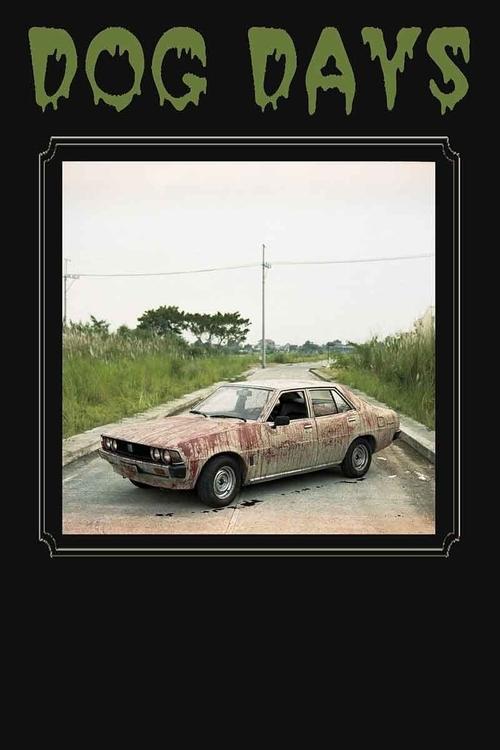
A half-black half-Filipino Michael Jordan wanna-be sets his way towards his “hoop dreams.”
Dog Days
An examination of poverty and violence and the influence it has on two boys who live in a slum.
Sewer
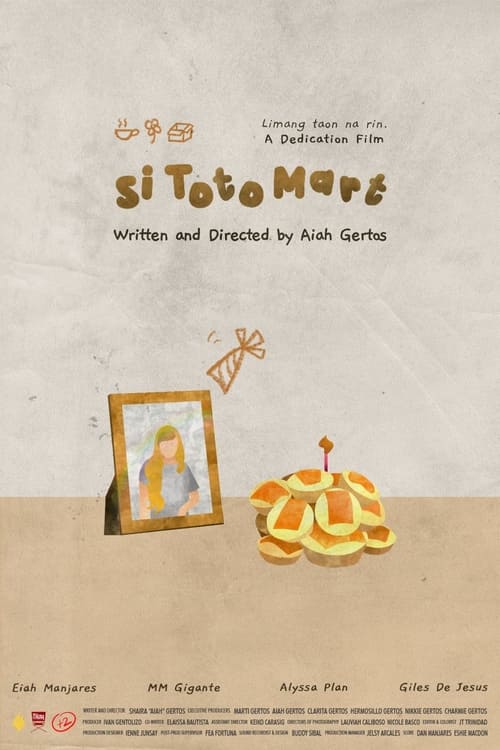
Five years after their late brother's death, three siblings reunite in their hometown to celebrate her birthday with their 7-year-old niece who no longer remembers her existence.
Si Toto Mart
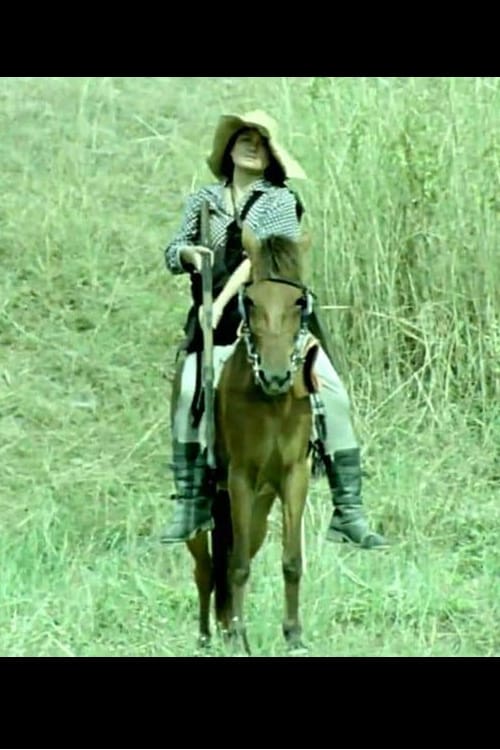
Tuding sets out on a journey to a distant town to track down the man who got her youngest sister pregnant, and she’s not going home without him. A pancit western set in the late-1940s.
Shotgun Tuding
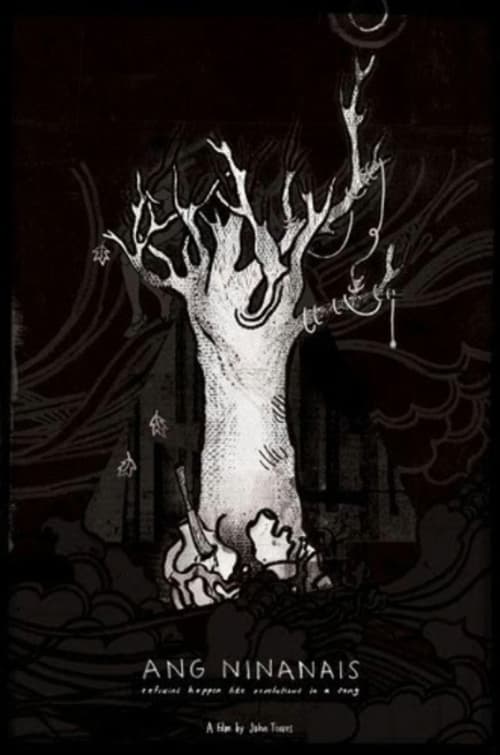
Sarah is a debt collector who lives among the inhabitants of the village of Guimbal on the island of Panay. She wants to find the young man who appeared to her in a dream and goes to the island of Negros. Here, as she interacts with the inhabitants, Sarah continues her search, gathering memories of life and war, dreams, myths, legends, songs and stories that she takes part in and at times revolve around her. She is the daughter of an ancient mermaid, a revolutionary, a primordial element, a virgin who was kidnapped and hidden away from the sunlight. “The film is a retelling of fragments of the American occupation. Dialogue, shot in the Hiligaynon language, is not translated but used as a tonal guide and a tool for narration. Using unscripted scenes shot where the main character was asked to merely interact with the villagers, I discard dialogue and draw meaning from peoples’ faces, voices, and actions, weaving an entirely different story through the use of subtitles and inter-titles.”
Refrains Happen Like Revolutions in a Song

John Torres repurposes documentary footage captured from the sets of various Filipino productions (including the likes of Lav Diaz and Erik Matti) into an eerie, elliptical sci-fi narrative about human avatars controlled by apps.
We Still Have to Close Our Eyes

The unfinished movie of the late Celso Ad Castillo now a Cinema One Originals documentary film.
People Power Bombshell: The Diary of Vietnam Rose
"Mapang-akit" is an offshoot of a documentary project made with an Icelandic filmmaker and uses the outtakes from the Hudas Hudas festival in Antique, where a community bonds over a large effigy of Judas Iscariot during Holy Week. Amidst it is a found story of a man who returns home to his death after pursuing a woman in a neighboring village.
Mapang-Akit
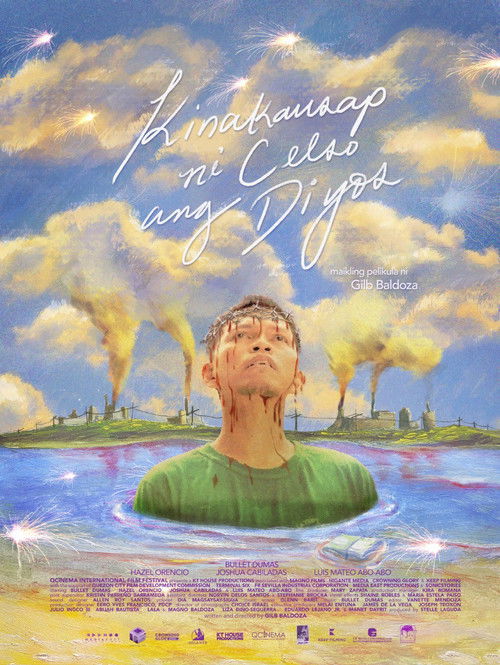
After discovering a hidden clause in his work insurance, CELSO, a factory worker, goes extreme and faces a life-altering decision, challenging reality to secure his family's future.
What Did the Sky Tell You, Celso?
A touching ode to Leonardo de la Cruz, the filmmaker's late father, who died earlier this year of lung cancer at the age of 65, the film is a personal meditation of sorts. It is at once dark, yet not unrelieved by poetry on the mysteries of life, existence and mortality.