Writing
No description available.
French current affair show
La Case du Siècle is a French television program launched in 2010 and broadcast on France 5. Hosted by Fabrice d'Almeida, it airs documentaries every Sunday that aim to shed light on the history of the 20th century, both in France and around the world. Through these documentaries, viewers can deepen their knowledge of a specific subject or simply discover a particular era. *La Case du siècle* offers an in-depth look at the events that changed the course of history.
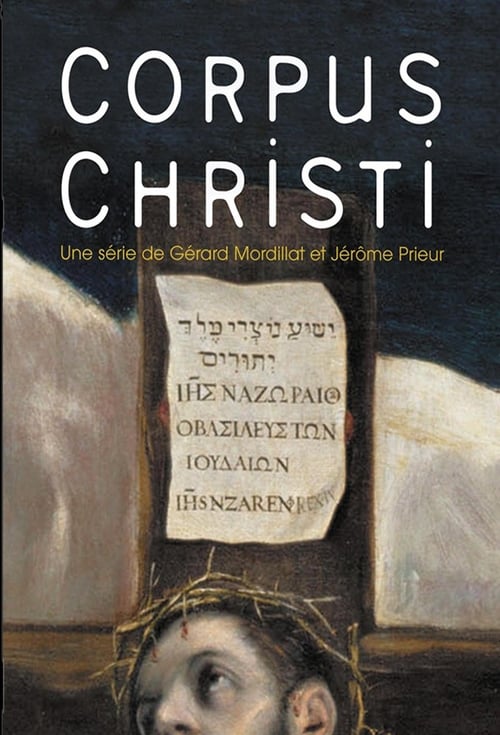
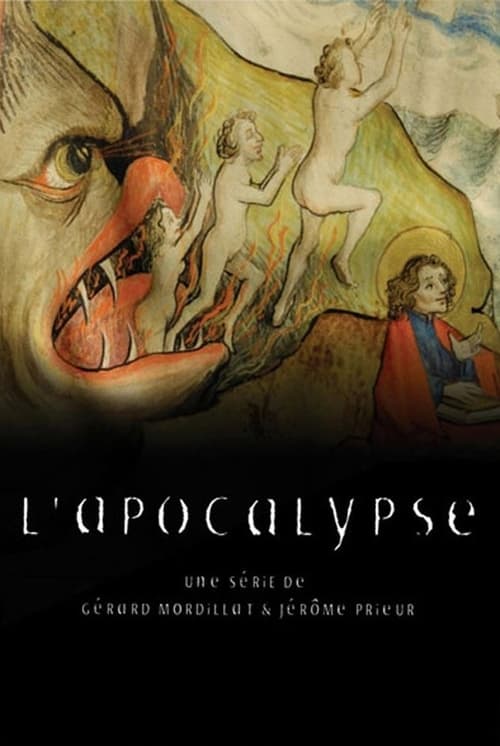
Jesus of Nazareth, the founding figure of Christianity, is also an exceptional character in the Koran. Why? In what way? A deep investigation around the world exploring the rise of Islam during the time of prophet Muhammad.
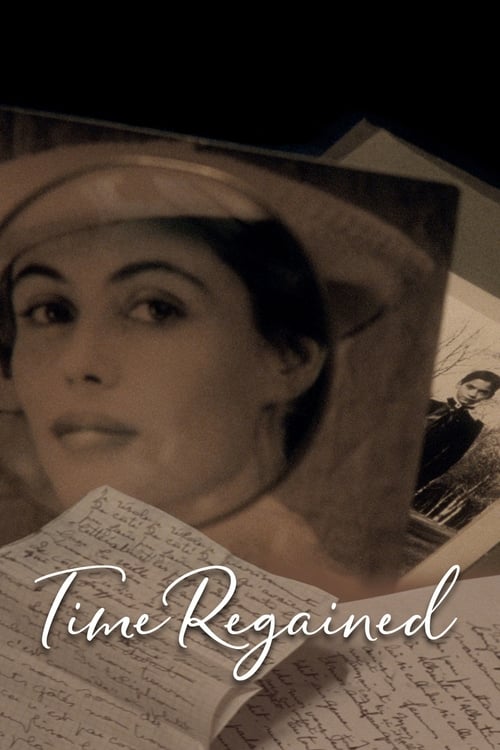
In early 1920s France, an author, lying on his deathbed, looks at various photographs and is flooded with memories of the people and events that have shaped his life.
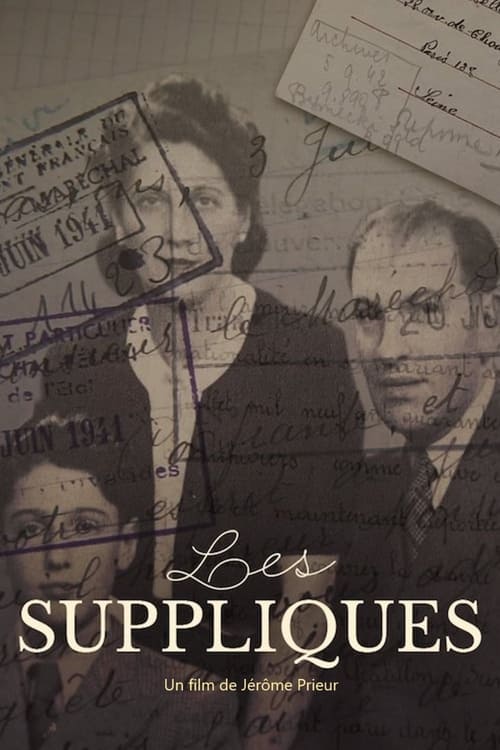
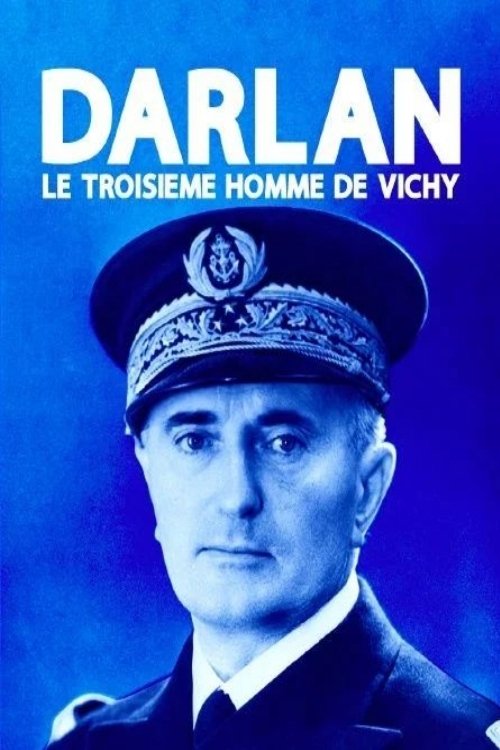
Since the defeat, the Nazis, who were the masters of the occupied zone, and the French State, which had been ruling the so-called free zone since Vichy, ordered the Jews to take a census. From the spring of 1941, whether they had been French for several generations or naturalized for a few years, foreigners who had taken refuge in France or stateless people who had been driven out of their country, they were put on file, arrested or threatened at any time. Some wrote to the administration, or directly to Marshal Pétain, who seemed to them to be the last resort. These requests are called Suppliques. Men, women, sometimes children, tried as best they could, by all means, to loosen the trap. They address themselves to their executioners, but they do not know it.
Marcel Proust passes away on the 18th November 1922 at the age of 51. At his funeral dukes, duchesses, princes, princesses, and young avant-garde poets take part to his cortège. "Proust vivant" follows the footsteps of that peculiar individual, trying to unravel the life an individual whose reason for living was writing.
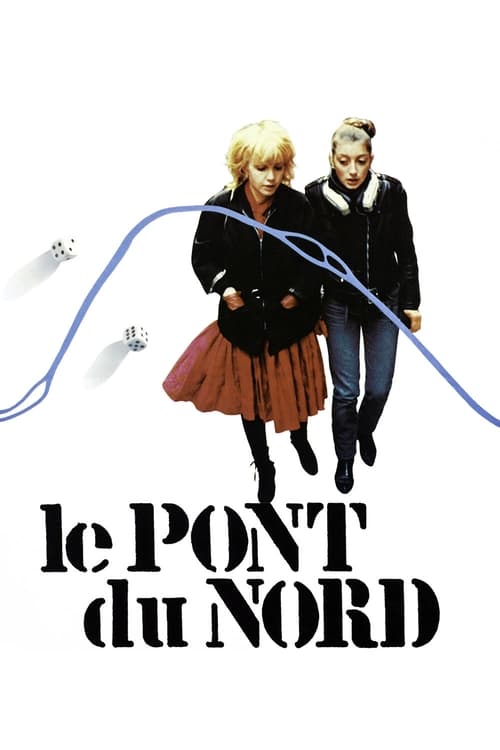
Marie is just out from prison when she runs into Baptiste, a young paranoid needing companionship. In their pursuit of a mysterious briefcase carried by Marie's former lover, they roam the street of Paris, transformed into a giant board game, a maze spotted with mysterious traps, puzzling clues, and chance encounters. Maybe they are bricks in some sinister scheme, maybe they are playing a board game, maybe it's a fairy tale, maybe it's yet something else...
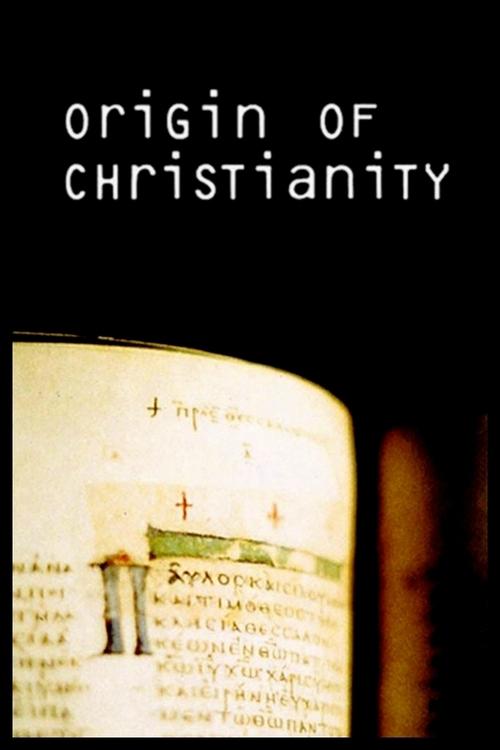
The epic story of the emergence of Christianity in just over a century, from the death of Jesus of Nazareth, around the year 30, to the moment when the leaders and followers of the new faith, already scattered throughout the eastern Mediterranean, from Jerusalem to Rome, are definitely moving away from Judaism, around the year 150.
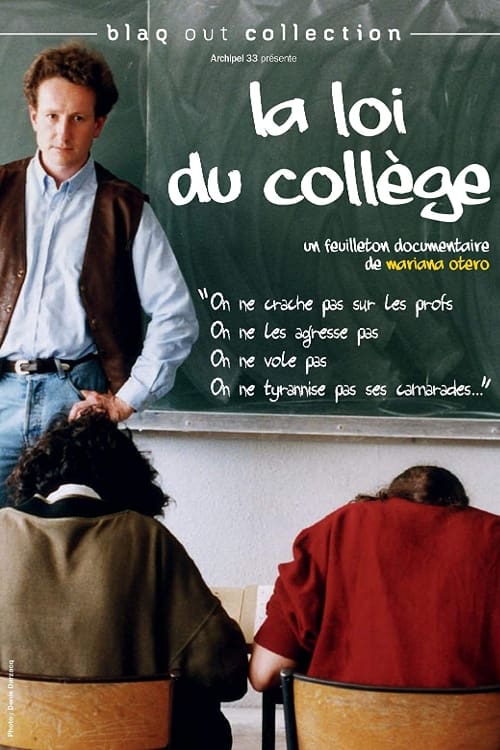
In this documentary, director Mariana Otero looks at the daily life of a college in the "difficult" commune of Saint-Denis in the suburbs of Paris.
Summer 1936 - The Berlin Olympics, organized by the Nazi regime on the eve of World War II, acted as a grand showcase for a Germany that was athletic, peaceful and rejuvenated. The violence and hate that until then had reigned in the streets of Berlin suddenly vanished. Adolf Hitler became the triumphant host of European countries he would soon try to invade or face in a deadly global conflict.
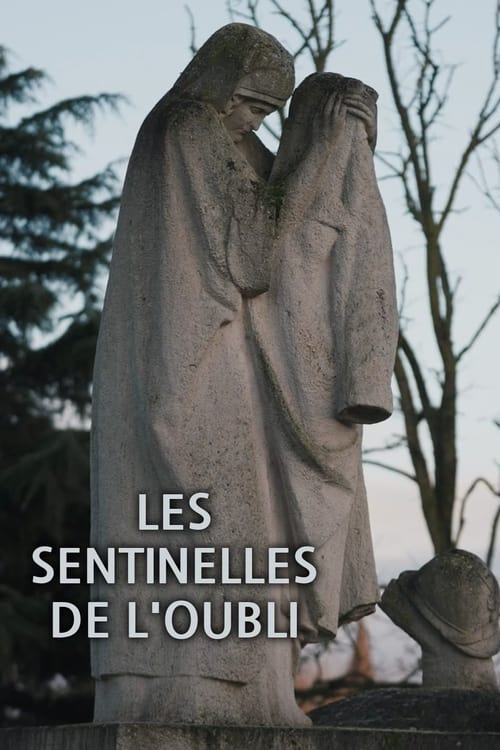
The war memorials of 1914-1918 have become so familiar that we no longer see them. They've become an invisible museum, blending into the landscape of France. Then, one fine day, a sculpture catches our eye. Another History appears, perhaps the most gigantic artistic project since the cathedrals...
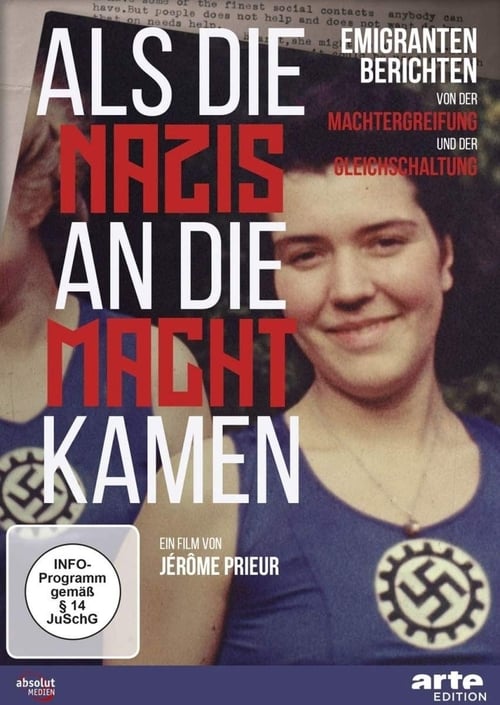
These are the stories of those who lived through Hitler's Germany. They are the lucky who survived to tell their stories, whether they were persecuted Jews or the Reich's harassed opeposition. Told only with archival documents, this series is a deeply moving account of Germany and the Third Reich through the eyes of the oppressed, as they watched their country as it was crushed by dictatorship.
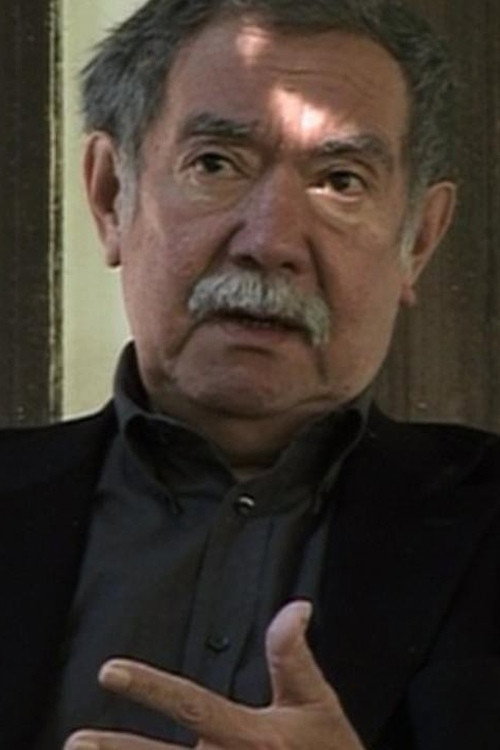
Raul Ruiz relates how he got out of Chile after Pinochet’s coup d’état and how he began making movies in Europe.
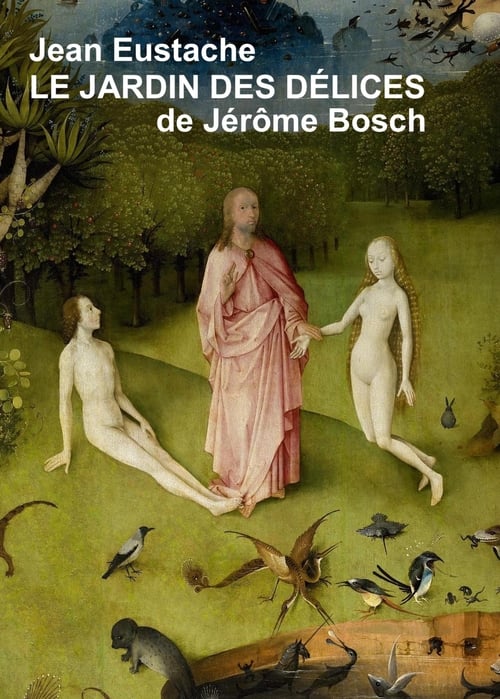
Filmed by Jean Eustache for the television program, Les Enthousiastes, Hieronymus Bosch's Garden of Delights presents a series of unstructured observations, free associations, and interpretations on the third panel of Bosch's well-known oil on wood triptych.
This documentary situates the start of filmhistory a century before the Lumières. Without Robertson, Reynaud, Plateau, Muybridge and Marey: would there be cinema ? The pioneers of optical toys and photographic studies of movement are given their due in this playful media-archeological essay.