Alessandro Gagliardo
Directing
Known For

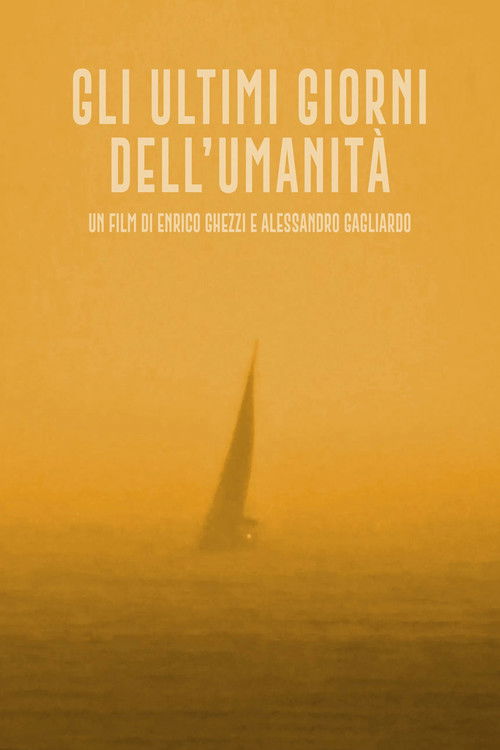
The panorama of human affairs encounters the “man with a movie camera”. His playground has no boundaries, his curiosity no limits. Characters, situations and places pitch camp in the life of a humanity that is at once the viewer and the thing viewed. But what are the last days of this humanity? Have they already passed? Are they now or still to come?
The Last Days of Humanity

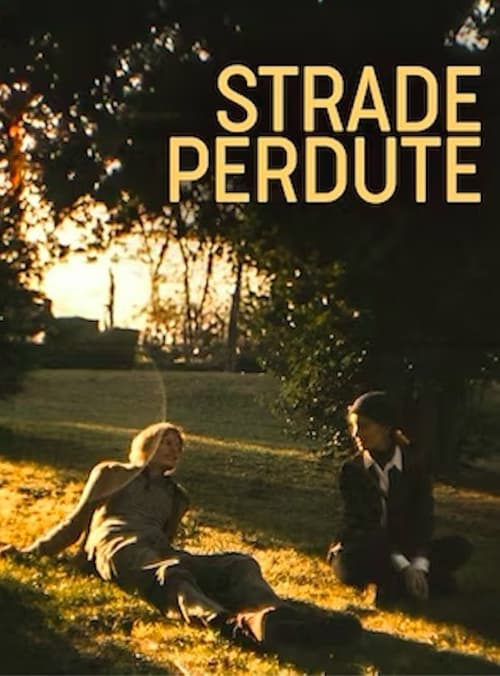
For Filmmaker Film Festival (2023), Fulvio Baglivi and Cristina Piccino asked some filmmakers (R. Beckermann, J. Bressane, D’Anolfi/Parenti, T. De Bernardi, L. Di Costanzo, A. Fasulo, F. Ferraro, M. Frammartino, S. George, ghezzi/Gagliardo, C. Hintermann, G. Maderna, A. Momo, A. Rossetto, M. Santini, C. Simon, S. Savona) to give us their own "lost road," that is, a sequence, scene or piece of editing that did not later find its way into the final version of one of their works. Each fragment has its own accomplished presence, often has a different title from the film it was made for, which is not necessary to have seen in order to find meaning; on the contrary, those who set out thinking they know the world they are walking through will find themselves displaced.
Strade perdute - Filmmaker 23
No description available.
Sacramento

In the hills at the foot of Mount Etna, three people plan an attack on an undefined institutional centre in Sicily. Their aim: to make the island independent of Italy. A local functionary, with the same ideas in mind, is delighted by this news and organises a meeting. In the meantime, an unfortunate traveling salesman becomes involved in all of this. But the story has a surprising ending.
Tecnacria

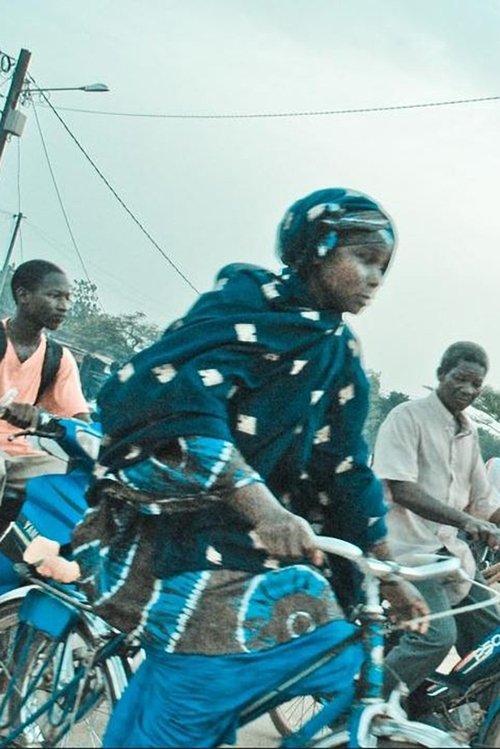
Même père même mère is the subjective fresco of an African state, it’s an existential research that moves from the conjunction of cinema as movement to travel as movement and vice-versa.
Même père même mère (un film de voyage)

"Cinema is the first moment in which the world sees itself then we know it is fake, which is a trick [...]. It is a small system, mechanical, banal, simple, corruptible, but it is sufficient to produce a review of the world, we are never interested in doing without living, without loving, we are never interested in making this film for other reasons »
On ne saurait penser à rien
No description available.
Let's Fog! Ricerche, sperimentazioni e relazioni intorno a "Gli ultimi giorni dell'umanità"

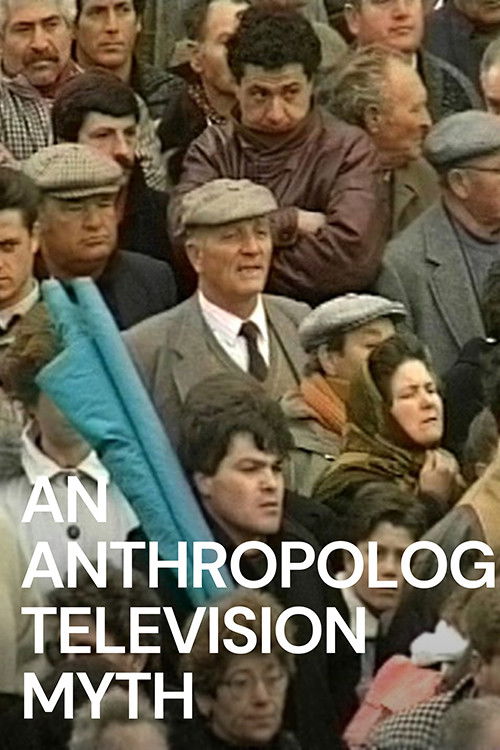
An Anthropological Television Myth is a gloriously jagged collage of fragments culled from an independent Sicilian TV station's output in the mid-90s – the period just before the 'Berlusconi era'. But whereas the Milanese media mogul's spells as president were notable for the cynical degradation of his nation's television output, with its bawdy game-shows earning much overseas derision, the small broadcaster showcased here evidently foregrounded and documented local grass-roots political shenanigans. With no commentary or captions, the film plunges us into a lively day-before-yesterday epoch when the authorities' battles with the Mafia produced an atmosphere akin to Civil War on the streets. Virtuouso editing knits together a dizzyingly wide range of sights and sounds that consistently fascinate and impress.
An Anthropological Television Myth

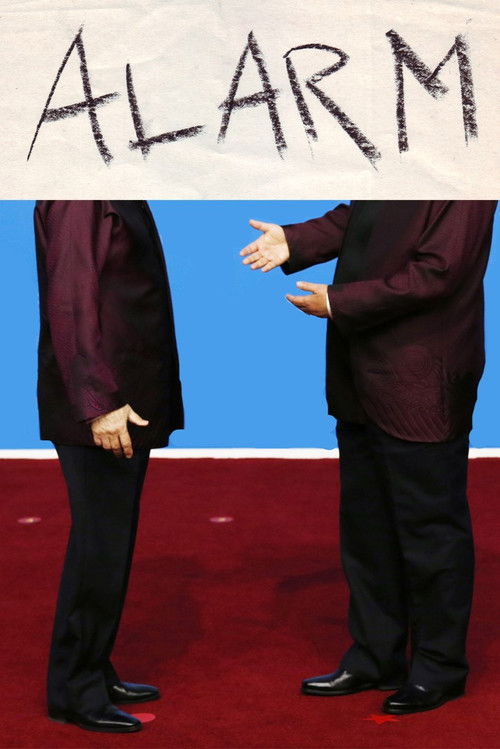
Notice to those present on the conditions of mutation of the world.
Alarm

An expressionist reflection on a country's future. The 'l'homme du 4 aout' is former President Sankara, the 'African Che Guevara' who changed the name of Upper Volta on 4 August 1984 to Burkina Faso. His Marxist mission failed, the country is still searching.