Directing
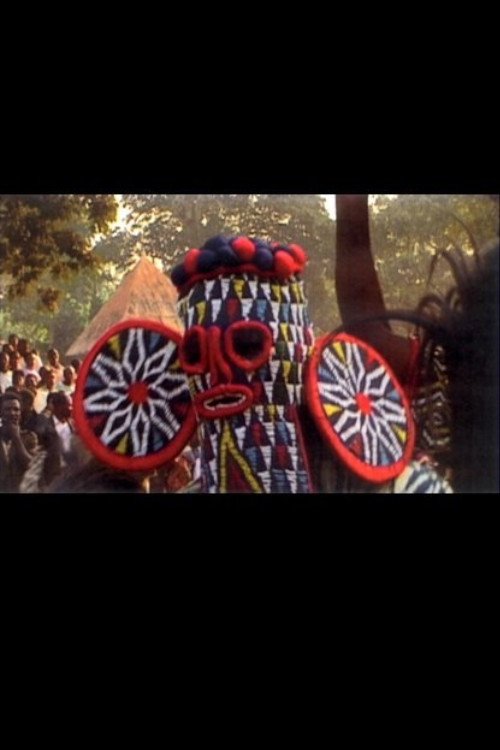
Si-Gueriki is the story of the confrontation of a young man with his history, his roots and culture.
In his film 'La tête dans les nuages' ('Head in the Clouds') Jean-Marie Teno criticizes the ills of the modern world and the regression of African societies. This short documentary shows the capital of the Cameroon, Yaondé, but might equally show other African cities: heaps of rubbish lie at the edge of streets, academics are out of work, officials unpaid, corruption is the norm, and misery everywhere. For Jean-Marie Teno 'colonization, civilization, independence, then humanitarian talk are merely excuses and theatrical gestures to ensure that Africa remains the place which foreign powers can exploit with a good conscience.'
Cameroonian filmmaker Jean-Marie Téno profiles a poor but lively neighborhood in the capital of Burkina Faso, where a cine club proprietor tries to include Burkinabe films among the action and Bollywood fare.
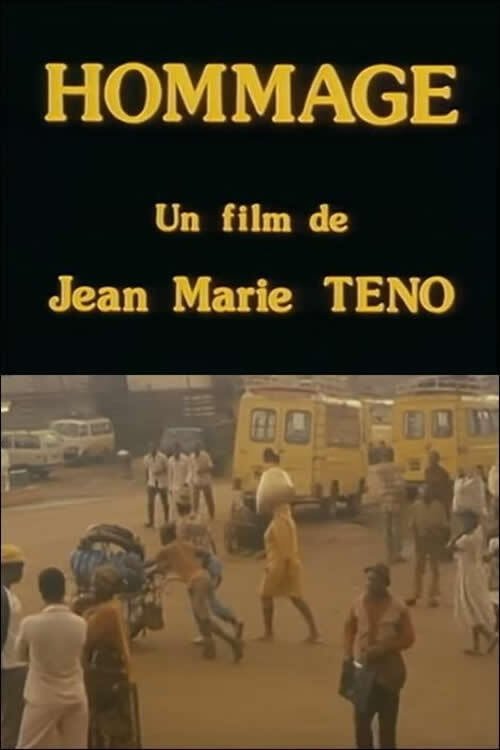
Filmmaker Jean-Marie Téno pays tribute to his late father.
Documentarian Jean-Marie Teno -- originally from Cameroon but now living in France -- explores the sad state of human rights in his native land as Cameroon struggles against political corruption towards something resembling democracy in Chef!. As the film opens, Teno examines a pro-government rally in Bandjourn where a young man was nearly killed by a mob for stealing chickens. As we look deeper into "justice" in Cameroon, we discover vigilante murder is commonplace; wife beating is tolerated by the law; freedom of the press does not exist; those who violate the many "laws" on the books are faced with inhuman prison conditions; and bribery is the most common method of dealing with the authorities. While activists continue to battle for justice and peace, Chef! makes clear that the road before them is long and steep.
The story of a young man who needs an uncooperative public servant's signature to enter college, Mister Foot is a light-hearted look at Cameroon's national obsession: soccer. During a period of social unrest in 1990, an informal truce was called so that fans on both sides could follow their national team, the Indomitable Lions, in the World Cup tournament.
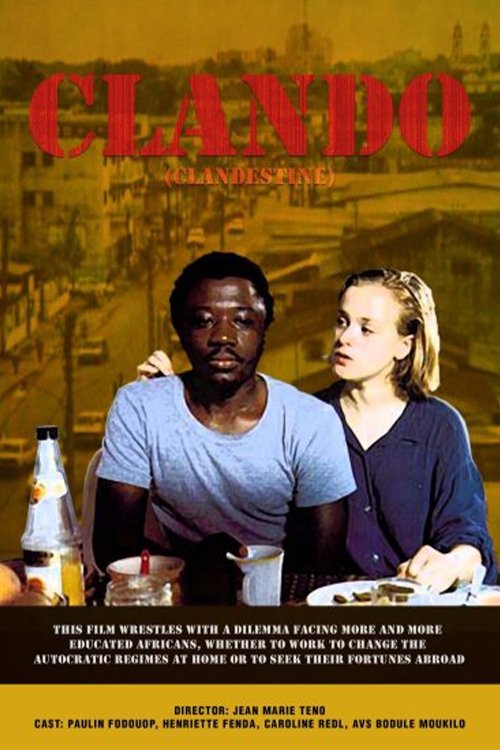
Proud and determined, the hunter set out, leaving behind his village ravaged by a terrible drought. All the villagers came out to wish him well, and everyone gave what he could: an egg, a handful of peanuts or a few kola nuts... As in the folktale, Sobgui, a former computer programmer who now drives a "clando" cab in Douala, flees to Europe to escape a life in Cameroon which has become unbearable. In Cologne (Germany), Sobgui joins a community of African emigrants. Most are hard-working and ambitious people. Sobgui begins a love affair with Madeleine, a German political activist who encourages Sobgui and his friends to return home and fight for change.
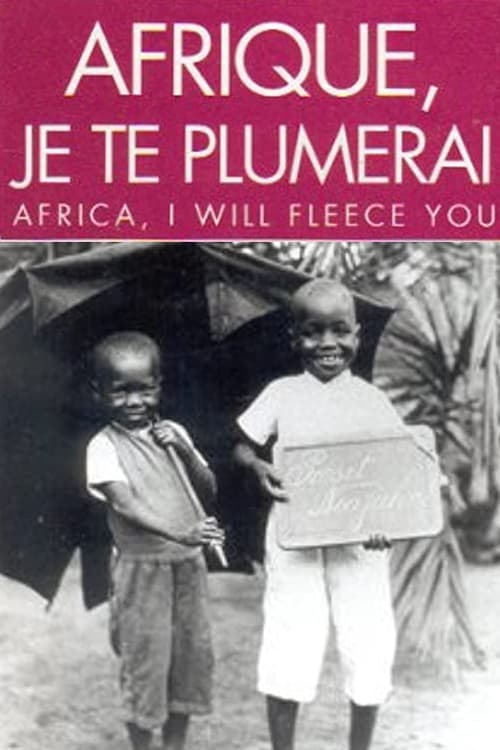
This documentary of repressive political realities in Cameroon begins with the 1990 publication of an open letter to President Biya calling for a national conference - and the immediate arrest of the letter's author and publisher. The narration then examines the nation's colonial history, beginning with the first German missionary in 1901, the establishment of schools, French occupation following World War I, the paucity of books written by and published by Cameroonians, and the repression of the CPU, a leftist organization of the 1950s and 1960s. Cameroon and its people are the lark, its feathers plucked first by colonialism and then by native strongmen: 'Alouette, je te plumerai.'
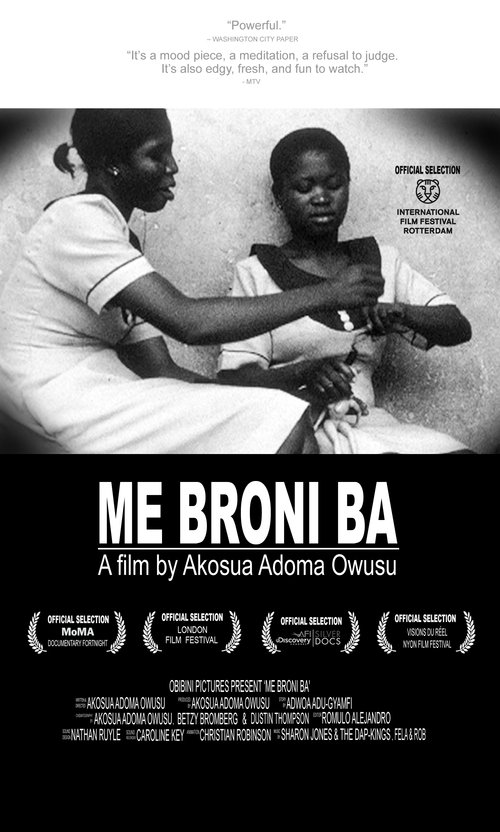
Me Broni Ba is a lyrical portrait of hair salons in Kumasi, Ghana. The tangled legacy of European colonialism in Africa is evoked through images of women practicing hair braiding on discarded white baby dolls from the West. The film unfolds through a series of vignettes, set against a child's story of migrating from Ghana to the United States. The film uncovers the meaning behind the Akan term of endearment, me broni ba, which means “my white baby.”
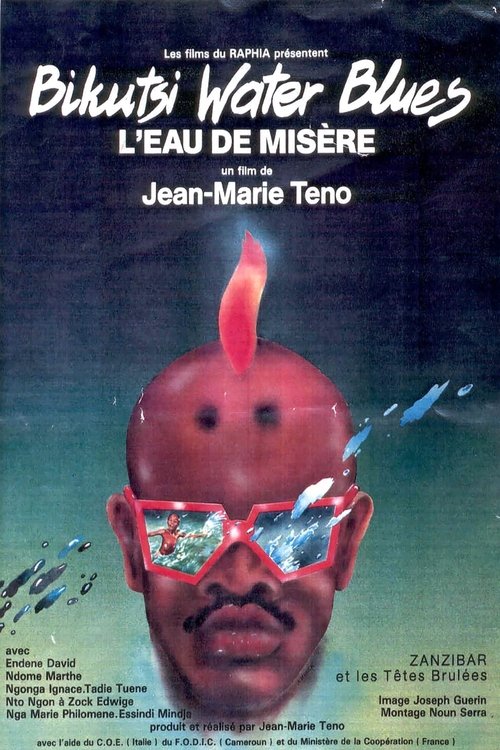
Before starring in their own concert film "Man No Run by Claire Denis", the legendary bikutsi rock group Les Têtes Brulées appeared as one of several unconventional guests at a school in Cameroon determined to fight for drinkable water in this docu-fiction hybrid.
Chronicle of a rather particular afternoon during which the lives of three people change dramatically: Alex, the husband, goes to his in-laws' to bring home his second wife. Elise, Alex's childhood sweetheart and first wife, accompanies him--as she must, according to tradition. And Josephine, the young bride, leaves her parents to begin a new life.
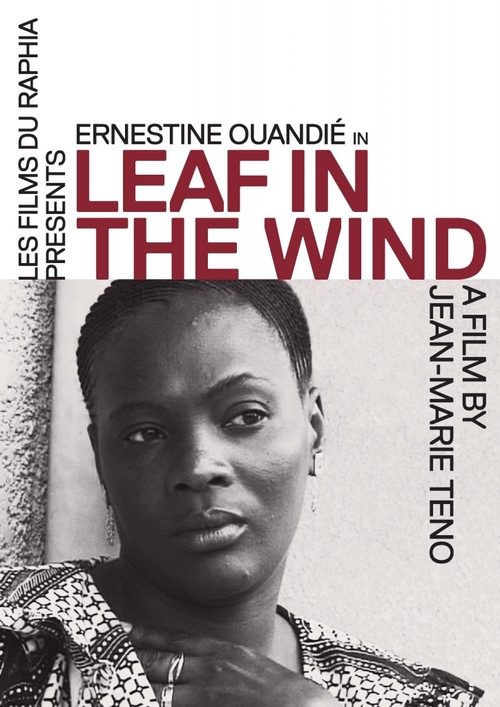
Reflecting on the perpetuation of history's traumas, Jean-Marie Teno's latest film continues his ongoing project of documenting the impact of colonial and postcolonial politics on the lives of the people in his native Cameroon. Leaf in the Wind is both a reclaiming of forgotten chapters of Cameroonian history and a foray into the personal stories and broken lives behind the history.
In The Colonial Misunderstanding Jean-Marie Teno sheds light on the complex and problematic relationship between colonization and European missionaries on the African continent. The film looks at Christian evangelism as the forerunner of European colonialism in Africa, indeed, as the ideological model for the relationship between North and South even today.
An anonymous grave between those of her parents, a dilapidated cinema hall within the Ministry of Arts and Culture—these are the remaining signs of Sita Bella’s presence on earth. Yet, she was the first female journalist, the first airline pilot in Cameroon, and one of Africa’s pioneering filmmakers. This film pays tribute to this exceptional woman.
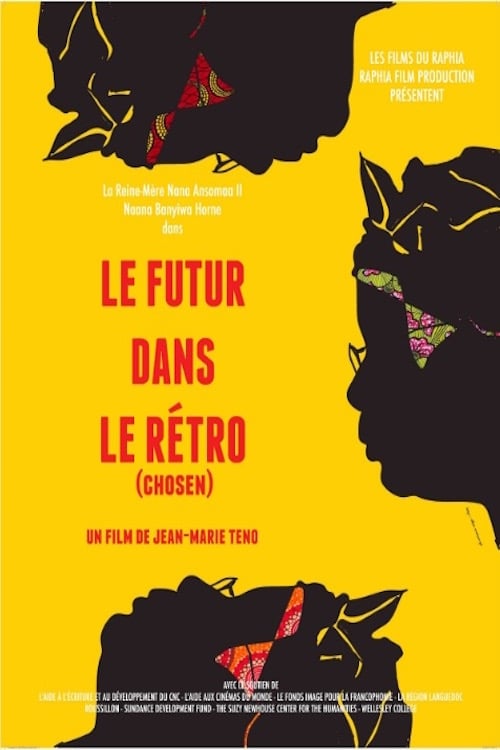
In July 2010, a university professor in the United States returns to Ghana, her country of origin, to be inducted as queen mother. The Future in Retro consists of a tangle of several stories, several journeys, several exiles, which reflect contemporary globalized society. The Future in Retro is a tale of motherhood, brotherhood, belonging to a group, and exile. It is also a tale of departure, disappearance, trauma, the attempt to return, and an existential quest.
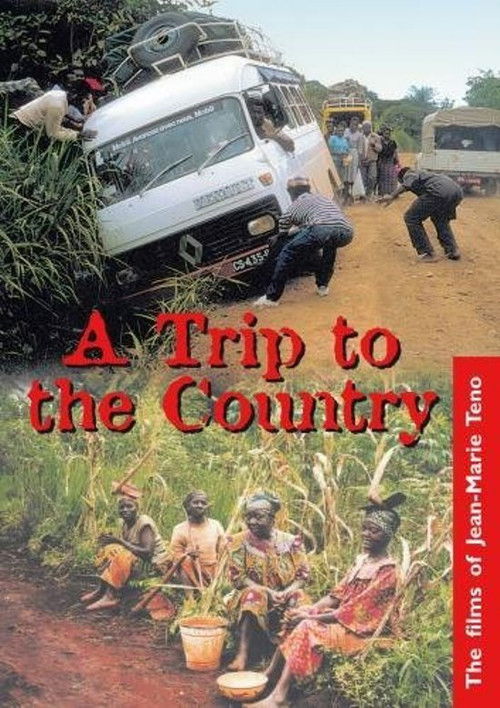
Cameroonian filmmaker Jean-Marie Teno directs this impassioned documentary about the slow crumbling of traditional morals and values caused by colonialism and globalization. The film traces Teno's journey from his base in France to Cameroon's capital Yaounde to his hometown of Mbieng. In the process, he captures images of corroding infrastructures and corrupt officials.