Jorge García
Editing
Known For
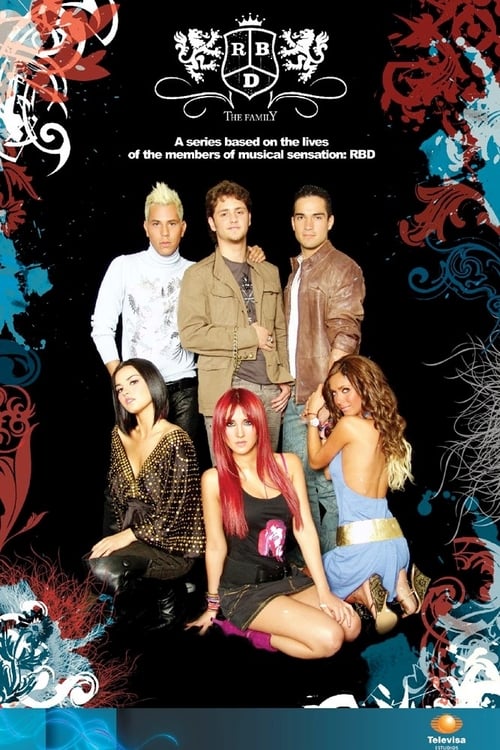
About the fictional lives of the Mexican group RBD.
RBD: The Family
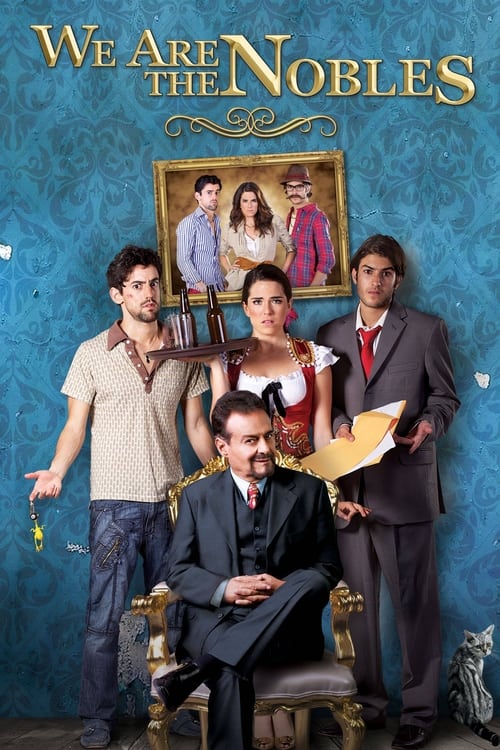
Tells the "riches to rags" story of the Nobles, three upper-class twenty-somethings that appear to have no limits to their checkbooks, and no direction in their lives. Until one day, their father tries to teach them a lesson by staging a financial scandal that forces the whole family to escape to an old house in the poor side of town, and leads the "kids" to do what they haven't done before: get jobs.
We Are the Nobles
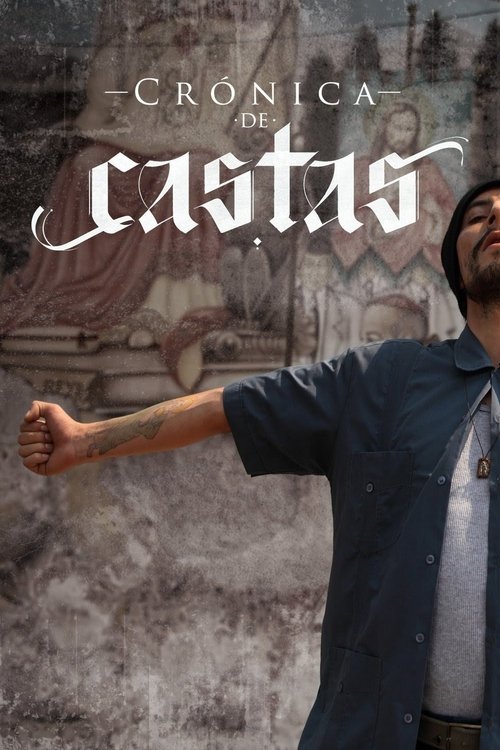
Dramatized series that shows a mosaic of stories, which run in parallel and sometimes intertwine, around Tepito and its identity as a neighborhood, revealing the social prejudices that manifest themselves in classism and racism, as part of a historical reality in Mexico.
Crónica de castas

A woman is determined to stop the wedding of her best friend, since she has been secretly in love with him.
My Best Friend's Wedding

In order to advance her career in the dynamic world of publicity in Mexico City, Raquel tries to reunite with her high school friend Cecy who has become the queen of social media. But unlike followers, friendships do not come instantly.
War of Likes

A governor wants to be president, but in order to reach his goal he needs to do what he hates most: being a politician.
A Beginner's Guide to the Presidency

Paula and Paulina, two young women who hate each other, magically swap bodies after a high school reunion.
Crazy for Change
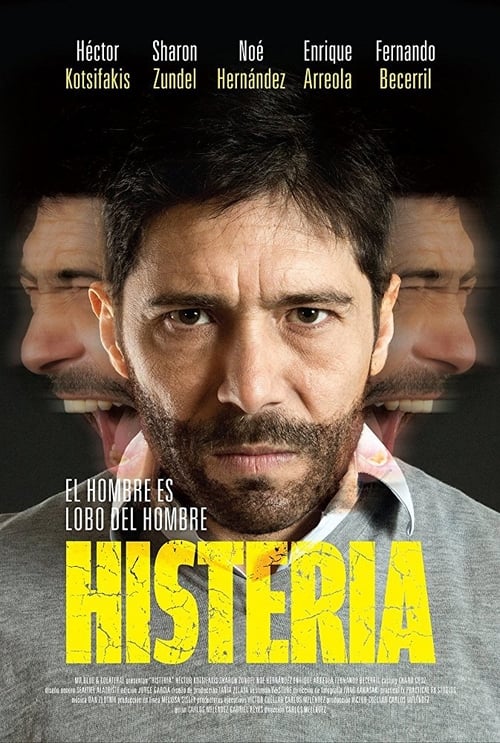
A shy and feeble architect is victim of a violent and abusing surrounding. The pressure builds up until he is pushed to the limit of his own humanity.
Hysteria

A crooked CEO is kidnapped and nobody cares enough to pay his ransom.
In The Country Where Nothing Happens
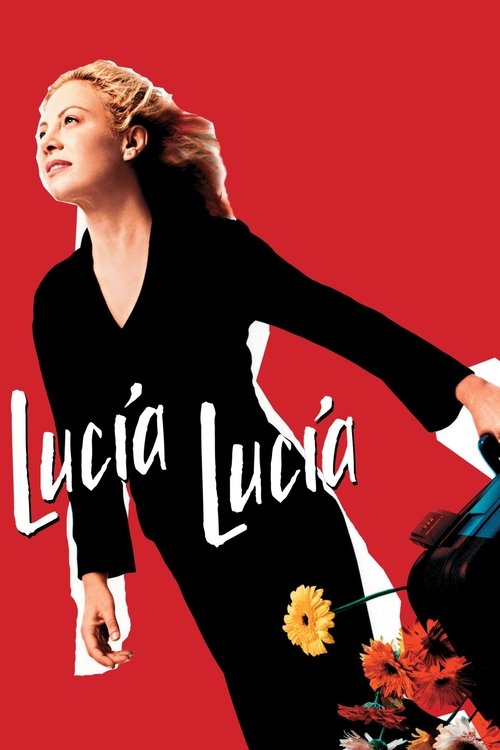
Lucia, an children's book author, tells the story of her husband's disappearance. One day on their way to Brazil he just disappears. She goes to the police, gets a ransom note, and makes friends with the old dude downstairs and the young dude upstairs as she tries to find him. Things take a bit of a twist as she realized the kidnapping may not be as simple as it seems on the surface.
Lucía, Lucía

A unique relationship between two women that transcends time and space.
Two Times You
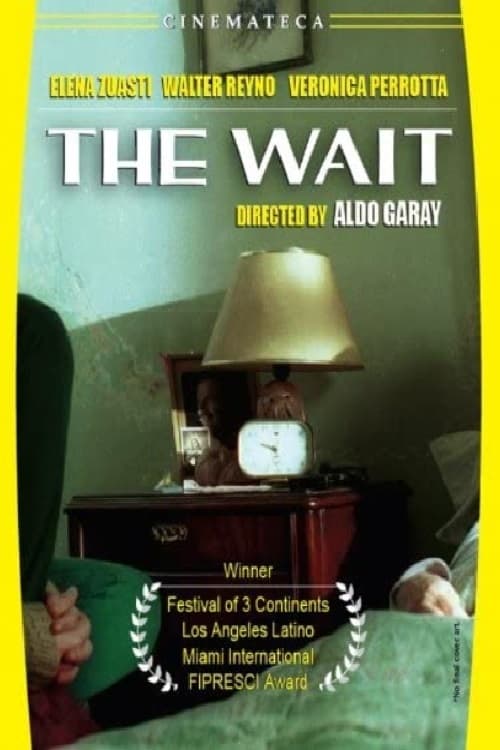
In Montevideo, Sonja cares for her invalid mother, works in a garment factory, and has little going for her. Her neighbor Modesto, an older man who lives alone, types anonymous letters to her. Her mother is difficult -- demanding and miserable, afraid of death. Sonja meets Ernesto, a nurseryman, and finally there may be some possibilities in her life. Does freedom beckon?
The Wait
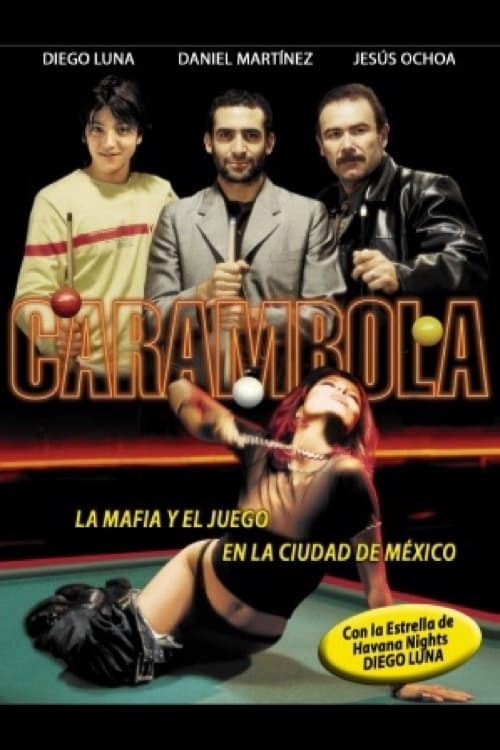
El Vago (Martinez) has recently won an old-fashioned billiards hall in a heated contest with the joint's former owner El Mexicano (Jesus Ochoa). The first order of business: El Vago enlists the aid of ambitious assistant El Perro (Luna) in shooting an instructional billiards video. Trouble soon begins to brew, however, as El Perro is repeatedly distracted from his camera duties by El Mexicano's sexy daughter La Pujara (Hidalgo). Increasingly aggressive in his attempts to transform the venerable gaming establishment into a techno-throbbing youth hot spot, El Perro later crosses the line when he uses his lens to shoot a pornographic video with willing exhibitionist La Pujara. As an impressive array of billiards champs descend upon the pool hall for a high profile tournament, El Mexicano comes into possession of the steamy sex tape and flies into a vengeful fury.
Carambola
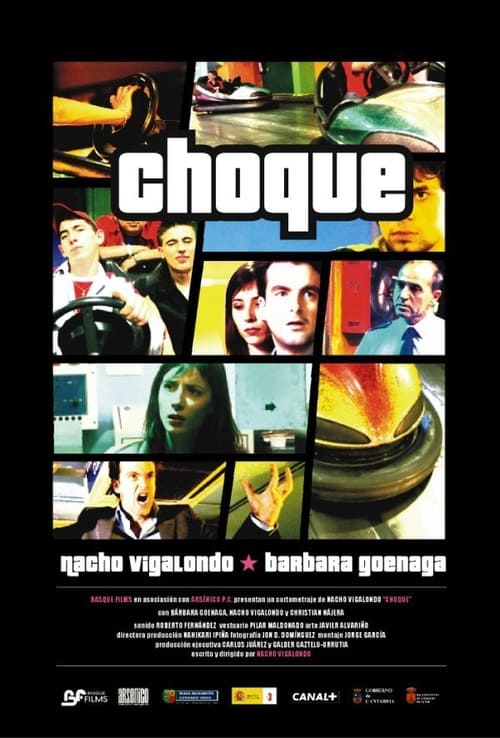
A couple discovers a bumper car floor. When there some youngsters appear, the man gets caught into a personal battle with himself.
Choque
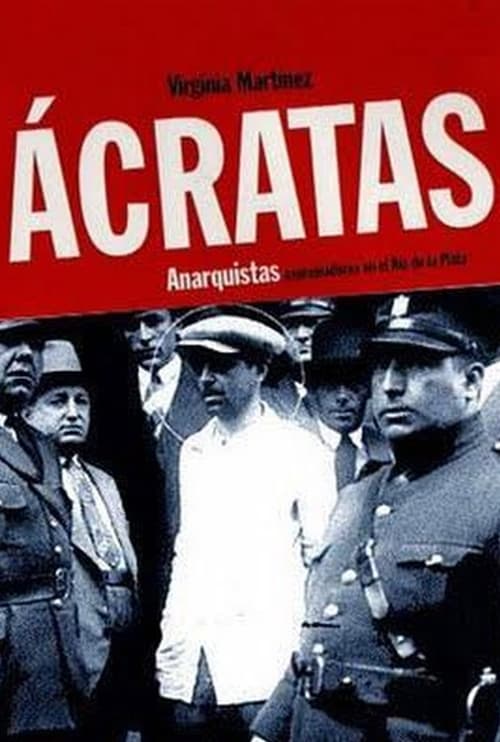
Armed based on photography, period films, archival materials and testimonies of survivors, family members and historians, the documentary accurately and exquisitely reconstructs the course of the “expropriating anarchists” in the Río de la Plata and specifically in Montevideo del First third of the 20th century.
Anarchists
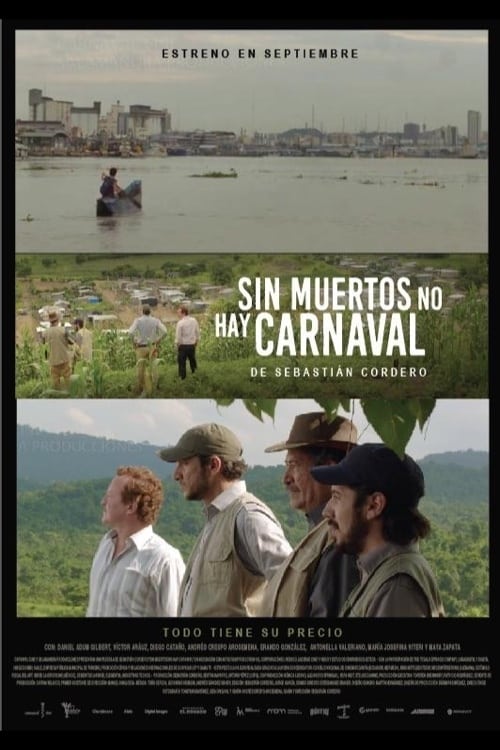
Two families dispute a land with a land dealer.
Such Is Life in the Tropics
No description available.
Me voy a escapar
No description available.
Casa
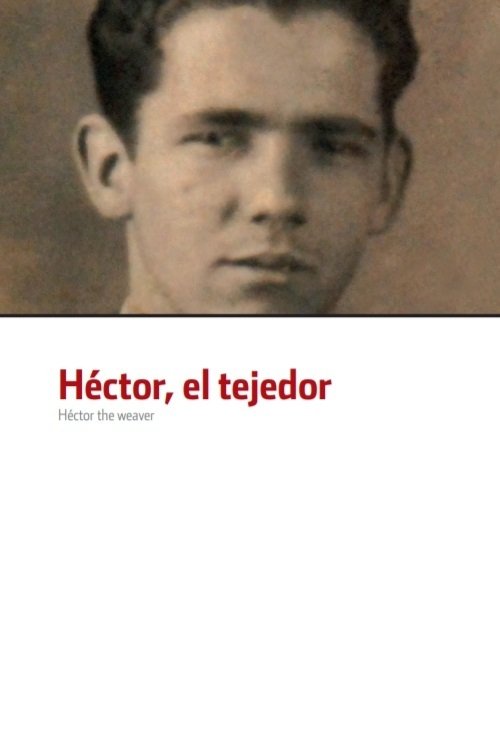
Héctor Rodríguez (1918-1996) was one of the outstanding figures in the people's movement in Uruguay. He was a textile worker and also a member of parliament for the Communist Party, and he was expelled from their ranks in the 1950s. He was a journalist, a militant activist and a political prisoner, and a key force in trade union unity and left wing politics in Uruguay. His life was bound up with some of the most important events in the history of this country after 1930. As well as Héctor's own testimony we have the voices of textile workers, intellectuals, union members and politicians, in a rich mixture of archive film and photographs.
Héctor the Weaver
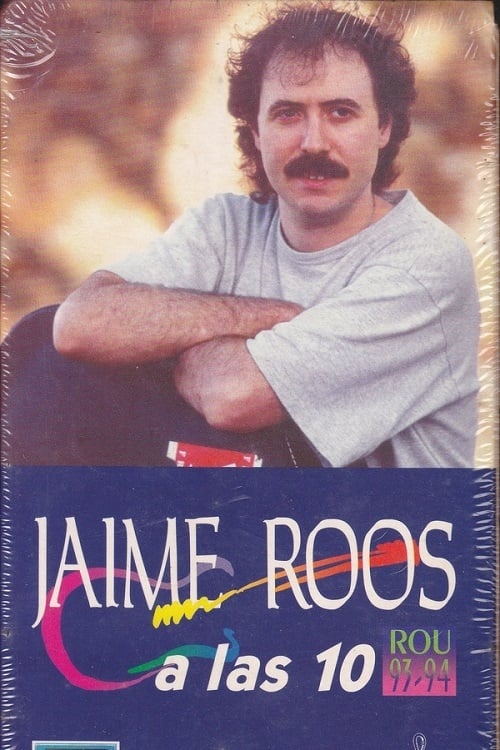
At ten o'clock on the night of 20 November 1993, in the Barrio Sur neighbourhood of Montevideo, Jaime Roos began the first of 42 concerts on a tour that lasted three months and included performances in all 19 departments of the country. In total some 300,000 saw him play. This documentary captures the essence of that unique tour and it is a crucial contribution to our understanding of Jaime Roos and his position in Uruguayan music towards the end of the 20th century.