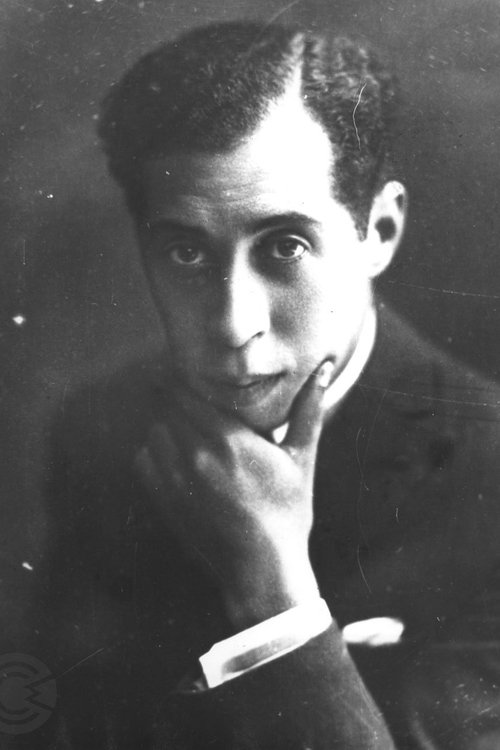
José A. Ferreyra
Directing
Biography
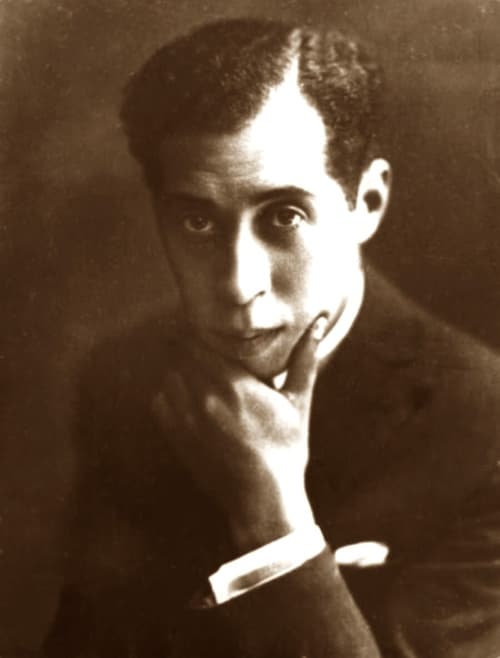
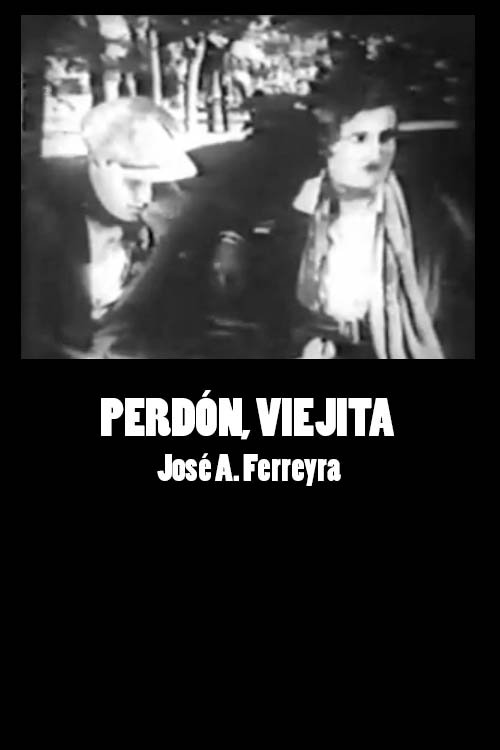
From Wikipedia, the free encyclopedia José Agustín Ferreyra, credited as José A. Ferreyra and popularly known as "Negro Ferreyra" was an early Argentine film director, screenwriter and film producer. He was also sometimes credited as production designer. Ferreyra began simultaneously directing and screenwriting for film in 1915, and moved on to success directing films such as Palomas rubias in 1920. His films tended to focus on lower-class family drama, most notably Perdón, viejita (1927), and were filmed on a low budget and with little to no script as a guide. Ferreyra prevailes through the 1920s and 1930s as a distinguished filmmaker of the masses, but was displaced in the late 1930s and early 1940s by big budget cinema. He directed over 40 films and wrote the scripts for the majority of them between 1915 and 1941, working with noted actors such as Libertad Lamarque and Mario Soffici on his screen debut, before moving on to directing. He died on 29 January 1943 from throat cancer.
Known For

While studying at a Catholic boarding school, the young Luisa meets a boy, Julio, who talks to her from the street and through the gate. However, the girl's arrogant older brother removes her from the establishment and takes her to live in her family house. The beginning of love between Luisa and Julio is made even more difficult by what seems to be the beginning of a disease in her.
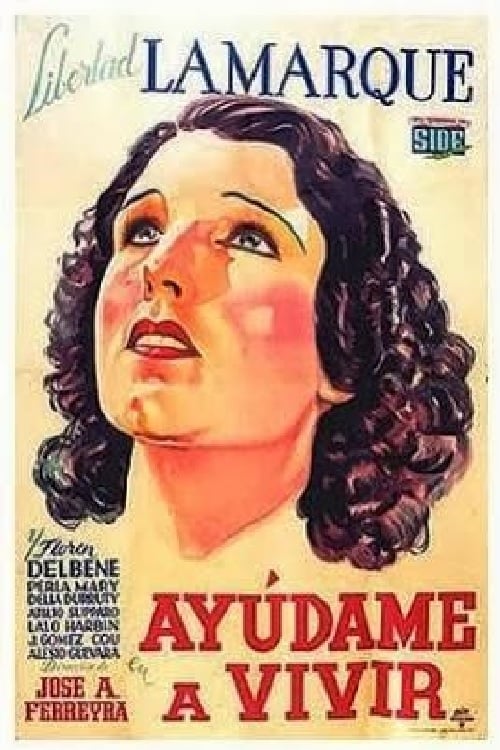
Ayúdame a vivir

A poor girl falls in love with a young rich boy who is the son of her boss.
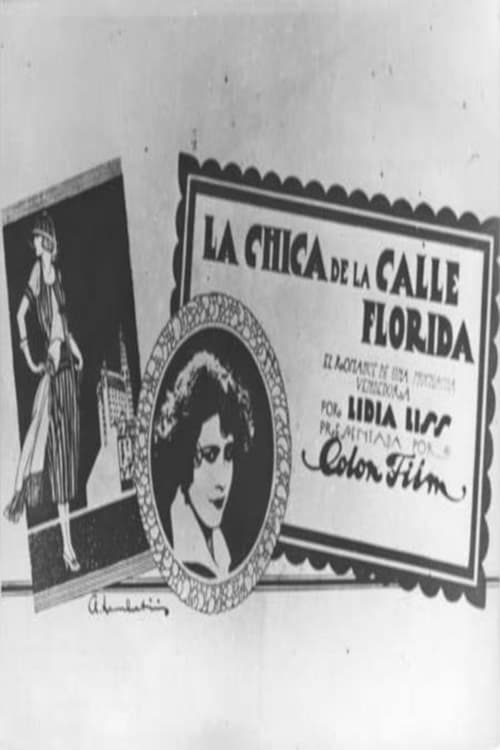
La chica de la calle Florida

A singer is kidnapped by a rancher and her boyfriend comes to rescue her.
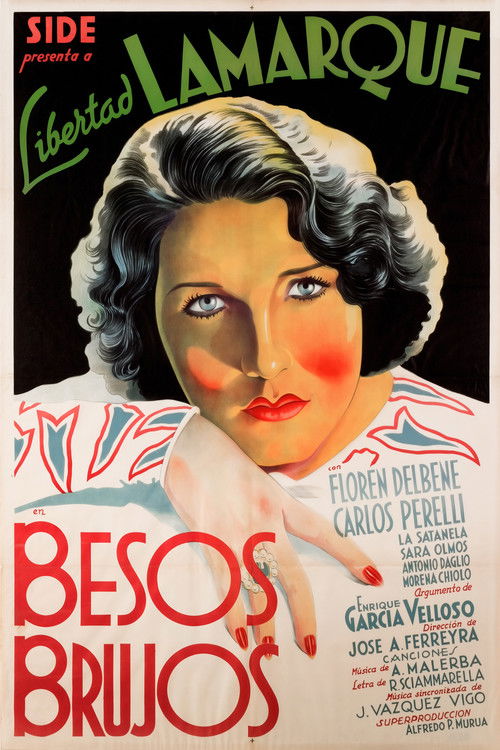
Bewitching Kisses

Rich man's daughter throws over her nerdy boyfriend when she gets a taste of the real thing from one of her daddy's construction workers. Meanwhile, there's a crooked labor contractor posing as an agitator and trying to provoke a strike.
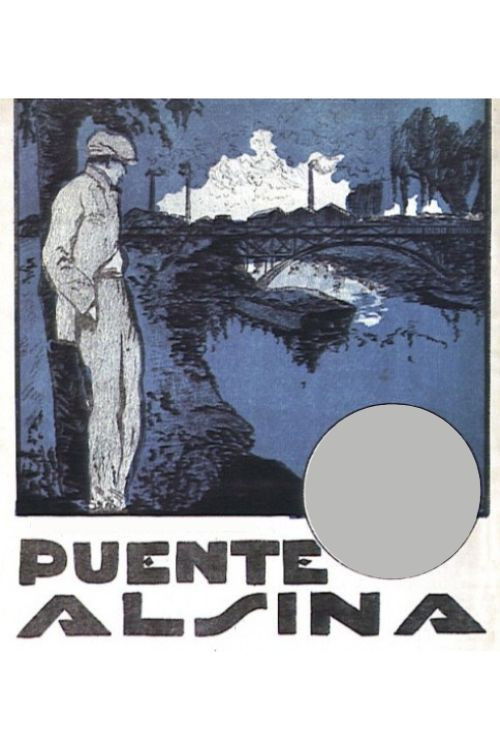
Puente Alsina
A 1923 film.
Melenita de oro
A 1924 film.
Odio serrano

A poor fellow is dominated by his wife who is unfaitful.
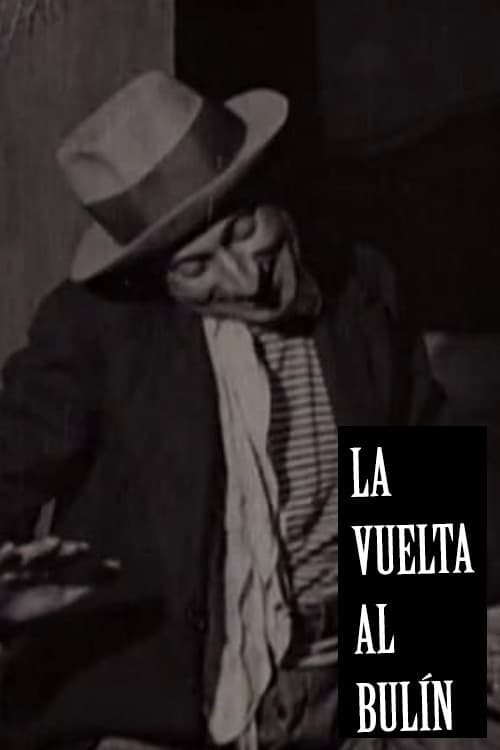
The Return to the Crash Pad
A love triangle between a woman, a rancher and a countryman.
The Gaucho's Song

A young painter who frequents the poor neighborhoods looking for motifs for his works becomes the lover of a prostitute-singer.
La muchacha del arrabal
Inspired by the tango "De vuelta al pago", by the pianist Armando Chimenti.
De vuelta al pago
A girl from the suburbs is seduced by worldly life while another accepts her condition and conquers the love of a singer.
Calles de Buenos Aires

The birds in question are a group of young ladies who, for different reasons, leave the convent where they grew up in order to face "the struggle of life".
Pájaros sin nido
A 1922 film.
Buenos Aires, ciudad de ensueño
Attempt to be the first Argentine feature film with sound recorded on tape - until then the Vitaphone system was used - but the experiment did not work and the dialogues were not understood. For this reason, it was never released.
Gaucho Rapsody

A young woman protects and falls in love with a fugitive accused of murder.
Chimbela
A 1920 film.
Palomas rubias
A 1921 film.
La gaucha

The employee of a boarding house raises the daughter of a single mother and loves her so much that she kidnaps the girl and goes to jail.
La ley que olvidaron
No description available.
Venganza gaucha
A 1923 film.