Acting
No description available.
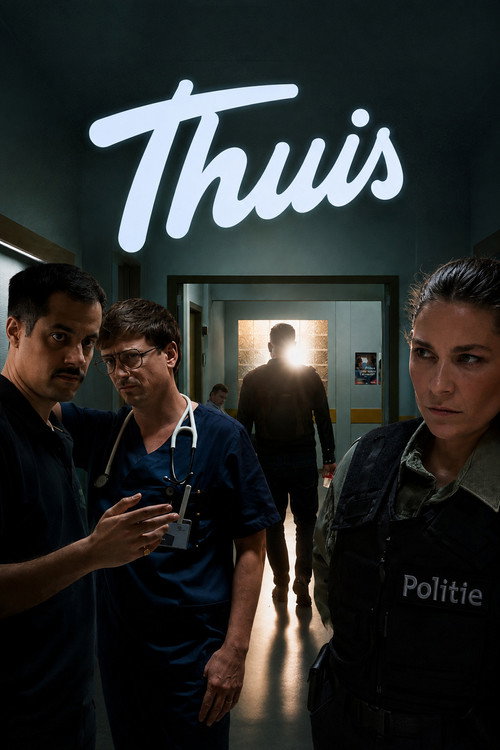
The Bomans, Bastiaens, Verbeeck, and de Grote families must navigate personal and romantic relationships while dealing with the challenges of their daily lives.
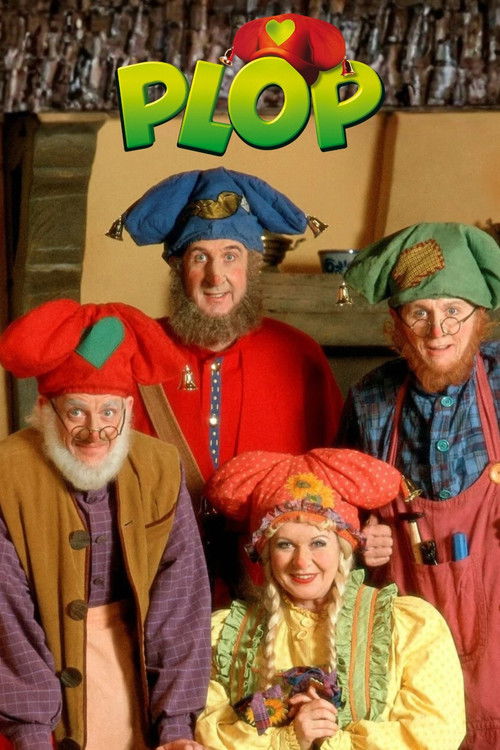
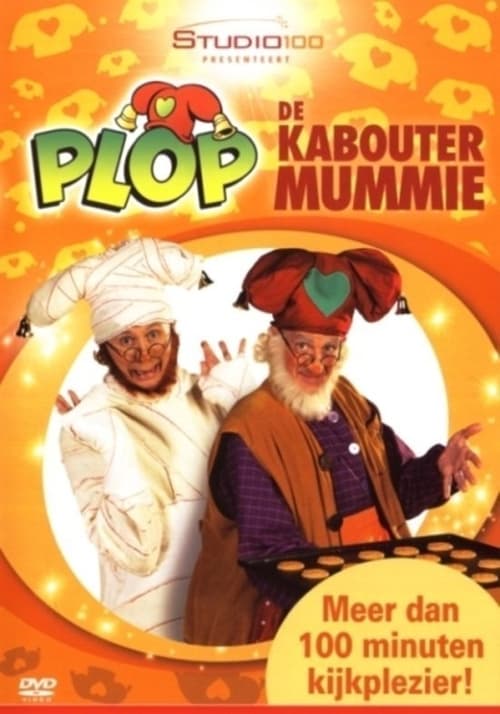
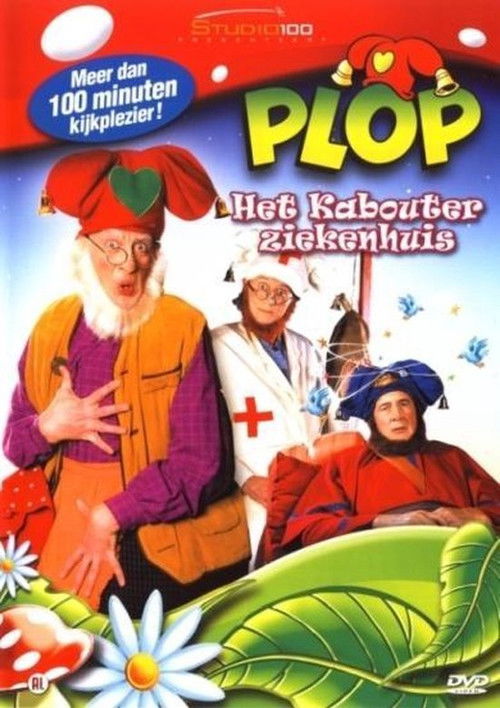
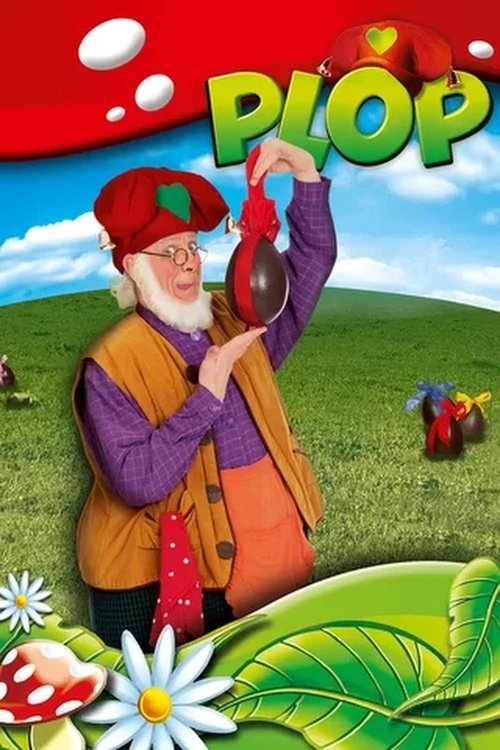
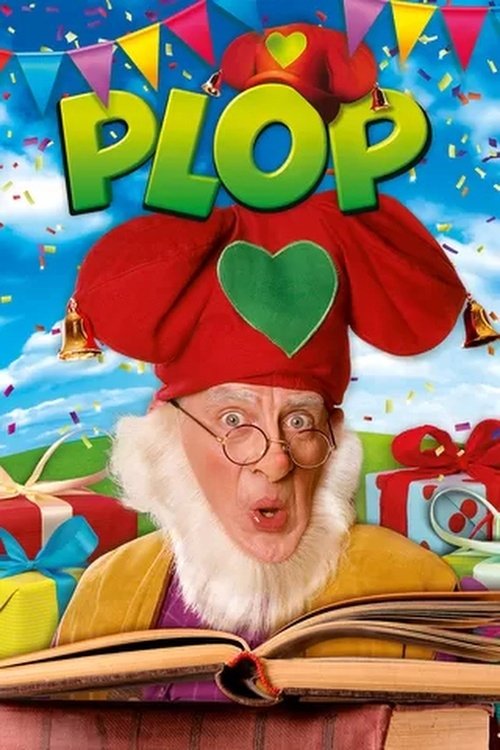
Kabouter Plop is the eponymous protagonist in a children's television series by Studio 100. The television series is directed by Bart Van Leemputten. Most episodes last about five minutes and are set in Plop's milk inn or in Kabouter forest. The stories often involve pranks by naughty Kabouter Klus. Each episode starts with Plop lying in bed and reviewing what happened the past day. At the end of the episode he says he goes to "Kabouter dream land". Most episodes contain a moral.
Galaxy Park the story of six youngsters who work in a holiday park. Soon they discover that one of them is an alien. The six start the search to find the mysterious creature and try to figure out what his intentions are. But they are not the only ones who are interested in the alien..
RIP was about the funeral company Vingerhoets. This business is losing its paterfamilias and boss. The widow Victorine Vingerhoets and her nephew, Willie Haezevoets, who live at home, have to take over the business and keep it going. Willie is patronized as a son and doesn't feel like going through life as an undertaker because he is desperately looking for a wife. The input of friend of the house Raymond van Derre (also known as Raymondke) often ensured that things never went the way they should.
The story centers on Jean (François Beukelaers)—an ex-colonial and former mercenary—and his girlfriend Nadia, who together run the tavern. The bar serves as a gloomy crossroads where three different generations of patrons intersect. As these lonely individuals drink and collide, they confront each other's unfulfilled dreams, romantic illusions, hidden desires, and sudden outbursts of aggression. Trapped between their past actions and what could have been, the characters struggle with profound miscommunication. The film blends dark melancholy with sharp injections of humor, tracking a complex web of human relationships where everyone is simultaneously the hunter and the prey.
Every night Kabouter Plop, a gnome living inside a mushroom, tells the audience about the adventures he and his friends have had that day.
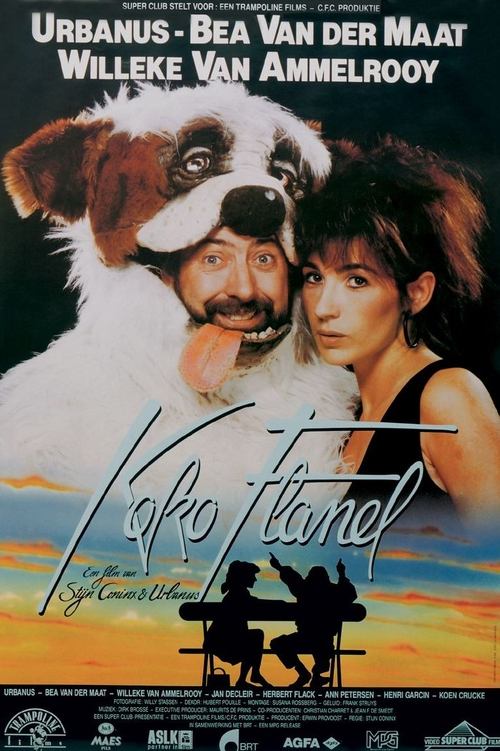
Placide's dad tells him on his deathbed he'll haunt Placide if he doesn't find a wife soon. Placide cautiously agrees, but he only wants to settle for a very beautiful woman. That might be easier said than done, since he is a vagabond. When he accidentally enters a photo shoot, Placide meets Sarah. He falls in love, but she is way out of his reach.
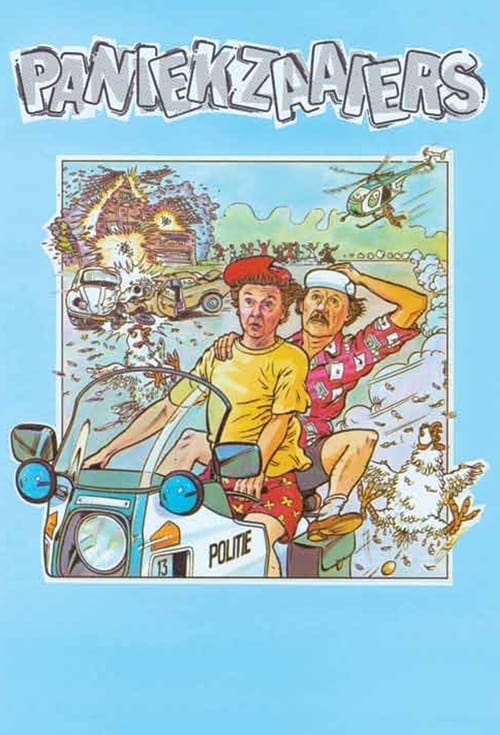
Gaston and Leo are active in Antwerp's motorbike brigade. But the two are demoted to simple neighbourhood cops. When they track down a dangerous woman kidnapper and his accomplice, the pair soon find themselves back in favour. Before they can complete their sleuthing, they must escape the attentions of their wives.
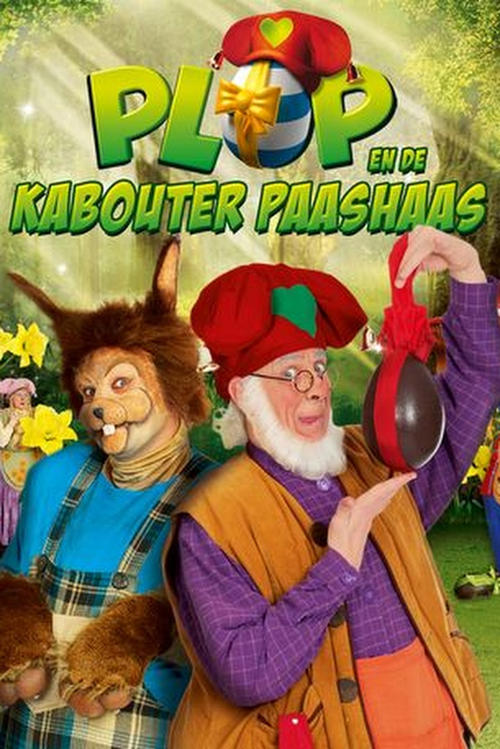
When the sick Gnome Easter Bunny comes knocking on Plop's door to help him prepare and hide the eggs for the gnome children this year, Plop immediately calls on all his friends to help him. While Kwebbel takes care of the sick Easter Bunny, Klus makes a real Easter egg machine and all the gnomes help out. Only Smul has a wicked plan, he wants to steal eggs in revenge because the gnome Easter Bunny once forgot about him. But of course that turns out to be a misunderstanding...
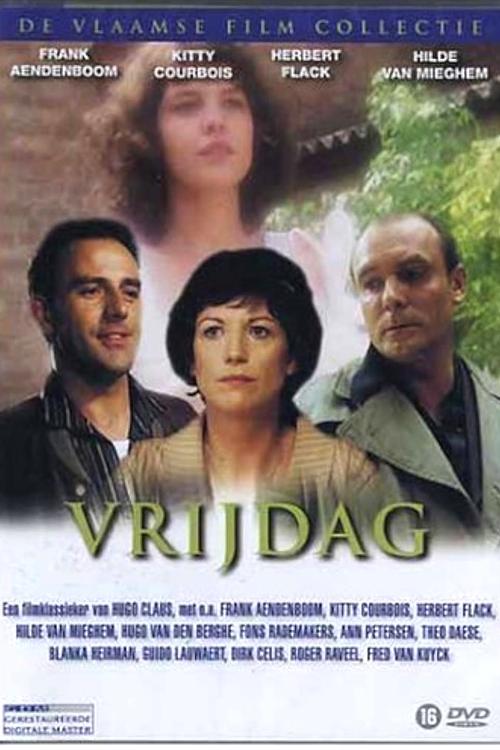
Hugo Claus rewrote and directed Friday as the cinematic version of his original 1969 play of the same name. Just as in the play, the story begins with the theme of incest, as the father Georges (Frank Aendenboom) returns from serving his jail sentence for that crime. Unlike the earlier play, however, the film does not emphasize that aspect of the story. When Georges gets home he finds out that his wife Jeanne (Kitty Courbois) has had an illegitimate child by a younger man, Erik (Herbert Flack), and now both of them must somehow try to return to a normal life, given their only too obvious lapses in moral judgment. As the husband and wife try hard to accommodate each other's failings and start to get to know each other again, Erik comes back into the picture. Now the three of them must resolve the deep-seated conflicts that brought them to this emotionally-wrought juncture of love and betrayal.
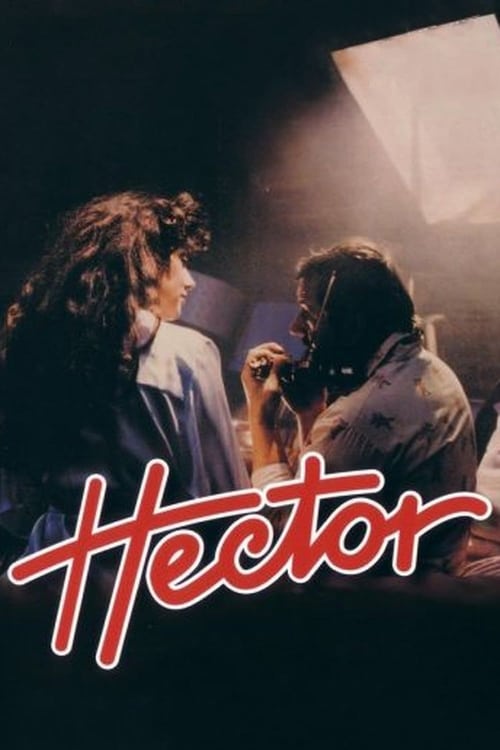
Hector's parents sent him to an orphanage in treatment for smallpox but... they never picked him up. 35 years later, he still lives in the orphanage, surrounded by children, his playmates. Till a forgotten aunt remembers that he exists. She'll get him to participate in the bakery of her husband, Achilles, to work. Hector shows his skills on the basis of unexpected inventions. So he helps Jos, the son of Achilles, to accomplish his dream to be a cycling champion. Hector's good humor and childlike manner overcomes all resistance and pulls his entire entourage along on the path to success. From now on he can learn what love is...
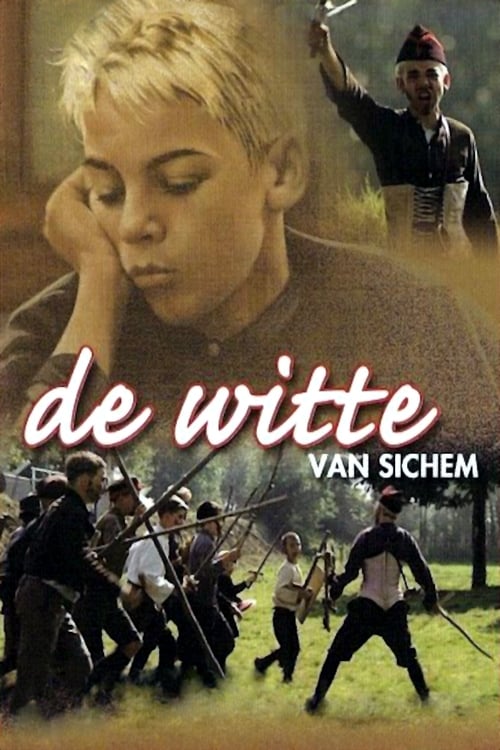
The second movie version, now in color, of Flemish (heimat-)author Ernest Claes' classical novel, titled after the nickname (Dutch 'the White', referring to a blond male) of the main character. The smart but naughty farmhands son's eternal mischief, pranks and disobedience drive his elders (especially teachers, family and father's grumpy employer, a rich farmer, but also neighbors and even the kind curate whose liturgical server he is) and classmates to despair in a time when a boy's punishment was still inevitable, swift and often severe; thus when his mother catches him skinny dipping she takes all his clothes home, forcing him to a long walk of shame, dreading dad's wrath all the way. This version also stresses the story's social and Flamingant aspects.