Acting
No description available.
The show was meant to compete with those on West German television. To this end it was fairly successful even attracting a following in parts of West Germany which could receive Eastern TV. Its production values were high. Apart from song and dance numbers and appearances from East German celebrities, almost every broadcast featured well-known stars from the west, often after their popularity had peaked in their home countries.
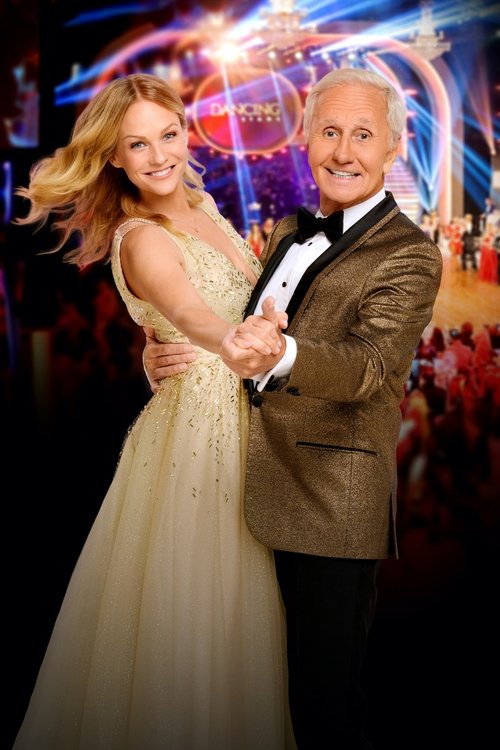
Dancing Stars is the Austrian version of Dancing with the Stars and is shown on "ORF eins" in Austria.
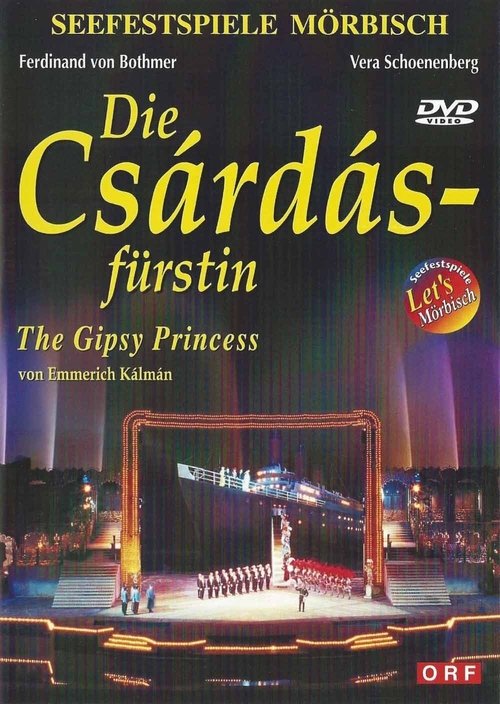
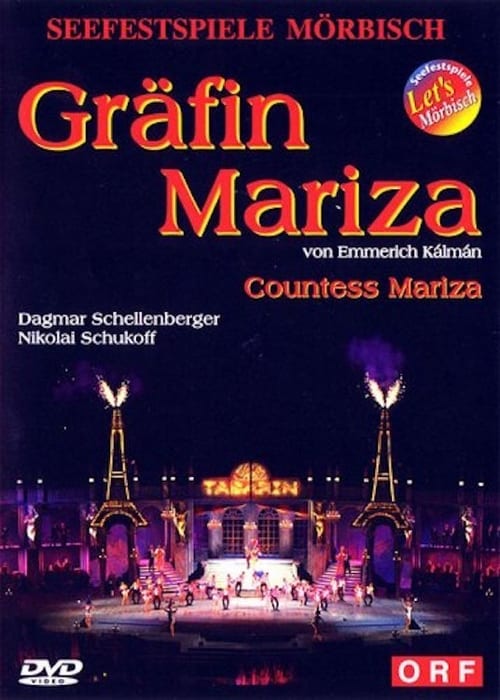
Dagmar Schellenberger, Nikolai Schukoff, Harald Serafin, and Mirjana Irosch star in this production of the Kalman operetta with Rudolf Bibl conducting the Festival Orchestra Moerbisch.
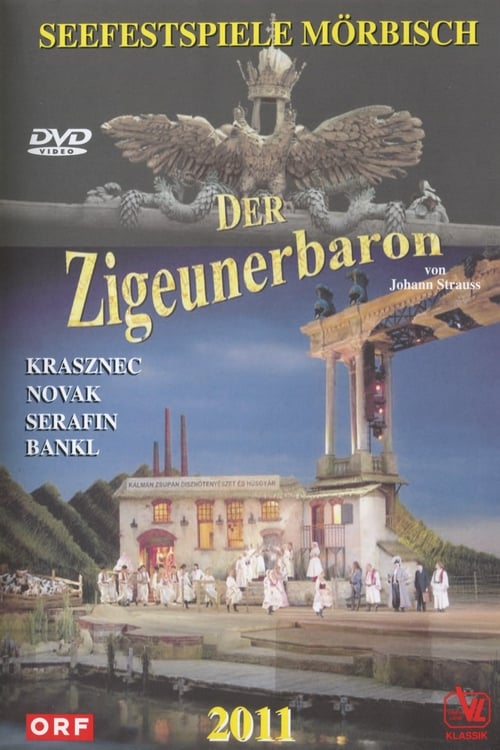
The Gypsy Baron (German: Der Zigeunerbaron) is an operetta in three acts by Johann Strauss II which premiered at the Theater an der Wien on 24 October 1885. Its libretto was by the author Ignaz Schnitzer (de) and in turn was based on Sáffi by Mór Jókai. During the composer's lifetime, the operetta enjoyed great success, second only to the popularity of Die Fledermaus. The scoring and the nature of Strauss's music have also led many music critics to consider this work a comic opera or a lyric opera.
The doctor Susanne, who is on the lake Wörthersee, around Max zu Practice to see for his months in Ausland. Max ’Großmutter Hilde has completed a heart attack and Max has improved.
A theater production.
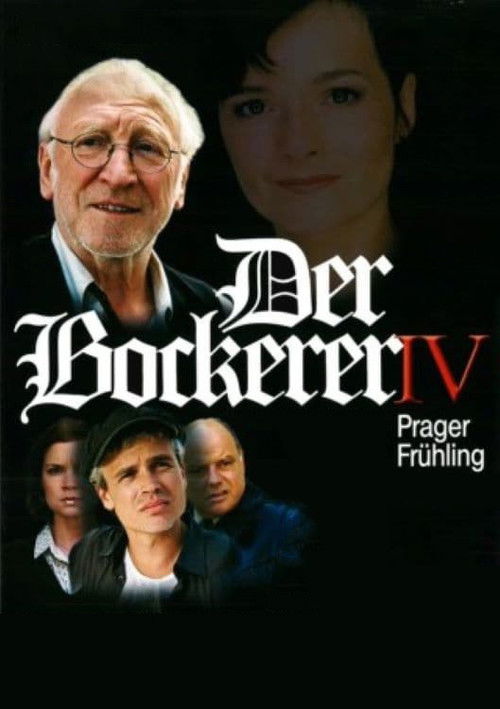
In the year 1968, the “Bockerer” has decided, after many attempts, to marry his long-time widowed housekeeper, Anna. Gustl, whom he as taken in like a son after the war, will open a butchery in the Czech small town Kostelec and invites the Bockerers to spend their wedding journey with him and his Elena. The “Prague Spring”, of which everywhere is talked so much about, promises a nice honeymoon, and their friend Hatzinger is taken along on the journey as well. Soon after their arrival, the Bockerer has to realize that “Communism with a human face” is still an idle wish.
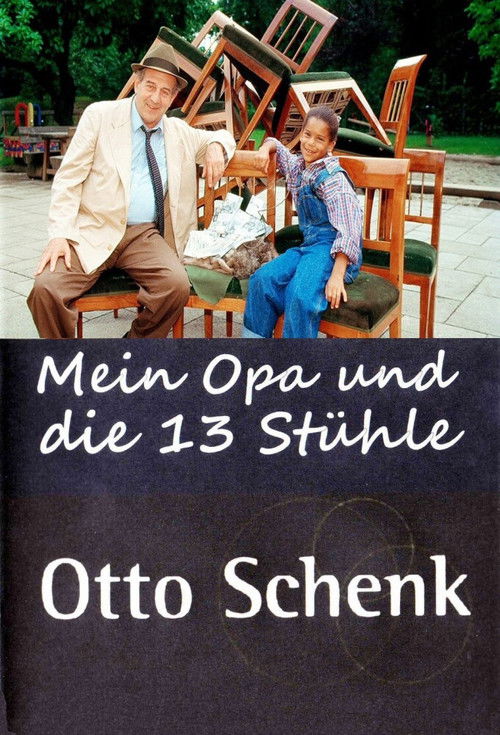
Austrian version of the novel "12 Chairs". While on vacation with her grandfather in Vienna, Samantha learns that she's inherited something. But upon arriving in Carinthia, Grandpa and his granddaughter discover that the inheritance appears to consist of only 13 old chairs. Only after the auction do they learn that money is hidden in one of the chairs. Grandpa now tries every means possible to secretly acquire it.
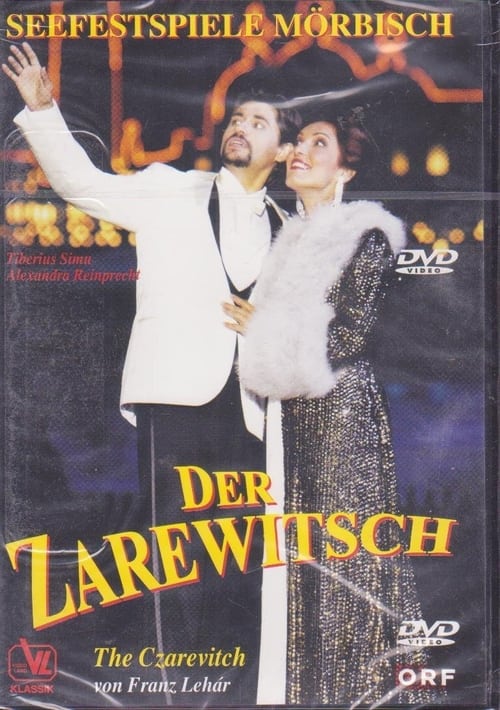
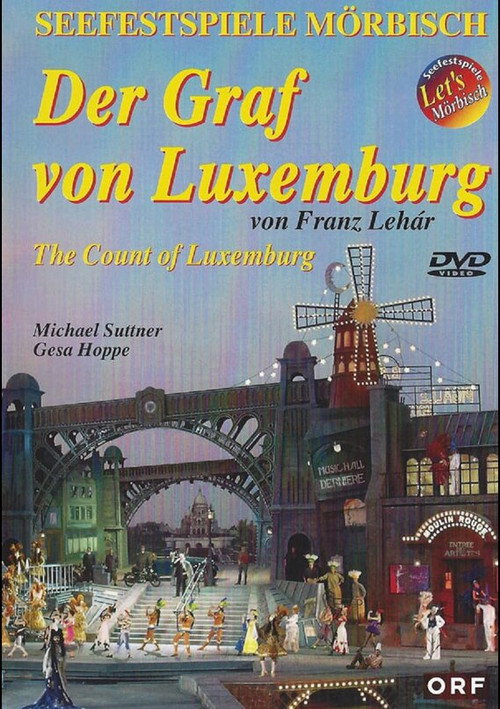
The 2006 Seefestspiele Mörbisch production of Franz Lehár's Operetta
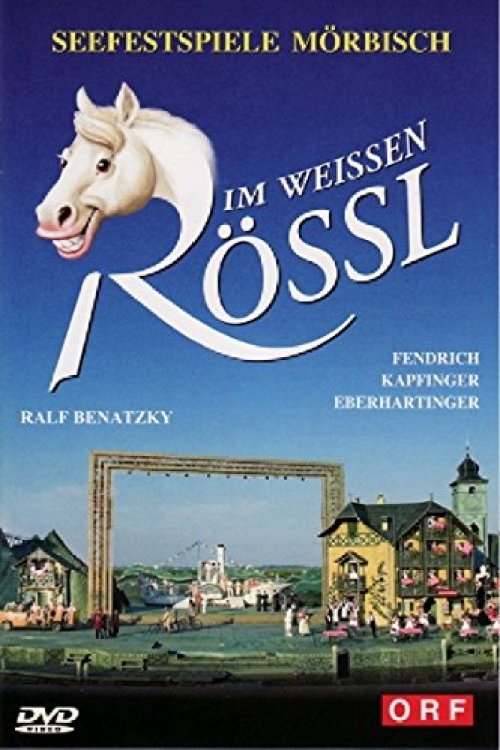
Ralf Benatzkys immensely popular operetta Im weissen Rossl premiered in Germany in 1930, followed by London the following year and Paris in the latter half of the decade. It made it to the US where it played under another name on the Great White Way. This echt-Austrian work had first been popularized as a play shortly before the turn of the 20th c. This 2008 staging was celebrated as a reference performance for future attempts. Directed by Rolf Langenfass and conducted by Rudolf Bibl, the cast includes Harald Serafin as the Austro-Hungarian head-of-state Kaiser Franz Joseph II.