FEEL IT.STREAM
Imre Gyöngyössy

Imre Gyöngyössy

Writing

Known For

No image
N/A

Annual awarding of the Grimme Awards.

Grimme Award

1964
Cinématon
4.9

Cinématon is a 156-hour long experimental film by French director Gérard Courant. It was the longest film ever released until 2011. Composed over 36 years from 1978 until 2006, it consists of a series of over 2,821 silent vignettes (cinématons), each 3 minutes and 25 seconds long, of various celebrities, artists, journalists and friends of the director, each doing whatever they want for the allotted time. Subjects of the film include directors Barbet Schroeder, Nagisa Oshima, Volker Schlöndorff, Ken Loach, Benjamin Cuq, Youssef Chahine, Wim Wenders, Joseph Losey, Jean-Luc Godard, Samuel Fuller and Terry Gilliam, chess grandmaster Joël Lautier, and actors Roberto Benigni, Stéphane Audran, Julie Delpy and Lesley Chatterley. Gilliam is featured eating a 100-franc note, while Fuller smokes a cigar. Courant's favourite subject was a 7-month-old baby. The film was screened in its then-entirety in Avignon in November 2009 and was screened in Redondo Beach, CA on April 9, 2010.
Cinématon

1978
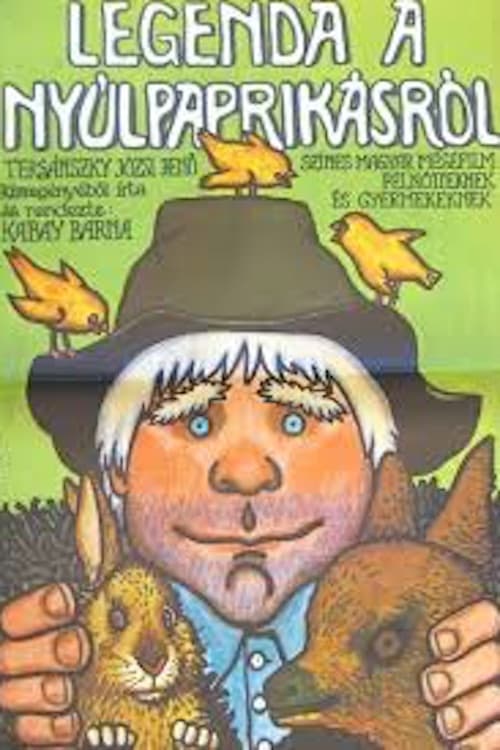
Legenda a nyúlpaprikásról
9.0

Gazsi, the protagonist of the novel, comes from the very edge of the society of the small village; he is an unliveable, helpless, simple-minded person. The only thing he dreams of is a rabbit paprika. However, when the dream could come true, as he takes part in a hunt, Gazsi takes the side of the persecuted and saves the rabbit Paprikás.

Legenda a nyúlpaprikásról

1975
Ten Thousand Days
6.1

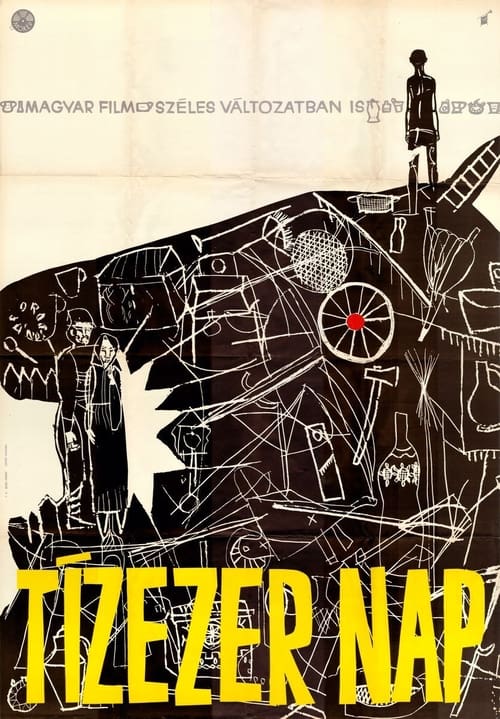
The changing and turbulent history of Hungary is seen through the eyes of three men over a 30-year period in this somber drama. The three recall the highlights of their lives in flashbacks as they reminisce in the mid 1960s. The venerable trio begin their story in the 1930s, through World War II, and the decade beyond the communist invasion of 1956.

Ten Thousand Days

1967
No image
N/A

Reel 18 of Gérard Courant's on-going Cinematon series.

Cinématon XVIII

1982
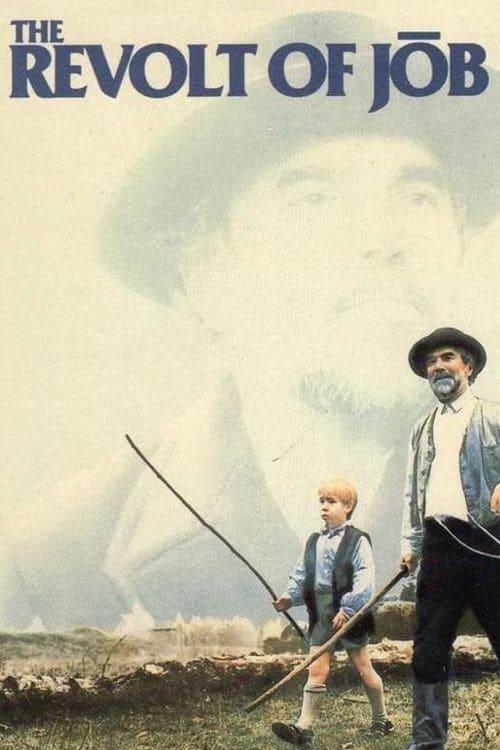
The Revolt of Job
6.4

The story of a childless Jewish couple in WWII-era Hungary who adopt a Hungarian boy and raise him with their values and traditions.

The Revolt of Job

1983
The Legend About the Death and Resurrection of Two Young Men
8.0

Gera, a successful Romani painter rejects his token status by dramatically burning his own artwork. He returns to his marginalized community intending to implement social reforms and improve their lives. However, his modern ideas are rejected and misunderstood by his own people.

The Legend About the Death and Resurrection of Two Young Men

1972
Európa messze van
6.3

The story starts in Romania in the last years of the Ceaucescu regime. The main character of the film is Petru, a ten-year-old Romanian boy. His world is one of action and dreams but, at the same time, presents an authentic vista of contemporary Central Europe.

Európa messze van

1995
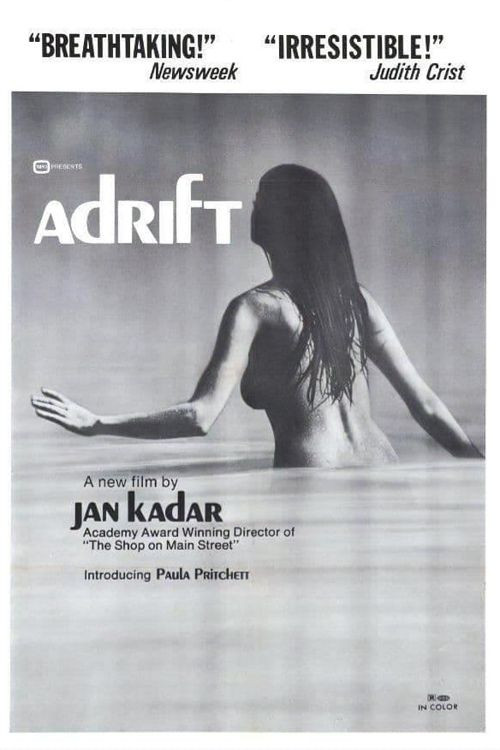
Adrift
4.8

A fisherman saves Anada, a woman adrift, from drowning. He takes her to his home, and protects her. Eventually, she occupies a larger place than was to be expected. He commits adultery with her, but his own wife seems to be in love with the strange young woman.

Adrift

1971
Death in Shallow Water
4.0

1991, farewell in Budapest. Mária remembers the past in tears. Her husband, Tibor, a chemist and a target of the KGB, left their apartment one evening to fetch some cigarettes only to be found drowned in the shallow Lake Balaton the following day. Their son, Peter, a student in Western-Europe, was found dead on the Danube embankment.

Death in Shallow Water

1994
Férfiarckép
10.0

A grey-haired man walks through the fields. Fatigued, but with the same tenacity he roams the roads, the pathways, the tracks every day, medical bag in hand. Everyone awaits him: desperate or in hope, to the dying or to the woman in labour. He is the local GP. In fact, he is film director Imre Gyöngyössy’s father, the protagonist of one of his first short films. The personal narration based on the director’s poem is made complete by the pictures of Sándor Sára and István Gaál who were also active at Balázs Béla Studio at that time.

Férfiarckép

1967
Yerma
9.0

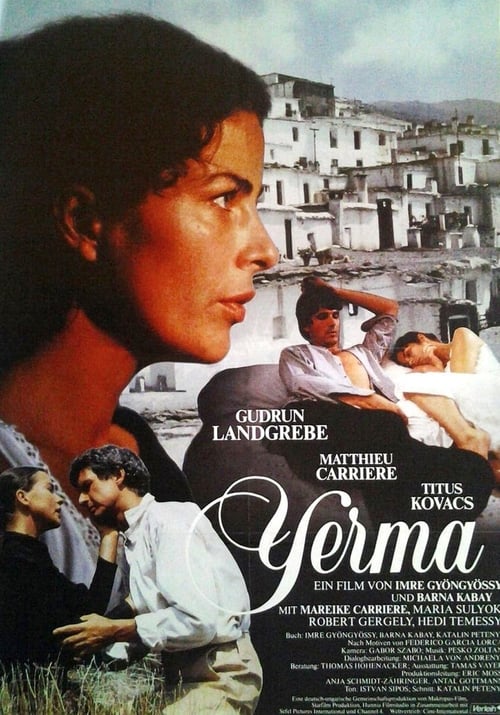
Inspired by García Lorca's stage poem, this is the story of a young woman who cannot realize her desire for self-realization either in the confines of her Andalusian village or in her relationship with her traditional husband.

Yerma

1984
Until the Day is Breaking
9.0

Mihály Zágon has been struggling with his conservative mother-in-law for a long time. Now, that his wife is pregnant, the old woman wants Piroska to stay in bed. Mihály is elected to be the president of the co-operative, but nobody is happy about this back home. His wife often pretends to be ill to keep him by her side.

Until the Day is Breaking

1962
Palm Sunday
9.0

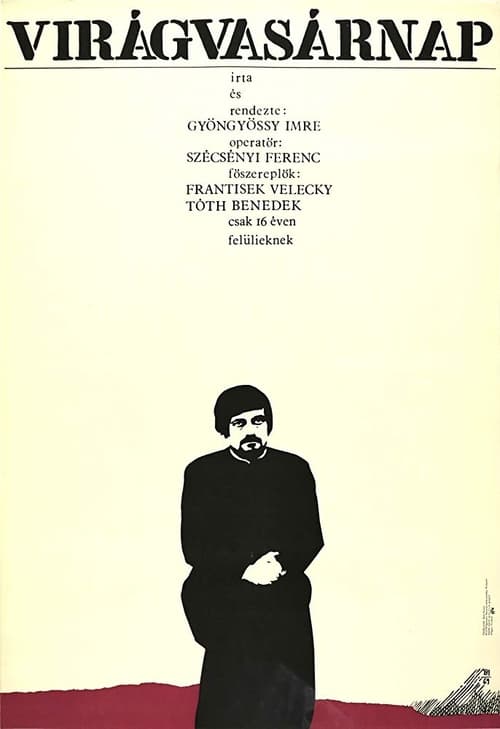
Epic recalling the early days of the Republic of the councils.

Palm Sunday

1969
Green Years
6.8

A country boy comes to Budapest to study and tries desperately to retain his integrity amid the corruption of the capital.

Green Years

1965
1956 november
N/A

No description available.

1956 november

1959
Sons of Fire
3.7

This poetic film presents the ballad of the boys who turned into stags, by the associative means of music, painting and folk art. At the same time it is a memorial to the martyrs of the 1944 Sátoraljaújhely prison revolt and shows its butchery reflected through the fate of three brothers.

Sons of Fire

1973
No image
8.0

A documentary about elderly aunt Veronica who wants to accomplish two things in her life: re-cultivate a long-neglected vineyard and visit her son abroad

A Quite Ordinary Life

1978