FEEL IT.STREAM
Fábio Júnior

Fábio Júnior

Acting

Biography

Fábio Jr., stage name of Fábio Corrêa Ayrosa Galvão (São Paulo, November 21, 1953), is a Brazilian singer, composer, multi-instrumentalist and actor. Fábio Jr. began performing in São Paulo as a child on TV (Bandeirantes) and radio shows. In 1971, he adopted the stage name Uncle Jack and later Mark Davis, under which he recorded several singles sung in English, having success with "Don't Let Me Try" and "I Want to Be Free Again." In the late '70s, he adopted the stage name Fábio Jr. and became a popular leading man in soap operas, also adopting a mellifluous singing style and a repertory of romantic pop songs. His first LP, Fábio Júnior, came in 1976. He worked in the cinema (his most important assignment being Bye Bye Brasil, Cacá Diegues) and he also recorded in Spanish and hosted his own show at TV Record beginning in 1990. Among his many hits as an author/interpreter, "Vinte e Poucos Anos," "O Que é Que Há?" (with Sérgio Sá), and "Pai" are among the most successful. Since 1976, with a few exceptions, he has been recording an album per year.

Known For

Roque Santeiro
8.8

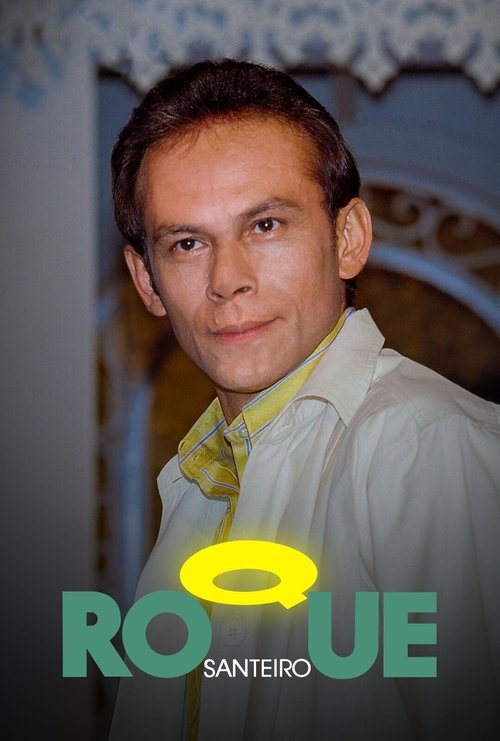
In the tiny poor town of Asa Branca, in the middle of Brazilian Northeast, Roque Santeiro is worshiped as a saint. He was supposedly killed by a bandit, 18 years ago, trying to save the local church. After his disappearance, local leaderships such as landowner Sinhozinho Malta and mayor Florindo, took profit on that to control the humble population. They even make up a widow, Porcina, who should have married Roque secretly before his death. What they don't expect is that Roque is alive, and he's back to, allegedly, "save his people". Now Malta, Florindo, Porcina, and others must hold him down and explain the "truth" to their commoners, in a desperate attempt to save their own bottoms. Meanwhile, mysterious facts surround Asa Branca, such as a Werewolf, a film crew who are trying to shoot a movie about Roque's story, and violent murderers.

Roque Santeiro

1985Series
Olhai os Lírios do Campo
10.0

Eugênio Fontes is a medical student striving for upward social mobility. His impoverished childhood left him with an inferiority complex that hinders him in both his career and his romantic life; consequently, his struggles and dreams are entirely focused on achieving financial security. Deeply conflicted, he feels unable to love his parents, Alzira and Ângelo, to whom he owes his education. While in medical school, Eugênio meets Olívia Miranda, and the two fall in love. However, he ultimately marries Eunice—a beautiful, wealthy young woman and the daughter of the industrialist Cintra. Through his marriage to Eunice, Eugênio secures a good job and gains influential connections, such as a friendship with Felipe Lobo, a respected architect and associate of his father-in-law. Yet, as time goes by, the young doctor begins to question his marriage.

Olhai os Lírios do Campo

1980Series
Antônio Alves, Taxista
9.0

Antônio Alves, Taxista is a Brazilian telenovela produced by Ronda Studios and broadcast by SBT from May 6 to August 10, 1996. It is a Brazilian adaptation of the Argentine telenovela Rolando Rivas, taxista (1972), created by Alberto Migré. Adapted by Ronaldo Ciambroni, with direction by Jorge Montero and general direction by Marcelo Travesso, the telenovela stars Fábio Jr., Guilhermina Guinle, Branca de Camargo, Rubens Caribé, Elaine Cristina, Murilo Rosa, and Eliete Cigarini. The story follows Antônio Alves, a humble taxi driver who moves to São Paulo after the death of his parents and becomes responsible for supporting his four younger siblings. While trying to build a better life, he meets Mônica, a young woman from a wealthy family, and the two fall in love despite their different social backgrounds. Their relationship faces family conflicts, personal struggles, and challenges involving friendship, responsibility, and the search for happiness.

Antônio Alves, Taxista

1996Series