Writing
Brazilian comedy about two couples living next to each other in the same building. This show explores the antics between the two couples.
It follows the lives of the members of a dysfunctional family, their maid and the doorman of the apartment building in which they lived.
With lightness and humor, the soap opera tells the story of Heloísa, a kind and hardworking woman whose life is transformed when she becomes involved with her boss's family and business partners.
In Rome, Armando confesses to Father Guido Bellini that he is being hunted by a criminal organization led by a young man with paranormal powers. Some time later, Guido discovers that Armando has died and, feeling guilty for not having tried to prevent the man's murder, decides to leave the priesthood and return to Brazil. In the city of São Paulo, Guido dedicates himself to the study of paranormal phenomena in order to combat the organization led by César Zapata and his son Fred, the powerful young man to whom Armando referred. To confront the Zapatas, Guido relies on the help of Alef, also a paranormal young man who does not yet have full control of his powers. Alongside his fight against the criminal organization, Guido has a romance with Débora, Alef's mother. His main opponent, César, also likes Débora and does everything to separate her from Guido. He wages a veritable war against the former priest, using Fred's evil powers.
The determined Genuína dreams of the return of Diego, the father of her children Rodrigo and Mercedes, who reject their mother's origins. Diego reappears with a different identity and changes Genu's destiny.
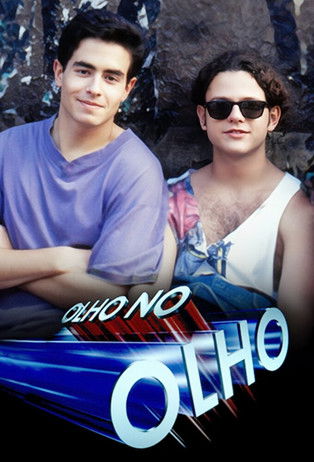
Two high school students have a life of flirting, misadventures and friendship with a group of friends.
The elegant and wealthy Bárbara gives birth to a stillborn child, but never receives the bad news. Her husband, Guilherme, swaps the child's body for that of a baby whose mother is very poor and unable to raise him. Thirty years later, Eugênio, the swapped boy, suffers mercury poisoning, develops leukemia, and needs an urgent bone marrow transplant. But the surgery can only be performed with a donation from a blood relative. Faced with the risk of his son's death, Guilherme tells Bárbara the truth. With everything clarified, the two go in search of Anabel Muñoz, the boy's real mother and the only one who can save his life. Anabel kept her pregnancy a secret, but never forgot the child she had with the unscrupulous Urbano. She is the widow of the Cuban Félix Muñoz and has five other children: Valentim, Remédios, Amparo, Assunção, and Antônio.
After her divorce, Malu faces challenges in supporting her daughter and reinventing herself, grappling with loneliness, work, and the search for a new place in the world.
No description available.
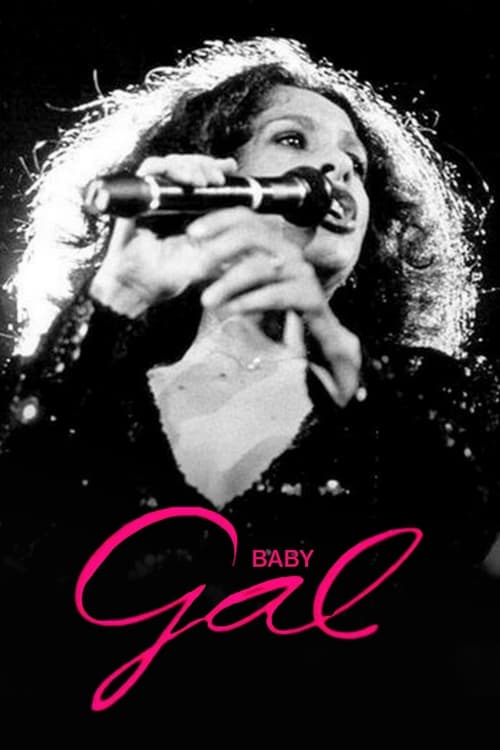
Gal Costa performed at the Ibirapuera Gymnasium in São Paulo for four consecutive nights. The "Baby Gal" special aired on Rede Globo on December 16, 1983, and served as the basis for promoting the self-titled LP, which would only be released a week after this year-end special.
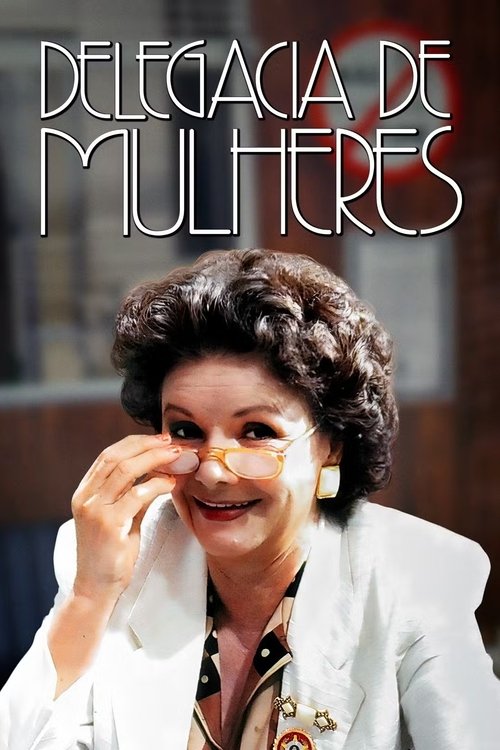
Clumsy old lady Dina Rocha lives with her son Marcelo. After a series of incidents at home, she moves to her house in Santa Teresa. She meets her friend Nonô and she pays a visit to her old friend. Her sons do not know where she is and they go to the hospitals and morgues. Coincidently there is the body of an old lady smashed by a truck and they believe that she is their mother. Meanwhile two smalltime thieves break in Nonô's house and keep the two old ladies locked in the bathroom. During the funeral of Dina Rocha, the dysfunctional families have a quarrel disputing their heritage.
After the great success of the Rio season of her show Saudades do Brasil, Elis Regina made this special with Globo. In a circus-inspired stage, she sings Alô, Alô, Marciano by Rita Lee and Roberto de Carvalho; O Bêbado e a Equilibrista by João Bosco and Aldir Blanc; and O Que Foi Feito (de Vera) by Milton Nascimento and Fernando Brant, amongst others.
Angel works in a wedding dress store. Ulisses, her boyfriend, works as personal trainer. They are swallowed for the television and, to leave, need to discover how to use the Ulisses' ring.
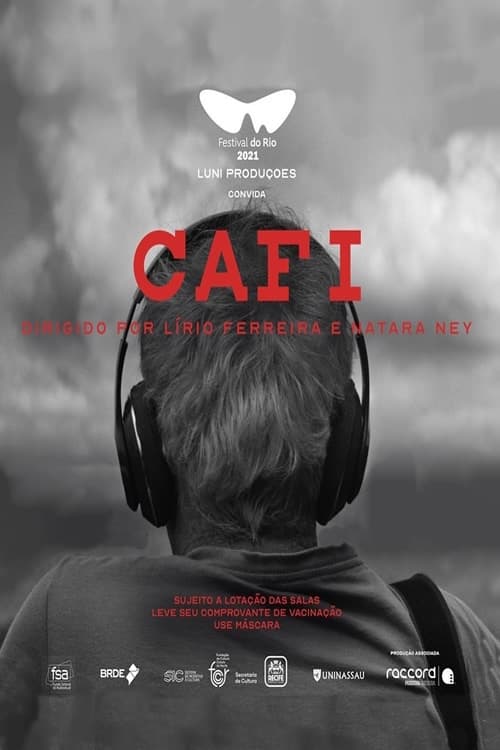
It portrays the work of Carlos Filho, Cafi, a photographer from Recife, who for more than 40 years has dedicated himself to recording a large part of the events of dance, theater and Brazilian popular music. Recordings, concerts, tours and rehearsals by important artists passed through Cafi's lens.