Acting
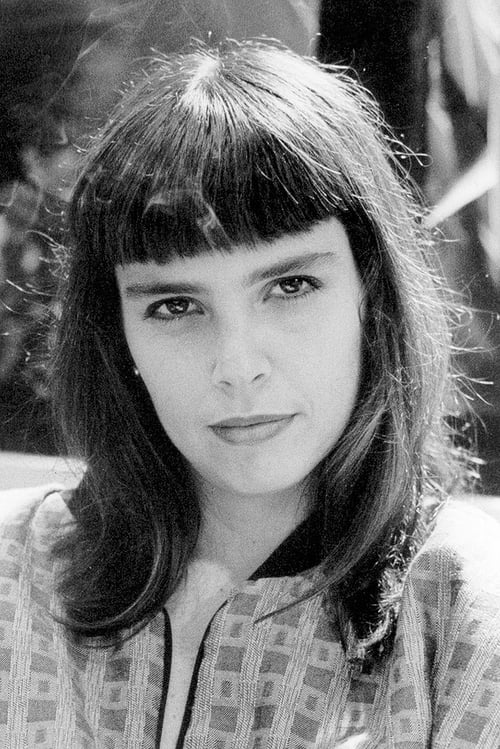
Lídia Brondi Resende Mendes (Campinas, October 29, 1960) is a Brazilian psychologist and former actress.
Quinzinho and João Victor are identical twins separated at birth, unaware of each other's existence. The brothers eventually draw closer, guided by their instincts.
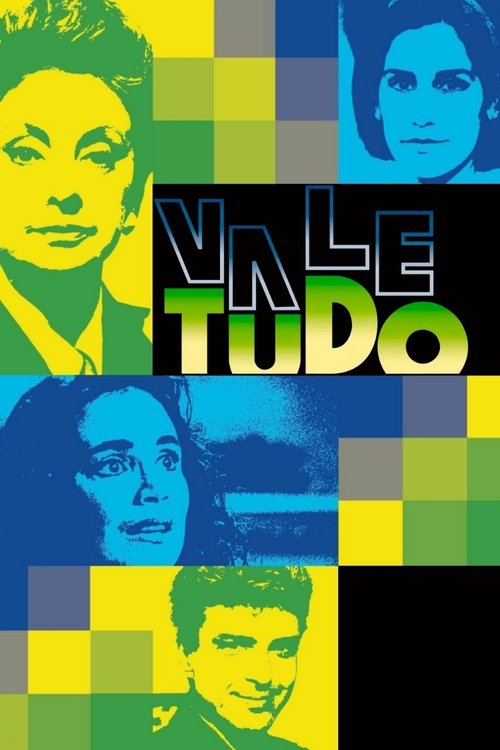
Fátima Accioly is a young, callous woman who wants to be rich and successful at any price. After selling her family's house in the country, she heads to Rio and gets to know dress man César who is unscrupulous himself. Meanwhile, her mother Raquel stays behind without home and money, but finally tries to find her daughter in the big city. Both women come in contact with the rich Roitman family which changes their lives forever.
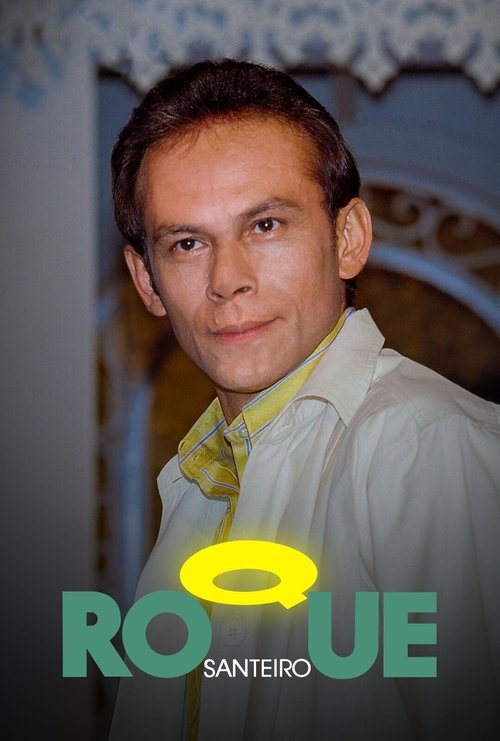
In the tiny poor town of Asa Branca, in the middle of Brazilian Northeast, Roque Santeiro is worshiped as a saint. He was supposedly killed by a bandit, 18 years ago, trying to save the local church. After his disappearance, local leaderships such as landowner Sinhozinho Malta and mayor Florindo, took profit on that to control the humble population. They even make up a widow, Porcina, who should have married Roque secretly before his death. What they don't expect is that Roque is alive, and he's back to, allegedly, "save his people". Now Malta, Florindo, Porcina, and others must hold him down and explain the "truth" to their commoners, in a desperate attempt to save their own bottoms. Meanwhile, mysterious facts surround Asa Branca, such as a Werewolf, a film crew who are trying to shoot a movie about Roque's story, and violent murderers.
The telenovela tells the story of Francisca Moura Imperial, a wealthy businesswoman, and her two sons: Jordão and Tiago, who show little interest in the family business. Jordão is the product of a whirlwind romance in Francisca's youth, while Tiago was born from her marriage to Roberto, a seductive man who moves in high society but is penniless. Francisca is preoccupied with her sons but cannot interfere in their lives as much as she would like. Eccentric and full of outlandish ideas, she decides to undergo plastic surgery, which makes her look 20 years younger, believing that this will bring her closer to Jordão and Tiago. Francisca's greatest concern is that at least one of her sons will marry and give her a grandchild, thus ensuring the continuation of the family name.
A down-on-her-luck former inmate tries to reconnect with her daughter--to the objections of her sister who raised the girl, meets a millionaire, and transforms into a strong woman, returning to society at Dancin' Days nightclub's opening.
No description available.
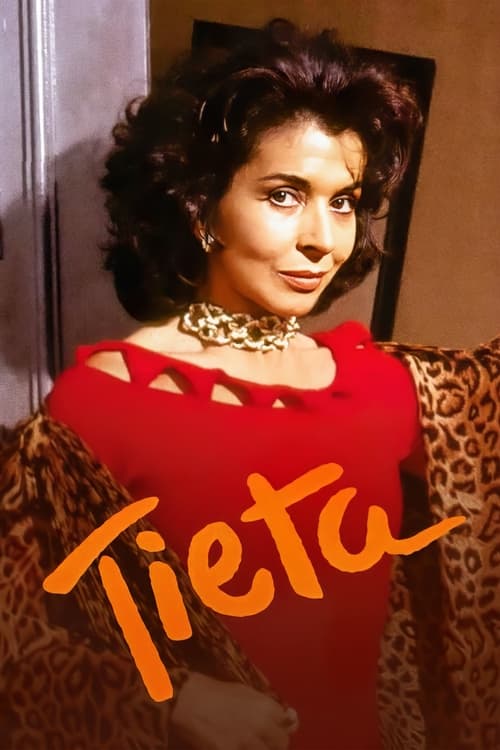
Inspired on Jorge Amado's romance "Tieta do Agreste", the plot is set on the fictional city of Santana do Agreste, at Brazil's northwest, and has as main theme Tieta's life turnarounds. Twenty-five years after being chased out of town by her father Zé Esteves, she returns to her home town seeking revenge against everyone who mistreated her and laugh at her face in the past.
César, a sugar mill owner in Pernambuco, lives in Rio de Janeiro with his wife Maria Luiza and daughters, Débora and Suzy. One day, tired of his life, he decides to fake his own death and assume another identity. César does this with the help of França, the financial director of the sugar mill – which also belongs to Alaor. César and França stage a car accident, plunging off Avenida Niemeyer in Rio and disappearing into the sea. César leaves Alaor on the verge of bankruptcy and Maria Luiza and the two girls in poverty, completely transforming their lives.
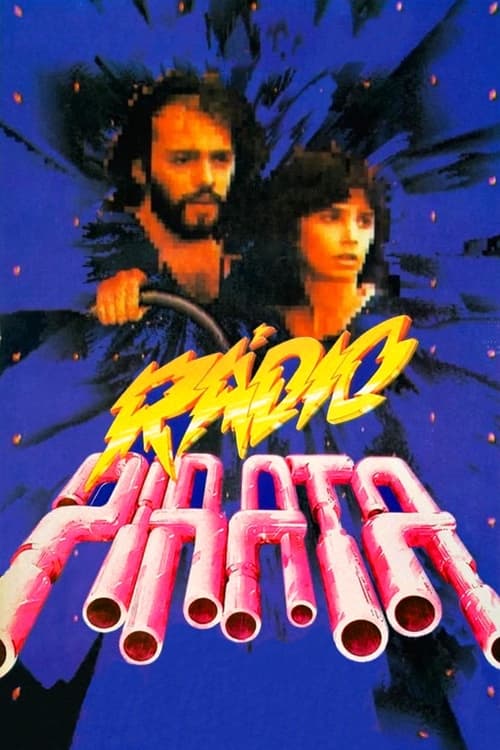
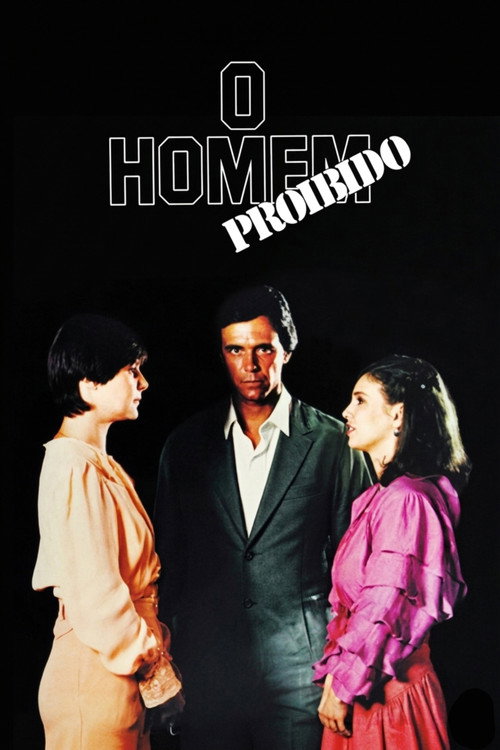
A couple is charged with murdering a friend after discovering a fraud scheme at a data-processing center. They hide in a van, where they set up a clandestine station, so they start to report the fact, seeking to mobilize public opinion until it becomes a national scandal.
Madalena hopes Pedro will fulfill the promise he made 28 years ago, while political rivalry separates the two families. The arrival of the circus reveals secrets and stirs up the town.
Set in Rio de Janeiro, the main plot follows the romantic adventures of four young people: Sônia, Joyce, Paulo, and Carlos. The youngest, Joyce, was raised by her aunt and uncle, Flávia and Dario Rodrigues, following her mother's death and her father's disappearance. Dario and Flávia are Sônia's parents, and they raised both girls as sisters. The story becomes even more complicated with the arrival of Carlos, a young man of humble origins who falls for Joyce the moment he meets her. Joyce, however, does not reciprocate his advances and spurns his interest. Increasingly in love with Paulo, she even pretends to be blind after an accident—solely to remain close to the doctor—and proves willing to do whatever it takes to keep Sônia out of her way.
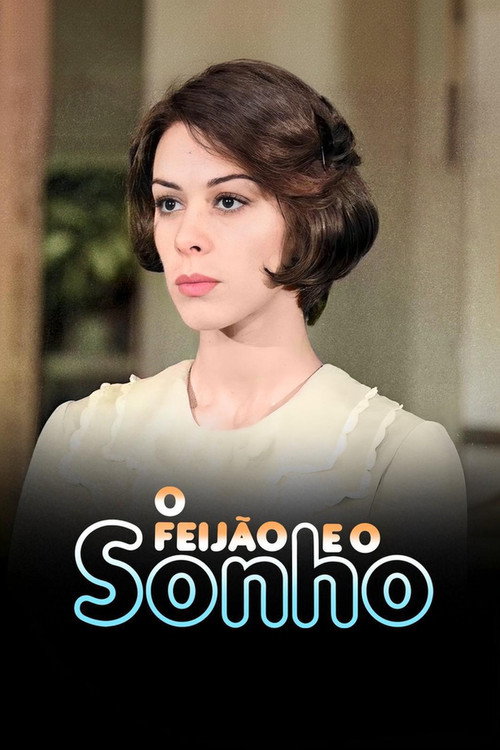
Juca Campos Lara dreams of poetry, but pressured by reality, he trades art for the sake of supporting his family. The struggle between making ends meet and his dream unfolds in four significant phases.
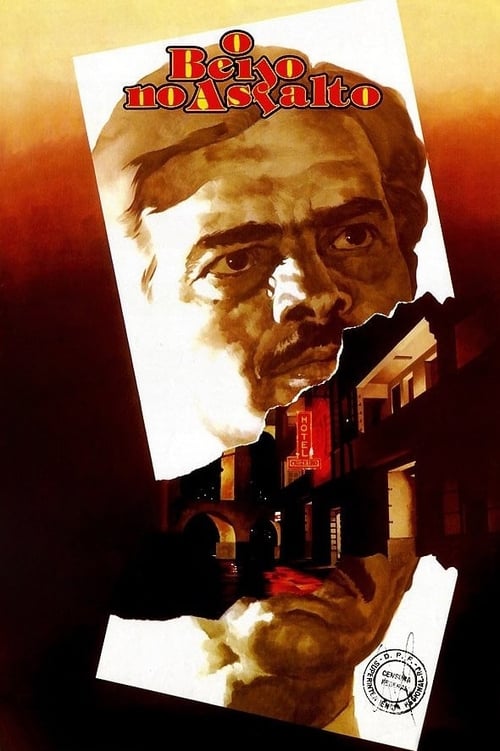
When a pedestrian is hit by a bus, the simple clerk Arandir runs and kisses the moribund in a gesture of sympathy and unconditional pure love. Opportunist photographer Amado Pinheiro witnesses the scene and sees the opportunity to sell newspaper and, together with the despicable and abusive chief of police Cunha, accuses Arandir of homosexuality.
Conducted from interviews with personalities who lived with Leila Diniz (1945-1972), the documentary is a record of an era and, above all, it rescues the participation in Brazilian culture of the actress who opened the way for the sexual revolution during the dark years of the dictatorship.
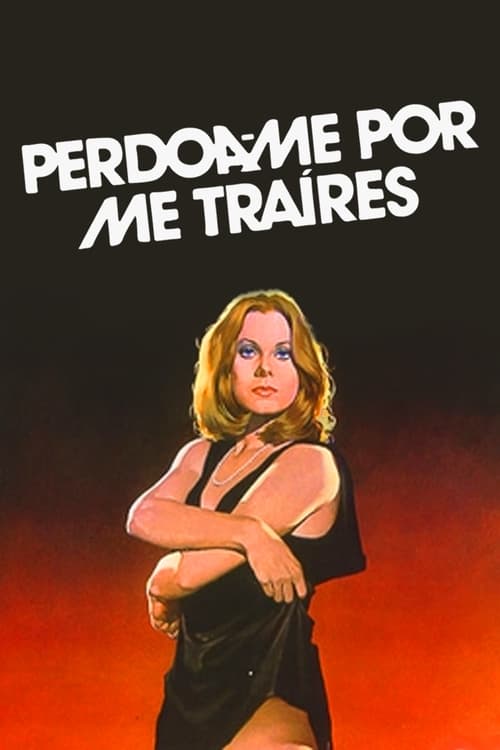
Glorinha, a middle-class 15 year old girl, always thought her mother Judite had killed herself, and that her father Gilberto has gone crazy as result. Her friend Nair takes her to a high-class bordello, where she wants to work. When uncle Raul, who raised her, discovers her prostitution, he decides to finally tell her all the truth about her parents' story.