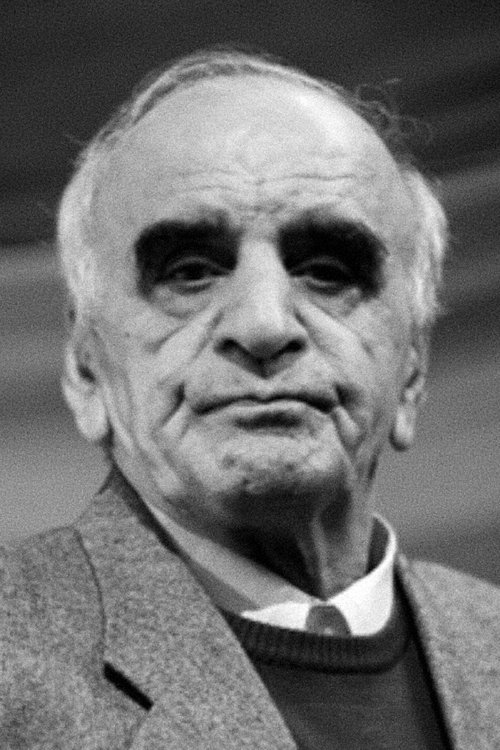
Artavazd Peleshian
Directing
Biography
Creator of the "distange montage," Artavazd Peleshian, one of the key Soviet documentarians, removed the boundaries of feature and documentary films, editing both sequences as a real poetical unity. His "distange montage" was a new step in the development of film editing. Even his student works (The Earth of the People 1966 and the Beginning 1967) shot at VGIK, the oldest film school in Moscow, Russia, were awarded numerous prizes and he gained recognition among filmmakers. Alongside his very successful solo career, Peleshian was invited to direct archive footage by such masters as Lev Kulidzhanov for Zvyozdnaya minuta (1972) and Andrey Konchalovskiy for Siberiada (1979). Mikhail Vartanov directed Osennyaya pastoral (1971) from Peleshian's screenplay. Artavazd Peleshian is the author of a range of theoretical works, including his 1988 book "Moyo kino" ("My Cinema"). Some of the most important works of Armenia's documentary cinema include Sergei Parajanov's Hakob Hovnatanyan (1967), Mikhail Vartanov's Parajanov: The Last Spring (1992) and Artavazd Peleshian's Vremena goda (1975).
Known For
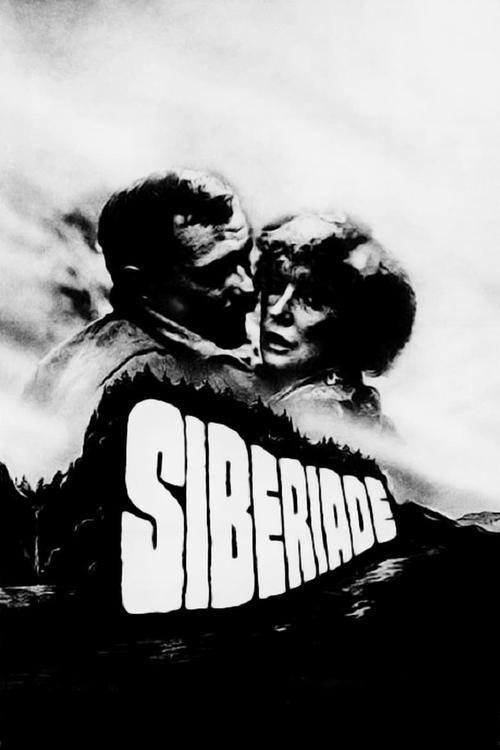
The story about a very small god-forgotten village in Siberia reflects the history of Russia from the beginning of the century till the early 1980s. Three generations try to find the land of happiness and to give it to the people. One builds the road through taiga to the star over horizon, the second 'build communism' and the third searches for oil.
Siberiade
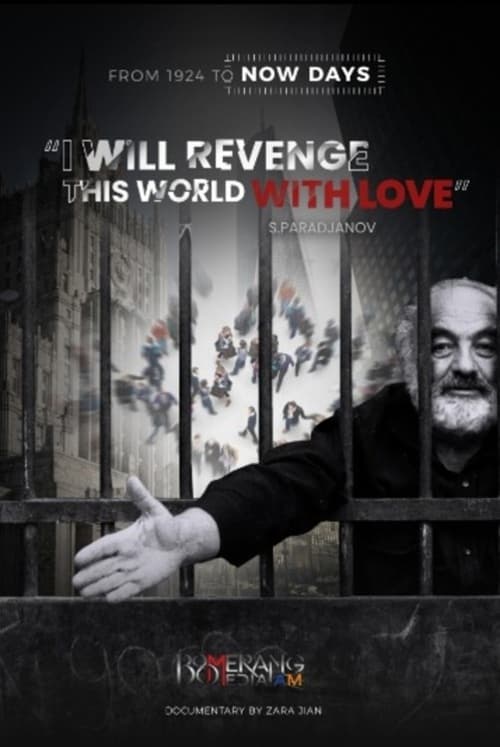
The author of the film decides to leave the country where she lives, in connection with the outbreak of the dramatic events, and return home to Armenia in search of a worthy example and solutions on how to live on. Paradjanov's house becomes a place of inspiration and a point of no return to toxic reality.
"I Will Revenge This World With Love" - S. Paradjanov
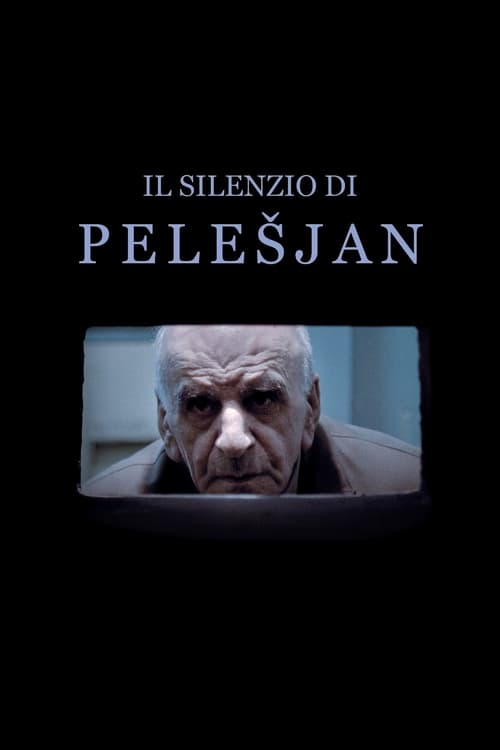
A documentary about the Armenian avant-garde filmmaker, Artavazd Pelešjan.
The Silence of Pelešjan

Inhabitants depicts animals in panic: the film is mostly filled with shots of mass migrations and stampedes (some, surprisingly, filmed from a helicopter). The title equalizes the species of the earth. Artavazd Peleshian merely alludes to the presence of human beings—a few silhouettes that seem to be the cause of these vast, anxious movements of animal fear. In many ways, this film is an ode to the animal world that moves toward formal abstraction, with clouds of silver birds pulverizing light. Peleshian said, “It’s hard to give a verbal synopsis of these films. Such films exist only on the screen, you have to see them.”
Inhabitants
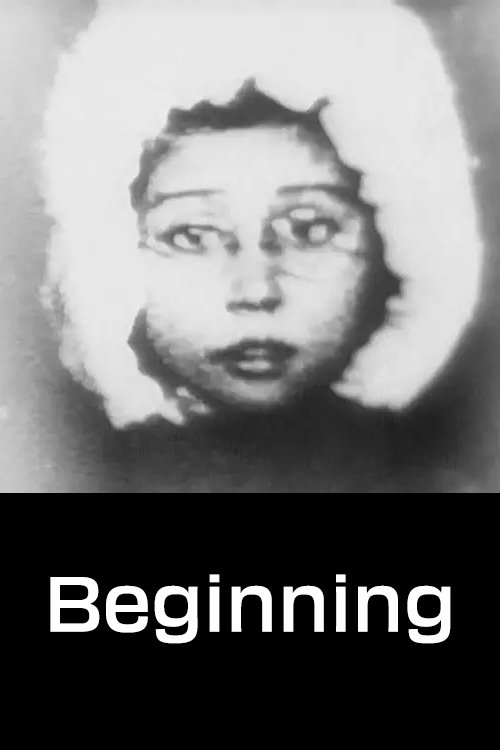
Philosophical essay about the October Revolution of 1917 in Russia, its influence on the destiny of the world in the 20th century.
Beginning
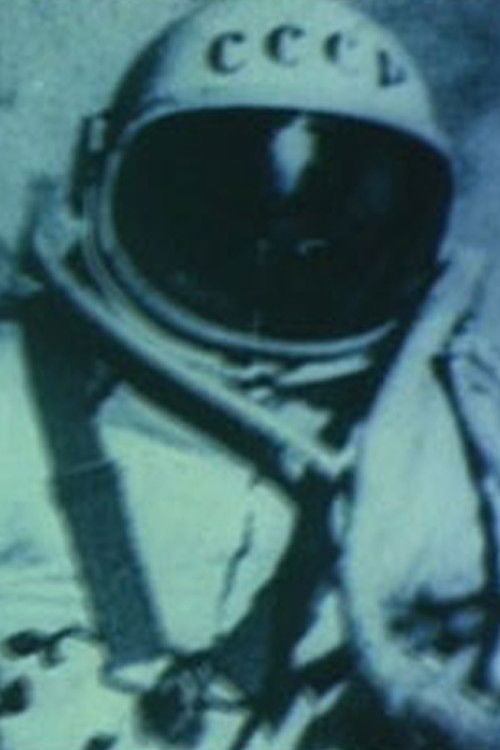
A man paves his own way to his own soul through an intellectual quest, tragedies of nations and personal drama. The road moving through the cosmic distances is a flight into one's internal world. This flight and this drama are revealed in this philosophical film-poem.
Our Century
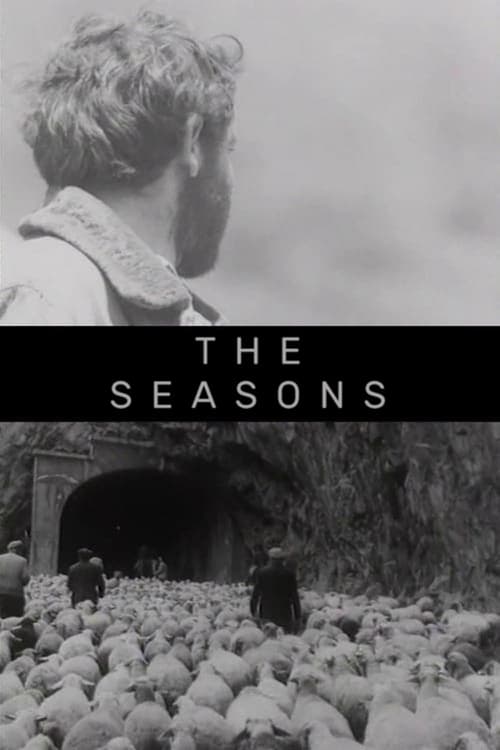
The last collaboration of Artavazd Peleshian and cinematographer Mikhail Vartanov is a film-essay about Armenia's shepherds, about the contradiction and the harmony between man and nature, scored to Vivaldi's Four Seasons.
Seasons of the Year
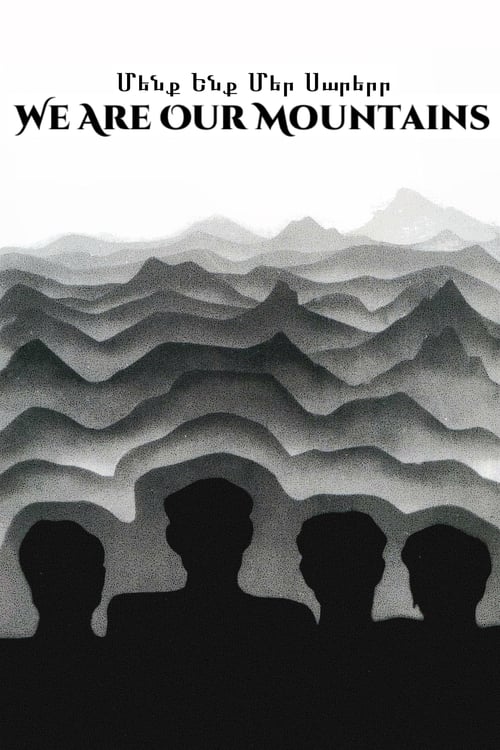
The tranquility of a remote Armenian mountain community is disrupted when a group of shepherds affected by the pangs of an evening hunger, decide to butcher and barbecue the sheep of another's that have strayed into their herd. An official inquiry by the city police complicates matters, and questions of law, morality and community only seem to lead to further entanglements.
We Are, Our Mountains
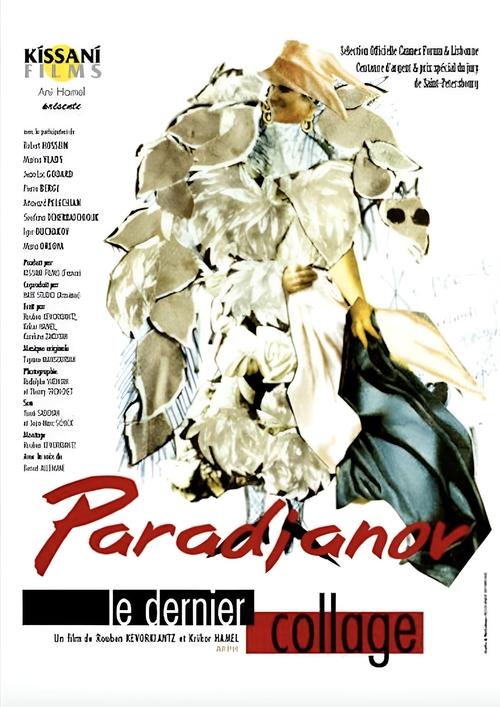
Parajanov lifts the curtain on numerous unfinished scenes and fragments of unshot films. These are memories of his childhood, death, friends, Tiflis, Kyiv, Yerevan. Seven stories from the life of Parajanov and the close circle that shared his entire life path with him.
Paradjanov, le dernier collage
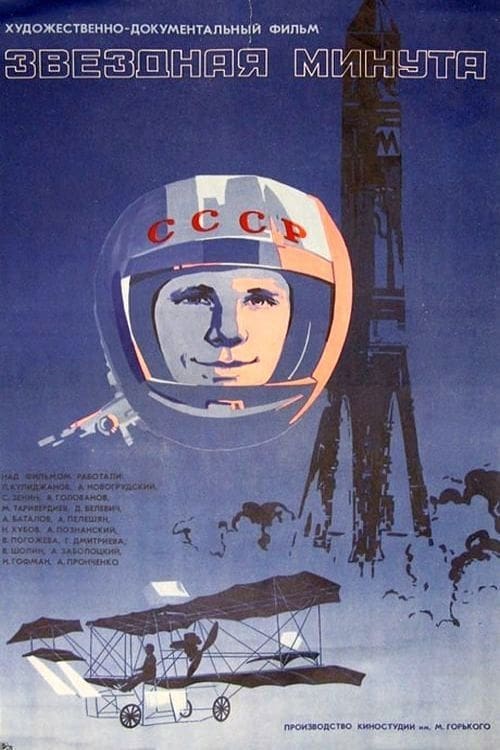
A film from which you can learn about the first progress of the USSR in space exploration, as well as about the achievements of Yuri Gagarin, the world famous first cosmonaut, who was the very first to conquer the depths of space. This is an educational documentary film for people of all ages. And for those who are nostalgic about the past, and for those who want to learn more about space and its conquest.
Starlit Minute

Poetic film about the struggle of man's will and muscles against nature, about the rock-climbers who prevent landslides and eliminate their consequences.
Mountain Vigil
While it was long thought that his filmography had concluded with the film Life in 1993, Peleshian has now returned with a new film, simply titled La Nature, through which he once again observes the delicate cohabitation of human communities with their environment. Gathered from the internet, most of the images that compose the film are fragile, amateur-shot traces from within nature and its tremors that regularly rock these communities. Volcanic eruptions, earthquakes, and tsunamis form the film’s visual fabric, and are set against images of grandiose natural landscapes. A visual elegy, the film resolutely acknowledges the superiority of nature, with its unrelenting force, capable of transcending all human ambition. With this, the filmmaker seems to remind us that humankind will not emerge victorious from the ecological havoc that it has created.
Nature
The film tells about the most significant church holidays and religious rites.
God in Russia
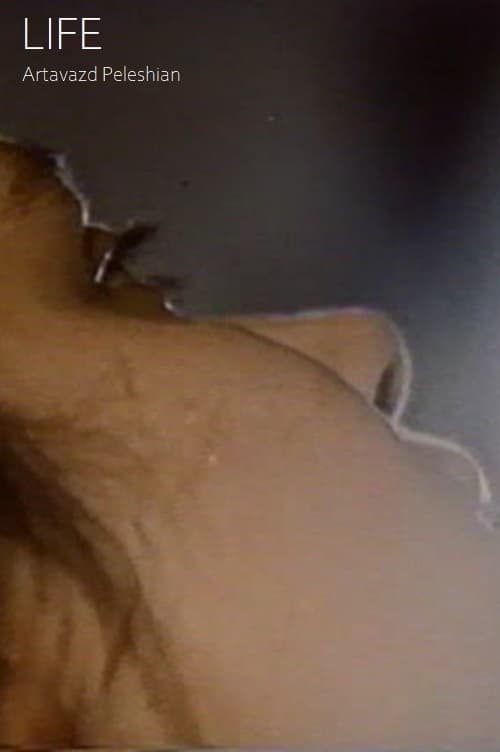
Poetic essay about the beginning of life from labor pains and birth and about its symbolic meaning.
Life
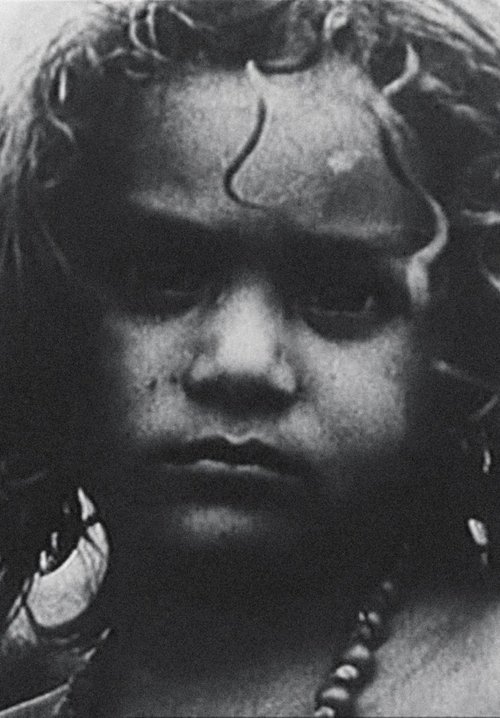
Monumental picture exploring the identity and fate of the Armenian nation.
We
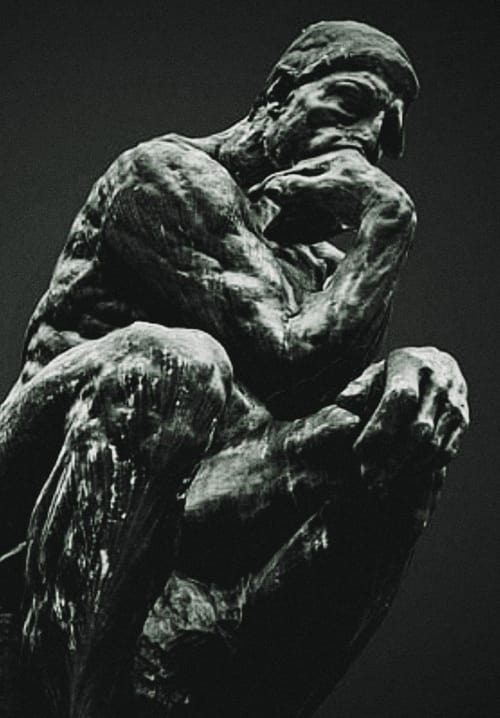
This is the subject of ongoing discovery of the beauty of the world, that man makes in his life and in his work, which is being developed as part of a big city, presented during a day's work. This film starts and ends with the rotating image of the sculpture of Rodin the Thinker; this famous sculpture has long since become the symbol of the unchanging expression of human thought.
The Land of the People
Peleshian transforms footage from a train ride into a metaphor for the shape of a life. Early images of faces on the train give way to landscape, a journey through a black tunnel, and a final emergence into pure white light.